
The world’s largest free audio library for everyday wellbeing
Real people. Real life. Real time.
Retreat categories
All RetreatsYoga RetreatsWellness RetreatsMeditation RetreatsYoga Teacher TrainingWomen's RetreatsYoga Retreats in BaliYoga Retreats in United KingdomYoga Retreats in AustraliaYoga Retreats in ItalyFind Your Perfect Retreat
Discover transformative Retreats led by Insight Timer's best teachers.Reconnect, recharge, and return renewed.
The world’s largest free audio library for everyday wellbeing
Blog categories
Mental Health and WellbeingTips and GuidesScience and ResearchTraditionSpiritualityAt WorkTop Articles
How to Meditate
Meditation is something everyone can do. Practicing can help improve your health and wellbeing.
Explore MeditationMeditation Timer
Free meditation timer with customizable intervals, bells, and ambient sounds.
Meditation Timer OnlineFall Asleep Faster Guide
Sleep is more than just well-deserved rest after a hard day; it’s an essential aspect of whole-body health. Our bodies need sleep to heal tissues, prevent illness, and restore our energy for the day ahead. And our minds? They need sleep to process emotions, store memories, and solidify learning.












Unfortunately, worry, rumination, or tomorrow’s to-do list can keep you wide awake at night. While we toss and turn, thinking of ways to fall asleep, wondering how to fall asleep fast (or if we’ll fall asleep at all), we miss out on the precious restorative sleep we need. The good news is that techniques like meditation and yoga can teach you how to go to sleep faster.










How to Fall Asleep Fast When You Can't Relax Your Body
Wouldn’t it be great if we could trick our brains into falling asleep? Well, with certain relaxation techniques, we can. Relaxation techniques like progressive muscle relaxation, body scans and yoga nidra use physical cues to tell the brain and body that it’s time to rest.
Progressive Muscle Relaxation for Releasing Tension
Progressive muscle relaxation, or PMR, is a simple, evidence-based exercise that can effectively lull the body to sleep fast - sometimes in less than 15 minutes. The practice works by tensing one muscle group at a time, then releasing the tension and easing into a moment of relaxation.






By actively tightening and releasing, we unwind any tension we’re holding on to and calm the central nervous system at the same time. Many PMR exercises also incorporate breathwork into the exercise for even more focused relaxation. Aside from teaching the body how to fall asleep quickly, PMR has also been shown to help keep stress levels under control, calm anxiety, and even reduce chronic pain.
Body Scans for Conscious Relaxation
Body scans are a common mindfulness technique that help to fall asleep fast because they can easily be done right in the comfort of your own bed. The simple practice not only helps you drift into sleep faster but may even set the stage for better quality sleep.









Research suggests that mindfulness-based meditations like body scans are worth a try when you can’t fall asleep. During a body scan, the mind is focused on each part of the body in a slow progressive meditation. This offers the mind a place to focus and stops the “monkey mind” that keeps us up. Studies also show that a simple body scan has other wide-reaching benefits for the body, such as anti-inflammatory signaling.
Yoga Nidra For Deep Rest & Better Sleep
Yoga Nidra is a restorative meditation practice that has been dubbed “conscious sleep.” This style of yoga is an experience in conscious non-doing and a chance to detach from the busy energy of everyday life.

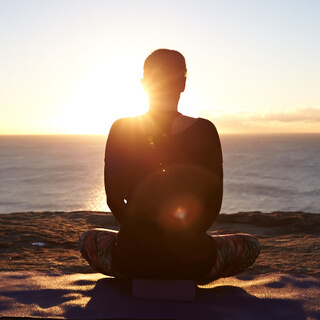









During a yoga nidra session, focused breathwork leads the body through various brainwave patterns to trigger the parasympathetic nervous system response and deep relaxation. It is the downshift from high-alert brain waves, like beta, into slower, deeper waves like theta and delta that allows healing to occur. When we are stressed, anxious, depressed, and sleep-deprived, we don’t experience these deeper brain states or their benefits. Yoga Nidra offers a conscious way to reclaim these brainwave patterns and start the healing process.
Yoga Nidra is not traditionally used as a way to fall asleep, but rather to replenish our bodies when we’re sleep-deprived. That being said, studies show that yoga Nidra successfully helps manage mild to severe insomnia and other sleep disorders. Many practices are left open-ended to allow for a fully restorative sleep experience.


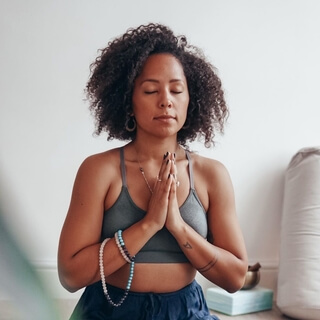






Yoga For Mind-Body-Relaxation
Studies show that yoga most directly improves sleep by relieving stress. Having a regular yoga practice is correlated with falling asleep faster, enjoying better quality sleep, and better quality of life. Yoga protects against and restores the body after chronic sleep deprivation by stimulating anti-aging hormones such as growth hormone and DHEA.

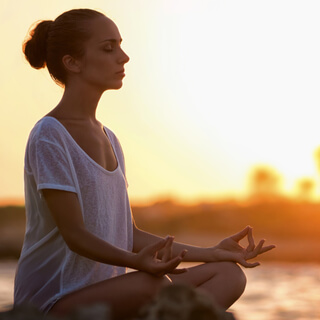


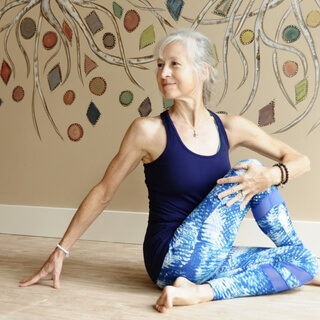
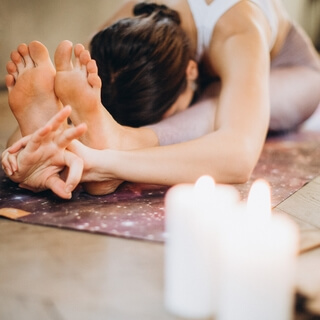

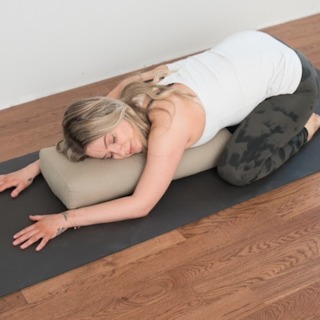

Looking at the physiological effects of yoga, we see that it actively inhibits the sympathetic area of the hypothalamus. This area controls many of our stress responses, such as heart rate, breathing rate, and blood pressure, as well as the emotions of fear and aggression. At the same time, yoga has a direct, positive effect on our wellbeing by stimulating the brain’s reward centers, increasing serotonin levels, and activating the breakdown of cortisol.
Upcoming Live Yoga Events
All of these upcoming events are free to join








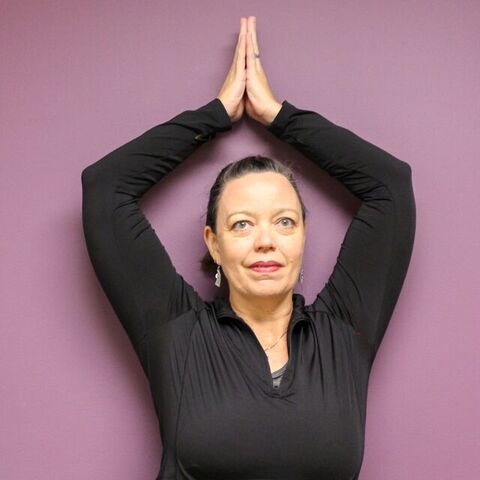




How to Fall Asleep When You're Stressed Or Your Mind Is Racing
Prolonged stress is one of the biggest obstacles to a good night’s sleep - both physically and mentally. When stressed, our cortisol levels rise which causes our heart rate to increase, our breathing to quicken, and our muscles to tense. Stress naturally primes us to act, not to rest.
Similarly – and often linked – racing, ruminating thoughts are one of the most common reasons why people have trouble falling asleep. This can trigger an exhausting cycle; ruminative thought patterns can lead to chronic stress, which can cause or increase sleep deprivation, which leads to even higher stress levels.
While simply telling your mind to stop thinking may feel like an impossible task, we can use science and time-tested techniques to bring the mind to a natural rest and fall asleep quickly.
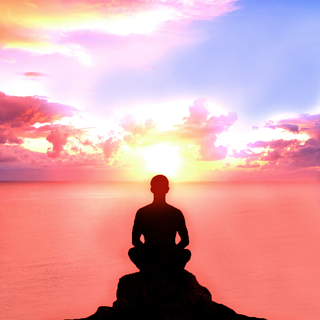









Meditation For Managing Stress & Quietening The Mind
When you can’t fall asleep, meditation helps you quiet your mind so you can rest. Whether your mind gets stuck replaying experiences from the past or wanders into thoughts about the future, meditation brings you back to balance in the present moment.










Research has taught us that practicing mindfulness influences the stress pathways of the brain and moderates how we perceive and respond to stress. Mindfulness also changes the activity in certain regions of the brain (specifically the fronto-limbic region) that regulate our emotions and responses. The result is more self-awareness and self-regulation of the emotions we experience. Studies show that those who practice mindfulness meditation are less likely to react to negative thoughts and feel in control during times of stress.








Meditation reduces serum cortisol levels and may even reverse the negative physiological effects of stress. Studies also show that meditation impacts our stress at the base level of our sympathetic nervous system. When we’re in sympathetic mode (fight-or-flight) our mind becomes active and thoughts race. Unfortunately, those thoughts tend to be negative or stressful. This is called the negativity bias and it’s wired in our biology. But, we can use meditation to halt this sympathetic overdrive and negative thinking and return to the restorative comfort of parasympathetic mode - and most importantly a good night’s sleep.





Guided Visualizations For A Quiet Mind
Guided visualization or imagery are focused meditations that lead to relaxation and, in many cases, faster sleep. Studies show that guided visualizations, especially when paired with other sleep hygiene measures, helps relieve insomnia and help the body fall asleep faster.









How To Fall Asleep When It's Noisy
Finding out how to fall asleep fast is sometimes as easy as getting the background noise right. Many people turn to ambient sleep music like nature sounds or white noise when they can’t fall asleep at night.
Nature Sounds For Sleep
Research shows that natural sounds can help us relax and ultimately fall asleep faster. In a 2017 study, sleep scientists used fMRI to study the effects of nature sounds on the brain and stress responses. They found that listening to nature sounds showed a decrease in the body’s sympathetic (fight-or-flight) response, an increase in parasympathetic (rest-and-digest) response, changes in heart rate variability, and an increase in focus compared to those who listened to recordings of manmade environments.
Those who recorded higher sympathetic responses before the tests (i.e. higher stress levels) also showed the most improvement and may benefit the most from listening to natural sounds.








One caveat: Nature sounds only help us relax when we are familiar with and enjoy the sound. While rainforests or rushing waterfalls could work for some, a babbling brook or rainstorm may be better for others. Try out different sounds to see which nature soundscape works best for you.
Pink and White Noise for Sleep
Pink and white noise are other common ways to fall asleep quickly. While they work well to minimize distracting noises that keep us up, their effects go deeper to lull the brain to sleep.






White noise is an effective way to fall asleep faster, even in loud and disruptive environments like hospitals. Studies show that white noise can reduce the time it takes to fall asleep by up to 40%.
The lower frequency of pink noise (or even red noise or brown noise) is considered more pleasant by some and may even have additional benefits. The research suggests that pink noise reduces brain wave activity, helping downshift the brain into alpha, theta, and restorative delta waves quicker and easier. As a result, you can fall asleep faster and even sleep longer and more soundly.
How To Fall Asleep Fast & Easy Every Night
The secret to falling asleep fast and easy every night is consistency. A bedtime routine helps train your brain that it’s time for bed, while regular natural sleep aid practices like meditation and yoga release the stressors of the day and allow the brain to slip into a peaceful rest.
More guides to improved sleep:


