
The world’s largest free audio library for everyday wellbeing
Real people. Real life. Real time.
Retreat categories
All RetreatsYoga RetreatsWellness RetreatsMeditation RetreatsYoga Teacher TrainingWomen's RetreatsYoga Retreats in BaliYoga Retreats in United KingdomYoga Retreats in AustraliaYoga Retreats in ItalyFind Your Perfect Retreat
Discover transformative Retreats led by Insight Timer's best teachers.Reconnect, recharge, and return renewed.
The world’s largest free audio library for everyday wellbeing
Blog categories
Mental Health and WellbeingTips and GuidesScience and ResearchTraditionSpiritualityAt WorkTop Articles
How to Meditate
Meditation is something everyone can do. Practicing can help improve your health and wellbeing.
Explore MeditationMeditation Timer
Free meditation timer with customizable intervals, bells, and ambient sounds.
Meditation Timer OnlineHow Yoga Changes The Body
Body and mind are complexly interwoven. Our bodies reveal dis-ease in the mind, just as our minds feel better when the body is in good health.
A lifetime of living out of alignment, both physically and mentally, creates postural imbalances in our musculoskeletal system that strain our joints, limit our movement, and cause pain. Chronic stress leads to adrenal fatigue and physical changes in our hearts and minds. The memory of unresolved trauma and emotion works its way into our cells and connective tissues. Each of these physical challenges are addressed by the thousands year old practice of yoga.
Yet yoga addresses our state of mind too. Among the reasons we feel so good after a yoga class is that the movement yoga offers pushes and pulls on the body in such a way that it realigns us physically and mentally. Yoga is unlike other fitness movements in that it goes beyond strength building, flexibility or weight loss. Yoga brings calm and clarity to the mind by healing the body.
Upcoming Yoga Live Events
All of these upcoming events are free to join!
















Bone Health and Improved Posture
The practice of yoga begins with awareness of the gross movements of the body and how our skeletal system aligns within each posture. Proprioception is the awareness of how the body is moving through space, and yoga fine tunes this awareness.
The more we develop awareness of our alignment in each yoga pose, the more likely we are to carry this awareness into the rest of our day. Originally a complementary practice to support seated meditation, each of the postures of yoga are structured to support a healthy, long, and neutral spine.



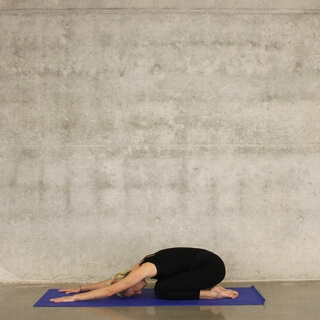








When our bones are properly aligned, muscles and joints function in a balanced, smooth and efficient manner. This prevents injury and releases us from pain. And while good posture is good for the body, it’s also healthy for the mind. Those with good posture report greater vigor, higher self-esteem, better mood, and less fear compared to their hunched over counterparts. Slumped posture is associated with higher recall of negative memories, and less resilience to stress.
Yoga additionally supports postural alignment by protecting bone health. Those who participate regularly in yoga exhibit increased bone density, which prevents and mediates osteoporosis.







Muscular Flexibility and Alignment
Yoga corrects muscular imbalances by asking us to move up and down, side to side, twisting and inverting. Yoga improves flexibility, which supports balanced skeletal alignment for a life less prone to injury and free from pain.







Connective Tissue and Mobility
While flexibility refers to the passive length one group of muscle fibers can achieve, mobility refers to a joint’s ability to move through a full range of motion. Mobility is dependent upon muscular flexibility, but also the health and flexibility of our connective tissue, such as ligaments and tendons.
Our joints need lubrication to successfully bend, roll and move. The old asage, ‘use it or lose it’ is true. When we stop moving, the body stops producing the synovial fluid that lubricates joints and makes movement pain free. Yoga corrects this by inviting movement into our wrists and ankles, elbows and knees, shoulders, hips, and between each vertebra of the spine. Yoga prevents loss of synovial fluid volume as we age, making it an ideal therapy for those with arthritis.






Heart and Lungs
While not normally considered a cardio activity, yoga done properly demands great attention to the breath and lungs. Each pose should be accompanied by full, deep and slow breath. When we use our lungs to their full capacity, something we rarely do, physiological changes occur in the body.
Deep breathing releases endorphins which act as a natural painkiller. Blood flow and blood oxygenation is improved, which increases energy levels and strengthens our immunity. Immunity is further improved as deep breaths stimulate the lymphatic system. Those who breathe deeply have lower blood pH, which reduces inflammation. Breathing deeply calms the mind and improves posture, which makes us feel better.
Diaphragmatic breathing stretches lung tissue which stimulates the vagus nerve. This activates our parasympathetic nervous system, which is responsible for cueing us to calm down. Heart rate and blood pressure drops, and cortical activity increases. Attention, awareness, and memory improve.
For these reasons, yoga is associated with improved quality of life in patients with heart disease. Yoga is also beneficial for the prevention of cardiovascular disease.












Hormones and the Adrenal System
Diaphragmatic breathing also minimizes the release of cortisol, a stress hormone. A calmer, less active stress response improves blood pressure, reduces risk for heart disease and diabetes, and keeps the immune system healthy.
Cortisol is released by the adrenal glands, which are located at the top of each kidney. Certain yoga poses, such as cobra, stimulate this area to reduce cortisol production, while releasing hormones such as testosterone. Testosterone improves bone density, fat distribution and strength.



Yoga’s influence over our hormones includes improved insulin sensitivity and glucose tolerance, which further reduces risk of diabetes. Yoga helps maintain foundational levels of growth hormone and DHEAS. These two hormones promote healthy aging, and reduce the symptoms of perimenopause in women.

Mind and Balance
As yoga improves the health of the body, the health of the mind improves too. Yoga’s influence on the mind is seen in part through improved physical balance. Balance has long been thought of as merely connected to proprioception. However recent studies find balance is dependent upon the timing of neural impulses. Yoga influences body and mind to improve balance in healthy and geriatric populations, and has shown promise in treating those with inner ear disorders.
Yoga’s effect on the mind goes beyond physical balance. As energies of the body become aligned and muscles and fascia are manipulated, we experience a state of emotional balance too.

Body mapping research has found our emotional states are associated with distinct areas of sensation in the body. Feelings differ from emotions in that they are a conscious response to this unconscious and physical emotional reaction.
Traumatic stress or emotions can become stored or trapped in the body through a dissociative process that splits memories into fragments and stores them within the body, versus the brain.
The longer stress or trauma remains in the body, the more it changes the body. Chronic stress or unresolved emotions lead to changes in the brain. Our heart and lungs, immune system, reproductive organs, and blood sugar levels all respond poorly to ongoing stress.









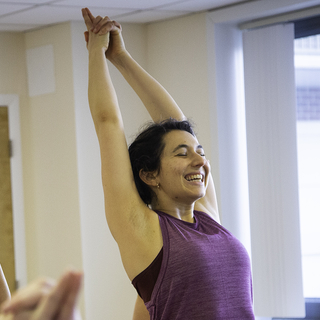

Yoga helps physically release stress and emotions by compressing and stretching the body. Creating space in the body equates to a felt sense of greater spaciousness in the mind, which is perhaps yoga’s greatest gift.


