
The world’s largest free audio library for everyday wellbeing
Real people. Real life. Real time.
Retreat categories
All RetreatsYoga RetreatsWellness RetreatsMeditation RetreatsYoga Teacher TrainingWomen's RetreatsYoga Retreats in BaliYoga Retreats in United KingdomYoga Retreats in AustraliaYoga Retreats in ItalyFind Your Perfect Retreat
Discover transformative Retreats led by Insight Timer's best teachers.Reconnect, recharge, and return renewed.
The world’s largest free audio library for everyday wellbeing
Blog categories
Mental Health and WellbeingTips and GuidesScience and ResearchTraditionSpiritualityAt WorkTop Articles
How to Meditate
Meditation is something everyone can do. Practicing can help improve your health and wellbeing.
Explore MeditationMeditation Timer
Free meditation timer with customizable intervals, bells, and ambient sounds.
Meditation Timer Online
COURSE
Your Mind And Nervous System: Working With Thought And Building Safety (Part 1)
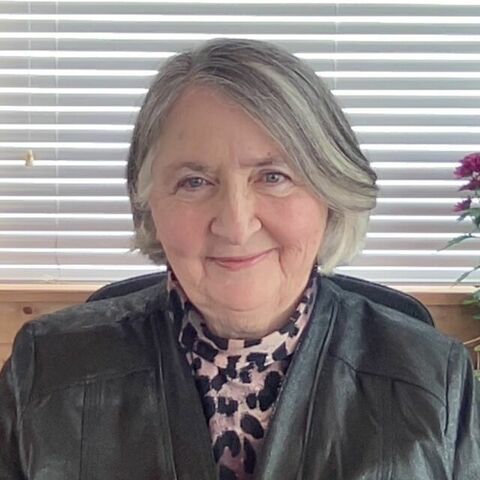
With Lynn Fraser
This audio course offers trauma-informed teaching and embodied practices to support a steadier, kinder relationship with your thoughts and nervous system. Across nine lessons, you will explore how thoughts arise, why anxiety and catastrophic thinking feel so compelling, and how early experiences shape shame, self-criticism, and core beliefs about worth and safety. Each lesson combines clear explanation with gentle, body-based practices that support nervous system regulation and emotional resilience. This course is designed to be listened to in order. You are always welcome to pause, repeat practices, or return to lessons as needed. This is Part 1 of a multi-part series.
Meet your Teacher
read more
9 Days
202 students
4.5 stars
9 min / day
Anxiety
English
4.5 (13)
Recent Reviews
Jen

April 9, 2026
Thank you for your guidance through the steps of somatic inquiry. I recognize in each lesson so many of the things I automatically do that may have been a survival response in the past, but aren’t helpful anymore. In the moment of a trauma response, it can be hard to access tools to help myself. I hope that building a practice of using these tools in calmer moments will help me learn how to apply them in tougher situations. Thank you, Lynn, I appreciate your kind and gentle teachings so very much.
Mary-Lou
March 17, 2026
So much helpful information I can keep going back to
Cindy
March 5, 2026
Blessings of gratitude for this course 🙏
Lyuba
March 5, 2026
The content is fantastic but the speed with which the instructor spoke (kind of sounded like she was reading) was difficult to follow and disorienting at times. Made it hard to focus for me.
Tatyana
February 3, 2026
Amazing course filled with science based practices . Thank you for sharing all this knowledge and your willingness to help people having hard times with regulating their nervous system. Your personal story helps to understand where you are coming from . Thanks you for sharing it and being brave about being vulnerable describing what had caused your PTSD. Much love and gratitude for everything you teach here on IT . ❤️❤️❤️🙏🙏🙏
More from Lynn Fraser

Trusted by 37 million people. It's free.

Get the app


