
The world’s largest free audio library for everyday wellbeing
Real people. Real life. Real time.
Retreat categories
All RetreatsYoga RetreatsWellness RetreatsMeditation RetreatsYoga Teacher TrainingWomen's RetreatsYoga Retreats in BaliYoga Retreats in United KingdomYoga Retreats in AustraliaYoga Retreats in ItalyFind Your Perfect Retreat
Discover transformative Retreats led by Insight Timer's best teachers.Reconnect, recharge, and return renewed.
The world’s largest free audio library for everyday wellbeing
Blog categories
Mental Health and WellbeingTips and GuidesScience and ResearchTraditionSpiritualityAt WorkTop Articles
How to Meditate
Meditation is something everyone can do. Practicing can help improve your health and wellbeing.
Explore MeditationMeditation Timer
Free meditation timer with customizable intervals, bells, and ambient sounds.
Meditation Timer Online
COURSE
Friends With Your Mind: How To Stop Torturing Yourself With Your Thoughts
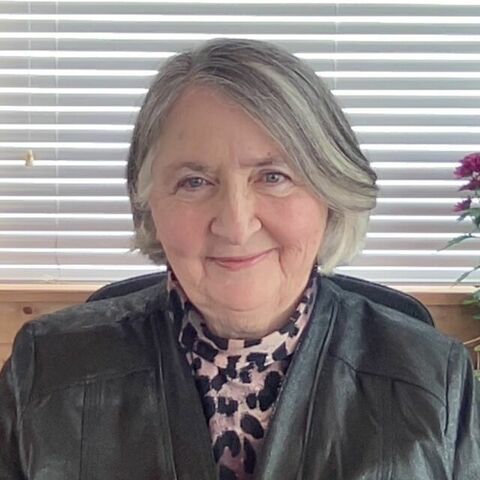
With Lynn Fraser
A hypervigilant nervous system generates most of our catastrophic thought. Learn tools to break the trance of compulsive thinking, become familiar with sensations and energy in your body that make thoughts feel more real, and cultivate patience and kindness. We learn to signal safety to our nervous system through smooth, diaphragmatic breath, softening our body, and calming our mind.
Meet your Teacher
read more
12 Days
12.2k students
4.8 stars
10 min / day
Grounded
English
4.8 (282)
Recent Reviews
Kathy

May 2, 2026
Thank you. This was a powerful course. Learning techniques to help regulate my emotions has been so helpful. Also, suggestions and dialogue on checking in with my younger self is life changing. I will listen again to these lessons. Kathy
Arleen
April 3, 2026
All your work is such a blessing 🙏 Thank you for sharing all your knowledge. You really are a gift to this world ❤️🙏😇
Andy
January 31, 2026
This was the most helpful course I've ever discovered on this site.
Patricia
January 7, 2026
A must listen to for everyone in my opinion. Really helpful for me. It will definitely be helpful in getting me into a calmer place of living.
Martie
May 19, 2025
This was wonderful. I lucked into finding this. Soothing voice, such wisdom. I looked forward every day to next lesson. Thank you!
Adrian
May 8, 2025
Another wonderful course! Thank you! I love the practical advice and the inner child work, and feel aligned with your approach.
Jackie
March 25, 2025
Thank you. That was so helpful, has been so helpful in stepping back from rumination, being aware. Practical and useful tools, a kind voice.
Jeannie
February 25, 2025
You were reassuring and gave me a tool that stops my ruminating instantly. I will practice that tool to have it on autopilot whenever I start ruminating. You talked to me not at me. It was such a novel experience to be talked to and not talked at. My mother thought that shaming me even when I did well, was the special recipe for this child’s success. I would never stop “trying.”She called it “tough love.” It was tough but it wasn’t love. And it was very damaging. I gobbled up this course over two days. I am going to go over it again, maybe multiple times. It really helped. Thank you!!!
Tonya
February 23, 2025
Loved this and her voice is so soothing
Anna
February 16, 2025
Excellent course just like everything that Lynn offers. Very grateful for you!
Anita
January 29, 2025
Thank you! Your content and way of delivering has been tremendously helpful.
Kawena
January 25, 2025
Really a wonderful, deep, healing and soothing course that I'll return to to refresh the skills. Thank you so much.
Yvonne
December 28, 2024
Thank you so much for this course..
Sue
December 6, 2024
Thank you for this course, so many helpful tips and self regulating practices to work with which are immensely helpful and imminently practical.
Jim
December 5, 2024
So wonderful all of your teaching! And you have a peaceful calming voice! I’ll be looking for more of your work! Thank you so much! 🙏
Bridgett
November 21, 2024
Thank you. This helped me immensely
Wilhelm
October 31, 2024
The Best!
✨Sharon✨
October 27, 2024
Thank you.
Nynje
September 24, 2024
Very helpful
Sarah
September 23, 2024
Thank you for this course. I found it practical, engaging and well paced with many helpful insights and tools I can use immediately and hone over time. I'll revisit parts of this in future too. Thank you again. 🙏🦋
More from Lynn Fraser

Trusted by 37 million people. It's free.

Get the app


