
The world’s largest free audio library for everyday wellbeing
Real people. Real life. Real time.
Retreat categories
All RetreatsYoga RetreatsWellness RetreatsMeditation RetreatsYoga Teacher TrainingWomen's RetreatsYoga Retreats in BaliYoga Retreats in United KingdomYoga Retreats in AustraliaYoga Retreats in ItalyFind Your Perfect Retreat
Discover transformative Retreats led by Insight Timer's best teachers.Reconnect, recharge, and return renewed.
The world’s largest free audio library for everyday wellbeing
Blog categories
Mental Health and WellbeingTips and GuidesScience and ResearchTraditionSpiritualityAt WorkTop Articles
How to Meditate
Meditation is something everyone can do. Practicing can help improve your health and wellbeing.
Explore MeditationMeditation Timer
Free meditation timer with customizable intervals, bells, and ambient sounds.
Meditation Timer Online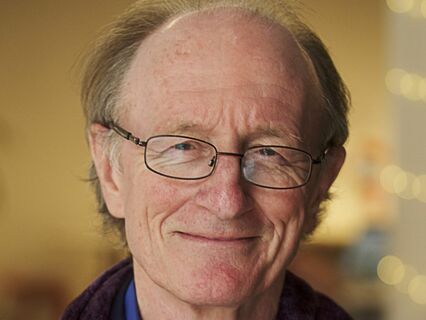
COURSE
12 Guidelines To Develop Or Deepen Your Mindfulness Meditation Practice
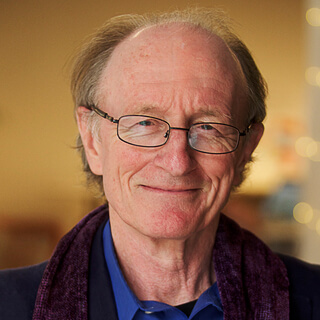
With Hugh Byrne
This course will help you develop a regular mindfulness meditation practice and provide skills and supports to deepen an existing practice. It is designed to support new and experienced practitioners. Key practices that participants will learn include: • Strengthening the power of attention; • Meeting your experience with acceptance and kindness; • Developing a ‘beginner’s mind’; cultivating balanced effort; • Deepening self-compassion and loving-kindness and; • Working with thoughts and challenging emotions
Meet your Teacher
read more
12 Days
3.4k students
5.0 stars
25 min / day
Acceptance
English
5.0 (327)
Recent Reviews
Kathy

September 10, 2026
This course was exceptional. Each day the message had meaning for me and the continuity of each day onto the next increased the impact and made it all a lovely learning event. I’ve listened to Hugh for several years now and can’t stress enough the profound effect his message has had on me. When my husband was ill we’d listen together. As he got progressively sicker he’d say let’s listen to Hugh, Hugh brought him comfort, but in a short time he’d fall asleep and I’d continue to listen. . It’s been two years since his death and I’m still listening and learning. I treasure the poems and have shared with many. Thank you , Hugh.
Kathy
July 14, 2026
Thank you. You are always so thoughtful and self-disciplined, a reminder of kindness.
Dana
May 7, 2026
Substantive course...very useful.
Peter
March 8, 2026
Exceptional.
Joanne
January 14, 2026
Lovely course. Practical, engaging, peaceful.
Lisa
December 16, 2025
A companion to practice that really supports you with practical, caring tips and beautiful guidance. Thank you Hugh 💕🙏
benjamin
August 7, 2025
Life changing!
Ditte
July 30, 2025
Thank you for this profound journey. I have revisited the course several times and been taking notes. I love your courses and live sessions. They are helpful as I take cautious steps to draw upon mindfulness in my work as a college professor. These teachings are so beneficial - especially in these times 🙏 Love how you draw upon poetry. Do you have a reading list anywhere with the poets that most inspire your work?
Sherry
July 28, 2025
Great information and tips. Hughs wonderful gentleness in teaching as well as his deep knowledge allow his words to slip in and find a home at heart center as they process and take root. 🙏🏼
Luigi
July 2, 2025
Fantastic, poetic, inspiring course!
odall
June 25, 2025
Congratulations thank you
Robin
June 3, 2025
Loved this 12 day course. It covers the basics in how to cultivate a strong meditation practice. I appreciate the reminders and really enjoyed it.
Jennifer
May 25, 2025
Thank you, Hugh. This course has helped me through a challenging time. I always find your meditations helpful - and you have helped develop my interest in poetry. Jennifer (Aotearoa, New Zealand)
Laura
May 20, 2025
This is a great course on the ways to strengthen your mindfulness practice. It incorporates such great information and quotes on each guideline and has a meditation and ends with a thoughtful poem. I will be checking out all of Hugh’s other courses and his books. 🪷
Deb
April 24, 2025
Hugh brings lots of tools to his talks and courses. He gathers up his own insights along with others. He brings knowledge and beautiful poems that are well selected for the messages he wants to convey. Sometimes he seems to be reading my mind and speaking about just what I'm experiencing at the time. He does all this with a soothing voice. His caring and concern for others comes through in his teachings.
Sandra
April 10, 2025
well done! I will repeat this course. I looked forward to each next lesson.
Wendy
April 9, 2025
I got a lot out of this course. I’m feeling generally calmer and more focused. Thank you Hugh 😊🙏
Martha
March 28, 2025
I love course. He was so gentle in his teachings and I really appreciate it. I love the structure of the course how each day is introduced and then recap at the end. I love all the poetry included. I’ll certainly be listening to this one over again. So much love and gratitude.
LauraA
February 21, 2025
Excellent class! I need much practice, but know the lessons are worth learning.
Nora
January 26, 2025
This course was enlightening and a wonderful guide along the mindfulness path.

Trusted by 37 million people. It's free.

Get the app


