
Library
The largest free library in the world. Free. No Ads. No AI.
Events
The world’s top experts, live every day
Retreats
Get away with a Teacher
Browse retreatsJoin thousands
Explore a Challenge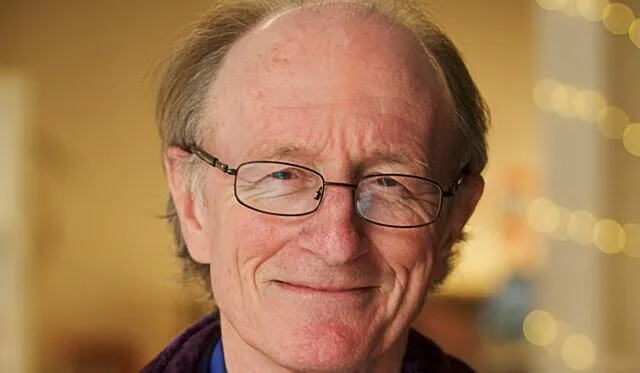
Keys To The Buddha's Central Teachings
With Hugh ByrneThe Buddha's teachings offer the radical potential to end suffering in our lives. He taught a path to abandon painful and afflictive states and cultivate those that lead to the deepest freedom possible in this human life. In this course, we’ll explore the Buddha’s teaching to free the mind and open the heart: This. course on the Four Noble Truths—the Buddha’s teachings on suffering and the end of suffering--will help you 1) understand suffering and the different forms and expressions it takes and recognize and acknowledge when you are experiencing suffering (the first noble truth); 2) understand the cause of suffering--craving--and how clinging to what we want and pushing away what we don't want locks us in suffering and recognizing how, by letting go of craving/clinging--we can experience well-being and freedom (the second noble truth); 3) understand and realize the experience of freedom--Nirvana--that comes from abandoning clinging (the third noble truth); 4) develop the path to the end of suffering--known as the Noble Eightfold Path: a training in living wisely and compassionately, training the mind, and cultivating wisdom. In this six-week course, using the metaphor of a 'key' that allows us to exit from unhelpful states and enter and cultivate beneficial states, we’ll investigate each of these central teachings, how they relate with each other—and how, when wisely cultivated, they lead to the deepest well-being and freedom. Each session will include a period of guided meditation and a talk on the teachings.
The Buddha's teachings on the Four Noble Truths offer the radical potential to end suffering in our lives.
About this course
The Buddha's teachings offer the radical potential to end suffering in our lives. He taught a path to abandon painful and afflictive states and cultivate those that lead to the deepest freedom possible in this human life. In this course, we’ll explore the Buddha’s teaching to free the mind and open the heart: This. course on the Four Noble Truths—the Buddha’s teachings on suffering and the end of suffering--will help you 1) understand suffering and the different forms and expressions it takes and recognize and acknowledge when you are experiencing suffering (the first noble truth); 2) understand the cause of suffering--craving--and how clinging to what we want and pushing away what we don't want locks us in suffering and recognizing how, by letting go of craving/clinging--we can experience well-being and freedom (the second noble truth); 3) understand and realize the experience of freedom--Nirvana--that comes from abandoning clinging (the third noble truth); 4) develop the path to the end of suffering--known as the Noble Eightfold Path: a training in living wisely and compassionately, training the mind, and cultivating wisdom. In this six-week course, using the metaphor of a 'key' that allows us to exit from unhelpful states and enter and cultivate beneficial states, we’ll investigate each of these central teachings, how they relate with each other—and how, when wisely cultivated, they lead to the deepest well-being and freedom. Each session will include a period of guided meditation and a talk on the teachings.
Meet your Teacher
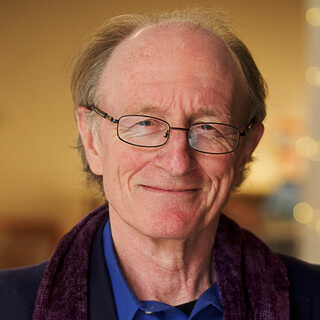
Hugh Byrne has been practicing meditation for three decades and teaching Buddhist meditation and secular mindfulness since 2000. Hugh has many meditations and talks, and three courses on Insight Timer where he has been a teacher since 2016. He has written two books on mindfulness and habit change and leads retreats, workshops, classes and other programs in the United States and internationally. In 2011, Hugh completed a four-year training for meditation retreat teachers led by senior Insight Meditation teachers. He is trained in and teaches Mindfulness-Based Stress Reduction (MBSR) and completed a three-year training in Somatic Experience, a mind-body approach to healing trauma. Hugh has a law degree from London University and a doctorate in political science from UCLA.