
Library
The largest free library in the world. Free. No Ads. No AI.
Events
The world’s top experts, live every day
Retreats
Get away with a Teacher
Browse retreatsJoin thousands
Explore a Challenge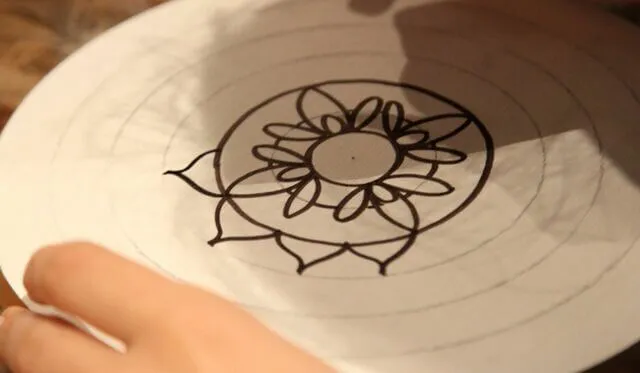
Learn How Mandala Practise Can Reduce Stress And Heal Burnout
With Dee HennessyWelcome to mandalas which are an ancient form of meditative art. Simply put, the mandala is a design that draws your eye towards its centre, which focuses your mind on the present moment and opens up your heart. Within our fast-paced society, we are often in our minds rather than in our hearts - often keeping us on high stress alert and cut off from our own inner calm. Once you begin to practise mandala your centre will begin to shift from your mind and into your heart, and you will find the mandala practise relaxing your mind, body and spirit. The first thing you should know is that creating a mandala requires no previous experience or innate artistic talent. Using mandalas as a tool for self-reflection and personal empowerment is a practice that has its roots in various cultures and spiritual traditions, most notably in Hinduism and Buddhism. A mandala is a geometric pattern that represents the universe and serves as a sacred symbol in these traditions. However, the use of mandalas has transcended cultural and religious boundaries and has become popular in modern therapeutic and psychological settings. The act of creating or contemplating mandalas can have profound effects on your mental, emotional, and spiritual well-being. In this course we invite a special focus on self compassion as we intentionally focus on reducing stress and healing from or preventing burnout.
Connecting with ancient wisdom and coming home to your own inner calm with the gentle, healing practise of mandala
About this course
Welcome to mandalas which are an ancient form of meditative art. Simply put, the mandala is a design that draws your eye towards its centre, which focuses your mind on the present moment and opens up your heart. Within our fast-paced society, we are often in our minds rather than in our hearts - often keeping us on high stress alert and cut off from our own inner calm. Once you begin to practise mandala your centre will begin to shift from your mind and into your heart, and you will find the mandala practise relaxing your mind, body and spirit. The first thing you should know is that creating a mandala requires no previous experience or innate artistic talent. Using mandalas as a tool for self-reflection and personal empowerment is a practice that has its roots in various cultures and spiritual traditions, most notably in Hinduism and Buddhism. A mandala is a geometric pattern that represents the universe and serves as a sacred symbol in these traditions. However, the use of mandalas has transcended cultural and religious boundaries and has become popular in modern therapeutic and psychological settings. The act of creating or contemplating mandalas can have profound effects on your mental, emotional, and spiritual well-being. In this course we invite a special focus on self compassion as we intentionally focus on reducing stress and healing from or preventing burnout.
Meet your Teacher
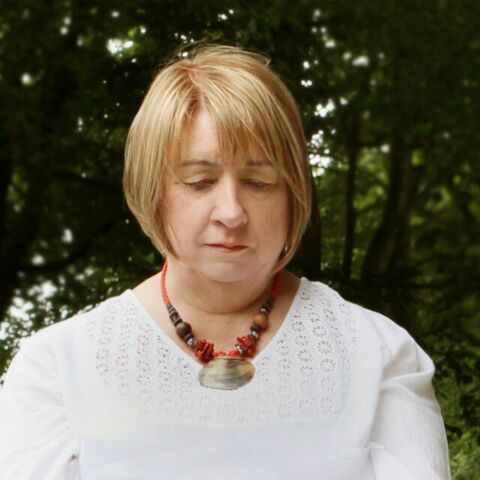
Dee is senior Mindfulness Teacher, Anam Cara (Spiritual Guide,) Wisdom Supervisor and Resilience Coach. Living in rural Ireland, she loves her work in supporting often over-busy and hyper-connected 21st-century women deepen their capacity to pause, to rest, to prevent or recover from burnout, and to blossom. Dee has developed two gold-standard programmes, Wisdom's Garden Resilience and Leadership Academy, and Blossom, for women who want to develop exquisite self-care and resilient leadership skills. She has designed and delivered many healing retreats drawing inspiration from the ancient practise of Mandala which she shares here as a guide for your own gentle return to inner calm and peace.