
The world’s largest free audio library for everyday wellbeing
Real people. Real life. Real time.
Retreat categories
All RetreatsYoga RetreatsWellness RetreatsMeditation RetreatsYoga Teacher TrainingWomen's RetreatsYoga Retreats in BaliYoga Retreats in United KingdomYoga Retreats in AustraliaYoga Retreats in ItalyFind Your Perfect Retreat
Discover transformative Retreats led by Insight Timer's best teachers.Reconnect, recharge, and return renewed.
The world’s largest free audio library for everyday wellbeing
Blog categories
Mental Health and WellbeingTips and GuidesScience and ResearchTraditionSpiritualityAt WorkTop Articles
How to Meditate
Meditation is something everyone can do. Practicing can help improve your health and wellbeing.
Explore MeditationMeditation Timer
Free meditation timer with customizable intervals, bells, and ambient sounds.
Meditation Timer Online
COURSE
Taoist Principles For A Prosperous Life
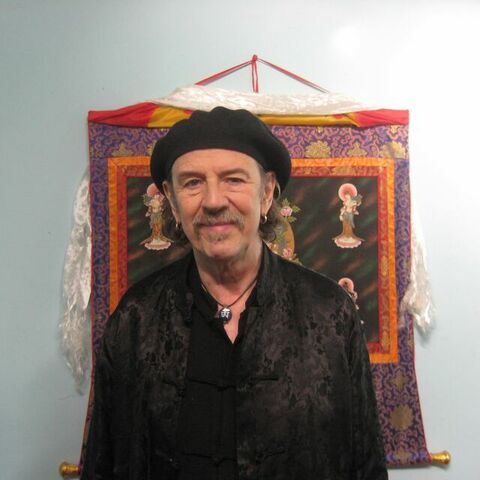
With Solala Towler
Taoism (Daoism) is a 5,000 year-old spiritual path from China. This course will cover the nine main principles of Taoism and how we can apply them to our own lives in the 21st century. Taoism teaches us how we can use the intrinsic and powerful energy of our bodies—our qi—in order to enhance and further ourselves as spiritual beings. Discover how Taoist principles can enhance your emotional and psychological wellbeing, achieve a state of wholeness, live a vibrant and purposeful life, and ultimately connect to source; the Divine or Tao.
Meet your Teacher
read more
10 Days
11.5k students
4.9 stars
13 min / day
Wisdom
English
Ask your teacher
This course includes 121 community questions and 33 audio replies from Solala Towler. The community classroom and teacher audio replies are only available via the app.
4.9 (1398)
Recent Reviews
Ana

June 15, 2026
I’m a beginner in the world of Dao and this course was perfect for me. So many teachings and knowledge I will keep for life.
Bryan
May 24, 2026
Very solid course. A great teacher and all the subjects well explained. 🙏☯️
JENNIFER
February 26, 2026
Excellent course🙏✨
Colin
February 23, 2026
Thank you - As someone returning to meditation and mindfulness this has been a lovely introduction to Taoism
Christine
January 26, 2026
I love the connection between the mind and the natural world in daoism. A wonderful intro to the philosophy. Thank you!
Judith
December 30, 2025
Wonderful introduction to Taoist principles. I look forward to learning more.
Chanti
December 19, 2025
A phenomenal course! A blend of stories, passages from key texts, and the teacher’s commentary and reflections. I loved every minute!
Bi
October 19, 2025
Thank you so much, Solala, for sharing with us these drops of pure essence!
Rebecca
October 10, 2025
Thank you for this wonderful course! You make every principle of Daoism come to life. I enjoy all of your courses, talks and meditations! 🙏🙏
Zak
September 7, 2025
Amazing. So many great lessons.
Kate
July 22, 2025
Thank you 🙏
Mark
June 11, 2025
The beßt course of many here at Insight.
Nicole
June 2, 2025
A wonderful course, with principles of Taoism explain so well 🌈
Jennifer
April 22, 2025
Really really really really really good. Thank you for sharing
Sara
April 5, 2025
Really enjoyed this, I will listen to again and put onto practice.
Richard
January 7, 2025
Thank you for this teaching. I absolutely loved this course and learned so much from it. Where I live in Liverpool UK, finding a daoist teacher is proving difficult.. So far, I have acquired my knowledge mainly from books. I will now continue to put in practice what I have learned. I can not recommend this course highly enough
Faith
January 5, 2025
Great & Well-structured introduction to Taoism. Thank you!
William
December 16, 2024
Wonder-ful course, grateful for the insights it enables!
Tim
December 16, 2024
Amazing course I leant so much
Dominique
November 29, 2024
Beautiful course and deep teachings. I have learned much and will return.
More from Solala Towler

Trusted by 37 million people. It's free.

Get the app


