
The world’s largest free audio library for everyday wellbeing
Real people. Real life. Real time.
Retreat categories
All RetreatsYoga RetreatsWellness RetreatsMeditation RetreatsYoga Teacher TrainingWomen's RetreatsYoga Retreats in BaliYoga Retreats in United KingdomYoga Retreats in AustraliaYoga Retreats in ItalyFind Your Perfect Retreat
Discover transformative Retreats led by Insight Timer's best teachers.Reconnect, recharge, and return renewed.
The world’s largest free audio library for everyday wellbeing
Blog categories
Mental Health and WellbeingTips and GuidesScience and ResearchTraditionSpiritualityAt WorkTop Articles
How to Meditate
Meditation is something everyone can do. Practicing can help improve your health and wellbeing.
Explore MeditationMeditation Timer
Free meditation timer with customizable intervals, bells, and ambient sounds.
Meditation Timer Online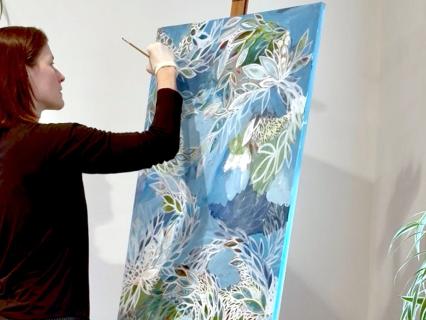
COURSE
Abstract Painting As Visual Language
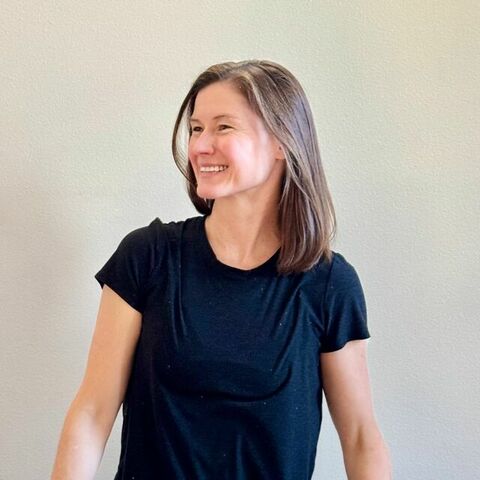
With Kristen Phillips
This course explores how Wassily Kandinsky, Mark Rothko, Agnes Martin, Hilma af Klint, and Sonia Delaunay each developed a visual language and guides you to experiment with finding your own. Each lesson pairs a short art history conversation with a guided practice inspired by that painter's approach. You'll work with color as vibration, emotional field, repetition, intuitive symbol, and rhythm. Not to paint like any of them, but to find out what happens when you try each approach with your own hand. A sixth integration session brings everything together and asks what you've begun to discover about your own visual language. Because this is an audio-only course, your imagination does the work a screen can't. You build the painting in your mind before your hand responds and allow curiosity and experimentation to lead the way. By the end, you'll have five practices to return to and the beginning of a visual language that's distinctly yours. Music sourced from MusOpen and Wikimedia Commons.
Meet your Teacher
read more
6 Days
0 students
No ratings
16 min / day
Creativity
English
More from Kristen Phillips

Trusted by 36 million people. It's free.

Get the app


