
The world’s largest free audio library for everyday wellbeing
Real people. Real life. Real time.
Retreat categories
All RetreatsYoga RetreatsWellness RetreatsMeditation RetreatsYoga Teacher TrainingWomen's RetreatsYoga Retreats in BaliYoga Retreats in United KingdomYoga Retreats in AustraliaYoga Retreats in ItalyFind Your Perfect Retreat
Discover transformative Retreats led by Insight Timer's best teachers.Reconnect, recharge, and return renewed.
The world’s largest free audio library for everyday wellbeing
Blog categories
Mental Health and WellbeingTips and GuidesScience and ResearchTraditionSpiritualityAt WorkTop Articles
How to Meditate
Meditation is something everyone can do. Practicing can help improve your health and wellbeing.
Explore MeditationMeditation Timer
Free meditation timer with customizable intervals, bells, and ambient sounds.
Meditation Timer Online
COURSE
How To Breathe During A Qigong Practice - Module 1
In this course, we will explore and practise a range of breathing techniques used in YOQI® qigong flows and meditations. How you breathe during practice is deeply important, as the breath helps guide the flow of qi (energy) throughout the body. 氣 - is the traditional Mandarin character for qi. It contains the words breath, vapour, rice, and air. The character can be translated as "steam rising off (cooked) rice". This beautiful, sweet steam is nourishment, it is life force energy, and so is the breath. The word qi in Chinese is used interchangeably to mean life force and life breath. Throughout the course, each lesson will focus in depth on one specific breathing technique. Every method offers its own unique benefits and stands as a complete practice in itself. By learning all three techniques, you will build a strong foundation in breathwork, supporting you to participate confidently in a wide range of YOQI® qigong classes and guided meditations.
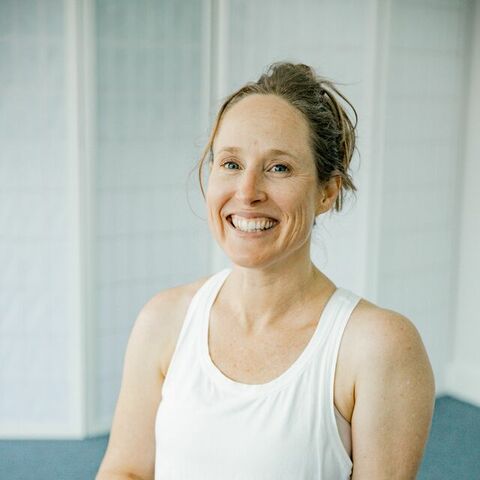
Meet your Teacher
read more
3 Days
21 students
5.0 stars
10 min / day
Focus
English
5.0 (2)
Recent Reviews
Cricket

August 11, 2026
Thank you.
More from Freya Bennett-Overstall
Trusted by 37 million people. It's free.

Get the app


