
The world’s largest free audio library for everyday wellbeing
Real people. Real life. Real time.
Retreat categories
All RetreatsYoga RetreatsWellness RetreatsMeditation RetreatsYoga Teacher TrainingWomen's RetreatsYoga Retreats in BaliYoga Retreats in United KingdomYoga Retreats in AustraliaYoga Retreats in ItalyFind Your Perfect Retreat
Discover transformative Retreats led by Insight Timer's best teachers.Reconnect, recharge, and return renewed.
The world’s largest free audio library for everyday wellbeing
Blog categories
Mental Health and WellbeingTips and GuidesScience and ResearchTraditionSpiritualityAt WorkTop Articles
How to Meditate
Meditation is something everyone can do. Practicing can help improve your health and wellbeing.
Explore MeditationMeditation Timer
Free meditation timer with customizable intervals, bells, and ambient sounds.
Meditation Timer Online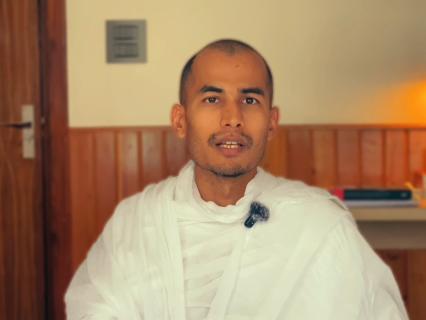
COURSE
See How Your Mind Works — From The Inside
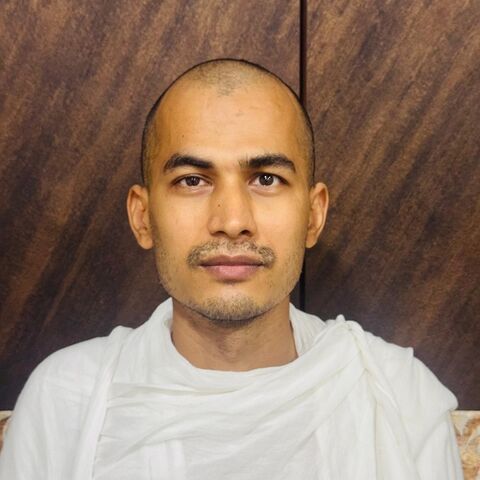
With Mahaprana
Most people live entirely inside their thoughts — without ever stepping back to observe how thinking actually works. Where does a thought come from? Why does one thought automatically trigger another? What exists in the gap before a thought forms? And what remains when thinking briefly stops? This course trains direct observation of the mind itself — not to calm it, control it, or improve it, but to see it clearly for the first time. Across four progressive practices, you will learn to intercept the exact moment a thought appears and observe the silence that precedes it, interrupt the automatic chains of associative thinking before they spiral into anxiety or rumination, experience the effort and compulsion revealed when you attempt even ten seconds of non-thinking, and rest in open awareness with no goal, no control, and no mental occupation — discovering that awareness remains even when activity stops. This is not a belief system. There is nothing to adopt, accept, or memorize. It is a direct observational training — simple in method, but profound in what it reveals about the nature of mind, identity, and the awareness that quietly underlies all mental movement. Who this course is for: Anyone experiencing overthinking, mental exhaustion, anxiety loops, or compulsive mental narration — as well as meditators, therapists, and contemplative practitioners seeking a deeper understanding of consciousness itself. Thought is not who you are. This course helps you experience the difference.
Meet your Teacher
read more
4 Days
18 students
5.0 stars
4 min / day
Clarity
English
5.0 (3)
Recent Reviews
Ann

June 13, 2026
Thank you for sharing these practices. I really feel that doing these practices will shift my experience of overthinking.
Tetiana
June 10, 2026
Such a good and important self observation and knowledge I got about my mind. Thank you 🙏


