There are 100 different styles of meditation and i know that it can be overwhelming to start and even just to know which one is the right one for me so in this video i'm going to give you clarity on the only two different types of meditation styles that you should be aware of and you should be focusing on.
So let's get into the video.
So I also want to say that these are not modern styles or modern techniques.
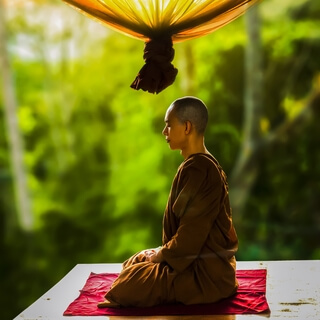
This is coming from older traditions such as Buddhism.
And this one is mainly coming from Buddhist philosophy,
Buddhist tradition,
Buddhist meditation style.
So the first one that we have,
It's called concentration meditation,
Or sometimes we also call it shamatha practice.
You can also call this as more of a passive style of meditation,
Because in this style of meditation,
We are not necessarily doing things.
For example,
When you do some form of mindfulness meditation.
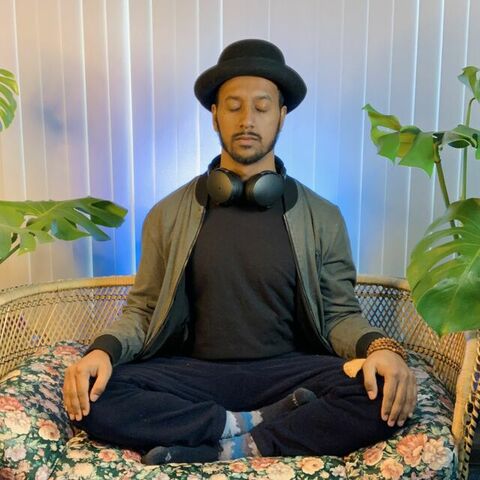
So right now you're sitting in your practice.
You're not trying to control things.
You're not trying to create or generate a thought.
You're simply observing.
Maybe you're observing your breathing.
Now,
In this style of meditation,
What you learn is that how to calm your ego.
Our main intention,
One of the main things that we do with concentration meditation is we're learning our ego,
About our ego,
How it is trying to put us into the survival mode,
Right?
So when you probably have done some form of mindfulness practice,
You know that when you observe your mind,
You observe your breathing,
How your mind is so active,
It's trying to tell you that do this,
You know,
Don't meditate,
Don't sit down,
Do something else,
Right?
So that becomes our concentration meditation and as I said some of the examples can be you are focusing on your breathing you're simply observing right now we are just coming from a place of open awareness we are not trying to change anything now let's talk about the second one now the second one is called analytical meditation now in buddhism we call it vipassana or vipassana depending upon the tradition And you can see that as more of an active form of meditation.
The previous one,
The concentration one,
Is more passive.
This is more active.
Now this is where we are gaining insight.
Insight about ourselves and insight about reality,
Insight about life.
Some of the examples that you can think of is maybe doing some form of a gratitude practice.
Analytical,
Some form of loving kindness meditation,
Any kind of manifestation practice.
We do a lot of visualization.
So all of that is analytical meditation because we are trying to gain insight.
But now here's the trick.
A lot of the time what I see and in my experience what I've noticed is that most people do the analytical style of meditation and the reason is simple.
All the meditation that we see on multiple platforms are More for like anxiety or relaxation and in my experience in my teaching experience What I have noticed is that a lot of us are using meditation as a form of relaxation But meditation is way more than that,
Right?
So that's why the analytical meditation is something that most people do and when we miss the concentration meditation,
When we don't really train our awareness,
Our concentration,
Our focus.
We are saying that,
You know,
We want to build a house,
But we don't want to have a strong foundation.
So that's why it's very,
Very important.
To have a really strong foundation because once you have a really strong foundation you can build anything on top of it.
For example,
Once you learn about your patterns,
Once you know that You have the awareness about yourself.
Now you know that what you want,
Right?
Because what this does is it increases your intuition.
It increases your focus.
It also helps you to not become reactive to reality.
And when we do that.
Now,
With that information,
With that insight,
Now we come into the analytical style.
This is just something that I wanted to share with you all.
I hope that this was helpful and I'm sending you so much love and light.