Thanks for tuning in,
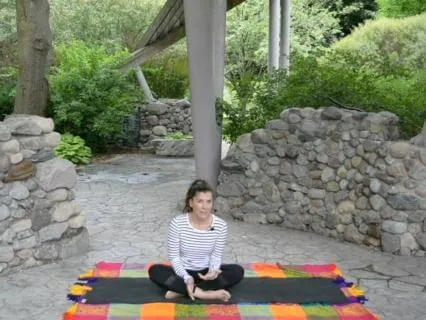
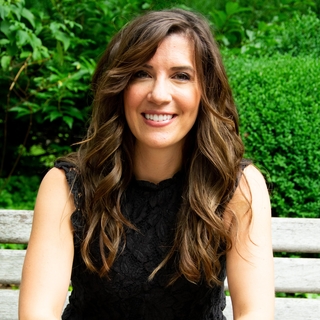
It's Megan here and I'm leading you through your next yoga series.
And for this series,
We're exploring this idea that the body truly does have your back.
And I know for myself,
Throughout my healing process with trauma,
That this is a really hard one for me to sink my teeth into.
Because often times I've felt completely disconnected from my body.
It's actually like it's been betrayed.
Taking a moment to think about.
What are your triggers?
And when you feel triggered,
What are the body sensations or cues that emerge to the Feel a little foreign.
So for me,
I know when my face goes bright red or.
.
.
I get sick a little bit easier,
Maybe have an unexpected or.
Headache that seems to last far too long.
Those are often body cues for me that tell me I need to pay attention.
This may or may not ring true for you,
But just thinking about what body cues might you notice the next time you're triggered?
Telling you that it's time to slow down,
To reconnect,
And to pay attention.
I also want you to think about this idea that when we are triggered,
There typically is a thought that follows.
This usually is a self-criticism or judgment.
You're frustrated or annoyed that you're feeling the way you feel.
And what is the way that this shows up physically for you?
So for myself,
When I'm feeling that lack of confidence or insecurity,
I tend to make myself really small.
My shoulders draw inward,
My head is typically down,
I avoid eye contact with people.
Alternatively,
When I'm feeling good about myself or particularly happy.
I notice that my spine is a little bit taller,
My shoulders draw back.
It's almost as if I'm leading with the heart.
And so the next time you are out and about.
And you notice your postures in a specific way.
How is that linked to what's going on for you emotionally?
And so this is the idea that we're exploring throughout the next series of lessons.
Is paying attention to the body,
Noticing the cues,
The messages that it's sending us.
And seeing if we might be able to even just for a moment Accept the idea that the body is always working to bring us into balance.
So let's get ready.
As we get ready for our next yoga series,
The invitation is to start in a standing mountain position.
If you're not comfortable,
You're welcome to do this seated in a chair or on the floor,
Whichever is most comfortable for you.
As you prepare for Standing Mountain,
If you'd like,
Take a moment to rock back and forth from the front of the feet all the way to the heels and ankles.
Just a gentle swaying motion to feel all the edges and all the spaces of the feet connecting to a solid surface.
Whenever you feel ready,
Finding your way into a neutral,
Equal balance stance where you don't feel like one foot is taking more weight than the other.
Much like the base of a mountain is really strong,
We're going to begin to feel that strength through our base.
So as you're ready,
Gently drawing some energy up through the soles of the feet.
If you'd like,
You can lift the kneecaps up towards the thighs.
And notice what it feels like to bring a slight inward rotation of the thighs.
Perhaps you notice what it feels like to draw the belly button in towards the spine.
Mimicking the sensation of feeling solid and firm.
And just noticing what that feels like for you.
Some days it feels a lot easier than others.
See if you might be able to draw the shoulders away from the ears just a little bit more.
And lead with the heart.
What do you notice as you come to stand in your mountain pose?
Remembering there's no right or wrong sensation to feel.
We're just paying attention exactly as the moment's unfolding.
Starting with a simple breath technique,
We're going to match the breath with some arm movements and it looks like this.
On our next inhale,
We reach the arms high to the sky and as we exhale,
We twist to one side,
Draw one arm across the body and the other across the back.
We go back in the inhale with the arms up and then twist to the opposite side.
So whenever you're ready.
Let's begin.
Let's inhale the arms up to the sky,
Exhale down and away.
Inhale,
High to the sky.
Exhale,
Twist.
Opposite direction.
Inhale.
And exhale.
Inhale and exhale and you get to determine how fast the pace is here how quick you want the in-breath and the out-breath to be Perhaps you spend a little more time.
In each.
And just on your own time coming into your own natural rhythm of in-breath and out-breath.
And whenever you feel ready just drawing the arms down to the sides and finding your way back into your standing mountain.
Whenever you're ready,
We're moving now to a side body stretch.
So taking a moment to find your comfortable mountain position.
And if you'd like,
On your next inhale,
Reaching the hands above head.
You're welcome to interlace the fingers or reach one hand around the wrist,
Whatever feels most comfortable,
Even taking the hands together.
We're going to come up and over top to one side.
Imagining that there's a big beach ball that we're coming up and over top.
So we're not crunching down at the side We're lifting through the hips and coming up and over You get to decide how far you want to bend.
And if you'd like,
You can also experiment with what it feels like to take the bottom arm down to the leg,
Reaching the fingertips a little further.
Stay here as long as it's comfortable and as you wish,
You can bring the hands back.
And come up and over to the opposite side.
Again,
Choosing the variation that feels best for you in this moment.
And remembering to draw the breath in and draw the breath out.
Not uncommon too.
Hold on to the breath.
So just paying attention to the natural flow.
You're welcome to rotate side to side as much as you'd like.
And you get to choose the pace.
And whenever you feel ready,
Finding your way back into your standing mountain position.
Moving now to our first forward fold.
If you'd like you can take the hands to the hips.
Just notice what it feels like to spread the legs a little bit wider,
Maybe hip width or just slightly further than that.
On your next exhale,
We're going to begin to hinge forward from the hips.
When you reach about halfway,
Experiment with what it feels like to release the hands towards the mat.
Just allowing them to dangle wherever gravity intends them to.
Remembering that there's no place you need to get to.
It doesn't matter if the hands don't reach the floor or not.
And what do you notice in this sensation?
Just checking in with the sensation of the neck.
What does it feel like to perhaps give a little yes or a little no?
To soften through the neck.
If you'd like,
You can also experiment with taking the tailbone a little higher to the sky.
And drawing the chest and torso towards the top of the thighs.
And it's not uncommon as we hold.
Position like this for a little bit longer.
To notice if sensations increase in intensity.
Remembering that you get to choose if you need to ease off and come out of this in any way.
It's your choice.
Gently finding your breath.
And just noticing all of the sensations that come up.
A forward fold is an excellent position to come to when we notice any racing thoughts or anxious thoughts in our mind.
When the head is below the heart.
We're actually drawing more blood towards the head.
I like to call it a little bit of brainwashing as well.
And if you'd like,
Whenever you're ready,
Take as much bend to the knees as you'd like,
Slowly beginning to roll up.
One vertebrae at a time.
Take this a little bit slower than you'd like.
And as you start to come to a standing position,
Allow that movement to fully settle into the body.
You can stay here as long as you'd like.
Make sure you take a couple more deep breaths as it's not uncommon to feel a little bit light-headed after a forward fold.
And as you're ready,
Bringing the hands back to the hips if you're comfortable or keeping them at your sides,
We're going to begin to widen the stance a little bit further.
You can take the legs as wide as you wish.
There's no right or wrong way.
Just choosing whatever feels most comfortable for you.
And when you feel sturdy,
Gently bringing the arms straight out into what I call star position.
And notice what it feels like through the arms and shoulders to reach the arms in either direction.
Perhaps you want to experiment with taking the fingertips just a millimeter out to the sides more.
Or maybe you need to ease off a little bit.
Whatever feels most comfortable.
Going to begin to do some slight swaying motions and matching them to the breath as well.
So when we're center,
Which is in this position,
We take a long breath in.
As we exhale,
We're going to twist to one side,
Doesn't matter which one.
But keep the arms extended.
You might experiment with what it feels like to keep the belly button engaged and tucked towards the spine.
But again,
Going at your own pace.
Coming back on an inhale.
And exhale opposite side.
Inhale.
.
.
Exhale.
Inhale.
Exhale.
Inhale.
Exhale.
Inhale and exhale.
Continue the motion as much as you're comfortable.
You don't have to stop until you're ready.
Just noticing any of the sensations coming up throughout the body.
And when you're ready,
Gently taking the arms to the sides and just allowing that movement to settle in.
Keeping the legs exactly where they are.
The invitation now is to bring the hands back to the hips.
We did a forward fold before,
And now we're going to move into a wide-legged forward fold.
If you wish to do the original forward fold,
You're welcome to do that as well.
When you're ready,
Gently hinging forward from the hips.
And when you reach about halfway,
Drawing the hands down towards the mat.
Again,
Allowing them to settle wherever gravity intends them to.
There's no end point.
There's no finish line.
Just whatever comes up and is comfortable for you right now.
Take a moment to draw the attention to the neck again.
Perhaps you want to experiment with the little yes back and forth or little no side to side.
Notice where this sensation comes up in the body.
Remembering that if you need to make any adjustments so that you feel more comfortable.
Listen to your body and choose that.
You can continue staying exactly where you are.
If you'd like to add in a different variation,
The choice is yours.
If you'd like,
You can extend the arms up and around the back.
So that the fingers interlace.
If you're comfortable with it,
You can reach the hands up towards the ceiling.
And lengthen through the arms.
Notice how that changes the sensation in the body.
You may feel this in the shoulders or the upper chest.
Or you may not feel anything at all.
Remember,
There's no right or wrong.
Wherever you find yourself in your wide-legged forward fold.
Whenever you're ready gently bringing the hands right back to the hips Taking a moment here to draw a big breath into the body and at the same time,
When you're ready,
Bringing a bend to the knees.
Very slowly.
Lifting the body up one vertebrae at a time remembering the flow of breath.
As you come all the way back to standing.
Have a little fun here and on your own time,
Heel toe,
Heel toe,
The feet all the way back towards each other.
Gently bringing yourself back to your standing mountain position.
The invitation here is to gently bring the eyes to a close or direct the gaze downwards off the tip of the nose.
If you'd like,
Take a couple of moments to.
.
.
Pay attention to the breath as it comes into the body and as it leaves the body.
What do you notice?
That may feel a little bit different than when you began.
Remembering there's no right or wrong.
Or there's no sensation that you have to feel or shouldn't feel.
Paying attention to the moment as it's unfolding.
And as we end this series.
I invite you to think about.
.
.
The Mountain Pose.
Where throughout your day can you bring a little more strength and stability to your stance?
I wish you an amazing day ahead.
Thank you for tuning in with me.