
The world’s largest free audio library for everyday wellbeing
Real people. Real life. Real time.
Retreat categories
All RetreatsYoga RetreatsWellness RetreatsMeditation RetreatsYoga Teacher TrainingWomen's RetreatsYoga Retreats in BaliYoga Retreats in United KingdomYoga Retreats in AustraliaYoga Retreats in ItalyFind Your Perfect Retreat
Discover transformative Retreats led by Insight Timer's best teachers.Reconnect, recharge, and return renewed.
The world’s largest free audio library for everyday wellbeing
Blog categories
Mental Health and WellbeingTips and GuidesScience and ResearchTraditionSpiritualityAt WorkTop Articles
How to Meditate
Meditation is something everyone can do. Practicing can help improve your health and wellbeing.
Explore MeditationMeditation Timer
Free meditation timer with customizable intervals, bells, and ambient sounds.
Meditation Timer Online
COURSE
The Healing Power Of Your Own Touch: Reconnecting With Your Body
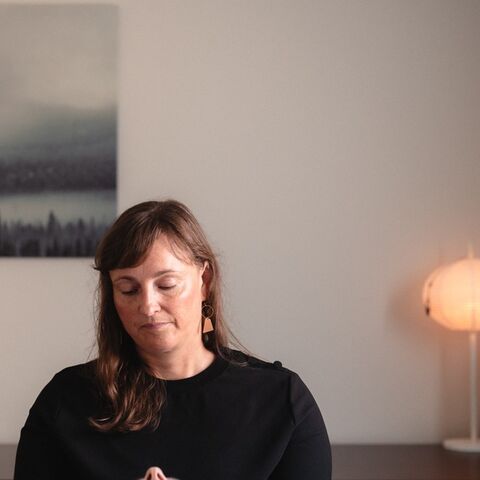
With Teresa McLean
Many people feel disconnected from their body after experiences of stress, trauma, or sensory overwhelm. This course explores how gentle, supportive touch can help restore body awareness, calm the nervous system, and reconnect you with your body’s natural capacity for self-healing. Long before we learn techniques or seek professional care, humans instinctively use touch to comfort the body. A child who falls places their hand on the hurt. A loved one offers a steady hand on the shoulder. The body understands contact as reassurance and safety. But over time, many of us learn to override the signals our body sends. We push through discomfort, avoid vulnerable areas, or disconnect from sensation altogether. In this course, we gently return to something simple and powerful: the wisdom of our own touch. Drawing on decades of hands-on healing work and nervous system awareness, Teresa McLean offers a grounded exploration of how compassionate contact can help the body feel safe again. Together we explore: • why the body sometimes stops communicating clearly • how trauma and stress can occupy the body’s healing resources • how gentle touch can calm the nervous system • why sensitive and neurodivergent people often experience body signals more intensely • how to slowly relearn the language of your body This course is not about fixing yourself. It is about remembering that your body already carries deep intelligence — and learning how to listen again.
Meet your Teacher
read more
6 Days
57 students
4.8 stars
12 min / day
Happiness
English
4.8 (6)
Recent Reviews
Verónica

April 28, 2026
Thank you!!!!
ilinca
April 6, 2026
Very beautiful course. Kind and validating 🪷 Thank you for creating it 🙏
More from Teresa McLean

Trusted by 37 million people. It's free.

Get the app


