
How To Manage ADHD From An ADHD'ers Perspective
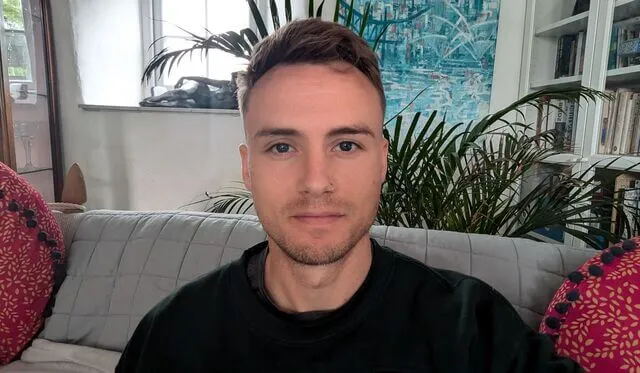
With Nathan WilliamsAs someone with ADHD, I believe it's incredibly important to raise awareness and deepen understanding. Whether you have ADHD yourself or know someone who does, learning more about what it truly means can make a world of difference. I was diagnosed at 33, and for much of my life, I didn’t fully understand what it meant to be me. ADHD isn’t just a diagnosis—it's a different way of experiencing the world. I don’t see it as a disorder, but rather as a unique form of neurological wiring. And once I began to understand it, I finally began to understand myself. That’s why I want to share what I’ve learned—so that you can better support yourself or someone you care about. Greater awareness leads to greater empathy, and ultimately, more love and acceptance for people with ADHD. It’s often said that individuals with ADHD receive up to 20,000 more negative messages by adulthood than their neurotypical peers. This constant criticism can deeply impact self-esteem and confidence. But in a supportive, compassionate environment, we can not only cope—we can thrive. We can rewrite the narrative into one of self-understanding, self-compassion, and self-love. In this course, we’ll explore some of the key emotional and cognitive aspects of ADHD, including emotional dysregulation, rejection sensitive dysphoria, and challenges with working memory. We’ll also celebrate the unique strengths—what some even call superpowers—that often come with the ADHD experience. Along the way, I’ll be sharing personal insights and offering emotional support for those navigating ADHD themselves, as well as for those who are supporting someone they care about. At the heart of it all is a message of self-love—because understanding ADHD is not just about managing challenges, but about embracing the whole of who you are. Let’s spread awareness. Let’s spread love.
Gain a better understanding of what it means to have ADHD from the perspective of a diagnosed person.
About this course
As someone with ADHD, I believe it's incredibly important to raise awareness and deepen understanding. Whether you have ADHD yourself or know someone who does, learning more about what it truly means can make a world of difference. I was diagnosed at 33, and for much of my life, I didn’t fully understand what it meant to be me. ADHD isn’t just a diagnosis—it's a different way of experiencing the world. I don’t see it as a disorder, but rather as a unique form of neurological wiring. And once I began to understand it, I finally began to understand myself. That’s why I want to share what I’ve learned—so that you can better support yourself or someone you care about. Greater awareness leads to greater empathy, and ultimately, more love and acceptance for people with ADHD. It’s often said that individuals with ADHD receive up to 20,000 more negative messages by adulthood than their neurotypical peers. This constant criticism can deeply impact self-esteem and confidence. But in a supportive, compassionate environment, we can not only cope—we can thrive. We can rewrite the narrative into one of self-understanding, self-compassion, and self-love. In this course, we’ll explore some of the key emotional and cognitive aspects of ADHD, including emotional dysregulation, rejection sensitive dysphoria, and challenges with working memory. We’ll also celebrate the unique strengths—what some even call superpowers—that often come with the ADHD experience. Along the way, I’ll be sharing personal insights and offering emotional support for those navigating ADHD themselves, as well as for those who are supporting someone they care about. At the heart of it all is a message of self-love—because understanding ADHD is not just about managing challenges, but about embracing the whole of who you are. Let’s spread awareness. Let’s spread love.
Meet your Teacher
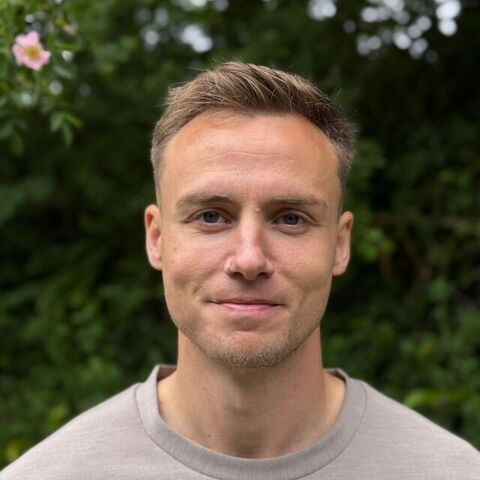
Nathan was diagnosed with ADHD at the age of 33 and wants to share his experience of being late diagnosed and how ADHD has affected him in various ways. He has completed an honours degree in Health & Fitness and has been creating meditations and mindfulness content independently for around 10 years.