We live in a world of constant distraction,
Lots of stress,
Chronic poor sleep.
A lot of us are running on empty,
We're wired but tired,
The brain is busy-busy,
The mind is busy and the body is exhausted.
Yoga Nidra meditation has been built,
It would seem,
Exactly for that.
Can help reduce stress.
It can help restore energy and it can help provide great emotional balance.
So it's based on the ancient Indian traditions of meditation and yet it's really accessible for any of us today.
It's used all over the world in schools and hospitals and sleep programs.
And so basically it is a guided meditation practice,
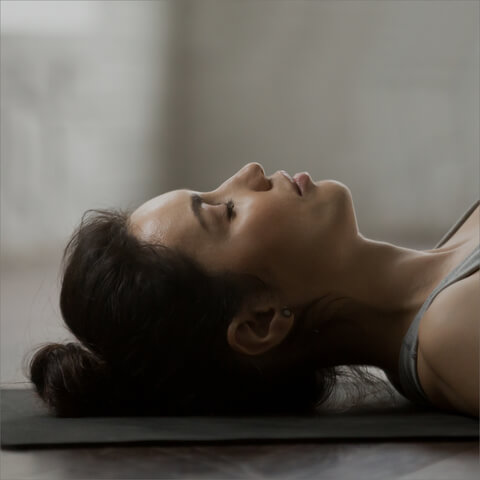
Which you do when you're lying down.
Yes,
You're lying down for meditation.
And you simply follow a voice that guides you into or towards a yogic sleep state.
And then some remarkable things happen.
The nervous system gets to reset,
The body releases tension,
And the mind softens into a receptive state.
All of this and you didn't even have to do anything to make it happen.
So then this restful state.
Is when your body actually heals and replenishes.
And that receptive,
Relaxed state is also the perfect place to plant your intention.
Just a few words that indicate your innermost wishes for how you would most like to feel or be,
Really how you would most like to live your life.
So something like,
I am peaceful,
Calm,
And safe.
Or I believe in myself.
Or my body is strong and healthy.
And really,
It could be as profound as I am present.
I'm here.
I'm here to do the yoga nidra.
There is a sequence and a science to this yogic sleep and what you'll typically experience is there's a settling in And this is when you let go of the day you've had or however you're feeling.
And then you're often prompted to voice silently your sankalpa,
Which is that intention statement that we just mentioned.
Typically then as a body scan or a rotation of consciousness where you're led and guided through the various parts of the body.
And then awareness of breathing.
No effort in the breathing,
You're just observing while you're lying down,
Your body resting and breathing.
Often what is next included is awareness of life force.
And this is a deeper part of the practice.
This is when you connect with Things that are beyond the physical body,
Beyond your personality,
Your identity,
Your ego.
This is more a chance to connect with that deeper awareness of the higher self and understanding that.
And then,
Now that you've allowed your body to relax and your mind to soften,
This is a wonderful time to repeat your intention,
Your Sankalpa,
And then you gently come back.
A slow exit.
Now the yoga nidra sequences do vary and sometimes they can include imagining sensory perception like hot and cold or heavy and light or they might be imagery or guided walks through nature.
It really depends on the style that you're following.
The great news is you don't have to understand any of the structure or the sequence.
You just follow the guided voice wherever it takes you.
You can do yoga nidra at any time in the morning to set up your day or as an afternoon reset or to restore and recalibrate before you go to sleep.
So the best way to understand yoga nidra really is to just experience it,
Perhaps 15 to 20 minutes to begin with.
Or you could also try,
I have these Nano Nedras here on Insight Timer.
They're literally just seven minutes and they work well as a top-up.
You could do them every day and then they work well as a top-up between the longer sessions.
And also try two or three different teachers over a couple of weeks to experience different styles because they all vary.
Enough information for now,
It's time for you to experience the bliss of yoga nidra.
Lie down somewhere comfortable.
Close your eyes.
Follow the voice.
That's all it takes to begin.
Happy meditating.