Hello dear one,
Pasha Lindy here.
How are you?
Today we'll be focusing on appreciating our bodies.
Our bodies are each so beautiful,
Despite any imperfections that we might perceive.
They do so much for us.
If you're listening to this,
You're alive,
Which means that within you,
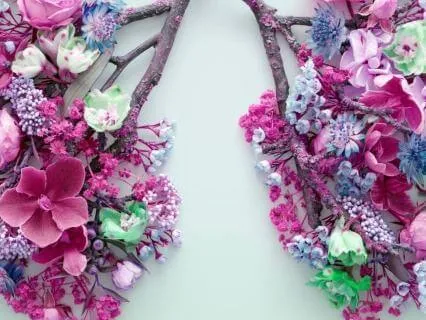
The miracle of breathing is happening.
Hey,
How often do we take time to tune into that?
Yet often we focus on what's wrong,
What's not cosmetically perfect,
Or what we're lacking.
That's the kind of human default,
This negativity bias to look for the flaws or the problems.
But when we repeatedly feel negatively about our bodies,
This has a really damaging effect on our mood,
On our emotions,
And on our self-esteem.
Maybe we're dearly wishing for a part of our body to look cosmetically different.
Maybe we desperately want to have a baby.
Maybe we've suffered an injury or a disability and we just can't do the things we love anymore.
Or maybe it's more like this general background discomfort and uneasiness about the way we look.
Dear one,
If you feel like this,
It's not your fault.
Today's society of sales,
Social media,
And selfies ask us to live up to these unrealistic and flawless expectations.
And self-comparison and negative body image thrive when life seems like a popularity contest,
Where,
You know,
If you get the most Instagram likes,
You become some kind of winner.
And you become a social influencer and you get paid in return for popularity.
For many of us,
This facade is already cracking.
You know,
Many,
Many people in recent times are seeing how precious and fragile life really is.
The pandemics that have spread through the world recently teach us that the health of ourselves and our loved ones is more important than anything else.
You know,
We're all questioning what's really important in life,
The deeper values,
Values like equality,
Community,
Care,
Well-being,
Health.
By appreciating the truth of our bodies,
The deep truth,
Which is that your body has inner health and healing abilities,
We start to engage in a more loving and compassionate relationship with our physical selves.
So let's begin by just understanding the neuroscience of fitting in.
Expectations on us are high.
If you believe the media,
We have to look like models,
We have to have a model partner,
We have to have a dream education,
A dream career,
And perfect children,
The perfect home.
And then we share all the best bits of our lives on social media,
The highlights,
The moments where we're happy and popular,
And then we like the same messages that we get from others.
And often we hide the real stuff,
We hide our flaws,
We hide the things we feel ashamed of,
The things we fear people won't like about us.
So fitting in is vital socially.
It's actually programmed into our nervous systems.
So you might know this,
In mammal communities,
Those who are sick or weak or different are often outcast from the tribe,
As tribal survival can be really tough going.
And as we rely on community to survive,
Outsiders don't live very long.
Now we're a lot safer today,
But our social brain still functions like this.
And nowadays,
The way we become outcast is to feel inferior,
To feel less worthy,
To have a lower social status,
Or to be slightly different to the norm,
Whatever the norm might mean.
So you can see why social comparison is our brain's way of checking where we are in the pecking order.
So we're not threatened by the possibility of becoming outcast.
Now,
It's not our fault that the brain operates this way,
But it is our responsibility.
And when this happens,
With mindfulness,
We can notice and soothe ourselves and question,
Am I really in danger here?
Are people really threatening me?
Or is this just my primitive threat system coming online?
When we compare ourselves to others,
When we feel inadequate or ill at ease physically,
We suffer,
And we often feel very unhappy or anxious at these times.
Good news is,
We can shift our perception by looking deeply at ourselves,
To look beyond the cosmetic exterior and appreciate the beauty of the body,
The miracle of breathing,
These amazing fingers that can type and hold things,
The intricacies of the spine that allows us to sit and stand and walk and lie down and dance.
And the way that we can put that body appreciation into action is by committing random acts of kindness towards ourselves.
We're often used to random acts of kindness for others,
But I just want to let you know that it's totally fine for us to do that for ourselves too.
So things like self-massage,
Brushing your teeth or your hair in a really caring way,
Eating in a nourishing way,
Or when you look in the mirror,
Rather than seeing your flaws,
Look for one or two things that you really like,
Like your smile or the twinkle in your eye,
Or the softness of your hair.
So see how you go integrating body appreciation as a random act of kindness.
And you'll also find a guided meditation on this topic called Loving My Body,
Which is on my channel,
Which goes into much more depth and which I'd recommend you listen to next.
So until next time,
Dear one,
Take care of yourself and your lovely body.
Bye-bye for now.