The world’s largest free audio library for everyday wellbeing
Somatic & Body Based
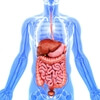
Heart-Gut Connection is a somatic meditation that directs awareness to the heart and gut at the same time, sensing how these two visceral centres communicate and co-respond to emotional experience (Mayer, 2011).
Last Updated
4 Jul 2026
We are still reviewing this page. Our research team checks every technique page for accuracy and evidence quality before final release. Details may change as that review completes. The evidence badge shows our current reading of the published research.
RECOMMENDED DOSE
No direct dose evidence; editorial synthesis. The available references describe oral probiotic supplementation protocols, not the session length or frequency of this interoceptive practice, so a short, achievable introductory range is suggested for newcomers.
No direct dose evidence; editorial synthesis. This step-up reflects general practice conventions for meditation-style techniques once a basic routine is established, not a trial-tested protocol for this technique.
No direct dose evidence; editorial synthesis. A longer daily maintenance range is offered for experienced practitioners based on general conventions, since no long-term dose-response study for this technique was available.
Session length
Session length: 5–10 minutes
5
MIN
How long each individual practice session should last from start to finish.
Frequency
Frequency: 3–4 days
3
DAYS
The number of days per week to fit a session into your routine.
Session length
Session length: 10–20 minutes
10
MIN
How long each individual practice session should last from start to finish.
Frequency
Frequency: 5–6 days
5
DAYS
The number of days per week to fit a session into your routine.
Session length
Session length: 20–30 minutes
20
MIN
How long each individual practice session should last from start to finish.
Frequency
Frequency: 7 days
7
DAYS
The number of days per week to fit a session into your routine.
About this card. These recommendations are not a substitute for personalised guidance from a qualified practitioner. No direct dose-response literature exists for this technique; the available references address probiotic supplementation rather than practice session length or frequency, so these figures are conservative starting points based on general meditation practice conventions.
Quick answers to what people most often ask. Each card links to the deeper section below.
evidence
No trial has tested Heart-Gut Connection directly, so its benefits are extrapolated. Research firmly confirms the gut and brain communicate two ways through the vagus nerve. Probiotic trials in people with diagnosed depression showed large symptom reductions, though a broader review across 54 trials found mostly no clear mood benefit.
Read moregood for
Heart-Gut Connection suits adults who feel emotion in the body first, as butterflies, a heavy chest, or a knotted stomach, and who want to catch those signals earlier and steady themselves before stress builds. It offers self-awareness and body reconnection, not a treatment for heart, digestive, or mental-health conditions.
Read moresafety
Most healthy adults can practise Heart-Gut Connection safely, with no known physical harm. People prone to panic, health anxiety, trauma responses, or disordered eating should approach with care, since closely tracking heartbeat and gut sensations can intensify alarm. Route new or worsening chest, gut, or mood symptoms to a clinician.
Read morehow it works
Heart-Gut Connection appears to train interoception, the skill of sensing the body's internal signals, which research ties closely to how emotion is felt and steadied. The vagus nerve links heart and gut in both directions, part of how the body shifts between alertness and rest. This mechanism is a grounded hypothesis, not proven.
Read moreA somatic meditation that rests attention on the heart and gut at the same time, sensing how these two visceral centres communicate and co-respond to emotional experience.
The practice is attentional and relational rather than postural or ritual-based. You settle into stillness and direct awareness to the heart region and the gut at the same time, then track the felt relationship between them: how a flutter or warmth in the chest shifts alongside tightness or ease in the belly, and how one region responds as the other settles. There is no fixed posture or sequence, the carrier is the sustained, dual-site noticing itself.
Heart-Gut Connection differs from Heart Space Awareness and from general gut or belly awareness by its relational focus: the object of attention is the connection and co-response between the two centres, not either region alone. It is a self-awareness and body-sensing practice, not a treatment for cardiac or digestive conditions, and it is not the same as gut-focused dietary interventions such as probiotics or prebiotics, which act on the microbiome rather than on attention.
Not to be confused with
Heart Space Awareness
Heart Space Awareness rests attention on the heart region alone, cultivating warmth or spaciousness there. Heart-Gut Connection is defined by its two-centre, relational focus: sensing how the heart and gut communicate and shift together, not either region on its own.
General gut awareness / trusting your "gut feeling"
Everyday gut awareness or intuition attends to belly sensations or hunches in isolation. This practice tracks the felt link between gut and heart, treating the two as a communicating pair rather than a single source of signals.
Probiotic or prebiotic treatment for mood
The gut-brain research behind this practice was largely conducted on diet and supplements, not on meditation. Heart-Gut Connection is an attention-based practice; it is not a probiotic protocol and does not claim to change the microbiome.
Gut-directed hypnotherapy
Gut-directed hypnotherapy is a clinician-delivered treatment, often for conditions like IBS, that uses guided suggestion. Heart-Gut Connection is a self-directed awareness practice, not a therapeutic intervention for digestive disease.
Heart-Gut Connection appears to work by training interoception, the skill of sensing and reading the body's internal signals, which research ties closely to how emotion is felt and regulated (Critchley & Garfinkel, 2017). The vagus nerve links the heart and gut in both directions and is part of how the body moves between alertness and rest, so holding attention on both regions may help that shifting feel less stuck (Cryan et al., 2019), (Martin et al., 2018). Because these pathways come from gut-brain research broadly rather than from trials of this meditation, the mechanism is a well-grounded hypothesis, not a proven route.
Noticing the body's inner signals, the flutter of the heart or the tightness and ease in the belly, is closely tied to how we feel and name emotions (Critchley & Garfinkel, 2017). Tracking heart and gut sensations together trains this inner sensing, which people often experience as catching stress earlier and steadying themselves before it builds (Berntson et al., 2003).
When you feel stuck in high alert, wound up and unable to change gears, attending to how the heart and gut respond together may make that shift feel smoother. The vagus nerve carries signals both ways between the gut and the brain, one route the body uses to move between alertness and rest (Cryan et al., 2019), (Martin et al., 2018).
Most of what has actually been measured comes from gut-targeted studies rather than the meditation itself. In one trial of 45 healthy adults, a gut-focused prebiotic lowered the waking cortisol response, the natural morning surge of the body's main stress hormone, a change people often feel as coming online more gradually with less of a wired, braced edge (Schmidt et al., 2014). Attention to internal body signals is also closely tied to emotional experience, so as this inner sensing steadies the body may feel less on guard and easier to settle (Critchley & Garfinkel, 2017).
On waking, the body can feel wired and braced before anything has actually happened. This practice rests attention on the chest and belly, where vagal afferent signalling, the upward flow of information along the vagus nerve from gut and heart to the brain, reports what those regions are doing. In gut-focused studies, related shifts tracked alongside a lower morning cortisol surge (Schmidt et al., 2014), a change people may notice as the body feeling less on guard and more settled, though it has not been measured during the practice itself.
The body is always sending signals, a heartbeat or a flutter and tightness in the belly, and Heart-Gut Connection is expected to sharpen how clearly you read them through interoception, the brain's sensing of internal states (Critchley & Garfinkel, 2017). In a related gut-focused trial, people showed a lower morning cortisol response and less pull toward stressful cues (Schmidt et al., 2014), which can feel like steadier, earlier attention to what the body is doing.
Waking can feel less like snapping straight into high alert when the body's morning surge of cortisol, the main stress hormone, is lower. In one study of healthy adults, several weeks of a gut-targeted prebiotic reduced that waking cortisol response (Schmidt et al., 2014), though this shift was measured after a dietary supplement rather than the Heart-Gut Connection practice itself.
Feeling wired but tired, stuck in high alert and unable to fully settle, often reflects sympathovagal balance, the give-and-take between the nervous system's activating and calming branches. For this practice that shift is expected from related gut-brain research rather than measured directly; one adjacent study found a gut-targeted supplement lowered the morning cortisol response, the body's natural stress-hormone surge, in 45 healthy adults (Schmidt et al., 2014), which some people may feel as being less locked in alert and more able to settle.
Moderate–Indirect evidence to date stands behind the science of the heart-gut connection, but no benefit has been demonstrated for the practice itself. What exists comes from gut-targeted research: moderate-quality trials of interventions such as probiotics have eased depression and anxiety in people with diagnosed conditions (Afrida et al., 2025), while broader reviews find mostly no clear mood effect (Charlotte et al., 2022). What is not yet supported is any trial of the heart-gut meditation itself, so its value for stress, emotional balance, or body awareness stays a reasonable expectation rather than a proven outcome (Mayer et al., 2015).
The clearest finding is that the gut and brain really are in constant two-way communication, through nerve, hormone, and immune pathways with the vagus nerve as a main line (Cryan et al., 2019), (Martin et al., 2018). Outcome evidence, though, comes from gut-targeted treatments rather than this practice. A meta-analysis of 23 trials in 1,401 people with diagnosed depression or anxiety found probiotics produced a large reduction in depression symptoms versus placebo, a standardized effect size of -0.96 (95% CI -1.31, -0.61), meaning the average treated person scored lower than roughly four in five placebo participants, while a broader review across 54 trials found mostly no clear mood benefit (Afrida et al., 2025), (Charlotte et al., 2022). The main limit is directness: no trial has tested the heart-gut meditation itself, so its benefits are extrapolated from diet and microbe studies rather than measured (Mayer et al., 2015).
2
Meta-analyses
0
RCTs
0
Systematic reviews
0
Observational
14
Pilot
Studied populations
Outcomes measured
Gut feelings: the emerging biology of gut–brain communication
2011
Finding: This paper maps how the gut and brain stay in constant two-way conversation, with signals traveling from the digestive system up to the brain and shaping not just digestion but mood, motivation and gut-feeling decisions. For someone exploring the Heart-Gut Connection practice, it explains why paying attention to signals from the belly is a reasonable thing to do: there is a real physiological channel linking gut sensations to how we feel and think. It is worth being clear that this is foundational science describing that communication system, not a test of the meditation itself, so it supports the idea behind the practice rather than proving the practice changes digestion or mood.
See full citation in referencesFrom Microbes to Myocardium: A Comprehensive Review of the Impact of the Gut-Brain Axis on Cardiovascular Disease
2024
Finding: This review maps out the two-way relationship between the gut and the heart, describing how the trillions of microbes in your digestive system, the compounds they produce, and gut-related inflammation all feed into how your cardiovascular system works; when that microbial balance is disrupted, the authors link it to conditions like high blood pressure, artery narrowing and heart failure. For someone drawn to a heart-gut awareness practice, this offers a biological reason the two systems are genuinely connected rather than separate. It's worth being clear about the scope, though: this work examines microbiome and disease pathways in the body, not a meditation or body-awareness technique, so it explains why a gut-heart link exists rather than showing that any particular practice changes it.
See full citation in referencesHeart-Gut Connection grows out of contemporary gut-brain-axis research rather than an older contemplative lineage; it takes the finding that the gut holds its own dense neural network, sometimes called a second brain, and turns it into a practice of listening (Mayer, 2011). These scientific roots help explain the practice's form, its dual, relational focus on heart and gut, not its clinical effects. The idea that gut feelings and a heavy heart are literal visceral signals gives the meditation its coherence and its felt sense of listening to the body's own intelligence.
For most healthy adults, turning attention toward the heart and gut is a low-risk, grounding practice with no known physical harm. A few situations call for gentler pacing. Focusing closely on internal sensations can amplify them rather than settle them, a caution drawn from how the practice works rather than from measured harm, and that amplification may heighten distress for people living with panic, health anxiety, trauma responses, or a difficult relationship with their body. Treat it as a way to build body awareness, not as a treatment for heart or digestive conditions, and give new or worsening chest, gut, or mood symptoms medical attention. The gut-brain science behind the practice is well established, but the meditation itself has not been directly tested in trials (Mayer et al., 2015).
People prone to panic, health anxiety, post-traumatic responses, or disordered eating should approach with care, because closely tracking the heartbeat and gut sensations can intensify the very alarm or unease the practice is meant to ease. This caution comes from clinical experience and from how the practice works, not from a measured safety risk. Anyone managing a cardiac or gastrointestinal condition should treat the practice as a complement to medical care, never a replacement, and check new or changing chest pain, palpitations, or gut symptoms with a clinician rather than reading them as purely emotional signals. The wider gut-focused research that informs the practice is also mixed, and one large review found mostly no clear benefit for mood (Charlotte et al., 2022).
Closely tracking the heartbeat and gut sensations can amplify them rather than settle them, and for people living with panic, health anxiety, post-traumatic responses, or a difficult relationship with the body that amplification may feed the very alarm the practice is meant to ease. Keep early sessions brief, begin with whichever region feels easiest, and move attention to your feet, hands, or the breath at the nostrils if a sensation grows too loud.
| Technique | Best for | Use with care | Evidence strength | Distinction |
|---|---|---|---|---|
| Body scan meditation | General full-body relaxation, releasing tension, and building a broad baseline sense of physical presence. | EVIDENCE | A body scan moves attention sequentially through the whole body, from head to toe, noticing sensation wherever it lands. Heart-Gut Connection narrows to two signal-rich regions at once and tracks the relationship between them, how a flutter in the chest shifts alongside tightness or ease in the belly, rather than surveying the body as a whole. | |
| Loving-kindness (compassion) meditation | Cultivating warmth, self-compassion, and a felt sense of connection toward oneself and others. | EVIDENCE | Loving-kindness meditation is heart-centred but outward-facing: it cultivates warmth and goodwill toward oneself and others through repeated phrases or intentions. Heart-Gut Connection stays with raw interior sensation, sensing how the heart and gut co-respond, rather than generating a particular emotional attitude. |
Heart-Gut Connection is a body-based meditation that directs awareness to the heart and the gut at the same time, sensing how these two sensation-rich centres relate and respond to emotional experience (Mayer, 2011).
+
Heart-Gut Connection is a somatic meditation defined by a dual, relational focus: you rest attention on the chest and the belly together and notice how a flutter in the heart and a tightening or easing in the gut shift alongside each other (Mayer, 2011). It draws on modern gut-brain-axis research, the finding that the gut and brain are in constant two-way communication, so the practice is essentially a way of listening in on that dialogue (Mayer et al., 2021). It is a self-directed awareness practice for building body reconnection, not a treatment for any medical or psychological condition, and the meditation itself has not yet been directly tested in trials.
In a real sense, yes. The gut holds its own dense network of nerve cells, the enteric nervous system, extensive enough to earn the "second brain" nickname, and it talks with the brain in both directions along the vagus nerve (Mayer, 2011). The phrase is a useful metaphor, not a claim that the gut thinks like the head.
+
In a real sense, yes. The gut is lined with its own extensive neural network, the enteric nervous system, and it is in constant two-way communication with the brain through nerve, hormone, and immune pathways, with the vagus nerve as a main line (Mayer, 2011), (Cryan et al., 2019), (Martin et al., 2018). That established gut-brain-axis biology is what grounds the practice's rationale. But it is meaning context, not proof: the science is genuine, while the Heart-Gut Connection meditation itself has not been directly tested for any emotional or clinical outcome (Mayer et al., 2021).
The constant two-way communication between the gut and the brain, carried by nerves, hormones, and immune signals. It is why a nervous stomach and an anxious mind so often show up together.
Bidirectional signalling network linking the enteric and central nervous systems through neural, endocrine, and immune channels, increasingly studied alongside the gut microbiota.
The dense web of nerve cells lining the gut, extensive enough that it is sometimes called a second brain. It lets the gut sense and respond largely on its own, which is part of why feelings register there as butterflies or a knot.
The intrinsic neural network of the gastrointestinal tract that regulates digestion and communicates with the central nervous system, notably via the vagus nerve.
A long nerve that carries signals in both directions between the gut, heart, and brain. It is one of the main routes the body uses to shift between alertness and rest, and much of its traffic runs upward, reporting what the organs are doing.
The principal parasympathetic nerve providing bidirectional visceral communication; its afferent fibres relay cardiac and enteric state to the brainstem.
The ability to sense and interpret signals from inside the body, such as heartbeat, breath, tension, temperature, and gut sensations. Building it often feels like noticing stress earlier and being able to steady yourself before an emotion takes over.
The afferent signalling, central processing, and mental representation of internal bodily states; closely tied to emotional experience and self-regulation.
The balance between the body's activating branch and its calming branch, and how readily you can move between them. When it is flexible, shifting from wound-up to settled tends to feel smoother and less stuck.
The relative influence of sympathetic and parasympathetic activity on autonomic tone; often inferred from heart-rate variability measures.
Emeran A. Mayer (2011). Gut feelings: the emerging biology of gut–brain communication. https://doi.org/10.1038/nrn3071
Cited in: Research, Roots and tradition, What it is
Akhilesh Kumar Singh, Prem S Kishore, Sharleen Khan (2024). From Microbes to Myocardium: A Comprehensive Review of the Impact of the Gut-Brain Axis on Cardiovascular Disease. https://doi.org/10.7759/cureus.70877
| Outcome | Effect size | 95% CI | N | Comparator | Source |
|---|---|---|---|---|---|
| Depression symptoms (probiotics) | SMD (Hedges' g) = -0.96 | 95% CI: -1.31, -0.61 | 1,401 | placebo | Afrida et al., 2025 |
| Anxiety symptoms (probiotics) | SMD (Hedges' g) = -0.59 | 95% CI: -0.98, -0.19 | — | placebo | Afrida et al., 2025 |
| Depression (prebiotics) | SMD (Hedges' g) = -0.28 | 95% CI: -0.61, 0.04 | — | placebo | Afrida et al., 2025 |
| Depression (probiotics) | mean difference = -0.37 | 95% CI: -0.55, -0.20 | — | placebo | Charlotte et al., 2022 |
The central gap is that the heart-gut meditation has never been tested in a trial; its rationale is borrowed from gut-brain research and from studies of probiotics, prebiotics, and diet that measure entirely different interventions (Mayer et al., 2015). Those adjacent trials are also inconsistent, with a broad review finding mostly null effects on mood (Charlotte et al., 2022), and most were conducted in general or clinical adult samples that may not generalize to the people drawn to this practice (Afrida et al., 2025).
Interoception and emotion
2017
Finding: This review maps how the body's internal signals, the steady stream of information from your heart, gut, and other organs, feed into the brain regions that shape emotion, and concludes that much of what we feel emotionally is built partly from these internal cues, with visceral feedback influencing mood, anxiety, and memory. For a practice centred on sensing the heart and gut, this offers the underlying reasoning for why tuning into bodily signals might matter to emotional life. It is worth being clear about scope, though: this is theory about interoception in general, not a test of this specific technique, so it explains a plausible mechanism rather than showing that the practice itself improves how accurately you read your body or how you feel.
See full citation in referencesThe Gut–Brain Axis
2021
Finding: This study maps the gut-brain axis, the constant two-way communication between the gut, its resident microbes, and the brain, showing that signals travel in both directions through several channels and feedback loops rather than a single one-way path. For someone drawn to the Heart-Gut Connection practice, it explains why paying attention to gut sensations can be meaningful: what happens in the belly and what happens in the mind are genuinely linked and can influence mood and body states. That said, most of this work comes from animal models and lays out the underlying biology, so it describes the wiring the practice is built on rather than testing the meditation itself; whether attending to these signals changes outcomes in people has not yet been demonstrated here.
See full citation in referencesMicrobiota in Gut‐Heart Axis: Metabolites and Mechanisms in Cardiovascular Disease
2025
Finding: This review maps the two-way "gut-heart" connection, describing how the microbes living in your gut, the compounds they produce, and gut-related inflammation all feed into how the heart and blood vessels work. It reports that an imbalance in gut bacteria is linked to conditions like high blood pressure, artery hardening, and heart failure, which helps explain why gut and heart health are physically intertwined. Keep in mind this work is about the biology of the microbiome and cardiovascular disease, not about any breathing or body-awareness practice, so it offers background for why a heart-gut relationship exists rather than evidence that this technique changes it.
See full citation in referencesAscending visceral regulation of cortical affective information processing
2003
Finding: This review traces how the body's internal signals, like the steady feedback coming from the heart and gut, shape the emotions we consciously feel, and it gathers evidence that this visceral input influences how the brain handles feeling states, anxiety and memory. In practical terms, it supports the idea behind sensing your heartbeat or gut: paying attention to those internal cues is genuinely tied to how emotion is built, not just a metaphor. Keep in mind this is background theory about interoception in general, not a test of the heart-gut practice itself, so it explains why tuning into the body may matter without showing that this specific technique sharpens that awareness or improves any outcome.
See full citation in referencesEffects of Prebiotics and Probiotics on Symptoms of Depression and Anxiety in Clinically Diagnosed Samples: Systematic Review and Meta-analysis of Randomized Controlled Trials.
n = 1,401
Finding: Across 23 randomised trials involving 1,401 people diagnosed with depression or anxiety, taking probiotics produced a large drop in depression symptoms and a moderate drop in anxiety symptoms compared with a placebo, while prebiotics showed only a small trend that could have been down to chance. This adds real weight to the idea that what happens in the gut can shape mood, which is the broader principle behind linking gut and heart awareness in practice. It is worth being clear about scope, though: these results come from oral supplements, not from the Heart-Gut Connection meditation itself, so they support the underlying concept rather than proving the technique reduces depression or anxiety.
SMD (Hedges' g) = -0.96
Gut/brain axis and the microbiota
2015
Finding: This study maps the two-way communication between the gut and the brain, drawing largely on animal research showing that the community of microbes in the gut can shape stress responses, mood, and how the body processes pain. For someone drawn to the Heart-Gut Connection practice, it offers a plausible biological backdrop for why tuning into gut sensations might matter, since the gut and nervous system genuinely talk to each other. It is worth being clear about the limits, though: this work explores the underlying physiology rather than the meditation technique itself, and much of it comes from lab models, so a direct cause-and-effect link in humans has not yet been established.
See full citation in referencesThe Gut–Brain Axis and the Microbiome: Mechanisms and Clinical Implications
2018
Finding: This review maps the two-way communication between the gut and the brain, showing they stay in constant contact through nerve pathways, hormones, and immune signals that carry inflammation-related messages. For someone exploring this practice, that means paying attention to gut and body sensations plugs into real physiological channels rather than something imagined. It's worth knowing, though, that the review describes how this gut-brain system works in general; it does not test the awareness practice itself, so it tells us the pathways exist without showing that tuning into them changes how they behave.
See full citation in referencesPrebiotic intake reduces the waking cortisol response and alters emotional bias in healthy volunteers
2014
Finding: In a trial with 45 healthy adults, taking a specific gut-feeding fibre (a prebiotic called B-GOS) for a few weeks lowered the surge of the stress hormone cortisol people normally produce on waking, and shifted their attention away from negative cues, compared with a placebo. A second prebiotic tested alongside it (FOS) made no difference, so the effect was specific to one type of fibre rather than fibre in general. This is an early, small study, and it points to a real link between what happens in the gut and the body's stress response in humans. Keep in mind, though, that it tested a dietary supplement, not the Heart-Gut Connection practice itself, so it supports the idea of a gut-stress connection rather than any direct effect of the technique.
See full citation in referencesEffect of Probiotics on Psychiatric Symptoms and Central Nervous System Functions in Human Health and Disease: A Systematic Review and Meta-Analysis.
2022
Finding: This meta-analysis of 54 randomised trials tested whether probiotics, which target the gut side of the heart-gut connection, actually shift mood and mental state. For most measures, including stress, anxiety, and general psychiatric distress, people taking probiotics did no better than those taking a placebo; only depression showed a small improvement. For someone exploring gut-focused practices for emotional wellbeing, the honest takeaway is that the evidence here is mixed and any mood benefit is modest at best, so it's worth treating gut-brain claims with healthy caution rather than expecting a reliable lift.
mean difference = -0.37
Regulation of the stress response by the gut microbiota: Implications for psychoneuroendocrinology
2012
Finding: This review describes how the bacteria living in your gut help shape the body's stress-response system: animals raised without any gut bacteria show exaggerated stress reactions, and ongoing stress makes the gut wall more permeable, which in turn shifts the gut community and feeds back into the stress system. In plain terms, your gut and your stress physiology are in constant two-way conversation, which is the biological backdrop for a practice that works with the heart-gut connection. Worth knowing, though, is that this paper maps out that gut-stress link in general; it does not test the meditation technique itself or show that the practice changes your stress hormones.
See full citation in referencesThe Microbiota-Gut-Brain Axis
2019
Finding: This review maps the constant two-way conversation between the gut and the brain, showing that they exchange signals through nerves, hormones, and the immune system, with the vagus nerve and the gut's own nervous system acting as the main lines of communication. It also describes how the brain, through the body's automatic rest-and-activation controls, shapes how the gut moves, secretes, and manages its lining. For someone practising heart-gut awareness, this means the sensations you tune into rest on real, well-mapped biological pathways rather than metaphor. That said, the review describes how these gut-brain channels work in general; it does not test this awareness practice or show that the practice changes how those pathways behave.
See full citation in referencesUnlocking the Gut-Cardiac Axis: A Paradigm Shift in Cardiovascular Health.
2023
Finding: This review maps the two-way biology linking the gut and the heart, describing how gut bacteria, the compounds they produce, and gut-related inflammation can shape cardiovascular function, with an unbalanced gut community associated with high blood pressure, artery narrowing, and heart failure. For someone drawn to a heart-gut practice, it offers real physiological grounding for the idea that these two systems talk to each other. It's worth being clear about scope, though: this work examines microbiome and cardiovascular disease pathways, not any breathing or body-awareness technique, so it explains the biological connection rather than showing that a meditation practice changes it.
See full citation in referencesThe Brain-Gut-Microbiome Axis
2018
Finding: This review maps how the gut and brain talk to each other, describing well-characterised two-way signalling that runs along nerve, hormone and immune pathways, with the vagus nerve and the gut's own nervous system acting as key routes. It also notes that the brain shapes gut activity, including motility and secretion, through the branch of the nervous system that governs rest and activation. For someone drawn to a heart-gut awareness practice, this helps explain why attending to gut and body sensations plausibly engages real physiological channels rather than something purely imagined. That said, the review examines the gut-brain connection in general; it does not test this awareness practice, so it speaks to why the approach is biologically reasonable, not to what the practice itself has been shown to change.
See full citation in referencesA Neural Circuit for Gut-Induced Reward
2018
Finding: In this laboratory study with mice, directly stimulating the sensory nerves that carry signals from the gut up the vagus nerve triggered a burst of dopamine and drove reward-seeking behaviour, placing the gut-to-brain vagal pathway squarely within the brain's reward circuitry. That makes it biologically plausible that signals rising from the gut can shape how we feel and what motivates us, which is part of why practices attending to the heart-gut connection are worth exploring. Keep in mind this was animal research probing a mechanism, not a test of the practice in people, so it tells us how the wiring can work rather than what a human routine will deliver.
See full citation in referencesTreat Heart-Gut Connection as a complement to medical care, never a replacement for it. The meditation itself has not been directly tested, so there is no safety data for cardiac or gastrointestinal populations. Use the practice to build body awareness, and route new or worsening chest pain, palpitations, or gut symptoms to a clinician rather than reading them as purely emotional signals.
The Heart-Gut Connection is best approached gently, as a way to build body awareness rather than as a fix for any heart or digestive concern. A comfortable seat, a steady base, and just a few minutes make a sensible starting format, with a grounding option like your feet or breath kept close by in case a sensation grows too loud. If you live with panic, health anxiety, trauma responses, or a difficult relationship with your body, go slowly and ease off if inward focus tips into unease rather than calm.
Take a few slower breaths and feel the support of the chair or floor beneath you, so attention starts from a steady base rather than a braced one.
If the heartbeat feels intense, start with the gentler sense of the belly rising and falling. Bring the two regions together only once each one feels manageable on its own.
If a sensation grows too loud, move attention to your feet, your hands, or the breath at the nostrils. Widening focus this way calms an amplified signal.
A few minutes is enough to begin. Ease off if noticing internal sensations tips into anxiety rather than steadiness, since heightened body focus can escalate distress for some people.
Let attention widen back out to the room and the sounds around you before you stand, so the shift from inward sensing to ordinary activity feels smooth.
Use the practice to build awareness, and route new or worsening chest, digestive, or mood symptoms to a clinician rather than treating them as feelings to sit with.
This information is educational and is not medical advice. This practice is not a substitute for professional care and should not replace prescribed medication or treatment for any medical or mental-health condition. If you are managing a health condition or taking medication, talk with a qualified health professional before changing your practice. If you are in distress or crisis, seek professional support.
| Heart coherence / paced-breathing (HeartMath-style) practice | Paced-breathing calming in the moment when someone wants a structured, rhythm-based way to settle acute stress. | EVIDENCE | Coherence practices pair slow, paced breathing with attention to the heart to smooth heart-rate rhythms, and they share the heart-focused regulation pathway with this practice. Heart-Gut Connection does not prescribe a breathing pace or a coherence target; it is an open sensing practice that includes the gut as a second centre of attention. |
| Gut-focused dietary interventions (probiotics / prebiotics) | People wanting to influence mood or stress physiology through diet or supplements rather than through attention practice. | Evidence is inconsistent across trials, and supplements are a medical-adjacent choice best discussed with a clinician, not a substitute for care. | moderate EVIDENCE | Probiotic and prebiotic approaches try to influence mood and stress through the gut microbiota using supplements or diet, working on the same gut-brain axis this practice draws on but through a biochemical vehicle rather than attention. The mood evidence for them is moderate and mixed, and none of it tests an attention-based meditation. |

Not proven directly. The heart-gut meditation itself has never been tested in a trial, so there is no direct evidence it works (Mayer et al., 2015). Its rationale is borrowed from gut-brain research and gut-targeted treatments like probiotics, whose mood effects are moderate and mixed (Afrida et al., 2025), (Charlotte et al., 2022).
+
Not proven directly. No study has tested this specific attention practice, so its benefits are extrapolated from gut-brain science and from trials of probiotics, prebiotics, and diet that measure entirely different interventions (Mayer et al., 2015). Those adjacent trials are themselves inconsistent: some found gut-targeted interventions eased depression and anxiety in diagnosed groups, while a broader review found mostly no clear mood benefit (Afrida et al., 2025), (Charlotte et al., 2022). Its value for stress, emotional balance, or body awareness is best treated as a reasonable expectation rather than a proven outcome, and it is not a treatment for any medical or psychological condition.
Not established. The heart-gut meditation itself has never been tested for anxiety or low mood, so any benefit is suggestive rather than confirmed. The nearby gut-targeted evidence is mixed: one meta-analysis found reduced symptoms in diagnosed samples, while a broader review found mostly no clear mood effect (Afrida et al., 2025), (Charlotte et al., 2022).
+
Not established for this practice. No trial has tested the heart-gut meditation for anxiety or depression, so its value here is extrapolated from gut-focused research rather than measured (Mayer et al., 2015). That adjacent evidence is inconsistent: a meta-analysis of trials in people with diagnosed depression or anxiety found probiotics reduced symptoms versus placebo (Afrida et al., 2025), while a broader review across many trials found mostly no clear mood benefit (Charlotte et al., 2022). Treat this practice as a way to build body awareness, not as a treatment for or a replacement for care of a mental-health condition.
Mainly through the vagus nerve, the long nerve carrying signals in both directions between gut, heart, and brain, backed up by hormonal and immune messengers (Cryan et al., 2019), (Martin et al., 2018). This is well-grounded biology of visceral signalling, not proof the meditation itself changes anything.
+
Mainly through the vagus nerve, which relays signals in both directions between the gut, heart, and brain, alongside hormonal and immune channels that make gut-brain communication a constant two-way conversation (Cryan et al., 2019), (Martin et al., 2018). The gut holds its own dense network of nerve cells, the enteric nervous system, and research also describes bidirectional links between gut health and heart function (Singh et al., 2024), (Kondapalli et al., 2025), (Akshay et al., 2023). This underlying wiring is genuine and well studied; it explains why dual heart-gut attention is plausible, but it is not evidence that the practice produces any clinical benefit.
Because focusing raises detection. Directing attention to signal-rich regions like the chest and belly heightens interoception, the sensing of internal body signals, so sensations can feel stronger before they settle. This is common and usually eases with practice (Critchley & Garfinkel, 2017).
+
Because attention amplifies what you sense. When you focus on the heart and gut, you sharpen interoception, the brain's reading of internal body signals, which is closely tied to how emotion is felt, so a heartbeat or gut flutter can register more loudly at first (Critchley & Garfinkel, 2017), (Berntson et al., 2003). This mechanism comes from general interoception research rather than a tested finding for this practice, so treat it as likely rather than proven. For most people it settles with repetition, but if you live with panic, health anxiety, trauma, or a difficult relationship with the body it can tip into distress, so keep sessions short and pace gently.
Use care. Closely tracking heartbeat and gut sensations can amplify them, which may heighten alarm if you live with panic or health anxiety, so keep sessions short, start with the easier region, and keep grounding within reach. It is low-risk for most adults but is not a treatment, and the practice itself is untested (Mayer et al., 2015).
+
Use care. Because noticing internal body signals is closely tied to how we feel emotion, deliberately attending to the chest and belly can intensify sensations rather than settle them, and for some people with panic or health anxiety that may feed the very alarm the practice is meant to ease (Critchley & Garfinkel, 2017). This caution is inferred from how the practice works and from clinical experience rather than from a tested safety finding, since the meditation itself has not been studied in trials (Mayer et al., 2015). Keep early sessions brief, begin with whichever region feels easiest, shift attention to your feet or breath if a sensation grows too loud, and route new or worsening chest, gut, or mood symptoms to a clinician rather than treating them as feelings to sit with.
Only as a complement to medical care, never a replacement for it. Heart-Gut Connection is not a treatment for heart or digestive disease, and it has not been tested for safety in these conditions (Mayer et al., 2015). Check any new or changing chest pain, palpitations, or gut symptoms with a clinician rather than reading them as purely emotional.
+
Only alongside medical care, never instead of it. This caution is inferred from how the practice works and from clinical experience rather than from measured evidence: the meditation itself has not been directly tested, so there is no safety data for cardiac or gastrointestinal populations (Mayer et al., 2015). Because closely tracking heartbeat and gut sensations can amplify them, treat this as a way to build body awareness, not as a treatment for heart or digestive disease, and route new or worsening chest, palpitation, or gut symptoms to a clinician instead of sitting with them as feelings.
Start small. Settle with a few slow breaths, then rest attention on whichever region feels easiest, the belly or the heart, before sensing both together. A few minutes is plenty at first, and you can lengthen sessions gradually as the practice feels comfortable.
+
Start small and low-pressure. Take a few slower breaths to feel supported, then begin with whichever region is easier to sense; if your heartbeat feels intense, start with the softer rise and fall of the belly and only bring the two centres together once each feels manageable. Keep a grounding option, your feet, your hands, or the breath at the nostrils, within reach, and close by widening attention back out to the room. A few minutes is plenty at first, and you can lengthen sessions gradually as the practice feels comfortable. This is practical guidance drawn from how the practice is taught, not an evidence-based dose, since the meditation itself has not been directly tested.
A body scan sweeps attention sequentially through the whole body for broad relaxation, while Heart-Gut Connection narrows to two signal-rich regions, the heart and the gut, and tracks how they respond to each other (Mayer, 2011). This is a difference in form, not proven effect.
+
The main difference is where attention rests. A body scan moves through the whole body head to toe, noticing sensation wherever it lands, whereas Heart-Gut Connection stays with the felt relationship between two viscerally rich centres, sensing how a flutter in the chest shifts alongside tightness or ease in the belly (Mayer, 2011). No head-to-head trial has compared the two, and the heart-gut practice itself has not been directly tested, so this is a descriptive contrast in approach rather than a claim that one works better (Mayer et al., 2015).
The natural morning rise of cortisol, the body's main stress hormone, that helps you wake and get moving. A gentler rise can feel like coming online more gradually, with less of an immediate braced edge.
The rise in salivary cortisol in the period after waking, a commonly used index of HPA-axis activity.
Cited in: How it works
Hugo Critchley, Sarah N. Garfinkel (2017). Interoception and emotion. https://doi.org/10.1016/j.copsyc.2017.04.020
Cited in: How it works, What happens in the body
Emeran A. Mayer, Karina Nance, Shelley Chen (2021). The Gut–Brain Axis. https://doi.org/10.1146/annurev-med-042320-014032
Cited in: Research, What it is
Narendra Kondapalli, Venkatesh Katari, Kesha Dalal, Sailaja Paruchuri, Charles K. Thodeti (2025). Microbiota in Gut‐Heart Axis: Metabolites and Mechanisms in Cardiovascular Disease. https://doi.org/10.1002/cph4.70024
Cited in: How it works
Gary G. Berntson, Martin Sarter, John T. Cacioppo (2003). Ascending visceral regulation of cortical affective information processing. https://doi.org/10.1046/j.1460-9568.2003.02967.x
Cited in: How it works
Asad Afrida, Kirk Megan, Zhu Sufen, Dong Xue, Gao Min (2025). Effects of Prebiotics and Probiotics on Symptoms of Depression and Anxiety in Clinically Diagnosed Samples: Systematic Review and Meta-analysis of Randomized Controlled Trials.. https://doi.org/10.1093/nutrit/nuae177
Emeran A. Mayer, Kirsten Tillisch, Arpana Gupta (2015). Gut/brain axis and the microbiota. https://doi.org/10.1172/jci76304
Cited in: Benefits, Research, Use with care
Vadim Osadchiy, Clair R. Martin, Emeran A. Mayer (2018). The Gut–Brain Axis and the Microbiome: Mechanisms and Clinical Implications. https://doi.org/10.1016/j.cgh.2018.10.002
Cited in: How it works
Kristin Schmidt, Philip J. Cowen, Catherine J. Harmer, George Tzortzis, Steven P. Errington, Philip W. J. Burnet (2014). Prebiotic intake reduces the waking cortisol response and alters emotional bias in healthy volunteers. https://doi.org/10.1007/s00213-014-3810-0
Cited in: What happens in the body
Le Morvan de Sequeira Charlotte, Hengstberger Charlotte, Enck Paul, Mack Isabelle (2022). Effect of Probiotics on Psychiatric Symptoms and Central Nervous System Functions in Human Health and Disease: A Systematic Review and Meta-Analysis.. https://doi.org/10.3390/nu14030621
Cited in: Benefits, Research, Who should use care
Timothy G. Dinan, John F. Cryan (2012). Regulation of the stress response by the gut microbiota: Implications for psychoneuroendocrinology. https://doi.org/10.1016/j.psyneuen.2012.03.007
Cited in: How it works
John F. Cryan, Kenneth J. O’Riordan, Caitlin S.M. Cowan, Kiran V. Sandhu, Thomaz F. S. Bastiaanssen, Marcus Boehme (2019). The Microbiota-Gut-Brain Axis. https://doi.org/10.1152/physrev.00018.2018
Cited in: How it works, Research
Akshay Akshay, Rayan W Gasim, Thowaiba E Ali, Yash Sailesh Kumar, Ahmad Hassan, A. Akshay (2023). Unlocking the Gut-Cardiac Axis: A Paradigm Shift in Cardiovascular Health.. https://doi.org/10.7759/cureus.51039
Cited in: How it works
Clair R. Martin, Vadim Osadchiy, Amir Kalani, Emeran A. Mayer (2018). The Brain-Gut-Microbiome Axis. https://doi.org/10.1016/j.jcmgh.2018.04.003
Cited in: How it works, Research
Wenfei Han, Luis A. Téllez, Matthew H. Perkins, Isaac Obed Pérez-Martínez, Taoran Qu, Jozélia Gomes Pacheco Ferreira (2018). A Neural Circuit for Gut-Induced Reward. https://doi.org/10.1016/j.cell.2018.08.049
Cited in: How it works
Editorially curated. Tracks are not themselves clinically studied; evidence on the page applies to Heart-Gut Connection as a technique.
Explore guided sessions to deepen your Heart-Gut Connection technique.
Beginner content for Heart-Gut Connection

★ 4.8
·
Guided
·
22 min
Fleur Chambers
How hard is Heart-Gut Connection?
Heart-Gut Connection keeps a moderate base floor driven mainly by a mixed profile, while the reviewed modality defaults stay appropriate.
2
Mental Effort
2 / 4
▾Emotional Depth
2 / 4
▾Physical Intensity
2 / 4
▾Prior Knowledge
1 / 4
▾