The world’s largest free audio library for everyday wellbeing
Somatic & Body Based
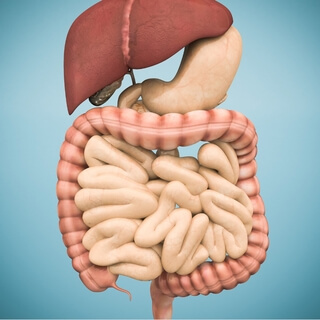
Visceral Sensing is a somatic attention practice that directs awareness to organ-level sensations, such as gut motility, cardiac rhythm, respiratory movement, and bladder fullness, to build interoceptive awareness of the body's internal state.
Last Updated
4 Jul 2026
We are still reviewing this page. Our research team checks every technique page for accuracy and evidence quality before final release. Details may change as that review completes. The evidence badge shows our current reading of the published research.
RECOMMENDED DOSE
No direct dose-response literature exists for this technique. These recommendations are based on general practice conventions for interoceptive/body-awareness meditation and should be treated as starting points only. A short, gentle session a few times a week is enough to build familiarity without strain.
No direct dose evidence; editorial synthesis. Once the basic practice feels comfortable, a modest increase in session length and frequency reflects typical progression for body-awareness meditation practices.
No direct dose evidence; editorial synthesis. This maintenance-level dose reflects general conventions for an established meditation practice rather than any technique-specific trial, and can be adjusted to individual comfort and experience.
Session length
Session length: 5–10 minutes
5
MIN
How long each individual practice session should last from start to finish.
Frequency
Frequency: 3–4 days
3
DAYS
The number of days per week to fit a session into your routine.
Session length
Session length: 10–20 minutes
10
MIN
How long each individual practice session should last from start to finish.
Frequency
Frequency: 4–5 days
4
DAYS
The number of days per week to fit a session into your routine.
Session length
Session length: 20–30 minutes
20
MIN
How long each individual practice session should last from start to finish.
Frequency
Frequency: 5–6 days
5
DAYS
The number of days per week to fit a session into your routine.
About this card. These recommendations are not a substitute for personalised guidance from a qualified practitioner. No direct dose-response literature was found for Visceral Sensing, so all guidance here is editorial synthesis based on general body-awareness meditation conventions and should be treated as starting points only.
Quick answers to what people most often ask. Each card links to the deeper section below.
evidence
Current evidence is indirect and mechanism-level, with no direct trials of Visceral Sensing yet. Brain-imaging research links interoception, the sensing of internal body states, to activity in the insula, a region tied to emotion, and physiology work describes how the vagus nerve relays organ signals. Effect sizes and clinical outcomes remain unmeasured.
good for
Visceral Sensing may suit adults who feel disconnected from the body or who notice stress only after it has escalated, and who want to read internal cues earlier. Because supporting evidence is indirect rather than from trials, these are reasonable expectations, not proven results. It is not a treatment for any diagnosed condition.
Read moresafety
Most healthy adults find Visceral Sensing low-risk and grounding. People living with panic, health anxiety, eating or body-image concerns, or trauma histories should approach with care, since close attention to the heartbeat, gut, or breath can heighten distress rather than ease it. Keep early sessions short and pause if sensing feels flooding.
Read morehow it works
Visceral Sensing appears to work by strengthening interoception, the capacity to detect internal signals like a tightening gut or quickening heartbeat, which practitioners experience as catching stress earlier. Brain-imaging research links inward attention to the insula, which maps the body's internal state, while a second pathway runs through the vagus nerve carrying organ signals upward.
Read moreVisceral Sensing is a somatic practice of attending to internal organ sensations, such as gut movement, heartbeat, and breath, to strengthen interoceptive awareness, the ability to read the body's internal state.
You settle and turn attention inward to the visceral interior, moving through organ-level sensations, gut motility, cardiac rhythm, respiratory movement, and bladder fullness, and staying with each signal as it arises, often noticing and naming it. Attention sequences through the internal-organ landscape rather than the musculoskeletal body. Sessions can be brief or extended, and are usually kept short at first so the intensity of inward attention stays tolerable.
Visceral Sensing differs from general body scanning, which attends to muscles and skeletal sensation, by focusing on the internal organs. It differs from Heartbeat Awareness, which tracks a single cardiac signal, by attending to the whole visceral field rather than one cue. It is a secular, interoception-based practice rather than a spiritual lineage, and it is not a diagnostic or medical assessment of organ health.
Not to be confused with
Interoceptive Exposure
Interoceptive exposure deliberately provokes uncomfortable body sensations, such as a racing heart or breathlessness, to reduce fear of them within panic and anxiety treatment. Visceral Sensing is open, non-provocative attention to whatever internal signals are present, not a fear-reduction protocol.
HRV Biofeedback
Biofeedback uses sensors and a screen to display internal signals like heart-rate variability so a person can learn to shape them. Visceral Sensing relies only on unaided inward attention, with no device, tracing, or external readout involved.
Somatic Experiencing
Somatic Experiencing is a therapist-guided trauma treatment that tracks bodily sensation to discharge stored activation. Visceral Sensing is a self-directed attentional practice for noticing internal signals, not a trauma therapy or a substitute for clinical care.
Visceral Sensing appears to work by strengthening interoception, the capacity to detect and interpret internal body signals like a tightening gut or a quickening heartbeat, which practitioners often experience as catching stress earlier, before it builds into something harder to settle. Brain-imaging research on interoception broadly, not this technique specifically, links this inward attention to activity in the insula, the region that maps the body's internal state and shapes how emotion is felt (Wiens, 2005). A second proposed pathway runs through the vagus nerve, which carries information about the organs up to the brain and helps the nervous system shift between activation and rest (Czura & Tracey, 2005), a change people tend to describe as feeling less locked into a single gear.
Noticing the quiet signals inside the body, a full stomach, a quickening heartbeat, a tightening gut, is what Visceral Sensing trains. Brain-imaging research links this kind of internal noticing to activity in the insula, a region that shapes how we experience emotion (Wiens, 2005), which practitioners often describe as catching stress earlier, before it builds into something harder to settle.
The sense of being stuck in high alert or in shutdown can ease as attention turns toward organ-level sensations, which draw on the vagus nerve, the main pathway carrying information about your internal state to the brain and helping the nervous system shift between activation and rest (Czura & Tracey, 2005). Practitioners often describe feeling less locked into one gear and more able to move between energized and calm.
What changes in the body has not been measured directly during Visceral Sensing, so the physiological picture is inferred from interoception research rather than from trials of the practice. That research associates attention to internal signals with increased activity in the insula and anterior cingulate, brain regions that gather organ-level information into a felt sense of the body's state (Wiens, 2005). In felt terms, this may show up as a clearer, more located awareness of internal cues: the gut settling, the breath slowing, a sensation noticed and named before it becomes a strong emotion.
Many people find they catch hunger, tension, or an early stress cue sooner and with less guesswork, a sharpening of interoceptive accuracy, how precisely you can read internal signals like gut movement, heartbeat, or the pull of a breath. This has not been measured directly for Visceral Sensing, but interoception research links this kind of inward attention to activity in brain regions that map the body's internal state (Wiens, 2005).
As you keep noticing what is happening inside, a full belly, a tightening gut, a quickening heartbeat, those signals may slowly grow clearer and easier to put into words. That kind of inward attention is linked in brain-imaging research to increased activity in the anterior insula, the region that gathers signals from inside the body into a felt sense of your internal state (Wiens, 2005), though this is inferred from interoception studies rather than measured for Visceral Sensing itself.
You might catch a feeling as it starts to form in the body, with a moment to respond before it takes over. That noticing may involve the anterior cingulate, a brain region that helps direct attention to internal sensations and links those body signals to emotion. Its activity has not been measured during Visceral Sensing itself; it is inferred from broader interoception research, where attending to internal states tracks with anterior cingulate and insula activity (Wiens, 2005).
Noticing a flutter in the gut or a shift in your heartbeat draws on the insula and anterior cingulate, brain regions that build a moment-to-moment map of the body's internal state. Based on interoception research rather than direct measurement of this practice, Visceral Sensing is expected to raise activity in these regions (Wiens, 2005), which practitioners often experience as clearer awareness of what is happening inside the body and being able to name a sensation before it becomes a strong emotion.
You may start to notice internal cues, a tightening gut or a quickening heartbeat, sooner and with more definition. That clearer sense is thought to come from engaging the insula and anterior cingulate, the brain regions that turn organ signals into a felt sense of your inner state, though this is drawn from interoception research rather than direct measurement of this practice (Wiens, 2005).
Emerging, indirect evidence supports Visceral Sensing today, because the case rests on mechanism-level research rather than on trials of the practice. Interoception research links attention to internal body signals with activity in the insula and with how emotion is experienced (Wiens, 2005), and physiology work describes how the vagus nerve relays organ-state information and supports nervous-system regulation (Czura & Tracey, 2005), which together make a plausible pathway toward earlier stress detection and steadier self-regulation. What is not yet supported: there are no large randomized trials, no measured effect sizes, and no confirmed clinical outcomes for this specific practice, so it should not be treated as a treatment for any diagnosed condition.
The research on Visceral Sensing is mostly about the biology it draws on rather than the practice itself. Brain-imaging work links interoception, the sensing of internal body states, to activity in the insula, a region tied to how we experience emotion (Wiens, 2005), and physiology research describes how the vagus nerve carries signals about the internal organs to the brain and helps regulate the nervous system (Czura & Tracey, 2005). Two limits matter here. This is indirect, mechanism-level evidence with no direct trials of the practice, and the same emotion research shows body-signal feedback is one contributor to feeling, not the only route, since some patients with spinal-cord injury or autonomic failure still report emotional experience (Wiens, 2005).
0
Meta-analyses
0
RCTs
0
Systematic reviews
0
Observational
2
Pilot
Studied populations
Outcomes measured
Interoception in emotional experience
2005
Finding: This review of brain-imaging and clinical research found that people who are better at noticing internal body signals, such as their own heartbeat, showed more activity in brain areas linked to emotion (the insula and anterior cingulate), and that this awareness tracked with how they rated their emotional lives. For someone drawn to visceral sensing, that points to a real pathway: tuning in to what the body is doing appears connected to how we register and interpret feeling. The review also noted, though, that people with spinal-cord injury or autonomic failure still experience emotion, so body signals are one contributor rather than the whole story. Keep in mind this looks at interoception broadly, not visceral sensing as a specific practice, so it explains a plausible mechanism rather than testing the technique itself.
See full citation in referencesAutonomic neural regulation of immunity
2005
Finding: This review of how the nervous system regulates the body maps out the vagus nerve's two-way role: it carries signals about your internal state, including gut sensations and signs of inflammation, up to the brain, and it sends signals back down that can calm the body's inflammatory responses. For someone exploring visceral sensing, it helps explain why tuning into internal bodily cues has a real biological pathway behind it, since the same nerve that relays those cues also helps steady the nervous system. Keep in mind that this is background research on how the body is wired, not a test of the practice itself, so it describes the underlying machinery rather than proving that visceral sensing activates these pathways or reduces inflammation.
See full citation in referencesVisceral Sensing grows out of the secular science of interoception rather than a spiritual lineage, drawing on interoceptive-awareness research and measures such as the MAIA scale, and on descriptions of how the vagus nerve carries information about the body's internal state to the brain. These roots help explain the practice's form, its organ-by-organ attention to the visceral interior, not its clinical effects. It sits within a broader family of somatic and body-based practices that treat internal sensation as meaningful information worth attending to.
For most healthy adults, Visceral Sensing is a low-risk practice that tends to feel grounding, a quiet sense of being more in contact with what is happening inside the body. A few situations call for care. For people prone to panic, health worry, or difficult memories, turning attention toward the heartbeat, gut, or breath can make those sensations feel louder and heighten distress rather than ease it. This caution is practice-informed and drawn from how the practice works rather than from safety trials of this specific technique, so keep early sessions short and pause if sensing the inside of the body starts to feel flooding rather than settling.
People living with panic disorder, health anxiety, or somatic-symptom concerns, those with eating or body-image difficulties, and people with trauma histories should approach Visceral Sensing with extra care, because closely amplified attention to internal signals can escalate distress or prompt a strong urge to leave the body rather than settle into it. These are practice-informed cautions: there are no safety trials of this specific technique, and the underlying research describes how internal signals reach the brain, not who might be harmed. Anyone navigating perinatal changes, addiction recovery, or a tendency to dissociate is best supported by practising alongside a clinician who knows their history.
For people prone to panic, health worry, or difficult memories, closely amplified attention to the heartbeat, gut, or breath can make those sensations feel louder and heighten distress rather than ease it. Keep early sessions to two or three minutes, keep an anchor outside the body ready, and stop if sensing turns to racing thoughts or rising panic. This is a practice-informed caution drawn from how the practice works, not from safety trials of this specific technique.
| Technique | Best for | Use with care | Evidence strength | Distinction |
|---|---|---|---|---|
| Body Scanning | Releasing muscular tension and settling into the body as a whole, often at the start of a relaxation or wind-down routine. | EVIDENCE | Body scanning moves attention across the musculoskeletal body, muscles, joints, skin, and pockets of tension, whereas Visceral Sensing directs attention specifically to the internal organs, gut movement, cardiac rhythm, and breath. The two overlap in cultivating inward attention but survey different territory: the surface, moving body versus the internal-organ landscape. | |
| Heartbeat Awareness | Building and testing the accuracy of internal sensing through one clear, countable signal. | moderate EVIDENCE | Heartbeat Awareness trains attention on a single signal, the felt beat of the heart, and is the classic paradigm behind interoceptive-accuracy research. Visceral Sensing widens that lens to the whole visceral field, attending to gut, organs, breath, and cardiac rhythm together rather than isolating one channel. |
Visceral Sensing is a somatic attention practice that directs awareness to organ-level sensations, gut movement, heartbeat, the breath, bladder fullness, to build interoception, the ability to sense and read the body's internal state.
+
Visceral Sensing is a body-based practice of turning attention inward to the internal organs and staying with each signal as it arises, rather than scanning the muscles or the skin. It moves through the visceral interior, following gut motility, cardiac rhythm, respiratory movement, and bladder fullness, noticing and often naming what the body is doing from within. It differs from general body scanning by its organ-level focus, and it belongs to the broader family of somatic practices that treat internal sensation as meaningful information worth attending to. It is a self-directed attention practice, not a treatment for any diagnosed condition.
The difference is where attention lands. Visceral Sensing directs awareness to internal organ-level sensations, such as gut movement, heartbeat, and breath, while a body scan surveys the musculoskeletal body, including muscles, joints, skin, and pockets of tension. Both train inward attention but explore different territory.
+
The difference is where attention lands, not which one works better. Visceral Sensing follows the internal-organ landscape, tracking gut motility, cardiac rhythm, respiratory movement, and bladder fullness, whereas a body scan travels across the musculoskeletal body, noticing and releasing muscular tension along the way. The two overlap in cultivating inward attention but survey different territory, and neither is a treatment for any diagnosed condition.
The sensing and interpretation of signals from inside the body, such as heartbeat, breath movement, gut activity, and tension. Stronger interoception often shows up as feeling more embodied and catching stress cues earlier.
The detection, interpretation, and integration of afferent signals arising from within the body, including visceral and autonomic inputs relayed to interoceptive cortical regions such as the insula.
How precisely a person can detect and correctly read their own internal signals, like whether they can track their heartbeat or notice hunger and tension before it builds.
An objective, performance-based measure of the correspondence between perceived and actual internal bodily signals, most often assessed with heartbeat-detection tasks.
A brain region that gathers signals from inside the body and turns them into a felt sense of one's internal state, closely tied to how emotion is experienced.
A cortical region central to interoceptive representation and integration, implicated in the subjective awareness of bodily and emotional states.
A brain area that helps direct attention to internal body sensations and connects those signals to how a person feels emotionally.
A cortical region involved in attention allocation, interoceptive salience, and the integration of bodily signals with affective and cognitive processing.
A major nerve that carries information about the state of the internal organs up to the brain and helps the nervous system shift between activation and rest.
The tenth cranial nerve, carrying predominantly afferent visceral signals to the brainstem and contributing parasympathetic efferent regulation of autonomic function.
The stream of sensory information travelling along the vagus nerve from the organs toward the brain, feeding into how the body balances rest and activation.
Stefan Wiens (2005). Interoception in emotional experience. https://doi.org/10.1097/01.wco.0000168079.92106.99
Cited in: Benefits, How it works, Research, What happens in the body
Christopher J. Czura, Kevin J. Tracey (2005). Autonomic neural regulation of immunity. https://doi.org/10.1111/j.1365-2796.2004.01442.x
Explore guided sessions to deepen your Visceral Sensing technique.
Hunger, tension, or a quickening heartbeat can start to register earlier and more clearly, an early sign of interoception, the accuracy with which the brain reads signals from inside the body. That sharpening is inferred from interoception research rather than measured directly in this practice (Wiens, 2005).
When you turn attention toward quiet signals from the gut, heart, and breath, many people describe feeling more clearly connected to what's happening inside the body and catching stress a little earlier. Related brain-imaging research links this kind of inward attention to activity in interoceptive regions like the insula, which maps the body's internal state, though it hasn't been measured directly during Visceral Sensing (Wiens, 2005).
When the body downshifts from wired to settled, you may feel your breathing slow and steady on its own. That shift travels partly along the vagus nerve, which relays information about your internal organs up to the brain and helps steady the nervous system (Czura & Tracey, 2005). This pathway has not been measured directly during Visceral Sensing, so its role here is inferred from broader physiology research rather than trials of the practice.
Attending to your inner signals can feel like steadier contact with the body's quieter cues, the gut settling or the rhythm of the breath. This is thought to draw on vagal afferent signalling, the sensory fibres of the vagus nerve that carry information from the organs toward the brain, though that traffic has not been measured during Visceral Sensing itself and is inferred from related nervous-system research (Czura & Tracey, 2005).
Noticing hunger, tension, or an early flicker of stress a little sooner and more clearly is what heightened interoceptive network sensitivity would feel like, as the brain's insula and neighbouring regions register signals from inside the body more readily. This has not been measured directly for Visceral Sensing; it is inferred from broader interoception research linking inward attention to activity in these regions (Wiens, 2005).
The research is useful for setting expectations, but study methods and participant groups vary. Treat the findings as general guidance rather than a promise about any single session, and not a replacement for clinical care.
Turning attention inward can prompt a strong urge to leave the body rather than settle into it for people with trauma histories or who tend to dissociate. There are no safety trials of Visceral Sensing and no evidence on who may be harmed, so it cannot be labelled safe here. Keep sessions short, pick an exit anchor such as the feet on the floor, stop if attention starts to feel flooding, and practise alongside a clinician who knows your history.
Closely amplified attention to internal signals such as hunger, fullness, and gut sensation can escalate distress for people living with eating or body-image concerns. Approach slowly and with support, keeping early sessions brief and pausing if sensing the inside of the body starts to feel flooding rather than settling. This caution is practice-informed rather than drawn from trials of this technique.
Anyone navigating perinatal changes, addiction recovery, or a tendency to dissociate is best supported by practising alongside a clinician who knows their history and can pace the practice with them, rather than practising alone. There are no safety trials of this specific technique, so these are practice-informed cautions, not a safety clearance.
Visceral Sensing is best approached gently, in a calm setting where you can let your attention settle inward without pressure to push through anything that feels uncomfortable. A sensible way in is short and low-key: brief sessions focused on one easy-to-find sensation, with something outside the body to come back to if things start to feel like too much. If turning attention inward tends to feel charged for you, this is a practice that is far better supported alongside a clinician who knows your history.
Choose one easy-to-find sensation, such as the rise and fall of the breath or a general sense of the belly, rather than searching the whole visceral field at once. This keeps early practice manageable and less likely to overwhelm.
Begin with two to three minutes and extend the time only once sensing the body reliably feels neutral or grounding. Building slowly gives the nervous system room to adjust.
Before you begin, pick something outside the body to return to, such as the feeling of your feet on the floor, the sounds in the room, or opening your eyes. If an internal sensation intensifies, shift to that anchor rather than pushing through.
Grounded attention feels steady and curious; distress feels like racing thoughts, rising panic, or a wish to escape the body. If the second pattern appears, stop the practice and let your attention widen back out to the room.
If focusing inward is closely tied to panic, health worry, disordered eating, dissociation, or trauma memories, work with a therapist or clinician who can pace the practice with you rather than practising alone.
This information is educational and is not medical advice. This practice is not a substitute for professional care and should not replace prescribed medication or treatment for any medical or mental-health condition. If you are managing a health condition or taking medication, talk with a qualified health professional before changing your practice. If you are in distress or crisis, seek professional support.
| Breath-Focused Meditation | Quickly steadying attention and easing arousal using a simple, always-available anchor. | EVIDENCE | Breath-focused meditation anchors attention on the movement and rhythm of breathing as a single stabilizing point of focus. Visceral Sensing includes respiratory movement but treats it as one signal within a broader survey of internal-organ sensation, rather than the sole anchor for attention. |
Not proven yet. No direct trials, effect sizes, or clinical outcomes exist for Visceral Sensing itself, so it can't be called an established treatment. The support is indirect: interoception research links attention to internal signals with insula activity (Wiens, 2005), which makes a plausible pathway rather than a demonstrated result.
+
Not proven yet. There are no randomized trials, measured effect sizes, or confirmed clinical outcomes for this specific practice. What exists is mechanism-level research. Brain-imaging links interoception, the sensing of internal body states, to insula activity and to how emotion is experienced (Wiens, 2005), and physiology describes how the vagus nerve relays organ signals and helps regulate the nervous system (Czura & Tracey, 2005). That makes a reasonable pathway toward earlier stress detection, but body-signal feedback is only one contributor to emotion, not the whole story (Wiens, 2005). Treat it as a suggestive practice, not a substitute for clinical care.
No. There are no direct trials of Visceral Sensing as a practice, no measured effect sizes, and no confirmed clinical outcomes. The current case rests on indirect, mechanism-level research into interoception and vagal signalling rather than studies of the technique itself (Wiens, 2005).
+
No. What exists is mechanism-level evidence, not trials of Visceral Sensing. Brain-imaging research links interoception, the sensing of internal body signals, to activity in the insula and to how emotion is experienced (Wiens, 2005), and physiology work describes how the vagus nerve carries organ-state information to the brain and helps regulate the nervous system (Czura & Tracey, 2005). This support is indirect and suggestive, not confirmed, and the same emotion research notes that body-signal feedback is only one contributor to feeling (Wiens, 2005), so the practice should not be treated as a proven treatment for any condition.
The proposed pathway is interoception: attending to internal signals like a tightening gut or quickening heartbeat may train you to detect them sooner, before they build. This is indirect, mechanism-level evidence from interoception research, not trials of the practice, and it does not prove stress reduction (Wiens, 2005).
+
The proposed mechanism is interoceptive awareness, the ability to detect and interpret signals from inside the body. Brain-imaging research links this inward attention to activity in the insula, the region that maps the body's internal state and shapes how emotion is felt, so noticing organ-level cues earlier may let you register stress before it escalates (Wiens, 2005). A second proposed route runs through the vagus nerve, which relays organ-state information to the brain and helps the nervous system shift between activation and rest (Czura & Tracey, 2005). This is plausible but indirect: the evidence comes from interoception research rather than from trials of Visceral Sensing, and it does not demonstrate stress reduction or treat any condition.
Often very little at first. A first session commonly feels like sitting with vague or faint internal signals, and clearer, easier-to-name sensations tend to sharpen with repetition rather than arriving all at once. For some people, turning attention inward feels unsettling rather than grounding.
+
Often very little at first, and that is normal rather than a sign of failure. Many people find early sessions feel like resting with faint or hard-to-locate internal cues, with the sense of contact usually sharpening over repeated practice rather than in one sitting. You may gradually notice things like hunger, tension, or a fluttering gut a little sooner than usual. For some people, though, focusing inward feels unsettling, which is worth respecting by keeping early sessions short and easing in slowly. These are practice-informed expectations, not measured outcomes.
Start with about two to three minutes on one easy-to-find signal, like the breath or a general sense of the belly, and extend the time only once sensing reliably feels neutral or grounding. This is practice-informed guidance for keeping early practice manageable, not a dose from trials of the technique.
+
Begin with roughly two to three minutes focused on a single, easy-to-locate sensation rather than surveying the whole visceral field at once, and lengthen sessions only when internal sensing dependably feels neutral or grounding. Building slowly this way gives the nervous system room to adjust and keeps early practice from feeling overwhelming. This starting dose is practice-informed guidance rather than a duration established by safety or efficacy trials of Visceral Sensing, which do not yet exist, so no specific session length is tied to a particular outcome. If sensing inward starts to feel flooding rather than settling, shorten the session or shift attention to an outside anchor such as your feet on the floor.
Use care. For most healthy adults Visceral Sensing is low-risk, but if turning attention inward makes you anxious, focusing on the heartbeat, gut, or breath can make those sensations feel louder and heighten distress. Keep early sessions short, keep an outside-body anchor ready, and stop if it starts to feel flooding rather than settling.
+
Use care. This is a practice-informed, mechanism-inferred caution rather than a finding from safety trials of this specific technique, since none exist. For people prone to panic, health worry, or difficult memories, closely amplified attention to internal signals can escalate distress or prompt a strong urge to leave the body rather than settle into it. A few practical steps help: begin with two to three minutes, pick something outside the body to return to, such as your feet on the floor, sounds in the room, or opening your eyes, and shift to that anchor or stop if sensing turns to racing thoughts or rising panic. Visceral Sensing is not an anxiety treatment, and if focusing inward is closely tied to panic or health anxiety, working with a clinician who can pace the practice is the safer route.
Approach with care. Visceral Sensing has no safety trials, so it cannot be called safe for trauma histories or people who dissociate; amplified inward attention can escalate distress or prompt an urge to leave the body. Keep early sessions short, keep an exit anchor, stop if it feels flooding, and work with a clinician who knows your history.
+
Approach with care. This is a practice-informed caution, not a safety clearance: there are no safety trials of Visceral Sensing and no evidence on who may be harmed, so it cannot be labelled safe for people with trauma histories or a tendency to dissociate, to lose the sense of connection to the body or surroundings. For these readers, closely amplified attention to the heartbeat, gut, or breath can make sensations feel louder and heighten distress rather than settle it. Keep sessions short, pick an exit anchor outside the body such as your feet on the floor, stop if attention starts to feel flooding, and practise alongside a clinician who knows your history. It is not a substitute for care.
No. Interoceptive exposure deliberately provokes uncomfortable body sensations, like a racing heart or breathlessness, to reduce fear of them within panic treatment, whereas Visceral Sensing is open, non-provocative attention to whatever internal signals are present. It is self-directed noticing, not a clinical fear-reduction protocol.
+
No. The two look similar because both turn attention inward, but their purpose differs. Interoceptive exposure is a clinical technique that intentionally triggers distressing sensations so a person can learn those sensations are not dangerous, and it is delivered within panic or anxiety treatment. Visceral Sensing, by contrast, is a self-directed practice of simply noticing organ-level signals as they arise, without provoking them, and it is not a treatment for panic or a substitute for clinical care.
The transmission of visceral sensory information along vagal afferent fibres to the nucleus tractus solitarius and higher interoceptive centres, informing autonomic regulation.
The moment-to-moment balance between the body's activating and calming branches. Greater flexibility here is felt as being less locked into one gear and more able to move between energized and settled.
The relative influence of sympathetic and parasympathetic (vagal) activity on autonomic tone, associated with autonomic flexibility.
The natural variation in time between heartbeats, often used as a marker of how flexibly the nervous system moves between activation and rest.
The beat-to-beat variation in cardiac inter-beat intervals, used as a non-invasive index of autonomic, particularly vagal, regulation of the heart.
Cited in: Benefits, How it works, Research
Editorially curated. Tracks are not themselves clinically studied; evidence on the page applies to Visceral Sensing as a technique.
Beginner content for Visceral Sensing

★ 4.8
·
Guided
·
33 min
Radhe Lesny
How hard is Visceral Sensing?
Visceral Sensing stays in effort 2 because it is calm externally but asks for more precise inward tracking than ordinary relaxation.
2
Mental Effort
2 / 4
▾Emotional Depth
1 / 4
▾Physical Intensity
2 / 4
▾Prior Knowledge
1 / 4
▾