Hey parents,
My name's Reuben and this is a little bit of info about your teenager.
Teenagers.
If you've got more than one.
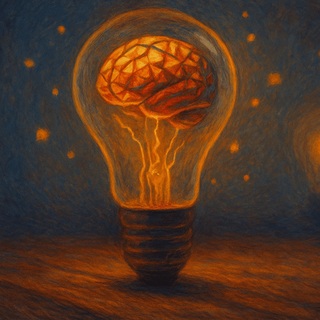
So a little bit of very basic science here is that the brain.
Areas for impulse control for consequences of doing a particular behavior.
For emotional regulation.
And not fully developed.
Until around 25.
And in teenage years.
It's operating with and unfinished brain.
Basically.
An unfinished brain.
I'm saying it like this to help you in those moments where need something to just remind you.
My kid's got an unfinished brain.
My kid's got an unfinished brain and this can help.
You get a bit of distance from it.
Because we can see.
.
.
We make up.
So much.
Our minds make up so much,
Should I say,
A narrative in our head about what they're doing,
What they're not doing.
They're defective.
Right there The end.
Not pursuing hobbies that you would like them to.
They're not talking.
They're grunting.
They're not acknowledging really.
All of these things that are part and parcel of.
Teenagers.
So.
Reward and learning centers are highly active.
Which is why It can feel like.
.
.
Our teenagers are almost dysregulated.
It's those parts of the brain haven't evolved properly yet.
But they are primed for growth.
It's just that their brains are not ready.
But they're not broken and we can really get caught up and believe that.
I know that when I was.
.
.
13 years old.
My mum said she just had had absolute enough of me.
She said she didn't like who I was.
And it wasn't until like 16,
17 that things changed.
So Their brains are under construction.
Remember this,
Their brains are under construction.
What can help shape that construction?
Connection.
Acceptance.
Sometimes,
You know,
You might want to connect and they don't want to connect.
Right.
But ultimately it's.
We disconnect when we show them that disconnection if that makes sense So by by us.
Showing that resistance we're not showing the connection that they actually need And I know that's really hard.
I know it's really hard.
It's there's no.
Perfect.
Book is there there's no perfect rule book for parents So the most powerful thing that you can offer is not.
Correction but connection.
Their brains are under construction.
It needs a steady safe adult to build.
Against.
And that adult is you.
And we're not perfect.
You're not perfect.
We've all got our demons about how we could be better parents.
Just come back to knowing that.
Maybe you're affirming to yourself.
Doing the best I can with what I've got.
I'm doing the best I can with what I've got.
And also there's something that kids need to see,
Which is when we have.
Moved away from the type of person that we want to be in those moments.
We've acted ineffectively.
We've shouted,
We've reacted,
We've done whatever,
Right?
And what is really important for kids to see.
Is the resolve afterwards.
It's actually important for kids to see us become dysregulated.
If they can see the resolve afterwards.
And by the resolve,
I mean like.
.
.
A genuine kind of like,
Hey,
Daddy's sorry that he said what he did and he acted like he did.
And how did you feel at the time and how do you feel now?
And is there anything that you want to ask?
You know,
That kind of thing,
That kind of shared connection.
It's really,
Really important.
Anyway,
I hope this little video has been helpful.
Really,
This video is just a little.
.
.
Validation video.
For for you And hopefully some of that validation can come through to.
You're a teen as well,
Or teens if you've got more than one.
I hope this is helpful.
You take care.