Welcome to Kehillat Mosar.
We will begin in one moment.
Please allow yourself to settle.
Welcome.
Allow yourself to settle.
We'll begin in less than one minute,
Allowing those to enter our live stream and the Zoom room.
We're delighted to have you.
And so it begins.
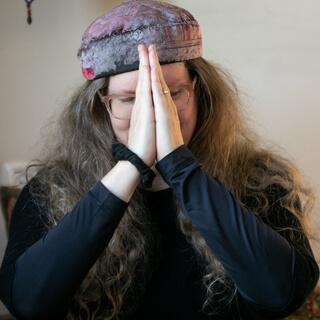
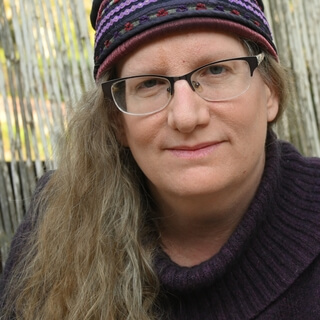
I am Rabbi Hasi Oriel Steinbauer,
The Filming Director of the Institute for Holiness Kehillat Mosar,
Muhon L'Kedusha.
We are based here in the Galil in Israel,
And we obviously meet live with people all over the world teaching,
Teaching Mosar and mindfulness together,
Often in Mosar groups called Vadim,
And are delighted to have you for this practice that we are offering as a free will offering.
So we are in the middle of the 40 days Elul practice.
And we are on day 21 of Elul.
And this is part of the Jewish tradition to begin from Rosh Chodesh Elul,
The new moon of Elul,
The Jewish Hebrew month called Elul,
All the way to the Day of Atonement,
Yom HaKippurim.
And we are basically doing a really deep introspection,
A self-investigation of where we have our work,
Where have we grown this past year,
Where have we taken responsibility and we need to.
And so we've been engaging this together daily except for on Friday and Saturday,
The Shabbat here for me.
And so now we're here together on Sunday.
I'm delighted to have you.
We are now entering our third week,
I believe,
Of the practice.
Let me go through my mind.
Self-forgiveness.
We did the first week of self-forgiveness.
Then we moved to,
No,
It's actually we're in the fourth week.
That's amazing.
Okay.
The second week we covered in someone who was beloved to us and that we got along easily with,
But that we still had caused suffering to the past year as that is easy to do as a human being.
And so we worked on practicing forgiveness of ourselves and of the other.
And then in the third week,
We moved to the neutral person,
The person that is more of an acquaintance,
Someone that we see at the grocery store who checks us out or packs our bags,
The person that maybe walks the dog if we happen to hire someone like that.
How about the postal worker,
Someone that we see delivering mail,
People like that.
It could even be people that,
You know,
Want our parking spot in a location if we drive a car.
So we run into those people,
Often taking them for granted or ignoring them.
And part of the Musa practice is really seeing these people as created in the image of God,
Honoring them,
Giving the time to see them and recognize them and to realize that they too have their moment and their time when they're impatient,
When they're angry,
When they're tired,
When they're hungry and they might act out and have caused us suffering the year.
So we worked on forgiving any of those neutral people anywhere we felt stuck and were holding on.
So now we're in the fourth week,
Delighted to have you where we are moving on to the more difficult task.
And that is forgiving someone that we really have a hard time with.
Someone that we struggle with,
Someone that's caused us suffering has hurt us this past year.
And we may even need to do that work also in the sense that we are that type of person to someone else and that will need to take responsibility and ask for forgiveness.
So we'll move into our intention,
Our Kavanah for the practice today.
I will share screen with you.
Give me one moment.
We begin the practice always with this Kavanah.
So you will see before you before doing acts of caring for the self,
We will say the following.
So why are we doing this now?
Because this half hour practice that you have committed to doing with here with us here at the Institute for holiness,
Kehilak Musar is self care.
And we're doing it so that we can be of service to others and to God.
So we say this,
This is something this half hour practice together,
This is something I am doing to strengthen my own soul in order to be of benefit to others in the future.
So we allow that Kavanah,
That intention to really settle.
Sit with us.
Take it in.
It's quite beautiful.
And we're going to stop sharing and move this down.
And I will begin with a short,
Short sharing that I want to from beloved teacher May his memory be for blessing Rabbi Alan Lou,
Who also was a dedicated practitioner of mindfulness in the Buddhist tradition,
And more through Zen than through the persona.
And in his,
My favorite book to,
To study and to do over the time ever since actually,
And Tisha B'av and even before,
To be honest with you,
A roshvodesh tammuz that's when it really starts for me.
This wonderful book,
This is real and you are completely unprepared.
Tough title.
And chapter five,
Where we say this is real and you are completely unprepared and dealing with slichot.
So for Sephardic Jews,
We began on roshvodesh Elul reciting slichot every day.
For Ashkenazim,
They recite slichot the Shabbat prior to Rosh Hashanah.
So you actually had the people reciting it this past Shabbat,
Actually Moteh Shabbat after Shabbat.
There's actually going to be some congregations here in Israel who will do slichot this coming Shabbat.
So if you haven't participated ever in slichot service,
And slichot meaning really this petitioning,
This forgiveness,
This really intense prayer and beautiful singing,
Really kind of opening our hearts.
I recommend you find something online.
They are they're all online now because of the pandemic.
Beautiful,
Beautiful prayer,
Okay,
To to participate in that.
So he shares on page 93,
I will share briefly.
A mindful awareness of our circumstances often makes things seem worse,
Not better.
This is an illusion,
Of course,
But it doesn't feel like one,
Especially when we are in the first throes of discovery.
Suddenly aware of problems we never knew we had,
We may generally feel that we are much worse off than we thought we were.
We may feel a sense of urgency,
Even of desperation of our plight.
This urgent desperate sense is the emotional basis of slichot,
The week of urgent desperate prayer that commences approximately three weeks into the process of daily contemplation that we began with the blowing of the shofar on the first day of Elul.
So why do I read this?
Because we're at the point right now together entering this fourth week of our 40 days Elul practice of Musar mindfulness,
Where we're actually starting to see,
Wow,
I feel it.
I feel either where I've caused suffering,
Or where I really felt the suffering that others caused me,
And I'm having a hard time.
And we carry that we are we now are at the stage of awareness and acceptance and this investigation.
And we have to move to the nurturing stage,
This really non judgmental non attachments to what we're experiencing,
Because it will change this too shall pass,
But really doing it with self compassion,
With honoring yourself as we started our practice.
And so just know that this is normal.
This is part of the practice,
Especially as we're getting closer and closer to Rosh Hashanah,
The new year,
Where we will stand before our beloved God.
So I just want to honor that you may be feeling this and it's totally normal,
Human experience.
And that we are here take refuge in the vibe in the community and the kahila and the sangha.
Take refuge in God take refuge in Musa and Torah and the teachings.
We will begin our sitting now.
If you cannot sit for either pain,
Chronic pain or that you've just been sitting all day,
Please stand but allow a chair to be next to you or lie down but keep your eyes open so you remain alert and awake.
The rest of us will sit.
Find yourself in an upright,
Dignified position created in the image of God.
Allow yourself to fully arrive with three deep cleansing breaths.
If you have any breathing issues such as asthma,
Or you have survived COVID and having a hard time breathing or even the thought of taking deep breaths is just too much right now.
Honor that.
Take whatever breath you need to bring your attention to the present moment to your anchor of the breath.
Allowing yourself to arrive and to come to stillness.
We will begin with a short body scan.
Paying attention at any moment you notice that trif Daat or that trif Lev,
That torn mind that's pulling you to the past to think about something or to the future to start planning or that torn heart where you're feeling the sensations in your body really embodied in the sensations are pulling you away from the present moment.
We just recognize and allow the practice is always training the mind to come back.
You may shut your eyes if you feel safe and comfortable.
Lower your gaze.
Now your hands to rest your lap or on your heart.
Beginning moving from the top of your head down your forehead,
Your eyes,
Your cheekbones,
Allowing your tongue to even relax.
On the back of the neck to your shoulders,
Down your arms to your fingers,
You may wiggle them.
On your back and your tummy and your chest noticing any sensations that are calling for your attention.
Down into your sit bones.
Notice whatever is going on for you in this moment.
You may say to yourself,
Tight muscle or relax.
Whatever sensations arise for you.
Down your calf muscles to your shins,
To your feet,
Wiggle your toes.
Such a gift to allow this practice to become part of your daily life.
Buying yourself to come to ease,
You may smile.
Sending messages to our brain and our deep recesses of our subconscious that we are here to honor ourselves,
Self-care so that we may serve others in the future,
Bringing God's good to others.
We enter a forgiveness meditation.
Allow yourself to bring to mind that person for whom you are close to or holds a close place in your hearts,
But that you have tension,
That you have struggle.
It's a difficult,
Trying,
Sometimes unpleasant relationship.
For some of us,
It'll be multiple people.
But for the practice today,
Recall the one that is holding the most space in your heart right now that you are allowing to take up free rent.
Let yourself feel all the barriers that you have erected and these emotions that you have carried that you have not forgiven this person.
That perhaps you have not even forgiven yourself.
Let yourself feel any suffering or pain of keeping your heart closed.
Breathing softly now,
The same amount of time of in-breath and out-breath if you are able.
We will begin asking and extending forgiveness,
Reciting the words after me,
Allowing the images and feelings to come up and grow deeper as you repeat them.
There are many ways that I have hurt and harmed others,
Have betrayed or abandoned them,
Have caused them suffering knowingly or unknowingly out of my pain,
Fear,
Anger,
And confusion.
Let yourself remember and visualize the ways that you too may have hurt someone this past year,
Someone with whom you have a trying relationship.
Maybe it was hurtful words,
An eye-rolling,
A not listening,
A not respecting.
See and feel the suffering you have caused out of your own fear and confusion.
Fear your own regret right now.
Sense now together in this sacred safe space that you can release this burden and ask for forgiveness.
This week,
You have to approach this person and to ask for forgiveness.
This is the practice now for the actual Musa work you will do during this week.
Picture any memory that still burdens your heart.
And to this person in your mind,
I ask for your forgiveness.
I ask for your forgiveness.
There are many ways that I have hurt or harm myself.
You will say now this is about forgiveness for yourself.
I have betrayed or abandoned myself many times through thoughts,
Word,
Or deed,
Knowingly or unknowingly.
Let yourself feel and see the ways that you continue to hurt yourself and cause suffering.
Feel any regret or sorrow that you have carried.
And now in this safe sacred space,
You can release these burdens.
One by one with each breath,
Say to yourself,
For the ways I have hurt myself through action or inaction,
Out of fear,
Pain,
Confusion,
Unbalanced me don't.
I now extend a full and heartfelt forgiveness and say to yourself,
I forgive myself.
I forgive myself.
And now we will move to forgiveness of those who have hurt us.
Recalling your person with whom you struggle an unpleasant relationship at times.
Say to yourself quietly,
There are many ways I have been harmed by this person.
Treated poorly with disrespect,
With impatience,
With anger,
Knowingly,
Unknowingly,
And thoughts,
Word or deed.
Allow yourself in silence to picture and remember any of the ways that are burning your heart right now.
I will be silent for the next 30 seconds.
Feel the sorrow you have carried.
Sense now in this sacred safe space that you can release the burden of carrying the suffering by extending forgiveness.
You can say to yourself,
I now remember the many ways you have hurt me out of fear,
Pain,
Confusion and anger.
I have carried the suffering in my heart too long.
To the extent that you are now ready,
Offer them forgiveness.
Gently and kindly say to yourself,
To them,
I forgive you.
I forgive you.
Allow yourself now in the next few minutes of silence to gently repeat these directions of forgiveness until you feel a release in your heart,
In the sensations in your body and in an embodied experience.
Know that for great suffering,
Great pain,
You may not feel the release today.
Touch this softly.
Forgiving must be done when one is ready to let go and move on.
We will have this week together to practice.
Simply continue the practice and let the words and images gradually work their way.
We will now enter silence.
You will hear my bells when we are ready to return to our shared space.
Thank you.
Gently opened your eyes.
You are ready.
Meet us back in this space wherever you're joining us on YouTube,
Facebook,
LinkedIn,
Twitter,
All the social media that exists,
Including Zoom.
We're grateful to have you.
Thank you for your practice.
Thank you for sitting.
Thank you for learning.
It is our practice that we share together the forgiveness prayer that is in the Jewish tradition and every sudour that I'm aware of,
Every Jewish prayer book that we traditionally say before bedtime so that we do not go to sleep with anger and with a lack of forgiveness.
God forbid that we shall pass away or the other person that we want to make sure that we have really let go also for just a healthy good night's sleep.
So we have before us,
It says the Shema before sleep at night.
The Shema is the central Jewish prayer that we say morning and evening of Shema Yisrael Adonai Elohim Adonai Echad.
And here is the English that we say together right here.
I hereby forgive anyone who is angered or provoked me or sinned against me physically or financially,
And by failing to give me due respect,
Or in any other matter relating to me,
Involuntarily or willingly,
Inadvertently or deliberately,
Whether in word or deed,
Let no one incur punishment because of me.
Let everyone that I am holding forgive me,
May I forgive them.
May we really let go of these burdens to be able to enter the new year together with a pure heart.
It's a purification practice.
Thank you for joining us.
We welcome sponsorships in honor and in memory of anyone.
We have accept sponsorships for each day's teaching and sitting,
You can be in touch with us at our website.
And any other way that you find us on social media.
And we also accept your freewill donation known as DANA and the Buddhist tradition,
Where you give either daily for each sitting or at the end of the 40 days practice to allow us at the Institute for holiness to continue to make these offerings to support something that is so meaningful to you and has given you so much during this time.
We thank you.
I'm honored that you joined us.
I'm honored for your practice.
Please meet again tomorrow at 1030am Pacific standards time.
1.
30pm Eastern Standard Time.
8.
30pm Jerusalem time.
You wish your life.
Thank you.
Wishing you all a good day.
Good night from wherever you're joining us.
God bless