
The world’s largest free audio library for everyday wellbeing
Real people. Real life. Real time.
Retreat categories
All RetreatsYoga RetreatsWellness RetreatsMeditation RetreatsYoga Teacher TrainingWomen's RetreatsYoga Retreats in BaliYoga Retreats in United KingdomYoga Retreats in AustraliaYoga Retreats in ItalyFind Your Perfect Retreat
Discover transformative Retreats led by Insight Timer's best teachers.Reconnect, recharge, and return renewed.
The world’s largest free audio library for everyday wellbeing
Blog categories
Mental Health and WellbeingTips and GuidesScience and ResearchTraditionSpiritualityAt WorkTop Articles
How to Meditate
Meditation is something everyone can do. Practicing can help improve your health and wellbeing.
Explore MeditationMeditation Timer
Free meditation timer with customizable intervals, bells, and ambient sounds.
Meditation Timer Online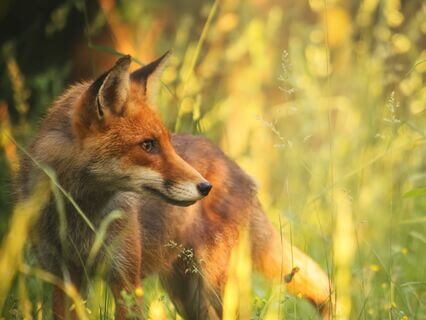
COURSE
Animal Myths And Legends In Finnish Folklore
With Niina Niskanen
Before the arrival of Christianity, early inhabitants of Finland practised animistic nature-based belief, where everything in nature had its own place and spirit. Some of the historical artefacts show that belief in the totem animals was strong as well. In this course, you will learn about the history of ancient Finland and some of the intriguing animal myths. How the cat was created in the warmth of the sauna, how northern lights are created by the magical fox and how the moose carries the sun in its antlers. Some of these stories like the bear being landed from the starry skies can be traced as far as the stone age. These stories are dreamy and magical,, but they also reflect the nordic nature and how people saw animals as companions and sometimes even as gods and goddesses. We will go through myths related to some of the most important animals in mythology. How the swan was originally a man but was turned into a bird, and it was forbidden to kill swans because they had the soul of a human. How the giant moose almost destroyed an entire land. It was created by the trolls and always was wild and untenable. Bear cult existed in Finland for centuries. Bear was a holy ancestor, a witch and a shaman. It knew things. Bear was feared and beloved at the same time. Cared for and protected by Mielikki the mistress of the forest, the bear became one of Finland's national animals. By the end of this course, you have a better understanding of Finnish mythology and the animal connection. The goal is to deepen our knowledge and wisdom and creativity through myths and folklore by examining the myths and the archetypical meanings behind them.
Meet your Teacher
read more
6 Days
439 students
4.7 stars
10 min / day
Relax
English
4.7 (9)
Recent Reviews
George

December 12, 2024
Quite interesting! Thank you!
Anne
April 28, 2023
Another very interesting course about Finnish folklore. I got a good understanding about the lessons the animals can teach and look forward to any new course
Candice
April 20, 2023
A wonderful journey through Finnish animal mythology, I now have a great understanding of ancient beliefs in this area🫶🏼 Thank-you 🙏🏼
More from Niina Niskanen

Trusted by 37 million people. It's free.

Get the app


