
The world’s largest free audio library for everyday wellbeing
Real people. Real life. Real time.
Retreat categories
All RetreatsYoga RetreatsWellness RetreatsMeditation RetreatsYoga Teacher TrainingWomen's RetreatsYoga Retreats in BaliYoga Retreats in United KingdomYoga Retreats in AustraliaYoga Retreats in ItalyFind Your Perfect Retreat
Discover transformative Retreats led by Insight Timer's best teachers.Reconnect, recharge, and return renewed.
The world’s largest free audio library for everyday wellbeing
Blog categories
Mental Health and WellbeingTips and GuidesScience and ResearchTraditionSpiritualityAt WorkTop Articles
How to Meditate
Meditation is something everyone can do. Practicing can help improve your health and wellbeing.
Explore MeditationMeditation Timer
Free meditation timer with customizable intervals, bells, and ambient sounds.
Meditation Timer Online
COURSE
Conscious Parenting Through Self-Knowledge & Unconditioning
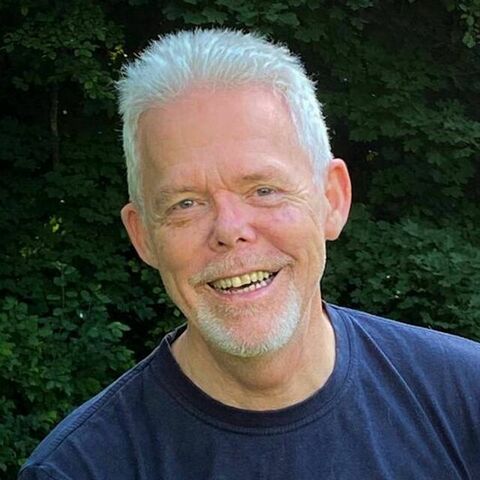
With Jan Moller
This course is focused on how to improve the upbringing and education of children and adolescents through understanding our own social conditioning and how to free ourselves from our emotional burden of the past. This self-knowledge and awareness helps us create a more harmonious and balanced personality and thus, become not only better parents, but also better partners, educators, and leaders. Care and education are the foundations of parenthood. All parents face dilemmas and difficulties, and because of this, it is normal to feel that sometimes we fail. As the father of 4 children, Jan claims that the role of the parent is one of the most difficult and demanding roles in human life. The way that parents, educators, and significant others treat children has a profound impact on their abilities to create harmonious lives as adults, and thus on the quality of our society. Doesn't it seem strange to you that society does not require any preparation to assume this crucial role for the development of the individual? This course aims to share reflections and tools for the development of a more conscious parenting. The goal is to reduce the unconscious repetition of self-defeating and negative behavior patterns resulting from the harmful methods of the traditional socialization process. The modification of the same in the upbringing and in the educational system is essential in order to be able to guide our children in a way that helps them fulfill their potential and live happy lives. And happy people make a happy world.
Meet your Teacher
read more
15 Days
2.1k students
4.6 stars
12 min / day
Love
English
4.6 (32)
Recent Reviews
Emma

June 22, 2024
This subject is very difficult to approach as people can become very defensive very quickly. How beautifully paced with a very nice pace and bitesize, digestible sessions. I am a psychiatrist and psychotherapist myself and found this course refreshing and helpful.
Laurie
July 18, 2023
I have a teenager who is about to graduate. I wasn't expecting some of the things the course taught me. This course adresses some of the shadows we've encountered in our lives, how they effect our parenting style, and how to work on ourselves to be more effective and loving parents. I especially found the last class beneficial to my own circumstances. I enjoyed this course and have found it so helpful!
Alessandra
June 19, 2023
Thank you, excellent principles
Kassy
March 11, 2023
I enjoyed every single minute of this. Thank you so much.
Beverly
December 12, 2021
I enjoyed this course as a great grandmother to a 4 year old boy that I keep 5 days a week for long hours. I’ve been using your suggestions along the way. I related well to day 14 and I plan on following your suggestions around meals. The struggle is real! Thank you for this wonderful course.
vjh
November 4, 2021
I really enjoyed this course.
Autumn
October 23, 2021
This was so insightful. Each day had a lot of relevant information for parenting.
Cherie
August 22, 2021
Chris
August 18, 2021
Thank you that was very helpful and supportive of my journey
More from Jan Moller

Trusted by 37 million people. It's free.

Get the app


