
The world’s largest free audio library for everyday wellbeing
Real people. Real life. Real time.
Retreat categories
All RetreatsYoga RetreatsWellness RetreatsMeditation RetreatsYoga Teacher TrainingWomen's RetreatsYoga Retreats in BaliYoga Retreats in United KingdomYoga Retreats in AustraliaYoga Retreats in ItalyFind Your Perfect Retreat
Discover transformative Retreats led by Insight Timer's best teachers.Reconnect, recharge, and return renewed.
The world’s largest free audio library for everyday wellbeing
Blog categories
Mental Health and WellbeingTips and GuidesScience and ResearchTraditionSpiritualityAt WorkTop Articles
How to Meditate
Meditation is something everyone can do. Practicing can help improve your health and wellbeing.
Explore MeditationMeditation Timer
Free meditation timer with customizable intervals, bells, and ambient sounds.
Meditation Timer Online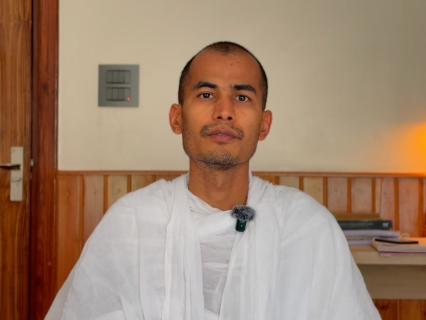
COURSE
Live Directly: Stop Believing Everything You Expect
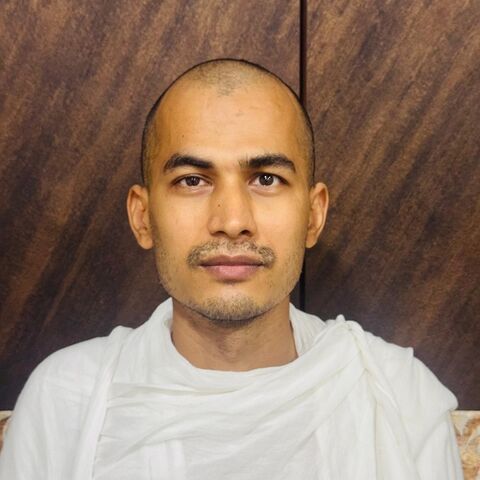
With Mahaprana
Before this meeting, you expected stress. Before this meditation, you expected peace. Before this task, you expected failure. And then — something different actually happened. The mind does not simply observe life. It constantly predicts it. And most of the time, those predictions shape how we feel, what we avoid, what we chase, and how much we suffer — before anything has even begun. Nowhere is this more visible than in procrastination. The task feels impossible before it starts. The conversation feels unbearable before a single word is spoken. The practice feels pointless before a single breath is taken. And so we wait. We delay. We avoid. Not because the task is actually hard — but because the mind's prediction of it is. This course directly dismantles that mechanism. Across three progressive practices, you will learn to predict your own thoughts before meditation and discover what actually arises, sit with time itself — observing how mental state distorts the felt experience of duration, and pause before any task or interaction and compare imagined experience with actual reality. What this course does for you: — Breaks procrastination by exposing the gap between imagined difficulty and actual experience — Reduces anxiety by testing fearful predictions against direct reality — Improves meditation by dissolving fixed expectations of how practice should feel — Builds patience by revealing how emotional state distorts the perception of time — Weakens blind habits by comparing expected pleasure with actual satisfaction — Develops genuine self-knowledge through honest, repeated reality-testing This is not positive thinking. This is not reframing. This is something more honest — learning to see the gap between what the mind imagines and what life actually offers. Who this course is for: Anyone who overthinks, avoids, procrastinates, assumes, or suffers from the distance between what they expected and what they got. The mind predicted. Awareness observed. Reality revealed.
Meet your Teacher
read more
3 Days
20 students
5.0 stars
10 min / day
Anxiety
English
5.0 (5)
Recent Reviews
Tetiana

June 16, 2026
Thank you so much. Very helpful course 👌

Trusted by 37 million people. It's free.

Get the app


