So mindfulness,
A lot of people think that mindfulness means becoming calm.
And emptying our mind,
For instance.
Because sometimes we can sit down to meditate formally and become even more aware that our mind is busy.
And we can get caught up in that thinking,
Well,
I'm supposed to have a calm mind.
I need to be calm.
Mindfulness is about being with.
Whatever is unfolding in our external world.
And our internal world.
Whichever we're focusing on.
If it's our internal world,
I mean thoughts,
Feelings,
Sensations and urges.
So mindfulness is about being open and receptive.
To the external world.
Our internal world,
Basically everything.
It's about being with what is in the present moment.
Where practice comes in is finding an anchor.
An anchor is any point of connection that is not in your head.
It could be sounds.
It could be a particular sound that you focus on and come back to.
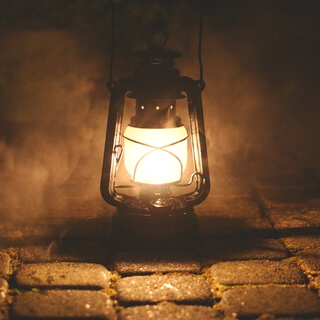
It could be a candle.
A candle that you focus on and come back to when you're distracted.
It could be the breath,
Of course.
Let's look at the breath now.
So many breathing techniques out there,
Breath works.
Taking control,
Counting the breath,
Extending the exhale,
All of these amazing things that soothe the nervous system.
They are not strictly mindfulness of the breath.
Mindfulness of the breath,
If we're choosing the breath as an anchor.
Mindfulness of the breath.
Is allowing the body to breathe,
Allowing the breath to do its thing.
Why?
Because mindfulness is allowing everything to be.
Mindfulness is noticing and allowing the external world to unfold around us.
It's allowing our internal world of thoughts,
Feelings,
Sensations and urges to be.
So mindfulness of the breath.
Is allowing our body to breathe.
The question is,
How can I practice mindfulness?
And so it comes back to what I was saying earlier about you choosing an anchor.
What's your favorite point of connection that helps keep you grounded?
That helps you be better.
Less distracted.
Because some people prefer.
Sounds than the breath.
Other people prefer breath than the sounds.
Some people prefer gravity.
Some people prefer to be with the breath and then open up to what we would call open awareness,
Which really is the experience of mindfulness,
Open awareness,
Opening up to everything and allowing the external world and our internal world to be.
That last little bit is the definition of mindfulness,
But for the practice we need a point of connection to practice our awareness.
Anchoring our point of focus,
Right?
Anyway,
I hope that's helpful.
In a nutshell,
Mindfulness is a set of skills.
Different skills that we can use,
Which includes a formal practice like you are here.
Drawing on a guide to help you.
Come back when you're distracted and enhance the connection that you're focusing on.
So.
.
.
I hope that's helpful.
Being open and receptive to our external world,
Our internal world.
If you like being open and receptive to body,
Mind and world.
And choosing the mindfulness skill.
That can help us along the way.
Thanks guys,
See you again soon.