Beyond Resiliency: Fostering Post-Traumatic Growth - by Dr Justin Ross

COURSE

Beyond Resiliency: Fostering Post-Traumatic Growth

With Dr Justin Ross

In a time of significant life disruption, many people find themselves questioning what possible good could emerge from such significant distress. With mounting concerns coming from the impact of the pandemic over the last year, it is easy to feel the loss, anxiety, and burnout associated with such a sizable upheaval in our daily lives. And it's not just the pandemic. Any significant life disruption or traumatic experience in our lives can leave us contemplating, “Why bother?” Although traumatic experiences can wreak havoc in our lives that lead to major concerns, we have come to learn that significant negative experiences can also be a catalyst for seismic positive shifting. This process can lead to us recognizing personal strengths, exploring new possibilities in our lives, improving relationships, finding a deeper appreciation for life, expanding creative potential, and connecting to or enhancing spirituality. All of this because of, not despite, hardship. One of my favorite sayings in clinical practice is, “Through challenge, we become.” Fostering post-traumatic growth helps you discover the elements for putting proactive, positive change in your life, regardless of the unique hardships, adversity, or challenge you are facing, including those specific to the COVID-19 pandemic, and extending to any other stressors, trauma, or inflictions you may have endured.


Meet your Teacher
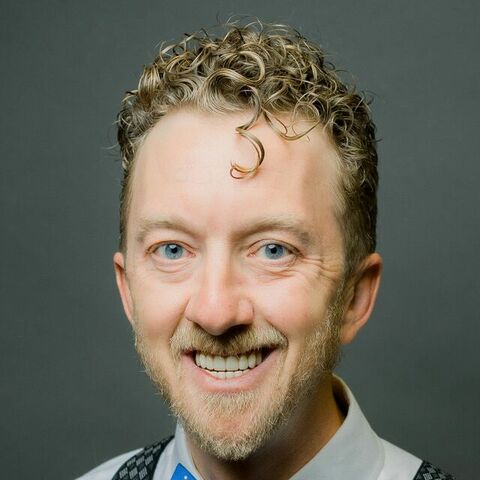
As a clinical psychologist specializing in mindfulness, health psychology, and human performance psychology, Dr. Justin Ross can help you achieve your goals, from improving performance to breaking through your limits or even setting you on the right path toward aligning with your life's purpose.

read more

10 Days

2.5k students

4.8 stars

11 min / day

Stress

English


Lesson 1

Disruption & The Stress Cycle

If we’re merely taking a short-term view, the novel COVID-19 virus and subsequent impact on our lives has been one of the major disruptions. Collectively, data on mental health concerns has shown alarming rates of increased anxiety, depression, burnout, and trauma since the pandemic began. Many report continued anxiety about re-emerging into the world in the coming weeks, months, and years. Disruption, stress, and trauma, regardless of the underlying trigger, have a similar physiological pathway that includes activation of the sympathetic (fight or flight) nervous system. This process has a similar psychological pathway as well. Today’s initial session will uncover the deeply human reactions involved in the stress, phyioslogical, and psychological responses with traumatic experiences, including the major hallmarks of: ~ Anxiety (unpredictability, uncertainty, lack of control, and threat to values) ~ Depression (tangible and ambiguous loss) ~ Burnout (emotional exhaustion, depersonalization, and decreased satisfaction) ~ Trauma (just because you may be used to it does not mean you are not affected by it) It bears repeating that these reactions are deeply human in nature, and extend beyond the pandemic to any traumatic experiencing you may have endured.

read more

Lesson 2

Resiliency

We all intuitively have a sense of what resiliency means, and we each would likely define it with some shared agreement that this concept converges on our ability to get through hard times. Human beings are hardy creatures: we have endured so much in our collective human history. But just because we've endured, doesn't mean we haven't struggled, suffered, or experienced extreme bouts of hardship. Resiliency has been studied and researched extensively, as we all recognize the fundamental importance of this concept in our individual and collective well-being. The two psychological frameworks of resiliency that stand out time and time again include: 1. Our ability to bounce back 2. Flexible adaptations to meet changing demands Today’s lesson will discuss the resiliency framework in detail, with guided practice towards reflection on how you are already engaging in resiliency practice in your daily life. We will place emphasis on how we can develop cognitive flexibility in our daily lives.

read more

Lesson 3

Beyond Resiliency: What is Post-Traumatic Growth?

Whereas resiliency focuses on how we get through hardship, the general concept stops at surviving, and therefore, stops short of a fundamental understanding of our human potential for thriving; that "Through challenge, we become." Adversity, hardship and trauma, although unpleasant and likely life-altering, offer us an amazing opportunity for growth and expansion in our lives. Post-traumatic growth (PTG) is the framework for how we might ultimately thrive in the face of adversity. PTG, first and foremost, is the understanding that our bodies have a well-worn physiological path for processing stress and trauma through our nervous system, primarily through activating the sympathetic (fight or flight) branch. At some point, enough exposure to major life disruption leads to internal questioning in a cognitive reckoning regarding what possible good could come from any of these experiences. We’ve seen that people can not only live through hard times, but can adapt, grow, and come out stronger than ever before. Many who have endured significant hardships not only demonstrate remarkable levels of resilience, but they thrive following. The PTG process requires deep work and committed practice, that, at its core, begins with a cognitive reckoning involving deep contemplation.

read more

Lesson 4

7 Areas Associated With Post-Traumatic Growth

Defined as a “positive psychological change that occurs as a result of the struggle with highly challenging life circumstances,” post-traumatic growth has been shown to lead to 7 areas of change, including: 1. Greater appreciation of life 2. Strengthening of close relationships 3. Increased compassion and altruism 4. The identification of new possibilities or a purpose in life 5. Greater awareness and utilization of personal strengths 6. Enhanced spiritual development 7. Creative growth Today’s lesson will describe these growth areas in more detail.

read more

Lesson 5

Element Of Growth #1: Education & Understanding

Now, don't get me wrong, none of this easy. The path of post-traumatic growth is hard, at times arduous, work. Like all things worth creating, the process of PTG requires committed action and discipline. It's rare that PTG happens without the involvement of 5 factors: 1. Education and understanding 2. Emotional regulation 3. Disclosure and communication 4. Narrative development 5. Service and meaning At the start, we must first recognize that taking these steps will likely fundamentally go against our human tendencies to avoid extremely uncomfortable experiences. Experiential avoidance is a human characteristic designed to protect experiencing further pain or distress. Education and understanding is element number 1 in this process. We must begin by normalizing the impact caused by extreme hardship, including our natural instincts to protect ourselves, which thus impacts how we approach or avoid those situations and experience. Understanding how we naturally process these experiences and the inflictions they cause brings increased awareness. And awareness is a foundational ingredient in working through, not moving past, these experiences.

read more

Lesson 6

Element Of Growth #2: Emotional Regulation

Being fully present is just the start. Managing our psychological experiences in mind, body, and emotion, especially those that encompass negativity or pain, is at the heart of continued growth. With hardship comes a naturally tendency to experience strong emotions (anxiety, sadness, fear, anger, and/or guilt), along with powerful thoughts including failure, regret, guilt, uncertainty, doubt, and catastrophe. Emotional regulation is not about not experiencing pain, rather, it's about understanding our own ability to influence our experiences in mind, body, and mood to work through (not past) pain. This requires deliberate shifting of our focus through cognitive, behavioral, physiological, social, and emotional skills. We have an amazing ability to regulate our experiences to align with a more valued sense of how we want to be in this moment. Emotional regulation helps establish further engagement in the PTG work.

read more

Lesson 7

Element Of Growth #3: Disclosure To Broaden & Build

Talking about our experiences is critical in being able to evaluate them clearly, understand the effects they have had (and continue to have) in all areas of our lives, and identify the possibilities we may be able to take to address and ultimately work through these concerns. Negative experiences in our lives lead to a tendency to become restrictive, guarded, and focused on protection and safety. Seeking safety is a normal human repsonse to adverse events. The only path to expanding and potential growth is through creating space around the events we've experienced and the experiece of those events. This requires a process of articulating and talking through the experiences in a supportive environment. Today’s lesson focuses on developing a framework surrounding talking through these experiences with an emphasis to broaden and build upon our options moving forward.

read more

Lesson 8

Element Of Growth #4: Narrative Development

Our self-talk is critical in our well-being. We first need to bring awareness to our current narrative surrounding the situation we find ourselves in, including an authentic reflection about the messaging we are telling ourselves about our stressors, trauma, and hardships. We then have the opportunity to shape our narrative through managing our self-talk that aligns with our values and desired way of being. Learning to craft our internal messaging is vital in aligning with growing through our unique obstacles. Our mindset is powerful - we get whatever follows “I am” in our thoughts. Today’s lesson will discuss the importance of narration in your personal journey and help guide through a framework of being the orchestrator of your own mind.

read more

Lesson 9

Element Of Growth #5: Service, Purpose & Meaning

Generally speaking, we can reshape our perception of hardship more productively when we can connect to work that benefits others. This can come in the form of small or large acts of service. Expanding our purview to include meaning and connection beyond our immediate selves helps us reframe our experiences aligned with both personal and communal good.

read more

Lesson 10

Optimism & 3 Good Things

Optimism is a bedrock principle of positive psychological and overall well-being. Gratitude practice has been demonstrated to connect us to a number of positive physical and psychological outcomes. Three Good Things is a well-researched practice that takes gratitude practice a step further by helping bring awareness to the influence of our own actions on our sense of well-being on a daily basis. Today's concluding practice will center on how to engage in a genuine practice of 3 Good Things, with an emphasis on fostering psychological well-being and keeping you on the path of post-traumatic growth.

read more


4.8 (112)

Recent Reviews

Heidi

November 1, 2025

Worthy if a listen. It sparks my curiosity to find more in depth discussion into post-traumatic growth. This course skims the surface and well thought out.

Allison

November 21, 2024

Very impactful! Thank you, Dr. Justin Ross!

Kae

April 9, 2024

Merci!✨️

Ramsey

May 24, 2023

Is there a part two? Great course. Thank you.

Irwin

May 8, 2023

I have a psychopathic neighbor, this course helped me stay focused on my positives. Thank you, Justin

Kamila

March 19, 2023

I could really identify with most of the themes in this course. Important to point out: one has to ‘be ready’ to take such a course, though some of this ‘readiness’ can be easier understood after listening to chapters 1-3

Vera

February 6, 2023

🌟 Helpful 🌟. Thank you 🙏.

Julia

December 26, 2022

This course was fantastic! I am currently attending a trauma support group and this course provided so much valuable information for me to move through not past my trauma! I will use this knowledge and skills moving forward. I have been journaling my daily gratitude list at beginning of my day and now I will begin the 3 good things at the end!! Thank you so much! It was concise and very applicable to my situation and it will help so much with my post traumatic growth!!! It reinforced my refound optimism too!!! I also loved your explanation of what trauma is and how we humanly, normally respond to it. Makes so much sense!!

Dharman

December 7, 2022

As a combat vet, this is such an important course. I’ve already recommended to others! We understand Task & Purpose in uniform, but that doesn’t always translate to the civilian work culture where it’s more like, “What have you done for me lately?!” It takes deliberate effort for an individual to overcome that shift, while also facing scars of traumatic experiences. Thanks for making a course that provides a path.

Monique

November 26, 2022

Brilliant course, knowledgeable and practical in its application.

Suzanne

June 4, 2022

This is an exceptional course for anyone trying to figure out next steps after experiencing a traumatic event. It’s not a meditation, but a step by step guide that helped me to answer the question, “Now what?” I would recommend keeping a notebook handy while listening.

Tracey

April 12, 2022

As I am processing my trauma, it was helpful to learn that many of my responses are “normal”, that I am not crazy, and WHY I am having those responses.

Vida

January 1, 2022

War sehr theoretisch und philosophisch, für mich persönlich zu wenige praktische Tipps, wie man mit post Trauma umgehen kann.

Christy

December 11, 2021

This is a course I will listen to over and over! The teachings are spot on and have been a great support to me as someone with cptsd. Thank you for sharing your wisdom 🙏🏼

Amy

December 9, 2021

Thank you 🙏

Shelley

October 28, 2021

This study has been important for me. I have gone through it twice and taken notes to help my understanding. It is a powerful course. I highly recommend it. Thank you.

Anju

September 8, 2021

Highly authentic and hits the nail! Highly recommend ! Thank you for this doc!❤️🙏

Joanna

July 4, 2021

A very helpful course, thankyou Dr Ross🙏💚🦋

Nisi

June 21, 2021

Powerful. Challenging. Rewarding. Freeing. Soothing and healing, like a delicate gentle rewiring that lifts away painful obstacles to reclaim a destiny one can control. Helped me to migrate from closing the long chapter of healing trauma to this new chapter of post-trauma, a state closer to pre-trauma paired with wisdom and experience. The sessions are so intense, just the right dosages. I love the pace, feeling and genuine care in Dr. Justin Ross’s demeanor and look forward to listening again and additional courses. Gratitude for this course and the formal gratitude practice to actively seek positive opportunity. Thank you.

Alyson

June 19, 2021

An interesting course which allowed you to take simple steps to address some of the negatives which linger following trauma.

Trusted by 34 million people. It's free.

Insight Timer

Get the app