
The world’s largest free audio library for everyday wellbeing
Real people. Real life. Real time.
Retreat categories
All RetreatsYoga RetreatsWellness RetreatsMeditation RetreatsYoga Teacher TrainingWomen's RetreatsYoga Retreats in BaliYoga Retreats in United KingdomYoga Retreats in AustraliaYoga Retreats in ItalyFind Your Perfect Retreat
Discover transformative Retreats led by Insight Timer's best teachers.Reconnect, recharge, and return renewed.
The world’s largest free audio library for everyday wellbeing
Blog categories
Mental Health and WellbeingTips and GuidesScience and ResearchTraditionSpiritualityAt WorkTop Articles
How to Meditate
Meditation is something everyone can do. Practicing can help improve your health and wellbeing.
Explore MeditationMeditation Timer
Free meditation timer with customizable intervals, bells, and ambient sounds.
Meditation Timer Online
COURSE
Learn To Host Life Changing Healing Circles: Strengthen Your Relationships
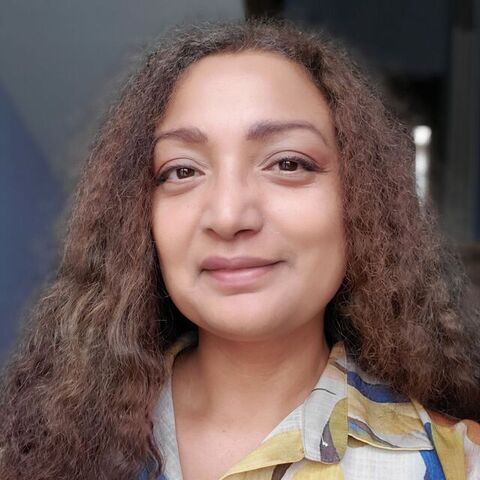
With Ellen Mouton
Do you want to learn how to host healing circles that foster healing, connection, and transformation for yourself and others? Do you want to develop universal soft skills that can enhance your personal and professional lives? Do you want to strengthen your community with love? If you answered yes to any of these questions, then this course is for you! In this course, you will learn how to host healing circles, a form of group process that supports healing, connection, and transformation and that is spreading fast in communities. The world needs healing, the world needs you to facilitate healing through healing circles. You will learn the principles and practices of healing circles that create a safe, respectful, and supportive space for everyone. You will learn the roles and responsibilities of hosts and guardians who facilitate and protect the healing circle process. You will learn the skills and tasks that are essential for hosting a healing circle, such as opening, framing, inviting, guiding, closing, etc. You will learn the tools and resources that can support your hosting and guarding practice, such as books, websites, training, coaching, etc. You will also learn the universal soft skills that can be developed through healing circles, such as communication, listening, empathy, authenticity, etc. You will learn the exercises or activities that can enhance your universal soft skills in a healing circle setting, such as deep listening, being okay with silence or unknowns, asking open-ended questions, sharing from the heart, etc. You will also learn how to apply your universal soft skills in other situations or relationships, such as collaborating with colleagues, negotiating with clients, volunteering for a cause, etc. Finally, you will learn how to reflect on your universal soft skills development, such as self-assessment, feedback, reflection, action, etc. By the end of this course, you will be able to: Host your own healing circles and invite others to join Facilitate and protect the healing circle process with confidence and competence Use various tools and resources to support your hosting and guarding practice Develop and enhance your universal soft skills through healing circles Apply your universal soft skills in other situations or relationships Reflect on your universal soft skills development and set goals and action plans for your continuous learning and growth Listen deeply Your takeaways from this course will include: A practical and comprehensive guide to hosting healing circles that support personal and collective well-being, growth, and change A set of exercises or activities that can enhance your universal soft skills in a healing circle setting 2 bonus practices where you’ll learn deep listening and empathy Each session includes an audio lecture, a quiz, a journal prompt, practices and exercises. You will also have access to a virtual classroom where you can interact with the instructor and other students. This course is suitable for anyone who is interested in hosting healing circles and developing universal soft skills. Whether you are a beginner or an experienced host or guardian, whether you want to host healing circles for yourself or for others, whether you want to host healing circles online or in person, this course will help you learn and improve your hosting healing circles and developing universal soft skills. If you are ready to embark on this exciting and rewarding learning journey, enroll in this course today and start hosting your own healing circles that heal, connect, and transform! Materials: 1 journal 1 notebook You will need to take notes as this is a comprehensive course on how to effectively host a healing circle. After the course, you will have everything you need to start a professional circle.
Meet your Teacher
read more
6 Days
907 students
4.8 stars
23 min / day
Compassion
English
Ask your teacher
This course includes 14 community questions and 11 audio replies from Ellen Mouton. The community classroom and teacher audio replies are only available via the app.
4.8 (4)
Recent Reviews
Lacouir

February 11, 2024
This course was so ontime for me, thank you so much! It is the answer to a manifestation and prayer for guidance to begin this work. I am in the process of doing some self lineage healing presently. I believe this course will help give me guidance in starting my own healing circles with family, friends, and wider communities of color! Again, thank you so much! 🙏🏾
Bill
August 17, 2023
H
More from Ellen Mouton

Trusted by 36 million people. It's free.

Get the app


