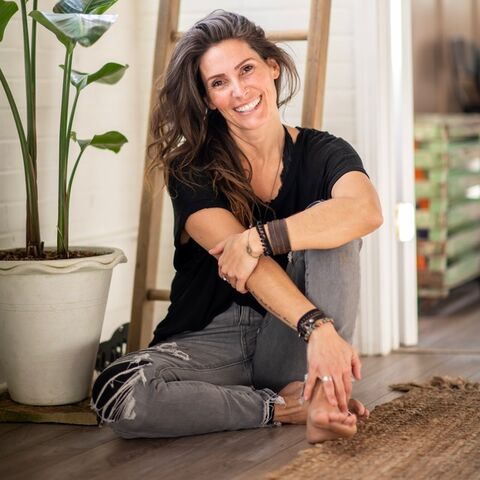
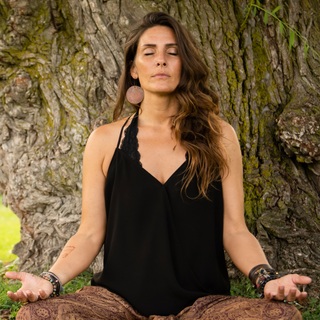
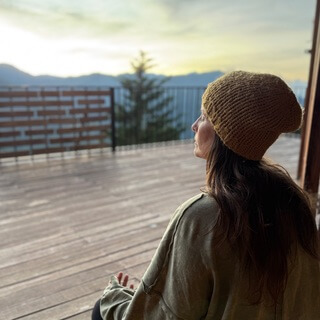
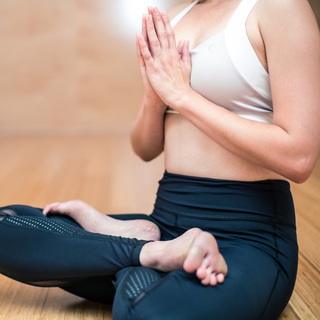
Coming into a comfortable seated position,
I want you to relax your body,
But also have some of that attentiveness that we speak about,
A long straight spine and shoulders stacking over top of hips,
Finding that balanced space for the head to be in.
You can relax the hands into the lap,
Or set them on your knees,
Or even rest them against your thighs.
And then I want you to soften through the jaw.
Think about creating a little bit of gap between your teeth,
And maybe bringing the lips softly together,
But just softly,
Not pursing the lips or creating any kind of clenching,
Instead softness in the face,
And maybe letting the tongue rest on the roof of the mouth.
The eyes find a soft gaze,
Or maybe they close,
And you feel extended a bit,
Right?
The spine feels long,
But the shoulders soft,
The hands soft,
The arms relaxed,
And as we enter into this position together,
I just want us to take a big,
Nourishing,
Cleansing,
Refreshing,
Reset breath all the way in,
And all the way out.
So we're going to practice together today a little bit of breath retention,
But it's really,
Really subtle.
Sometimes we come into a practice of holding the breath for an extended amount of time,
And we have different reasons for doing that,
But the reason that we're doing our subtle breath retention today is we're trying to convince the body that there's no reason,
No immediate reason to take the next breath in.
When we create a gap,
When we create a small space between the bottom of our exhale and the next inhale,
It tends to send our body the message that we're not being chased by the tiger,
That we don't need to be in that space of fight or flight,
Or that stressed out mode.
And so we create this little space,
This little place of holding onto that breath,
But empty,
So that we can convince the body everything's okay,
So okay,
As a matter of fact,
That it's not imperative to take the next breath in immediately after the exhale.
So we'll practice a few times together,
And then I'll let you practice a bit on your own.
The practice will go like this,
We'll take an inhale together,
And then a slow exhale,
And at the bottom of that exhale,
I just want you to hold the breath in a really natural way.
I want you to hold the breath until you get that first signal from the body that says,
Okay,
I need the next breath in.
We're not holding past that,
Because we don't want to create stress in the body.
Instead,
We wait for that signal,
Like a little tapping on your own shoulder,
And then in a very calm way,
Or as calm as we can,
We're going to take the next breath in and out.
We'll take two refreshing breaths in and out,
Just nice and slow and evenly,
And as neutral and as natural as possible.
And then,
We'll hold at the bottom of that third exhale,
We'll take an inhale for the third time,
We'll exhale for the third time,
And we'll do that small breath for tension.
And I want you to do it at your own pace.
And so sometimes it's really difficult to guide this practice,
Because it's so personal.
But we'll try to do it at least two to three times together,
At least kind of putting out that direction,
The indications,
And then I want you to be able to take it out on your own.
Let's take a refreshing breath in and out,
Just a small,
Slow inhale,
A small,
Slow exhale.
Good.
And then just a normal breath in,
And out.
And as you get to the bottom of that exhale,
That's where I want you to hold.
Don't take the next breath in until you're ready.
When your body gives you that signal,
Maybe five seconds,
Ten,
Maybe for you it's a longer breath for tension that just feels good.
You'll take the next breath in really naturally,
Let it come in without stress,
Without strain,
And then you exhale.
And you'll do another normal breath in and out at your own pace.
The third time that we draw that breath in,
We're going to draw the breath in and let it go,
And at the bottom of that exhale is where we hold the breath,
Small breath for tension.
Nothing that creates,
Again,
Strain,
Pain,
Stressfulness in the body,
But just this small place of observation,
Of not inhaling until your body tells you it's time.
And then as naturally as you can after that breath for tension,
Take the next inhale,
Let the next exhale go.
Another normal breath in and out.
And when you're ready to try a third time,
You take an inhale,
And you let the exhale go,
And you hold at the bottom of that exhale.
You hold without clenching the fists,
Without tightening the body.
You hold until your body says it's time to inhale.
And then you'll start that pattern again,
And I want you to try a few times on your own.
You'll take a few reset breaths,
Maybe just a couple.
And then when you're ready,
That breath for tension comes after the exhale.
See if you can guide the breath in and out of the nose as you breathe.
See if you can keep your attention in the room,
Attention in the breath.
Reminding and convincing the body that this place that you're in is a safe place,
That it's okay for the body to be calm.
Try it at least one more time.
An inhale and an exhale that leads to that small breath for tension,
That holding of the breath empty.
And let that final time just lead into some really natural breathing,
Some rhythmic breathing that's created even without thinking about it.
It's just something that naturally happens within the body.
And let's all take a big nourishing breath all the way in.
And just let it go.
This place at the end might be a place that you stay,
Might be a place that you reflect and notice and observe for a bit.
But if you're ready to continue on your way,
If you're ready to continue with your day,
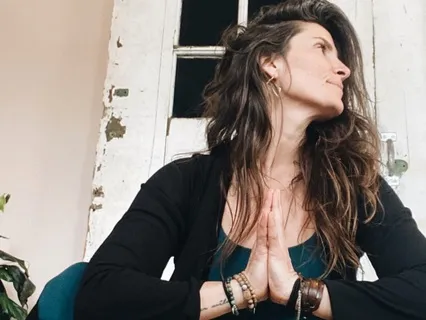
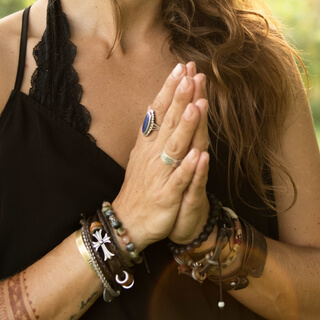
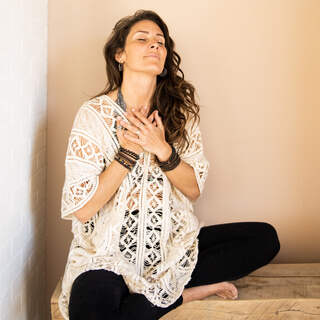
Kind of bring your palms together in front of your heart and just honor this practice,
Honor the space you're in,
Honor your body,
Honor the people that might be listening in with you,
The people around you,
The people outside of your walls and your doors.
Pause in this place of honoring.
A place of sacredness and deep connection.
From my heart directly to yours.
Namaste.