This is the DNA developmental model of acceptance and commitment therapy and positive psychology,
Which helps children and adolescents manage emotions,
Connect with their values,
Utilize mindfulness,
And develop healthy relationships.
It was developed by Louise Hayes and Joseph Ciarochi,
And it is a helpful way of introducing mindfulness to young people.
As we grow,
We learn three basic skills to help us get through life.
This is our DNA.
The discoverer,
The noticer,
And the advisor.
Let's take a look at each one.
The discoverer is the part of you that learns about new places and new things by discovering life,
Like an adventurer.
There are no maps,
So you learn by trial and error experiences.
As you explore and discover life,
You learn about all the cool places and people that are safe and good to be with,
And which places and activities and people are best to avoid.
The discoverer learns about life through exploration.
You get to find things out for yourself.
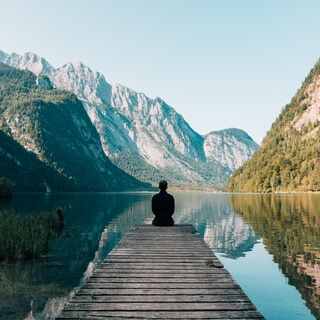
The noticer skill stands back from the scene of life,
Observing all that's happening,
But not looking to change events in any way.
The noticer skill uses all their senses and bodily reactions to take everything in.
The noticer notices how sensations and emotions come and go without needing to do anything.
The advisor skill relies on maps and previous experiences to navigate its way through life.
These maps and memories can help the advisor get to places and do things quickly and efficiently,
Without wasting time or going in the wrong direction.
These maps are our thoughts.
Unfortunately,
These maps,
Our thoughts,
Are sometimes wrong and unhelpful,
And they can lead us astray.
The advisor can then become a bit of a bossy bully,
And we can get stuck in our advisor skill.
So what can you do with these skills?
You can switch between the three skills and use which one best fits the situation that you are in.
Sometimes it's the discoverer,
Sometimes it's the noticer,
And sometimes it's the advisor.
The key is to see if it's possible to notice which skill you are in right at this moment,
And then to decide which skill you would like to use as you proceed to the next moment.
So let's take this moment to notice where we are at and which skill we are using right now in this moment.
And let's see if we can name the skill.
Are you in your discoverer skill,
Trying something new perhaps,
Or brave?
Or are you in your noticer skill,
Noticing your surroundings,
What you are hearing,
What your body is feeling like?
Or perhaps you are noticing that you are a little bit stuck in your advisor skill right now,
Lost in thoughts,
Plans or ideas.
Whichever it is,
See if you can name which skill it is that you are in right now and proceed with your day.