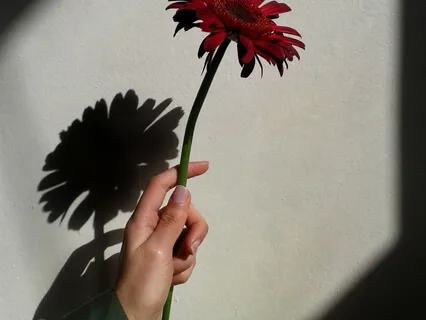
Hello and welcome.
The following is a guided meditation by Renee Seals,
A somatic movement educator,
Energy worker,
And astrologer.
This meditation is intended to help support your embodied meditation practice.
If in the recording you are prompted to do something that doesn't feel good for your body,
Please adapt and modify to make it work for you.
Please also note that the content of this meditation sometimes explores deep and subtle states and memories,
And sometimes guided visualizations.
You are encouraged to work with discernment as you practice with them.
If any of the guidance Renee offers feels too activating or uncomfortable,
Please listen to your body's knowing and pause the recording until a later time if you wish to return to it.
These guided meditations range anywhere from 20 to 40 minutes and do not require any supplementary equipment to participate.
We hope you enjoy.
Hi there and thanks for listening.
This is Renee and this is a somatic meditation.
Somatic means of the body,
And this approach to meditation will move through your body sensations and will use guided imagery and potentially touch to help bring awareness to the spaces in our beings that store memory,
Emotion,
Thoughts,
And that can really help facilitate getting into a clearer state of mind and a more balanced state of being.
Thank you for listening,
And if you enjoy these meditations that I offer twice a month,
Please do share them with your friends and community.
I think that this style of meditation is very effective.
It's really helped me a lot in my life.
I have so much gratitude for my teachers who've passed this down to me,
And I really want to share it with all of you.
If you feel inclined to support me back,
Please consider sending a small donation one time or recurring monthly donation.
All right,
So today's meditation will be working with our shadow,
And the shadow self of course is the part of the self that is unrealized.
It's unconscious,
And you've probably heard about shadow as a kind of psychological phenomena,
Not necessarily the actual shadow that you cast when you're standing outside or in some kind of direct light source beam,
But there is this idea,
You know,
That we turn towards light,
That we want to be bright,
We want to illuminate,
We want to exude,
We want to be radiant,
We want to be loved,
We want to be lovely,
And then there's all of the darkness that we don't want to share,
And that's what the shadow is,
The darkness that we don't want to share.
And plenty of this darkness is hidden probably even from ourselves,
And this comes up with feelings of inadequacy,
Fear,
Insecurity,
Shame.
We keep parts of ourselves tucked away and hidden and private because we worry about what other people will think,
Or we can't stand that feeling when we encounter these aspects of our being in ourselves.
And when our shadows are unrealized,
When we don't know how to recognize their impact or their strength,
Then we can get into some kind of gnarly situations where our shadows kind of lead us from behind,
Where we end up making unskillful choices or unconscious actions that hurt ourselves and hurt other people or perpetuate pain that we ourselves have been victim of.
Everyone has a shadow.
The brighter the light,
The bigger the shadow.
We hear this all the time.
So rule number one in this meditation is self-compassion,
And whatever you encounter in these places,
It's a part of yourself,
And anything that has any kind of identity wants love.
And usually when there's love and when there's acknowledgement,
The dysfunctional behavior can soften if not fully resolve.
So I really want to put that out there as kind of a beginning point for this meditation that we'll do.
If you encounter parts of yourself that feel hard to look at,
Love them.
You might see fairly quickly that those parts of yourself are actually places that have a huge amount of power,
That have a huge amount of potential,
And really can provide openings for you to connect with all kinds of people in a very deep way,
Because the more that you get to know yourself and love yourself,
The more you can be loved and known.
And I think that's probably what all of us want.
All right,
So for this meditation,
We'll be doing some deep diving.
You can definitely do this meditation in movement,
And that's fine,
But you might also just want to choose a nice spot to make yourself comfortable.
And I really want to encourage you to make yourself comfortable.
You don't need to sit in any perfect posture.
You can slouch,
You can lie down,
But be in a space where you feel supported and where you can stay present.
So slouching sometimes maybe shuts down the attentive ability,
And if you can't sit up straight,
Then go ahead and just lie down.
Why not?
All right,
So as soon as you've made yourself comfortable,
Let's just start by connecting to our breath.
And I want to invite you just to bring attention to your breath right now.
So when you breathe,
Notice how it moves into your body.
Just feel it.
And bringing attention to your breath might just naturally change your breath,
But you don't need to do anything with it right now.
If you feel like you need a deeper breath,
Then take it.
And no need to force your breathing to do anything,
But how present can you be with the movement of your inhale as it comes in through your nose or through your mouth?
Notice the way that your breath is brought into your throat,
How it touches the inside of your chest and your back and maybe down into your belly.
And then you can just feel the breath coming in through your mouth.
And then you can just feel the breath coming in through your mouth.
As you exhale,
Notice the physical sensation of the release.
And feel the weightedness in your bones.
And then let's maybe just start to take a couple of sighs.
So as you inhale,
You can just feel the breath coming in through your mouth.
And as you exhale,
Just open out your mouth and let your breath come out and let your jaw relax and sigh out.
And every time you sigh,
Notice how your body responds to that sigh.
It's one of the ways that you can pretty immediately calm your nervous system.
So give yourself a couple more and maybe you want to deepen your inhale,
Really invite your breath in.
You're welcome to make a sound on your exhale.
If I wasn't recording a podcast,
I'd probably groan.
Just let your voice out and let your breath out.
And then use your hands if it's comfortable and just start to touch your body.
And touch anywhere that feels good.
You can touch your arms,
Your face,
Your head,
Chest.
And as you touch your body,
Just kind of petting your body,
Stroking,
Squeezing,
Greet your body.
And when you greet your body,
Do it literally.
Go,
Hey body,
How's it going?
You're my body,
Hello body.
Maybe you greet the body part.
So hey shoulder,
Hey nose.
And you're recognizing yourself in this touching.
And the recognition is very pure.
It's very simple.
The sensation of your hand upon wherever it's landing.
Notice how you can feel through your hand and through whatever part of your body is being touched.
And try and be in both simultaneously so that you receive the touch as well as give it.
And when you're saying,
Hi body,
Let your body respond back.
Oh hey brain,
How's it going?
So we're just building a relationship here and building a pathway between the cognitive awareness and the physical awareness.
And then go ahead and open your mouth as wide as you can get it.
And stretch your jaw and stick out your tongue as far as you can the next time you exhale and maybe let a roar out.
A little lion's breath.
And you could do that a couple of times.
You can spread your face as big as it can get as you exhale and then squeeze your face together and scrunch your eyes up.
See if you can stretch your expression.
And definitely let your tongue come out and let your voice come out and let your voice come out if it's comfortable.
And then when you've done that a couple of times and it feels like you can relax your face into something that's neutral,
Just let your face relax and let your jaw soften and let your eyes stay relaxed so there is no need to harden the eyes to focus even if the eyes are open.
And now I'd like you to bring your awareness down into the deep pit of your low belly.
And it might be helpful to place a hand here.
So if you want to bring one hand or one on top of the other about kind of just above your pubic bones.
So below your belly button and just breathe into this space for a couple of breaths.
And as you breathe into this space try and soften your pelvic floor and relax your anus.
And the anus of course is a sphincter.
It's a diaphragm,
Muscular diaphragm.
And when it's contracted or tightening in it pulls your tailbone forwards and up and this is the movement of tucking the tail.
And it's a basic fear response and it's also kind of a habitual posture for many people.
People who sit down a lot and people who are in more habituated states of stress or fear.
So I really want you to try and relax your bum completely and relax the pelvic floor and genitals as much as you can comfortably.
And invite your breath to move down and deep into the low belly.
Maybe even feeling the touch of your breath moving around your pelvis.
And as you relax this part of your body you can continue to sigh on your exhales.
And in the sighing of the exhale I really want to encourage a sound to come out if you can,
If you're in a space where that feels safe.
Particularly if it feels challenging to relax your pelvic floor,
To relax your low belly,
It might really help to let your voice out.
And I know for me sometimes it's just these kind of guttural sounds like,
And that sound can help kind of untie and unwind any stuck feelings in your body.
And it's also a great way to let your voice out.
And I know for me sometimes it's just these kind of sounds that are really good for your body.
You might need to make a different kind of sound.
If a lot of energy comes up for you,
You might have a scream that wants to come out or growl and any sound is good.
So we'll just take a few more breaths like this,
Inhaling and letting the sensory awareness of the breath drop into the low belly and pelvis.
And then exhaling out and sighing out.
Okay so what I'd like you to do now is imagine a time,
And this might be a long time ago and it might be some kind of experience that you've had more recently,
But imagine a time when you agreed to something that you didn't want to because you were scared.
And the fear could have been any kind of fear.
So it could have been,
You know,
Agreeing to go out with some friends even though you wanted to stay in because you were scared that if you didn't that you wouldn't be cool.
Or it could be something much more intense like agreeing to have sex with someone that you didn't want to and the fear of what would happen if you said no.
It could be anything along the spectrum of saying yes when you actually meant no.
Okay so this is the memory that I want you to draw up right now.
And before we go any further,
I just want to acknowledge that sometimes these memories have big emotional impacts.
And if you get into a place where it feels like,
Man that's too much for me to deal with,
Feel free to stop the recording.
Go walk around a little bit,
Check out your surroundings,
See what colors you see,
Smell a flower,
Get back into your body and into the present moment before you go further.
All right so as you come back to this memory,
Let's move from the story of the memory and the images which might be more in the mind into the physical sensation.
And if you can,
I want you to see if you can locate the physical sensation of the moment when you make the decision to say yes even though you mean no.
And feel what happens to your body.
So for me what I feel kind of immediately is a shrinking back in my solar plexus and heart area and a tightening and contracting of my anus,
Kind of the tailbone and root chakra.
And there is like a nervousness that I feel in my throat and a tension in my jaw.
Some of those sensations might seem familiar to you.
You might have your own sensations,
But I want you to take note of them and as specifically as possible I want you to name them.
So tell yourself what you're feeling,
Tell yourself where you feel it,
Describe the sensation.
As I'm feeling into this memory I'm having sadness come up and I feel tears moving into my eyes.
You might also be having some emotion come up.
If emotion comes up and it feels like it it's something you can manage,
Let it come up.
Let tears come out,
Let sounds continue to come out.
If you need to shake your body you can do that.
If you need to shake your body you can shake your body.
If it feels like too much again you can resource yourself by paying attention to your immediate surroundings,
By touching your body saying hey body here I am I'm with you we're safe.
So now we're going to move from that sensation into basic awareness wherever your body is.
So if you're sitting then this is below your seat,
If you're lying down then this is whatever surface of the body is touching the ground,
If you're standing the soles of your feet,
Let's just bring all the attention into wherever is meeting the ground.
And as you bring your attention into that sensation can you imagine that your body reaches into the ground?
That's where you're going to be.
So let's just bring all the attention into the ground that you're reaching down into gravity and just notice how gravity then reaches up into you.
And then we're going to come back to this very basic breathing sensation,
Breathing in and breathing out,
Letting the breath fill the body and then sighing out.
Okay all right so now we're going to recall another memory and this time the memory is a time that you hurt someone and you knew that you were going to hurt them.
So we've all done this,
Maybe you lied a little bit to protect yourself,
To maybe you thought it was going to protect someone else but it was a mistruth and you knew that,
Maybe you stole something,
Maybe you used words that you knew would be hurtful and even if there was good reason for it like you were defending yourself or someone had really crossed your boundaries but you knew that you were being hurtful.
So bring that memory up and then feel the sensation,
Feel what it is and name it for yourself.
Notice what parts of the body are responding,
What the quality of the response is,
What they're doing.
For me this response feels fairly similar to the to the last one except that I feel more hardness around my spine.
There is this kind of resolve that sets in around my bones and I feel kind of rigid in my skeletal structure so there is an aggressiveness but I still feel the same kind of shrinking back and collapsing of my heart and solar plexus and a tightening in my throat and a contraction in my pelvic floor.
So notice what it is for you and be as specific as possible and then we'll just come back to our breath and we'll come back to basic awareness with gravity and you can reach into gravity and you can let your breath come in and fill up and take space and then sigh out and when you're sighing out let the residue of this feeling exit your body.
You're telling yourself okay that's a memory and I'm letting it go and whatever emotions come up they're just coming up you're greeting them you don't need to indulge them too much just let them express and then come back to your basic awareness.
All right so then the last memory that we're going to call up is a time when you were grasping for something and grasping for something has a serious feeling of kind of neediness in it.
Sometimes it can be very closely tied to ambition so maybe you are an artist you're trying to make your career go I know this one trying to make your career go and then you're you're grasping at straws you're kind of trying to get anybody's attention that you can get and try to sell yourself or something like that or you might be grasping at something that you want to keep or some way that you want to be or someone's attention that you desire.
Find a memory of grasping for something of really wanting and it's not so much the getting of it it's the craving for it.
Okay and then feel what that is in your body feel that sensation of grasping of really wanting of kind of that like one track mind like I need that I want that I have to have it.
And then describe these sensations so what are they as specific as you can get for me the the sensation this time has some of the similar qualities but now I feel cold and glassy all the way around my exterior I feel like I can't really let anything in and I have the same kind of like hard feeling around my chest and belly and then again a tightness in the pelvic floor.
So what are your sensations and as you notice what these specific sensations are notice the similarities or differences with the previous two memories.
Okay and then we'll just come back to resourced space deep breath in and sighing out feeling the earth underneath you breathing down into your belly relaxing your pelvic floor relaxing your chest letting your belly come into your back maybe using your hands and touching your body again just squeezing little massage giving yourself some pats hey body how's it going.
So what I want to kind of bring attention to with these memories are the ways that that shadow functions as a mechanism and fear shame malintent is kind of the wrong word but it's like defensiveness or reactivity or vengefulness spite and then desire not healthy desire but this grasping desire when I think of shadow this is kind of these are the sensations that come up for me and the the ways that shadow represents or it manifests when we're in a healthy space and we're trusting and we trust ourselves and we feel like we have the things that we need we don't really need to deal with those feelings so much and we don't we don't really need to deal with those feelings so much it's rarely your fault right like the the impact of culture and the way you've been socialized if you've grown up with any kind of world views philosophies or ideologies that are telling you how to behave in certain ways your parental messaging there are so many factors that kind of police us and our bodies all the time and a lot of people out there who are behaving in very unconscious unskillful ways and so what are you going to do if you're faced with that you have to respond and if you've been a victim of someone else's unconsciousness and unskillful action then you have to deal with that wound and violence that they have imposed upon you and these unspeakable feelings these really muddy intense feelings where we doubt ourselves where we get disconnected from basic trust of other people of the world of life in general this is where the shadow dwells and it's where it becomes really strong and when we click into those mindsets of feeling disempowered that's when the shadow can act and when it kind of takes precedence or it takes control of our behaviors every single one of you listening to this podcast has had some kind of experience of this in your life if not every single day you've learned some kind of behavior from your family of origin from your caregivers from your early childhood experiences from any lovers that you've had or relationships that weren't healing from friendships that had drama in them you've you've learned how to manipulate and kind of act from from pain when we act from these places we tend to create karma and karma is the effect of your actions so if you're acting from a place that is unconscious and that is perpetuated by this and that is perpetuating pain that's what you're doing you're creating unconsciousness and you're perpetuating pain everybody does this when you recognize it in yourself offer compassion the way that the shadow functions if we shut it out if we keep pushing it back if we try not to see it it gets stronger and stronger and stronger and it has a bigger hold on us when we turn right towards the parts of ourselves that are manipulative greedy violent perverted when we can see those parts of ourselves then we can own them we can recognize their function and we can make choices about whether or not we want to act on those impulses so meeting your shadow is not about resolving it or making it go away it's about becoming friends with your you know your darkness your wretchedness and hopefully kind of changing language and and ideas about this part of the self to understand that you know we're all subject of the environment so we see things in media we experience things in our relationships and everything gets lodged in the subconscious and it's all in there it comes out in your dreams it comes out in your kinks it comes out in the moments when you're not paying attention making friends with your shadow getting to know it gives you the capacity to work with it skillfully and this is about as basic as it gets know what it feels like when it comes up so this kind of meditation you can do it regularly you can do it after any kind of event where you recognize oh I wasn't acting from my higher self in that exchange I made an unskillful choice I hurt someone I don't want to do that again every you know most people are good people don't want to hurt each other we want to be happy in our lives and so this is one way to just start to get to know yourself is to recognize the immediate physical response when you recognize the immediate physical response then you can maneuver within it so the next time you're in a situation and someone is asking you to do something and you feel like I really want to say no but gosh if I say no then they're not going to like me or whatever horrible thing is going to happen if you go right into the physical response you'll shut down you'll end up being either passive or aggressive if you can really take the physical response into your awareness and do this resourcing practice of breathing of reminding yourself of your your true source of power which is the earth itself just kind of getting grounded then you can make a wise choice you very well might be in a situation where it would be dangerous to not say yes and that's an extreme example but it might happen but you want to know when that's happening and don't treat every situation as if it was because nine out of ten times probably the situation isn't that extreme and nothing's going to happen particularly if you say no like with a smile and a smile and a wave so yeah that's kind of it it's pretty basic working with the physical response I think is very accessible it kind of moves past this psychological explaining that we all want to do about why and how and blah-bitty-blah you can try and pick that apart forever if you do this kind of meditation with any length of it if you sit with those emotions for another 20 minutes another hour maybe multiple times a week you will come across your familial memories you will encounter all of your inheritances and the spells or the kind of binds that you've been in because of things that aren't you ways that you've internalized some kind of situation or someone else's experience and you know it's been unconscious so that's it that's it for now thank you so much for listening I want to invite you to actually go back into your meditation now and to collect any parts of yourself that are still on the fringes so we touched in on some potentially painful memories and now I want to ask you to spend as much time as you need with any of those memories and particularly the ages that you were when they happened turn towards yourself call yourself home imagine hugging yourself imagine resourcing yourself in the ways that we just did together feeling the ground taking deep breaths you might touch your body then going hey you're here you're present you're okay and then when you feel done and when you feel complete take a number of deep breaths connect again to the ground into the earth and then go on with your day and see the colors around you and see the shapes and pay attention to your senses again if you enjoy these meditations please share them with your friends and community consider donating if you have the resources and thank you so much for listening lots of love until the next time bye for now you