Lesson 1
Introduction To The Course
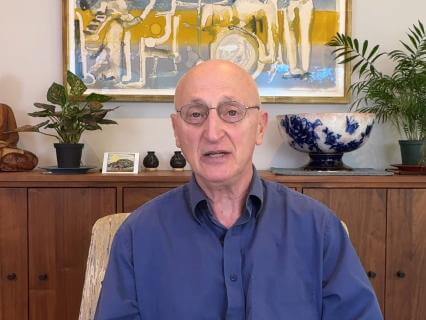
This first video is an introduction to the course, outlining the organization and structure, and recommendations for how to use the course. This course offers a complete training in samādhi (concentration) meditation, guiding you from foundational practice through the deep states of jhāna. The course is divided into 27 short videos, so it goes in depth but is presented in easily manageable sections.
read more
Lesson 2
Meditation Instructions Part 1: Overview Of How Meditation Will Be Taught
Before offering the first foundational meditation practice in the next video, mindfulness of breathing, this video introduces the fundamentals of meditation practice and how to begin establishing steady attention in a simple, direct way.
read more
Lesson 3
Meditation Instructions Part 2: Beginning With The Breath
This video introduces several ways of working with breath meditation. Mindfulness of breathing is a powerful meditation practice that works well for many people. Since we are all different, it will not be a good practice for everyone, and a subsequent session will offer other practices you can try.
read more
Lesson 4
Samādhi Teachings Part 1: What Are Our Goals - Enlightenment And Liberation
This talk explores the deeper goals of meditation practice, clarifying the distinction between enlightenment and liberation. It is good to clarify intentions and goals for cultivating samādhi. You may have your own goals for meditation. In the Buddhist tradition, you will hear terms such as Enlightenment, Realization, Awakening, and Liberation, which are related but are not all the same.
read more
Lesson 5
Meditation Instructions Part 3: How Long And How Often To Meditate
Practical guidance on building a consistent meditation practice, including how often to meditate and how long to sit. Doing the best we can to create supportive conditions, given our life circumstances, is enough to create a solid practice.
read more
Lesson 6
Meditation Instructions Part 4: Helpful Tips - Mental Noting And The Mala
In the beginning, or at any time, the mind can have a tendency to wander and get lost quite a lot. Here are some supportive meditation techniques you can try to help stabilize attention in the early stages.
read more
Lesson 7
Samādhi Teachings Part 2: What is Samādhi - Two Kinds Of Undistractedness
This video explains what samādhi is and the distinction between different forms of undistracted awareness. There is a range of ways in which samādhi (concentration) can develop. We are all different, and the progression of samādhi is not just one way.
read more
Lesson 8
Meditation Instructions Part 5: Practices You Can Try Other Than Breath Meditation
Here are some alternative meditation objects if the breath is not the most effective anchor for your practice. Though mindfulness of breathing works well for most people, it is not a good practice for everyone. Many other practices work equally well if you feel breath meditation is not a good practice for you.
read more
Lesson 9
Samādhi Teachings Part 3: How Samādhi Leads To Enlightenment and Liberation
This talk explains the various ways in which developing samādhi leads toward liberation and enlightenment. Samādhi can be part of an insight-oriented practice, and samādhi is a full and complete path in its own right.
read more
Lesson 10
Meditation Instructions Part 6: As Samādhi Begins To Blossom
This video discusses the range of ways samādhi is experienced as it first begins to develop, and how to work with these experiences in the early stages of practice. There is a wide range of experiences associated with samādhi; we are all different, and it is not just one way.
read more
Lesson 11
Samādhi Teachings Part 4: What is Insight
A clear explanation of insight (vipassanā) and its relationship to concentration in meditation practice. Concentration and insight are often taught as separate, distinct paths of meditation, each with its own practices and goals. Meditation can also be practiced in a way in which mindfulness, concentration, and insight are integrated into one path.
read more
Lesson 12
Meditation Instructions Part 7: When Difficulties Arise
How to work skillfully with common meditation challenges such as distraction, restlessness, and doubt. There are always many other experiences happening in addition to the experience of the breath. When these experiences become strong or compelling, rather than push these experiences away, we need to include them as part of the practice.
read more
Lesson 13
Meditation Instructions Part 8: Right Amont Of Effort
Right effort entails making effort in the right direction, and also making the right amount of effort. This talk explores how to balance effort in meditation - how to tell if you are creating strain from over-effort and how to find the right amount of effort.
read more
Lesson 14
Samādhi Teachings Part 5: Jhāna Intro And Overview
An introduction to the jhānas, explaining what they are and how they arise within concentration meditation practice. There is a wide range of ways that jhāna can be practiced, taught, and experienced - it is not only one way, so we want to understand the variety of ways jhāna can manifest.
read more
Lesson 15
Meditation Instructions Part 9: When to Shift to Pītī As The Object
When and how to shift attention to pītī (meditative rapture or pleasure) as concentration becomes more stable. Mostly, we stay with the main meditation object, the breath or any other practice. For some people, it can be helpful to let go of the breath and shift to the pītī as the meditation object.
read more
Lesson 16
Meditation Instructions Part 10: Working With Strong Energies And Challenges
Guidance on working with strong, energetic experiences. Deepening meditation can give rise to strong energies or other experiences we are not used to. All these experiences can be managed and worked with, as long as we have the tools to either bring down the intensity or bring up our ability to meet whatever is happening
read more
Lesson 17
Meditation Instructions Part 11: When to Let Go of Any Sense of "Doing"
This video explores the shift from making effort in meditation toward a more effortless, naturally unfolding concentration. A previous session discussed how, as samādhi deepens, we need a lighter and easier sense of directing attention to connect with the meditation object. At some point we can let go of any sense of "doing".
read more
Lesson 18
Meditation Instructions Part 12: Working With Clinging
Understand how subtle clinging arises in meditation and how to release it as concentration deepens. Deepening concentration can be very pleasant, and we can begin meditating in order to have more of these pleasant experiences. The very practices intended to liberate us from clinging can become the source of clinging. We can learn how to skillfully work when clinging arises.
read more
Lesson 19
Meditation Instructions Part 13: Samādhi Filling The Whole Body
This video describes how samādhi - the pleasure, light, expansiveness, or however you experience it - can expand to fill your whole body as concentration deepens. This can happen on its own, in which case the entire body filled with these experiences becomes the new meditation object. Or you can direct your attention to make it happen.
read more
Lesson 20
Samādhi Teachings Part 6: The First Jhāna
A detailed explanation of the first jhāna, including its factors and how it arises from deepening concentration. This video goes through the formal definition of the first jhāna in the Pāli Buddhist texts.
read more
Lesson 21
Samādhi Teachings Part 7: The Second Through Fourth Jhānas
Continuing from the previous session, this video discusses the higher jhānas, describing their characteristics and progressive refinement. We see that progress through the jhānas does not entail stages of gaining, but is a profound stage of simplifying and letting go.
read more
Lesson 22
Meditation Instructions Part 14: Samādhi Can Be Connecting Or Disconnecting
The deeper stages of samādhi will naturally unfold in one of two directions - connecting or disconnecting. This video describes the experiences of connecting and disconnecting samādhi, and how to steer it in either direction. It also suggests aiming for a samādhi that is connecting, in order to help mindfulness, concentration, and insight be integrated into a single path of practice.
read more
Lesson 23
Meditation Instructions Part 15: You Cannot Make Jhāna Happen
Jhāna arises naturally from the right conditions. Pushing for jhāna is counterproductive since it entails too much effort and "doing". All the practices and instructions aim to strengthen supportive conditions for the mind to settle and deepen in samādhi, so that dropping into jhāna can happen on its own.
read more
Lesson 24
Meditation Instructions Part 16: What To Do In Jhāna
Guidance on how to relate to and work with your experience once jhāna has arisen. There is not a single right or best approach, and you have a range of choices on what to do and how to work within jhāna.
read more
Lesson 25
Samādhi Teachings Part 8: Beyond Jhāna Part 1 - Āruppas And Abhiññās
An examination of refined states beyond the jhānas, as given in the traditional Pāli Buddhist formulations, including the formless attainments and related capacities. Guidance on how to attain and move through the formless attainments is offered.
read more
Lesson 26
Samādhi Teachings Part 9: Beyond Jhāna Part 2
This video continues the exploration of advanced meditation states beyond jhāna, and their implications. There are many possible experiences beyond jhāna that do not fit into the traditional Buddhist models of what can or should happen. This video introduces some of the possible manifestations beyond jhāna and how to work with them.
read more
Lesson 27
Samādhi Teachings Part 10: Liberation - The Culmination Of Practice
A concluding talk on liberation as the culmination of the path of concentration and insight practice. Enlightenment, Awakening, and Realization are all possible, in whatever way you understand and experience them. Liberation is more foundational, carrying through from transcendent experiences to the ordinary aspects of our lives.
read more