Lesson 1
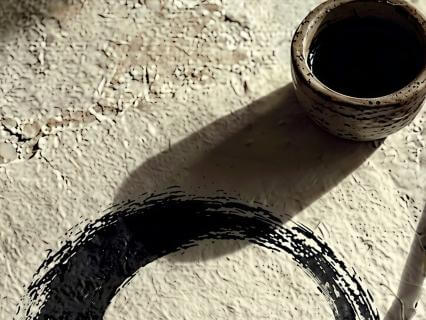
What is Ma - The Space Between Everything
Ma is perhaps the most important Japanese concept the modern world has never heard of. The pause between notes that makes music possible. The silence between words that makes meaning possible. Today its meaning arrives not as a definition but as a direct experience.
read more
Lesson 2
The Pause Between Breaths - Ma And The Nervous System
Ma - the pause between breaths. The natural pause at the end of each exhale is the nervous system’s built-in Ma. Today the neuroscience of why this pause matters more than any other moment in the breath cycle.
read more
Lesson 3
The Sound of Silence - What Lives In The Quiet
The sound of the silence. Silence is not empty. Today what is actually present in genuine quiet and the specific practice of listening that Japan has understood for centuries - noticing what lives in the quiet.
read more
Lesson 4
Empty Space as Resource - The Japanese Garden And The Nervous System
The Japanese garden is not a collection of beautiful objects. It is a carefully designed Ma - lots of empty space by design. Today you learn why empty space is the most powerful resource in any environment.
read more
Lesson 5
The Gap Between Thoughts - Ma And The Thinking Mind
Thoughts are not the problem. The absence of space between them is. Today the Japanese understanding of the thinking mind and the practice that produces more Ma without the performance of not thinking.
read more
Lesson 6
Ma in the Body - The Spaces Within
The body is not solid. Today the somatic practice of inhabiting the spaces within the body. And what the nervous system does when attention expands into emptiness rather than contracting around tension.
read more
Lesson 7
Living with more Pause - Bringing Ma Into Your Days
Six days of Ma. Today the integration of Week 1 - Bringing Ma into your days; living with more pause. How the quality of pause developed this week becomes not a practice you do but a way you begin to be.
read more
Lesson 8
What Shinrin-Yoku Actually Does - The Science Of The Forest
Most people understand that being in nature feels good. Very few understand precisely why. Today what the forest is actually doing to your body and brain. Understanding this transforms a pleasant walk into a deliberate act of restoration.
read more
Lesson 9
The Sound of Living Things - Birdsong As Nervous System Medicine
Birdsong is not simply pleasant. It is one of the most ancient and most reliable safety signals the nervous system knows. Today the specific neuroscience of why. And a practice of listening more completely than you ever have before.
read more
Lesson 10
The Breath of Trees - What You Are Inhaling In The Forest
The air in a forest is chemically different from the air anywhere else. Today what trees actually produce, what it does to the human body, and the practice of breathing with the full attention that allows the body to receive it most completely.
read more
Lesson 11
The Sight of Green - What The Colour Of Nature Does To The Brain
Green is the colour the human visual system processes with the least effort and the greatest ease. Today we explore the neuroscience of why the sight of living nature produces what it does in the brain.
read more
Lesson 12
Touch and the Natural World - The Oldest Sense Returns
Touch is the first sense to develop in the human embryo. The most ancient. The most directly connected to the nervous system’s assessment of safety. Today the practice of receiving the natural world through the oldest sense you have.
read more
Lesson 13
The Intelligence of Slow - Why Shinrin-Yoku Cannot Be Done Quickly
Shinrin-yoku is not a walk in nature. It is a pace. A quality of attention. Today the psychology of slowness and the practice of moving through the natural world at the speed the nervous system actually needs
read more
Lesson 14
Bringing the Forest Inside - Shinrin-Yoku When You Cannot Be In Nature
Most people cannot spend two hours in a forest every day. Today the research on what still works when physical access to nature is limited. And the integration that carries this week’s forest bathing into every ordinary day that follows.
read more
Lesson 15
What Wabi-Sabi Actually Means - Beyond The Aesthetic
Wabi-sabi is one of the most frequently misunderstood Japanese concepts in Western culture. Today its actual meaning. And the moment it stops being an aesthetic preference and becomes a genuinely different relationship with being alive.
read more
Lesson 16
The Beauty of the Unfinished - Why Incompleteness Is Not Failure
Japanese aesthetics deliberately leave things unfinished - see the beauty in it. Today why incompleteness is not a failure of effort but an invitation. And what this means for the unfinished things in your own life.
read more
Lesson 17
Impermanence As Teacher - What Everything That Passes Is Trying To Tell You
Everything ends. Wabi-sabi does not look away from this. It looks directly at it - impermanence as teacher. And finds in the impermanence not cause for grief but the deepest possible teacher of presence.
read more
Lesson 18
Your Imperfect Body - Wabi-Sabi And The Self You Actually Live In
The body is the most intimate territory of wabi-sabi. Today bringing the wabi-sabi gaze to the body you actually live in. The one that is ageing and imperfect and bears the marks of everything it has been through.
read more
Lesson 19
Wabi-Sabi and the Inner Critic - The Perfectionism Behind The Voice
The inner critic is perfectionism made personal. Today we explore the relationship between wabi-sabi and the inner critic. And a practice that changes the philosophical ground the critic stands on. Permanently.
read more
Lesson 20
The Cracked Bowl - Kintsugi And The Art Of Repair
Kintsugi is the Japanese art of repairing broken pottery with gold. The break is not hidden. It is highlighted. Today the most powerful metaphor in Japanese philosophy for what it means to have been broken and repaired.
read more
Lesson 21
Finding Wabi-Sabi in Your Own Life - The Aesthetic That Changes Everything You See
Six days of wabi-sabi. Today the integration of week three. Finding Wabi-sabi in your own life. Carrying the wabi-sabi gaze into the ordinary texture of your days. The aesthetic that changes everything you see.
read more
Lesson 22
What Mono No Aware Means - The Feeling That Has No Name In English
Mono no aware is one of the most emotionally precise concepts in any language. Today its meaning. And the moment of recognition when you realise you have felt this your entire life and simply never had a word for it.
read more
Lesson 23
The Cherry Blossom Lesson - Presence Through Impermanence
The Japanese relationship with cherry blossoms is one of the most sophisticated examples of mono no aware in practice. Today what the annual hanami tradition actually teaches about presence. Presence through impermanence.
read more
Lesson 24
Grief as Intelligence - What Sadness Knows That Happiness Cannot
Western culture treats grief primarily as a problem to be solved. Japanese culture through mono no aware understands grief as a form of intelligence. Today what grief actually knows - what sadness knows that happiness cannot.
read more
Lesson 25
Holding What is Passing - The Practice Of Being Fully Present With Endings
Endings are everywhere. Today the specific practice of being fully present with endings rather than rushing past them toward what comes next. The practice of being fully present with endings - holding what is passing.
read more
Lesson 26
Presence and Loss Together - The Paradox At The Heart Of Mono No Aware
The deepest teaching of mono no aware is also its most paradoxical. That presence and loss are not opposites. Today sitting with this paradox until it resolves not through logic but through direct experience.
read more
Lesson 27
The Seasons of a Life - Mono No Aware And The Arc Of A Human Life
Every life moves through seasons. Each one with its own specific quality of mono no aware. Today finding in whatever season you are currently in its own particular beauty and its own unrepeatable passing.
read more
Lesson 28
Beauty Because it Passes - The Integration Of Mono No Aware
Seven days of mono no aware. Today we discuss the integration of Mono No Aware. Carrying the bittersweet awareness of impermanence as the most precise and most alive way of being in the world - beauty because it passes.
read more
Lesson 29
What Ikigai Actually Is - Beyond The Venn Diagram
Ikigai is one of the most searched Japanese concepts in the Western world. It is also one of the most misunderstood. Today what ikigai actually means in Japanese culture. And why the answer is both simpler and more profound than the popular version suggests.
read more
Lesson 30
What You Love - The First Thread Of Ikigai
Before anything else what you love - that is the first threat of Ikigai. Not what you think you should love. Not what looks impressive or purposeful. Today we will find what you love - what genuinely animates you.
read more
Lesson 31
What You Are Good at - The Gift You May Have Stopped Noticing
The second thread of ikigai. What you are genuinely good at and may have stopped noticing. Not the skills you think you should have. The ones that come so naturally you may have stopped recognising them as gifts at all.
read more
Lesson 32
What the World Needs - The Place Where Your Life Meets Other Lives
The third thread of ikigai - the place where your life meets other lives. Not what the world needs in the grand sense. The specific small ways your presence makes a difference in the lives immediately around you.
read more
Lesson 33
What Sustains You - The Fourth Thread And The Most Overlooked One
The fourth thread of ikigai is the one most often forgotten. What genuinely nourishes you. What sustains you. In today's lesson we will be finding the specific conditions under which you come most alive.
read more
Lesson 34
Finding the Intersection - Where The Threads Come Together
Four threads. What you love. What you are good at. What the world needs. What sustains you. Today bringing them together. Not to produce a grand purpose statement but to find where all four are simultaneously present.
read more
Lesson 35
Living Your Ikigai Daily - The Integration Of The Fifth Week
Six days of ikigai. Today the integration of the fifth week. How the reason to rise becomes not a concept to be achieved but a quality of daily life already available and waiting to be lived more fully.
read more
Lesson 36
What Mushin Is - The State Beyond Thinking
Mushin is the state of no-mind. The condition in which action arises without the friction of deliberate thought. Today what mushin actually is and why you have already experienced it without knowing its name.
read more
Lesson 37
The Overthinking Mind - What Gets In The Way Of Mushin
Before you can cultivate mushin it helps to understand clearly what prevents it. Today we explore the specific ways the thinking mind interrupts the state of complete absorption and the overthinking mind.
read more
Lesson 38
Arriving at No-Mind - The Conditions That Allow Mushin To Arise
Mushin cannot be forced. But it can be invited. In today's lesson we explore the specific conditions that allow the empty mind - mushin to arise naturally. You learn more about how to arrive at no-mind.
read more
Lesson 39
What Yugen Feels Like - The Profound Mystery Beneath Ordinary Things
Yugen is perhaps the most difficult Japanese concept to define. Because it describes an experience that language approaches but cannot quite reach. Today what yugen actually is. And the recognition that you have felt it before without knowing its name.
read more
Lesson 40
Mysterious Beauty in Ordinary Things - Yugen And The World You Actually Live In
Yugen does not only live in dramatic natural landscapes or profound musical moments. It lives in the ordinary too. Today training the eyes to find it there - to find the mysterious beauty in ordinary things.
read more
Lesson 41
Sound as a Gateway to Yugen - How Music Opens The Door
Of all the gateways to yugen sound is perhaps the most direct. Today why music and natural sound produce yugen with particular reliability. And the practice of using sound as a deliberate gateway to the profound mystery beneath ordinary things.
read more
Lesson 42
Mushin and Yugen Together - The Integration Of The Sixth Week
Seven days of mushin and yugen - now them together. Today the integration of the sixth week. How the empty mind and the profound mystery are not two separate experiences but two aspects of the same opening.
read more
Lesson 43
Ichi-Go Ichi-E - This Encounter. Only Once.
Ichi-go ichi-e is the Japanese tea ceremony principle that every encounter is unique and will never be repeated. Today its meaning. And the recognition that changes how you inhabit every conversation, every gathering, every ordinary moment from this day forward.
read more
Lesson 44
The Tea Ceremony As Life Practice - How One Cup Of Tea Contains Everything
The Japanese tea ceremony is the most complete expression of ichi-go ichi-e in practice. Today what chado actually is. And how its principles transform not just a cup of tea but the entire texture of daily life.
read more
Lesson 45
Attention As the Highest Gift - What You Give When You Are Truly Present
Attention is the most precious thing one person can offer another. Today what genuine attention actually is. How rarely it is truly given. And the practice of offering it completely in the encounters that matter most.
read more
Lesson 46
The Way of Everything - Do And The Practice Of Being Fully Alive
Do is the Japanese concept of the way. The understanding that any activity practised with complete attention becomes a vehicle for the deepest human development. Today finding your own do in the ordinary activities of your daily life.
read more
Lesson 47
Your Daily Life As Practice - Ichi-Go Ichi-E In Every Ordinary Moment
Seven weeks of Japanese wisdom. Today the integration of ichi-go ichi-e into the actual texture of ordinary daily life. Not as philosophy. As practice. As the moment-by-moment orientation toward being genuinely here.
read more
Lesson 48
Integration - The Japanese Way As Your Way
Six weeks of Japanese wisdom. Seven concepts explored. Forty-eight days of practice. Today the integration. Not the end. The beginning of a different quality of daily life that everything this course has built is now available to support.
read more
Lesson 49
The Journey Continues - What Forty-Nine Days Has Built
The final day. Not an ending. The beginning of everything the course was always pointing toward. The Japanese way as a permanent orientation toward being fully alive in the life you are actually living.
read more