Hello and Namaste.
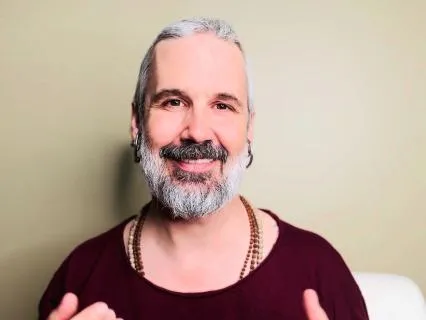
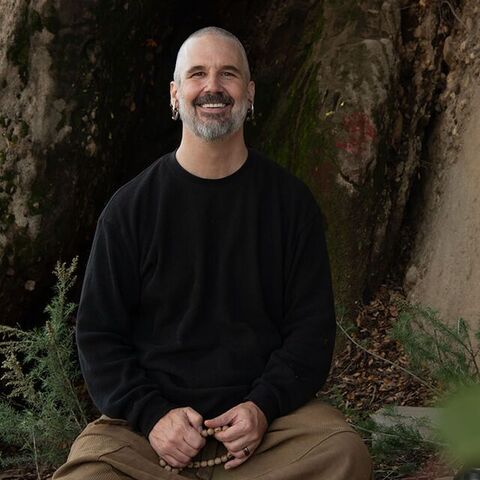
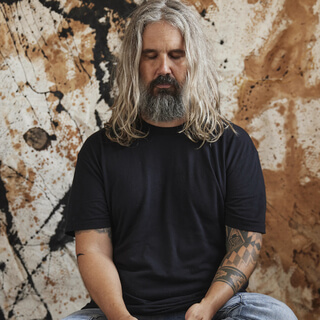
Harshada Wagner here.
I'm so happy to share some ideas with you about.
Yoga.
What is yoga?
We know physical yoga.
We know the practice that we do in a yoga class of stretching and doing yogic postures and yogic breathing exercises.
And we know that there are so many great benefits from doing that.
But yoga is so much faster.
Than just the physical practice that is most popular these days.
I've been teaching yoga in the broad sense.
For more than 30 years.
And yes,
I've also taught yoga classes and have taught yogic asanas and breathing practices.
But most of what I have focused on is teaching the practices of what we could call inner yoga.
Meditation.
Working with our consciousness,
Working with ourselves in a transformational way.
To expand.
And liberate our experience of being human.
Historians estimate that yoga is about 5,
000 years old.
And since its invention over 5,
000 years ago,
Yoga has been about freedom.
Freedom in our human experience and also connectedness.
Connectedness in our human experience with the divine.
With that sacred power that creates the universe,
That creates us.
The central teaching of yoga in almost all of the different forms.
It's dead.
That same power that creates the universe.
Lives within us.
In our essence.
And that if we gain the ability to if we are able to remove the obstacles within ourselves.
We can experience that divine power within our own being.
A popular yogic text.
Is called Patanjali Yoga Sutra.
This is a well-known yogic text primarily about meditation.
And about working with the mind and going into a very quiet kind of meditation.
And it defines yoga as.
Yoga is the stilling of the modifications of the mind.
This is only one definition.
And it's the definition for that text because that's what it is referring to when it uses the word yoga.
Other texts and other yoga philosophies define yoga in different ways.
I've spent a lot of my career teaching from the Bhagavad Gita,
Which is an older text that talks about yoga in a very broad way.
The Bhagavad Gita is about living our yoga in our life.
In the world.
Doing whatever it is that we do.
And it gives these three beautiful definitions of yoga,
And I'd like to share them with you.
One of the verses says that yoga is evenness of mind.
Evenness of mind,
Not necessarily the quieting of the mind.
Evenness of mind in the face of life in the face of success and failure.
Praise and blame.
Pleasure and pain,
What the philosophy is.
Calls the pairs of opposites.
There are many.
And if we're able to have an evenness of mind.
This is yoga in one of the definitions.
Another one says that yoga is skill in karma.
Karma also means action.
So oftentimes you'll hear the translation that yoga is skill in action.
But what the verse says in Sanskrit,
Which is the language that the yoga teachings come from.
Is it says yoga is skill and karma.
Karma is action,
But it's also the result of our actions and it's our whole experience in life.
You could say that karma is life.
It's our relationships.
It's the result of all of our choices that we've made.
Not just in this lifetime,
But in other lifetimes too,
The teachings say.
It's also the result of other people's decisions.
Other people's choices.
It's the realm that we live in.
This world in the yogic scriptures is called karma boomy.
The realm of karma.
Bhagavad Gita says yoga is skill.
In that.
Skill in Karma.
It's living in a skillful way.
It's moving through the various experiences of our life.
With skill,
With that evenness of mind that the verse before was speaking of.
Another definition,
And this is one of my very favorite ones.
It says that yoga is the severance.
Of union with suffering.
Yoga is the severance of union.
With suffering.
It doesn't say that it eliminates all suffering.
Suffering is part of life.
Pain is part of life.
It says it's the severance of union with it.
Walking the path of yoga.
Means that we are no longer wedded to the suffering.
We're no longer wedded to that process of making choices that lead to suffering.
One of the core teachings of yoga.
Is that through practice,
Through finding that divine power within ourselves and within everything else.
We get free from what's called samsara.
That's the cycle of suffering,
The cycle of birth and death,
The cycle of success and failure.
The cycle of.
And despair and disappointment.
That we all live in.
We were born in it.
We were educated in it.
Yoga then.
Is something that gives us a way out of it.
Through cultivating wisdom.
Through cultivating a different identity.
Instead of identifying with our ego and our small self in all of our stuff.
Yoga teaches us to identify with that sacred power.
It is within us.
Instead of identifying only the things that we see around us and the value of all of those things in a conditional way,
They all come and go,
Right?
It's all one.
Impermanent.
Instead of identifying all those things just as those things,
Yoga also gives us the ability to see that sacred power in the things,
In the others around us.
So we're not just dependent on all of these temporary things,
And we don't have to suffer so much.
As they come and go.
And yes,
There is practice.
Yoga means practice.
It means practices like the Hatha yoga practices,
Those are the physical practices.
But it also means practices like meditation.
It also means working with the breath.
Yoga also means practices like devotion,
Bhakti yoga,
Developing a relationship with that divine beloved.
Yoga means action in terms of service.
Karma yoga,
Like approaching the things that we do as a practice and doing things purely for the sake of spiritual practice.
Doing selfless service purely as an act of yoga.
That's yoga too.
Yoga uses mantras.
Silent mantras that we learn to use in meditation.
And out loud mantras that we can use to put that vibration out into the world.
Sometimes with music.
In practices like Namasamkirtana,
Also known as kirtan,
Or bhajan,
Like singing these hymns to the sacred power.
All of these things and more.
Or yoga.
It's so much vaster than just what we do on our yoga mat.
And I warmly.
Warmly invite you to explore all of the different faces,
All of the different names,
And all the different flavors of yoga.
It's a vast world of freedom and wisdom and love.
Thank you so much and we'll see you around.
Bye for now.