Hello,
My fellow fallible human.
Welcome to the harmonious mind.
This is a space for you to slow down and gently reset your nervous system.
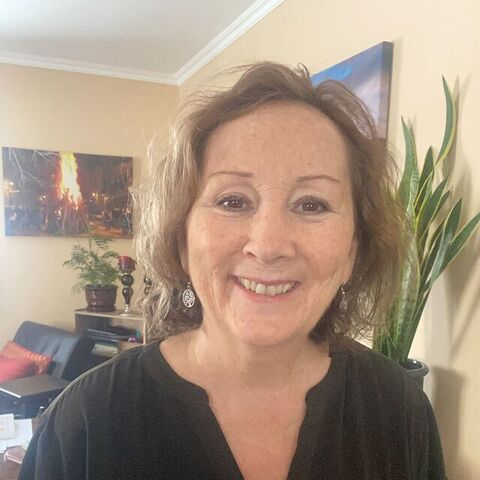
My name is Tanya McIntyre,
Your mindfulness mentor.
These short reflections are crafted to help you build steadiness,
Curiosity,
And a kinder relationship with your mind.
Let this reach you the way music does,
Without effort,
Without judgment,
Simply allowing yourself to be here in the present moment.
Today we're going to explore how we can achieve better mental health through the power of unconditional acceptance.
I recently celebrated eight years of being consistently clear and sober,
And this is quite a milestone for me.
I'm eternally grateful,
Especially because it took many years of setbacks,
Lessons,
And renewed efforts to achieve this lasting recovery.
What those years taught me were some valuable lessons.
I've come to understand that recovery isn't simply about giving something up.
It's about building a life where it's meaningful and possible to even make healthier choices.
Being to blame and I started taking responsibility for what was within my control.
One of the most helpful concepts I've learned and now practice daily is unconditional acceptance of myself,
Of others,
And of life.
It keeps me focused on what I can change and it keeps me at peace with what I can't change.
Unconditional acceptance invites us to look through the window and not only in Although,
Looking into the mirror is important too,
That has its place.
But looking through the window invites us to consider the wider circumstances shaping our lives and the lives of others.
And this idea isn't new.
Ancient philosophers promoted this more than 2,
000 years ago.
A guy by the name of Masonius Rufus observed that our circumstances shape our habits and our character.
He said,
Others in worse.
Those who are raised in worse environments may have inferior habits and will require more by way of careful instruction to master better habits and be formed by them.
And his observation offers a valuable reminder.
We don't all begin life with the same challenges,
The same opportunities,
The same resources,
Or the same abilities.
Some people grow up surrounded by encouragement and supportive relationships.
Others face fractured families,
Trauma,
Or mental health challenges.
And these experiences can influence how we think,
How we feel,
And how we respond to life.
Understanding this doesn't remove our responsibility for our choices,
But it can help us approach ourselves and others with greater patience and greater compassion.
Unconditional acceptance also helps us move beyond unrealistic comparisons.
We can acknowledge our strengths without becoming arrogant,
And we can recognize our struggles without deciding that they define our worth.
When we can replace harsh judgment with honest self-reflection,
We create more room for growth.
We can celebrate our progress while remaining open to learning and change.
Self-acceptance isn't about diminishing our worth or downplaying our achievements or making excuses.
It's about acknowledging our strengths and our weaknesses with honesty and kindness.
When we understand the cultural and societal factors that have shaped us,
We can use that awareness to build a more compassionate,
Supportive environment and community.
Better mental health is developed and maintained when we can become more aware and more mindful of our thoughts,
Our emotions,
And our behaviors.
Sometimes a healthier future begins when we stop asking,
What's wrong with me?
And start asking,
What can I learn?
What can I change?
And how can I move forward with greater understanding?
Thanks so much for spending this time with me.
I hope you'll join me for future reflections of the harmonious mind.
This is where mindfulness meets practical mental health skills.
My name is Tanya McIntyre,
Your mindfulness mentor,
And I'm grateful to walk this path with you.
Please keep showing up for yourself and remember to talk to and treat yourself like you talk to and treat a friend.
May the force of mindfulness be with you always.
And remember,
You are the force.