51:48

Asana: Yoga Sutras Of Patanjali - Lecture + Guided Meditation

by Yogi Charu

Rated
5
Type
talks
Activity
Meditation
Suitable for
Everyone
Plays
218

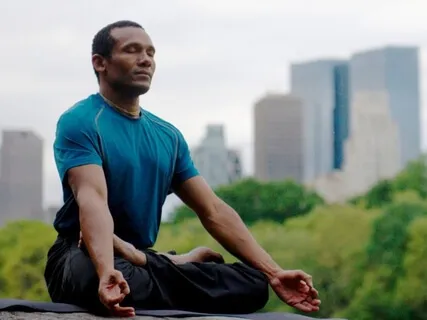
ASANA (seat, posture) - the third "limb" as described in Patanjali's yoga system. Learning about the power of coming into Asana...as we develop Asana, restlessness falls, we awaken our kundalini energy. As we connect to the kundalini power, we connect to empathy, humility, and higher states of consciousness that unfold the human potential. Lecture from September 14, 2020.

Yoga SutrasPatanjaliKundaliniMeditationChakrasPranaSelf RealizationYamasDualityPotentialEmpathyHumilityConsciousnessPatanjali Yoga SutrasKundalini EnergyChakra SystemMeditative StillnessAsanasGuided MeditationsLecturesMeditative PosturesNiyamasYamas And NiyamasPrana Flow

Transcript

It had a yum to everyone happy monday to share on this part of the planet happy tuesday here in australia hong kong singapore we get to explore the sutras of yoga help us to evolve with our philosophy um right now beautiful part of the program where patanjali is explaining for us to remove our impurities that we have in the mind body he developed a systematic technique to help us to evolve and the yamas and niyamas we just finished so we come across the the third limb of yoga so in the whole book you see he only touches he only repeat the word asan about twice twice uh in mantra 29 when he says yam niyam asan once and then he touches it again in this next mantra that we're about to start today mantra book two mantra 46 so mantra 46 46 47 and 48 he encapsulate that practice of asan in these next three mantras just like he went to the last 15 14 mantras to describe the yamas and niyamas now he's going to take three mantras to describe the third limb of yoga in this evolution so why did he structure it this way remember if we go back to mantra 20 28 he says you know we will develop our discernment or viveka the atma will start to question reality we can only start to get to that place when we review when we remove ignorance from the mind and body so he developed the systematic process so that we're removing the toxins in the mind and body the more we are from the yamas and the yamas the more we are content the more we're truthful the more we you know we practice uh studying the spiritual text more we sorry you're removing impurities from the mind already and the intellect so now he's going to spend three mantras and extreme mantras to describe he's going to break down uh the word asan for us so mantra 46 he only use he describes asan with some beautiful adjectives amazing stira he says means steady sukham means pleasurable or sweet or comfortable asanam so he says the posture you get into should be very comfortable and should be very steady now here patanjali is referring to the meditative asanas he's not referring to the other type of yoga poses he's referring to the meditative poses um in the other yogic texts we come across different poses but patanjali recognize he wants to take us inwards so he only quotes the description of the meditative poses he's not referring to headstand or handstand or hanuman asan and they're they're four classical four four classical meditative poses so the person who developed the the asan aspect of yoga is referred to as shambho is large shiva he performed all the yoga postures first he's the first person to do all the asan does anyone know how many yoga asanas are there how many yoga poses all right there's so many poses so when i was studying i remember i was studying the hatha yoga pradivika my teacher and we came across one of the mantras that says shiva performed a yoga pose for every specie in the universe so it's describing the Vedas vyasadeva is right there eight million four hundred thousand species in the whole universe not just on this planet but other planets as well so when i heard that i was like wow i'm gonna learn eight million four hundred thousand postures and i was young i was like and my teacher said no no no no no yoga he said shiva for me to understand he said shiva has uh angelic body like an angelic body it's it's more ethereal it's not like our physical body on the earth planet so he says with our earth physical body we may be able to do about five thousand out of those eight million four hundred thousand postures but we may be able to do about five thousand out of those eight million four hundred thousand postures and i got disappointed i was like wow but he says we might not be able to do all the other asanas but we can develop to do the four classical seated asana because out of those eight million four hundred thousand postures shiva later tells parvati 84 of them are most are the most important and after he gave her the 84 he says out of this 84 32 are even more important of those and when we if you study the hatyaga patibica he says and out of these 32 important postures he lays them out for poverty in the hatyaga he says four are more important the most important so patanjali when he is referring to asana here he is referring to those four meditative asana or seated posture and i asked my teacher this question when i was studying so why did shiva give four seated posture and my teacher says because shiva understood different people have different body types right um so some people are born with flexible hips some aren't some people are born with flexible hamstrings and quads some can't so the four different types of seated postures are for four different types of body types so when i started yoga before i started i used to play soccer so my quads were tight my hamstrings were tight so i remember i couldn't even sit in half lotus forget i remember the first time i sat for us to get to meditate my knees were high up like this in it's called sukhasan so for someone like me patanjali uh shiva it's teaching i should use and i should use sukhasan pose it's called easy pose to sit in as i started to change my diet and started to live healthier and started to stretch my muscles after like three four months and again i was a teenager so my body changed quicker after like three four months i could sit in half lotus and then after like maybe five six months my i could sit in full lotus i was like whoa so but my body changed so according to your body type there are four different types of seated poses easy pose sukhasan swastikasan is a siddha is mostly the cities they use that siddhasan and padmasan lotus so different times different times of your evolution you will use a different one of these seated posture like i see a lot of yogis in india they can sit you know back in the day i could sit in my lotus full lotus for a day easily i only do that when i'm fasting these days because of my genetic makeup but i can sit in half lotus or siddhasan anytime any day for a long period of time comfortable easy i only do my full lotus when i when i go on my fasting then i see my body changes i get back that flexibility in the knees and hips otherwise i see sometimes people they think to meditate you need to sit in lotus no that's why shiva gives four four this for different body types you don't have to force yourself into lotus a lot of time like when i teach meditation someone comes in and they're in full lotus right and back is tall and after like five minutes of practice you see them stretching out a leg so that means we you're forcing it it has to come with your practice gradually gradually it took me like a year before i could sit in comfortable lotus but um so and then i see some other yogis their body change and i see it in myself some some of them they were in amazing padmasan when they were like from like 12 years old to like turn padmasan very easy and then as they age the body change right so then they start to sit in half lotus or sukhasan but it doesn't matter it's just that the pose the seated pose should be comfortable for different body types so don't try and force yourself into a pose which doesn't suit you which is doesn't which is not comfortable um the the key of all seated poses he's going to help you in the next mantra why do we want to sit yes so the next mantra uh he says sorry he says by lessening the natural tendency of restlessness and by meditating on the infinite postures mastered so if you go to the Sanskrit if you go to the Sanskrit of this mantra you will come across the word ananta ananta means snake or infinite so in Sanskrit our Sanskrit word can mean few things so it's sometimes translated as infinite sometimes translated as ananta so anantashe is a is like a it says your body should be loose right pratya shaitilya it should be loose like a snake ananta so anantashe is the snake carrier of vishnu so vishnu is lying in the causal ocean and ananta is the snake bed carrier just like if you go to the beach and you want to float you buy a float and you can float on the float on the uh ocean or in a swimming pool so similarly at the bottom of this universe if you were to able to look off the earth and look at the bottom of the universe you will see anantashe and vishnu so ananta refer refer to uh energy that is latent within each and every one of us so the Vedas explain that ananta and vishnu are at the bottom of the universe but we have a micro universe here and if our micro universe is a reflection of the macro universe the yogis they recognize the word ananta here means the snake-like energy within us and it's referred to by the term kundalini energy so if you come around yoga for a while if you study yoga for a while or go to yoga classes i'm pretty sure you'll hear this word kundalini kundalini is a snake-like energy found in the kunda a place a pot within the first chakra or the base chakra called muladhara chakra so when patanjali says so when your body is loose and comfortable then you can start to when your asana is comfortable then you can then use it to meditate on the kundalini energy that runs from the base of the spine and the yogis and different books they use the uh analogy of a coral snake three and a half times and the head piercing upwards up the center of the spine the sushumna pathway so in the yoga culture we want to uncorrel the snake-like energy it's a symbology the snake like it's a simple but to recognize the stored energy that's within us so we can uncoil it and then start to raise it from muladhara swadhisthan to manipur chakra navel to heart chakra vishuddha agnya so it goes up so what we're doing is though on call when we say on call we're using the meditation the mind to uncall the human potential so as the prana starts to raise up we start to develop flexibility we start to develop manipur we start to develop determination when your prana raising to the heart chakra kundalini reaches here up the side we start to develop the human potential of compassion empathy at the throat humility and then to surrender to divinity so that's when he says sierra when he used the word ananta by when the body is flexible comfortable and you can meditate concentrate on the reason that this latent power that's within us so this latent power the closest thing resembled to it physically is um the adrenaline rush right every human every one of us have started to raise the kundalini energy at the time when we start to learn to walk for you to learn to walk you need the prana to raise out of muladhara chakra and then we start to develop balance swadhisthan and then for most humans we raise it to manipur because we have a lot of desires and every now and then a human will raise it to and do compassionate acts heart chakra every now and then we raise it to vishuddha empathetic and then every now and then humility humble the consciousness so we're developing the human potential and then it drops back down and so for most humans it's in the first three chakras but as we come to our spiritual journey where it's up to unfold the human potential fully we start to raise it into compassion empathy the higher frequencies that describes you will naturally the yamas and the yamas you don't really have to practice them they will naturally become part of you right i see some i meet some people they don't go to no church no temple no mosque no synagogue and yet they are totally humble like whoa here i am trying to practice human and then some people are just born with it that mean it's around their last lives right uh sometimes i meet some people so they're just naturally empathetic and i'm like here i am meditating on empathy for so many years and someone just has it natural it means the prana the the prana has raised up into their shooting so whenever you meet a human yeah again they might not do anything but it's just part of them the yama and yama they naturally has it in them you want to befriend such beings the more and more you befriend them it starts to rub off on us so they so when we get our seated posture a comfortable posture he says he says then we meditate he says the thereafter he says loosen the tendency restlessness the the restlessness and the mind goes away and you meditate on this kundalini energy the infinite energy which is within us then our posture becomes mastered so how do we master the posture by bringing it very still very comfortable and your mind is then engaged in concentrating on this amazing force that's within us so we'll do a practice for it today and the third the next mantra like i said he used he used three mantras consecutively to describe what asan is now does this mean like he said like i said he only gave this four asan it doesn't mean we don't do the other asans we do all the other asans if you go to a yoga class so many poses are there eagle pose cow pose dog pose cat pose we all do those but then after you do those you should we should do our shavasana pose and after shavasana when the nervous system is relaxed then you get up and you're in your comfortable seated pose to go into your meditation so now the next mantra he used to describe asan he says when your body is still and your mind is on this ananta this kundalini energy he says you start to master your asan because you will never you won't feel to move you you'll feel very at home he says the next thing he says thereafter one is undisturbed by dualities so your asan will help you to become free from the dualities and there are two types of dualities there are sets of dualities there's dualities for the body and there's dualities for the astral body the physical body and the astral body which includes the mind so we come across this word dwanva dhandua means two dwee dweeb in sanskrit two so the dualities in our body like right now in hawai this part of the planet and out of america it is very hot my friends in australia are having winter so our bodies go through two types of dualities so how to tolerate those that's the key dhira this word dhira krishna used in the gita dhira means sober-minded so whenever there's the heat from the summer how does the yogis maintain their balance in their mind and body they understand it's only going to last for a while it's not forever and then when winter comes around oh the body gets so cold it's only gonna last for a while so this is how you start to develop so if we want to evolve our body and mind into a place where they're free from impurities we have to learn to tolerate and so because we it's part of the universe if you live on this if you live on this planet sure enough your body will experience these dualities and then there is dualities in the mind and the dualities in the mind are vast i am pretty sure in the last 24 hours your mind experience happiness and distress your mind experience wet and dry your mind experience up and down in and out it's a universe of dualities so our mind goes through all those emotional place dualities as well happy sad anger contentment right so much dualities so our asan if you can sit still contemplate on the prana on the kondalini he says your mind will then become so good to not react to the dualities yes you can learn to tolerate them when because they only last for a while so a beautiful aspect of why we do asan if you're doing your asan say you're in warrior one and the teacher keeps it here and your legs start to shake the yogis are that this is only gonna last for a while and then you get into that's your challenging pose then the teacher gives you an easy pose after right down somewhere in the class child's pose uh child's pose is also for a while so the body goes through those dualities the mind goes those through dualities and we can start to reflect so when we keep the body still you close out you can start to reflect on the dualities that come in and out of the mind we live in a world of duality the first duality is the sun and moon we're influenced by those dualities so naturally whenever we have an emotion there is an opposite emotion whenever we have a thought there's an opposite thought that's all we are doing as a spirit soul in these material bodies whether it's a lizard body whether it's a frog's body whether it's a cat's body whether it's a dog's body where the bodies and the mind are going through that same duality you see if you have a pet at home they go through the same emotional dualities like we humans do and they feel cold they feel warm same thing and that's the nice thing about the yoga philosophy it's universal it doesn't matter which species we are in you will have these dualities so in the human form we can then unlock the full human potential to question that we are something higher this viveka right mantra 28 why patanja has given us this eight lens is so we can remove the impurity so we can develop this discernment of like oh this is why i what's happening here and you start to get realizations from within so it's a beautiful thing to sit still in my country where i'm born in the caribbean no one teaches us to sit still they don't even teach us to sit with the spine tall right i was so i was brought up you know sitting in chair and i think most people in the west but when i went to asia the first time man most of asia right first i landed in india a lot of my indian friends they all sit on the floor right and you go to the school they for five ten minutes before they start the school you see all the kids just sit in cross-legged pose spine call before they go do their uh academics and then when i got to hong kong i remember it's like oh wow a lot of my friends they can sit in locusts because of the genetics different body types right they can sit cross-legged easily comfortably so train the body to sit still it's a beautiful austerity tapasya to sit still and we're going to own it and even if you just start to train yourself 15 minutes 20 minutes don't move and again as you try and sit still your body you know what the mind is going to do with us subtle tension starts to manifest one two three an itch will come where on your nose don't move don't scratch earth will come on the forehead don't scratch don't move only for 15 minutes discipline the mind i won't move i'll stick it out and as soon as you ignore it the itch goes away and then a subtler tension come up ignore it it goes away and then it gets quiet more and more and if you do this every day we're getting in tune with our mental power our physical power that because remember the body is made up of these powerful elements earth water fire air ether our mind is powerful we can mutate our mind to become a strong powerful tool make it to our best friend and then we can get influence it from wisdom from within from paramatma so oh wow how to influence the mind how to influence our body and closer and closer the britches go away we recognize who we really are when we start to raise the we start to raise the ananta the snake-like energy in us to our higher higher potentials so in a nutshell that's how he described asan he used three mantras to describe asan let it be comfortable let it be loose and it should help you to focus on the higher prana inside of us and then tolerate the dualities awesome so let's uh stretch the legs out and wiggle the ankles shake the legs shake the legs and again if you cannot sit in any of the four cross-legged poses if one of those don't come easy for you use a chair that's absolutely fine the goal of these seated asans that he's speaking about is so that you can sit tall right if at any time you're meditating sometimes the core strength is not there the body might start to go like this let's lift it taller lift it up good so let's cross the legs and come into a nice comfortable seated posture your asan your seated meditative asan bring the palms onto the knees touch the tip of the thumbs tip of the index fingers close the eyes softly and as you close the eyes let's introspect our amazing temple or our body and let's use the power of our legs push the legs down and lift the spine a little bit taller and we want to keep this tall posture for the next 15 minutes only 15 minutes if you are each come ignore it don't move the body the body is kaya styrum is stillness stillness of the body take your awareness to the right foot toes to the heel the right foot is still to the left foot left foot is solid left foot left foot is solid to the entire right leg from the toes passing the calf the knee the tie to the right hip girdle the entire right leg is immovable to the entire left leg from the toes all the way up to the left hip the entire left leg is stable move the focus to the pelvic floor the glutes the lower back the front of the pelvis the entire pelvic floor is cemented become aware of the entire back from the glutes to the shoulders the entire back is still so the right hand fingertips to the wrist the right hand is rigid so the left hand left hand is steady to the entire right arm fingertips passing the wrists the forearm the elbow the upper arm to the right shoulder blade the entire right arm is immovable to the entire left arm from the fingertips to the left shoulder blade the entire left arm is immovable so take your awareness to the neck the neck is motionless the head the head is completely still imagine your whole body is like a beautiful statue it is steady,

It is comfortable and as the body moves into stillness more and more as time progresses let's let's still the mind I want you to bring the mind into the present moment on the breath at the entrance of the nostrils try not to control the breath just witness your amazing breath moving in and out so the yoga is recognized whenever we breathe in air with the oxygen nitrogen comes into the lungs along with it comes pranas energy from the sun moon into the organs and as we exhale the carbon dioxide leaves the nostrils along with it used prana with toxins leave the body back to the universe so using the creative power of your mind I want you to imagine a beautiful transparent straw or tube running through the center of your body where your spinal column should be each and every one of us has an amazing spinal column running through the center of our body from the pelvic floor up to the neck now I want you to imagine your amazing spine all the vertebrae mutating and forming a beautiful transparent tube running from the pelvic floor like a beautiful transparent rod up to the neck the yogi is recognized there are seven major chakras there are many chakras around the body or vortexes of energy of prana there are seven major ones take your awareness one inch below the tip of your tailbone or the tip of the transparent tube and see a beautiful ball of white light and that ball of white light is spinning the size of the ball is unique to you and how fast it spins is unique to you as well it is referred to as the mooladhara chakra the base chakra move your awareness to the tip of the tube see another ball of white light and it's about an inch above that first ball this ball of white light is called swadhisthan or the chakra which controls our hands and our gender or male female gender just as if you're moving up an elevator move up your transparent tube and imagine you're coming behind your navel the manipur chakra and there's another ball of white light there spinning governs our digestion governs the heat the fire in our body and imagine you're traveling up the transparent tube up like a moving up an elevator you're coming to that beautiful region of the heart behind the heart you see another ball of white light for anahat chakra governs our breathing our lungs and our heart healthy lungs healthy heart moving up this beautiful transparent tube going up to the throat another ball of white light fair and the shoe the chakra governs our voice box and the sense of hearing and the test tube travels a little higher to the center of the head see another ball of white light yogis refer to it as agnya chakra where governs the mental power where our mind you spend a lot of time in the chitta the mind space and i want you to now descend like you're going down an elevator leaving that dung the tube from the center of the head agnya you're passing the throat the shooting going down passing on the heart going down the tube passing manipur the navel going down swadhisthan the pelvic floor and one inch below that beautiful ball of white light the muladhara and within muladhara the yogis recognize this stored prana and i want you to imagine the stored prana the ananta shef the kundalini this beautiful energy starts to raises as we start to grow as little babies and imagine it as a beam of white light and as you inhale for now move the beam of white light up the tube to the where the second ball of white light swadhisthan and as you exhale the beam of white light goes back down to muladhara inhale this time it moves up passing swadhisthan up to that region behind the navel and as you exhale it goes back down to muladhara imagine it's like uh the the beautiful thermometer barometer that goes up and down measuring imagine the silver whitish light this time as you inhale imagine it beam of white light goes up that transparent tube passing the navel all the way up to the heart space on the heart as you exhale slowly the beam of white light travels back down to the base chakra inhale this time it goes up passing the swadhisthan passing the navel passing the heart it goes to the throat as you exhale the beam of white light travels back down the transparent tube passing the heart the navel back into the pelvic floor this time as you inhale it passes the pelvic floor the navel the heart the throat into the center of the head and as you exhale travels back down and this time as you inhale I want you to imagine the unfoldment of the human potential breathe slowly and I will guide you as you pass through as you inhale it passes swadhisthan flexibility,

Manipul your desire the heart compassion the throat empathy as it reaches eyebrow center humility for wisdom as we get wisdom we get more humble exhale passing the throat we empathize with other living entities passing the heart we develop compassion,

Manipul we develop desires swadhisthan flexibility back into muladhara feeling grounded once again inhale you leave from that ground in that base slowly swadhisthan flexibility developing us manipul determination heart we develop compassion throat empathy as we develop humility with wisdom as we exhale slowly developing empathy at the throat compassionate at the heart determination and manipul flexibility from swadhisthan back into groundedness continue with your pace for the next couple minutes raising the prana as you unfold the human potential connecting to the emotion in each chakra your place breathe slowly up and down the center pathway so excellent after your next exhalation I want you to come back down to muladhara chakra and I want you to imagine you're residing in that beautiful heart space where you can find your heartbeat and from there I want you to use your discernment and explore this amazing micro universe you have which is in duality recognize you have a right eye and a left eye a right ear a left ear recognize you have a right arm a left arm a right leg a left leg a right lung a left lung a left lung where the ladies are right over left over and the men are right testicle left testicle we have an amazing micro universe that's built in duality and we connect to it with the macro universe with the breath recognize your right nostril the left nostril and see if you can identify which nostril is allowing a greater air to move in and out is it the right nostril or is it the left nostril once you recognize it I want you later today maybe in the next hour or two check it again and you'll see it will switch over to the other nostril the yogis use their rhythm of the breath to connect to the rhythms of the macro universe outside you're breathing in from the sun and from the moon the dualities of the universe recognizing everything in this world is transient it is temporary your mind will explore naturally dualities of emotion sometimes we're happy sometimes we're sad sometimes we're confident sometimes we're shy sometimes we're in knowledge sometimes we're in ignorance so many dualities whether we have the human form whether we have an animal form the same thing is taking place and more we sit still we can discern oh wow the person who's recognizing this is free from these dualities you the atma is a divine spiritual being that being that's hearing my voice that's witnessing the breath you are a divine spiritual being the goal of this whole journey of yoga is to find out who we are the science of self-realization everyone of us asks ourselves this question from time to time who am I why did I land on this planet what is this universe natural question for a human this is when we know we are unfolding the human potential to question who am I and for now it's again I am a spiritual being that's knowledge but with practice it will become vegan realize knowledge for the next minute just sit in stillness feeling the support from divinity that God is right next to in the heart gifting you your beautiful temple of eyes ears legs lungs grateful for these amazing gifts you as we come to an end of our journey take a deep inhalation exhale slowly break the stillness in the body slowly move the fingers and toes slowly bring the palms to your heart and lower the brain the head towards that higher self that being that's witnessing this temple of duality the body that was in stillness namaste lift the head open the eyes thank you all so much for joining today trans sits still for 15 minutes or more daily brings the mind into the mode of goodness and when you're in the mode of goodness then we can share the human potential evolution with others of the meditation position thank you all so much mahalo thank you Nadia thank you Amani thank you Jovita thank you Susan thank you Juan thank you Nan thank you Anna thank you Becky thank you Matilda thank you Jenny thank you Helen and Zalene thank you Karina thank you Antonette thank you Yumiko thank you mahalo Greg thank you Christian thank you Jean mahalo Shifumi thank mahalo Paula thank you Subin thank you Samia thank you Margaret yeah that's uh have a beautiful rest of the day thank you Vanessa thank you

Meet your Teacher

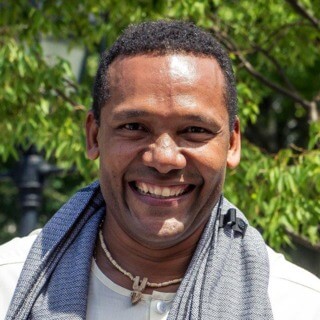
Yogi CharuNew York, NY, USA

5.0 (7)

Recent Reviews

Becky

December 14, 2023

I really enjoyed, and it’s so nice how happy you sound!

Christine

March 17, 2021

These have been awesome!! I’m learning so much. Merci beaucoup 🙏🏻☀️

Marilyn

January 26, 2021

Yogi Charu brings a peace to my heart.

More from Yogi Charu

Loading...

Related Meditations

Loading...

Related Teachers

Loading...
© 2025 Yogi Charu. All rights reserved. All copyright in this work remains with the original creator. No part of this material may be reproduced, distributed, or transmitted in any form or by any means, without the prior written permission of the copyright owner.

How can we help?

Sleep better
Reduce stress or anxiety
Meditation
Spirituality
Something else