The world’s largest free audio library for everyday wellbeing
Lifestyle-Integrated
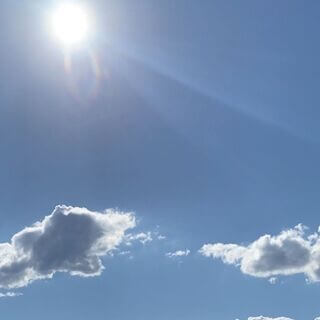
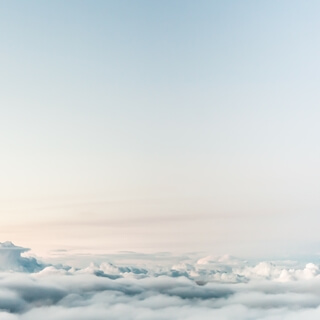
Sky Gazing is a lifestyle-integrated contemplative practice of resting a soft, open gaze on the daytime sky as a spacious, boundary-free object of awareness (Goti & Morse, 2021).
Last Updated
3 Jul 2026
We are still reviewing this page. Our research team checks every technique page for accuracy and evidence quality before final release. Details may change as that review completes. The evidence badge shows our current reading of the published research.
RECOMMENDED DOSE
No direct dose-response literature exists for this technique. These recommendations are based on general practice conventions for gazing/open-awareness meditation and should be treated as starting points only. A short, comfortable window helps a newcomer build the habit without eye strain or fatigue.
No direct dose evidence; editorial synthesis. A moderate step up in duration and frequency reflects general meditation-practice conventions once basic comfort with the technique is established.
No direct dose evidence; editorial synthesis. This maintenance-level range mirrors typical committed meditation practice and is offered only as a first-principles ceiling for experienced practitioners, not a validated dose.
Session length
Session length: 5–10 minutes
5
MIN
How long each individual practice session should last from start to finish.
Frequency
Frequency: 3–4 days
3
DAYS
The number of days per week to fit a session into your routine.
Session length
Session length: 15–20 minutes
15
MIN
How long each individual practice session should last from start to finish.
Frequency
Frequency: 4–5 days
4
DAYS
The number of days per week to fit a session into your routine.
Session length
Session length: 30–45 minutes
30
MIN
How long each individual practice session should last from start to finish.
Frequency
Frequency: 5–7 days
5
DAYS
The number of days per week to fit a session into your routine.
About this card. No direct dose-response research is available for Sky Gazing; these ranges are editorial synthesis based on general meditation practice conventions and should be treated as starting points only. These recommendations are not a substitute for personalised guidance from a qualified practitioner.
Quick answers to what people most often ask. Each card links to the deeper section below.
evidence
No trial has tested Sky Gazing directly; all support is indirect, borrowed from nature research. Studies link time in natural, open settings to calmer arousal and recovered attention—mobile-EEG recordings showed lower arousal in green space, and nature immersion improved problem-solving. The signal is encouraging background, not proof of open-sky contemplation itself.
Read moregood for
Adults who feel mentally overloaded or wired and want a simple outdoor pause may find Sky Gazing helpful, especially those who find open natural settings pleasant rather than exposing. Related nature research points to gentle restoration and reduced stress. It is not a substitute for care when anxiety, panic, insomnia, trauma, or low mood are severe.
Read moresafety
Most healthy adults can practise Sky Gazing safely on their own, but keep the gaze soft and never look at or near the sun, since that can injure the eyes. People who feel exposed in open space, including some living with trauma or agoraphobia, should adapt or skip it. Rise slowly afterward if you feel lightheaded.
Read morehow it works
Sky Gazing appears to work through attentional broadening: the sky's edgeless field gives attention nothing small to grip, so tight, effortful focus loosens into wide, panoramic awareness. Reclining outdoors in daylight may also shift the body toward its rest-and-recovery system, easing muscle tension and slowing the breath. These pathways are inferred from nature research, not sky gazing directly.
Read moreSky Gazing means softly resting your attention on the open daytime sky, watching clouds and light drift without analysis, as a calm, open-awareness practice (Goti & Morse, 2021).
You lie or recline comfortably outdoors and let visual attention rest on the open sky, taking in the passage of clouds, the play of light, and the quality of space without narrating or analysing what you see. The gaze stays soft and receptive, watching rather than staring, which sets it apart from fixed-point gazing practices. Sessions are self-directed and flexible in length, using the edgeless expanse itself as the object of awareness rather than any single focal point.
Sky Gazing here is the accessible, non-doctrinal form of open-sky contemplation. It is related to but distinct from the Dzogchen practice known as namkha ar-gtad, or sky-gazing, used for recognition of rigpa, the nature of mind, and it should not be confused with fixed-point Trataka staring, which holds attention on a single focal object rather than an open field. It is a low-risk wellbeing practice, not a treatment for any diagnosed condition.
Not to be confused with
Sungazing (looking toward the sun)
Sky Gazing rests a soft gaze on the open blue expanse and clouds, always kept away from the sun. Sungazing means looking directly at the sun, which can permanently damage the retina and is never part of this practice.
Dzogchen sky-gazing for recognition of rigpa
This lifestyle-integrated practice borrows the upward gaze but not the doctrinal goal; Dzogchen namkha ar-gtad is a lineage practice aimed at recognizing the nature of mind and is taught within a formal tradition.
Trataka fixed-point gazing
Trataka is a steady, effortful stare at a single point to build concentration; Sky Gazing is a soft, receptive watching of the whole open field, with attention widening rather than fixing.
Idle daydreaming or cloud-watching
Casual cloud-watching drifts into storylines and mental narration. Sky Gazing observes clouds, light, and space without analysis, letting thoughts pass rather than following them.
Sky Gazing appears to work mainly through attentional broadening, a widening of focus in which the sky's edgeless field gives attention nothing small to grip, so tight, effortful concentration loosens into a more panoramic awareness where peripheral detail becomes vivid without effort. Reclining outdoors in daylight and open air may also shift the body toward its rest-and-recovery branch, the parasympathetic system, easing muscle tension and slowing the breath. These pathways are inferred from research on nature and attention broadly, not sky gazing specifically: a study of four days of nature immersion in adult hikers found restored, less-narrowed attention (Atchley et al., 2012), and workplace research links natural daylight and open views to steadier wellbeing (Leather et al., 1998).
The wide, edgeless field of the sky gives attention nothing small to grip, so tight, effortful focus can loosen into a broader, more panoramic awareness where peripheral detail becomes vivid without you working for it. Early support comes from nature-immersion research rather than sky gazing itself (Atchley et al., 2012).
Watching clouds drift, light shift, and the occasional bird cross the sky pulls attention outward onto fine detail, drawing on exteroceptive awareness, the sense that takes in the outer world through sight and the other senses. Workplace research links a view of natural elements and natural daylight to steadier wellbeing (Leather et al., 1998), though that studied office windows, not sky gazing itself.
Lie back and let your gaze rest on the open sky, and many people feel tension easing, breathing slowing, and the sense of no longer being braced or on guard. That settling is the signature of a shift toward the parasympathetic branch, the body's rest-and-recovery system that related research links to stillness, daylight, and open air (Leather et al., 1998).
In the body, Sky Gazing is associated with a step-down in sympathetic arousal, the fight-or-flight activation that raises alertness and muscle tension, which people often feel as shoulders dropping, breathing steadying, and the mind seeming less on guard. This direction comes from a mobile-EEG study of adults walking through green urban space rather than gazing at the sky, where entering the green zone was linked to lower measured arousal and frustration and more meditative brain activity (Aspinall et al., 2013). Because that study tracked green-space walking, not open-sky contemplation, and used a small sample, the calming direction is inferred for this practice rather than directly measured, and it cannot separate open views from surrounding greenery or gentle movement.
The wired, on-edge feeling of being braced for action can soften when you spend time under open sky. In outdoor green settings, mobile-EEG studies have measured lower sympathetic arousal, the body's fight-or-flight activation, a shift people often feel as tension loosening, shoulders dropping, and the mind seeming less on guard (Aspinall et al., 2013).
Tension can ease when the body's fight-or-flight gear, its sympathetic activation, steps down. In a mobile-EEG study of adults walking through green versus built city areas, this kind of arousal measured lower in the greener, more open setting (Aspinall et al., 2013), a shift that practitioners resting their gaze on the open sky often feel as muscles loosening, breathing slowing, and mental urgency quieting into a more restful gear.
When your eyes rest on the open sky, mental effort often eases and attention feels less gripped, wider and more open than when you are forcing focus. Mobile-EEG recordings of adults walking into green outdoor space showed lower arousal and more meditative brain activity (Aspinall et al., 2013), a pattern researchers link to the directed-attention system, the brain's effortful-focus network, getting a chance to recover.
Let your eyes rest on the open sky and attention tends to drift outward on its own, catching clouds and shifting light without effort. This fits with more activity in the brain's orienting system, the network that turns attention toward whatever appears in the visual field. The direction is inferred from mobile-EEG studies of people moving through green space, which measured lower arousal and a more meditative brain pattern rather than sky gazing itself (Aspinall et al., 2013).
When your mind feels stuck in a loop, resting your gaze on the open sky can let attention drift and then re-settle on its own, thoughts loosening while a soft awareness of the sky stays present. Mobile-EEG studies of people moving through green outdoor space have measured lower arousal and more meditative brain activity (Aspinall et al., 2013); the easy switching between the brain's inward, mind-wandering mode and its outward, attention-directing mode is inferred from those patterns rather than measured during sky gazing itself.
Emerging, indirect evidence points to gentle restoration, reduced stress, and a calmer, more settled state as the outcomes most consistent with open-sky practice, though every strand of support comes from adjacent research rather than trials of sky gazing itself. Field and laboratory studies link time in natural environments to psychological restoration and improved mood (Hartig et al., 1991); an observational study of 337 rural children found that more nearby nature buffered the impact of stressful life events on wellbeing (Wells & Evans, 2003); and a large population study in England associated greater green-space exposure with smaller income-related inequalities in mortality (Mitchell & Popham, 2008). What is not yet supported: any controlled trial of sky gazing, measured effects on diagnosed anxiety, panic, insomnia, or depression, or any claim that the practice replaces clinical treatment.
The clearest signal in the research is that time spent in natural, open outdoor settings tends to calm arousal and help tired attention recover, which is the same territory sky gazing draws on. In one study, four days of immersion in nature improved adult hikers' creative problem-solving by about 50% compared with their pre-trip baseline, a large increase, meaning they solved markedly more problems after several days unplugged outdoors, though the study reported no control group, sample size, or significance test (Atchley et al., 2012). Separately, mobile-EEG recordings during outdoor walking showed lower arousal and more meditative brain patterns in green space (Aspinall et al., 2013). The main limitation is directness: no retrieved study tested open-sky contemplation itself, the populations and settings differ from the practice, and much nature-and-wellbeing evidence is short-term and varied in quality.
0
Meta-analyses
0
RCTs
0
Systematic reviews
1
Observational
8
Pilot
Studied populations
Outcomes measured
| Outcome | Effect size | 95% CI | N | Comparator | Source |
|---|---|---|---|---|---|
| all-cause mortality (most vs least income-deprived) | incidence rate ratio = 1.93 | 95% CI 1.86-2.01 (least green); 1.43 (1.34-1.53) most green | — | least green vs most green areas | Mitchell & Popham, 2008 |
The central gap is that no located study evaluated sky gazing itself; all support is indirect, drawn from nature-exposure, natural-light, and restorative-environment research in different populations and settings. Much of that literature is short-term, heterogeneous, and lacks agreed outcome measures, and some reviews find that certain people experience built or open settings as more unsettling than restorative, so confident, technique-specific claims are not yet possible (Lefosse et al., 2023), (Patuano, 2020).
The urban brain: analysing outdoor physical activity with mobile EEG
2013
Finding: When adults walked through a city wearing portable brain-activity monitors, their readings shifted as they moved from busy streets into a green, open park zone: signs of frustration and mental strain dropped, and markers linked to a calmer, more meditative state rose. That points to something worth knowing if you're drawn to sky gazing: spending time in open, natural surroundings seems to settle the nervous system in measurable ways, so the setting you choose may matter as much as the practice itself. Keep in mind this was a small study using low-cost consumer headsets, and it tracked green-space walking rather than sky gazing directly, so it hints at a link rather than proving that gazing at the sky changes your brain.
See full citation in referencesWindows in the Workplace
1998
Finding: In a survey of 100 office and manual workers, those whose workspaces let in direct sunlight reported higher wellbeing and job satisfaction and were less likely to want to quit, while simply having brighter overall lighting made no difference. Having a view of natural elements also softened the toll of a stressful job. For anyone drawn to sky gazing, this hints that real daylight and an open view of the outdoors, rather than just light itself, may be what lifts mood, though this looked at office windows rather than the practice of gazing at the sky, so treat it as a suggestive parallel rather than direct proof.
See full citation in referencesCreativity in the Wild: Improving Creative Reasoning through Immersion in Natural Settings
2012
Finding: In this study, hikers who spent four days immersed in nature, with no access to phones or other technology, solved about 50% more creative problems afterward, a result researchers link to the mind's ability to recover its focus when surrounded by natural settings. For someone drawn to open-sky contemplation, it points to why time spent taking in a natural view may help restore attention and mental clarity after hours of screens and demands on your focus. Worth noting, though: this was a study of extended time in nature, not of sky gazing itself, and because the participants also unplugged from technology, the researchers couldn't separate the benefit of being in nature from the benefit of stepping away from screens.
percent improvement = 50%
Biophilia Upscaling: A Systematic Literature Review Based on a Three-Metric Approach
2023
Finding: This systematic review of biophilia, the study of how contact with nature shapes our wellbeing, looked at the broader research on human-nature interaction in cities rather than at Sky Gazing itself. It found that while spending time in natural settings is often linked to better wellbeing, most of that evidence comes from short-term studies that measure very different things, so firm conclusions are hard to draw. For someone drawn to open-sky contemplation, this is a reminder that the practice sits within a promising but still-forming field: the general case for nature exposure is encouraging, but no study here tested this specific technique, so treat any benefits as plausible rather than proven.
See full citation in referencesRestorative Effects of Natural Environment Experiences
1991
Finding: Across both a field study of wilderness and vacation settings and a controlled experiment comparing natural, urban, and passive-relaxation conditions, people who spent time in open natural environments recovered their mood and mental focus more fully than those in city settings or simply resting indoors. For someone drawn to sky gazing, this points to a real benefit in seeking out expansive, natural surroundings, where attention and emotional state seem to reset more completely. Keep in mind that the research looked at nature experience broadly, not sky gazing on its own, so it speaks to the plausibility of the practice rather than testing it directly.
See full citation in referencesEffect of exposure to natural environment on health inequalities: an observational population study
2008
Finding: Tracking mortality records across England's working-age population, this large study found that the health gap between the richest and poorest was noticeably smaller in the greenest neighbourhoods: the difference in death rates linked to income was much steeper in the least green areas than in the most green ones. In practical terms, living around more nature appeared to soften some of the health disadvantages tied to lower income. That said, this is a broad population snapshot about where people live, not a study of sky gazing or any specific practice, so it cannot tell us that looking at the sky changes your health, only that everyday contact with green, open surroundings tracks with better outcomes at a community scale.
incidence rate ratio = 1.93
Biophobia and Urban Restorativeness
2020
Finding: This review of how city dwellers respond to natural spaces found that built or mixed urban settings were sometimes more restful and mentally refreshing than natural ones for certain people, and that a wariness of nature, what researchers call "biophobia," can stop some of us from feeling any calming benefit at all. For an outdoor, nature-based practice like sky gazing, that is a useful reality check: sitting under an open sky is not automatically soothing for everyone, and comfort with the setting matters as much as the practice itself. If open-air contemplation leaves you uneasy rather than settled, that response is real and worth honouring rather than pushing through. Because this is a broad review rather than a trial of sky gazing specifically, it speaks to nature settings in general rather than to this technique directly.
See full citation in referencesNearby Nature
n = 337
Finding: In a study of 337 rural children in grades 3 through 5, those with more nature around their homes showed less psychological distress when facing stressful life events, meaning the greenery seemed to soften the blow of everyday adversity. For anyone drawn to outdoor open-sky practice, this points to a real stress-buffering effect from simply being surrounded by nature, though it is worth knowing this was a snapshot study of children rather than a trial of sky gazing itself. Because it measured nearby greenery at a single point in time and relied on children's and parents' own reports, it can show a link but cannot prove that nature directly caused the lower distress.
reported narratively
Sky Gazing grows out of long contemplative and aesthetic traditions of watching the open sky, most notably the Dzogchen practice known as namkha ar-gtad, or sky-gazing, used for recognition of rigpa, the nature of mind, alongside cross-cultural cloud contemplation practised as reflection on impermanence. The lifestyle-integrated form taught here keeps that open, receptive orientation but stays secular and non-doctrinal, using the sky simply as a spacious object of awareness (Goti & Morse, 2021). These roots help explain the practice's form, its reclined, watchful, choiceless quality, not its clinical effects.
For most healthy adults, Sky Gazing is a low-risk practice you can do on your own, with no special preparation or supervision. A few situations call for care. Open sky does not settle everyone, some people feel exposed or on edge in wide, unsheltered space rather than eased by it, a wariness of open natural settings that research on urban restorativeness has documented, so choose a spot where you feel safe (Patuano, 2020). Keep your gaze soft and resting on a clear patch of sky, never on or near the sun, which can injure the eyes. And treat the practice as a supportive habit rather than a treatment for acute anxiety, panic, insomnia, or trauma: no study has tested sky gazing directly, and its calming effect should not be assumed to hold for everyone (Lefosse et al., 2023).
Anyone who feels activated rather than calmed by open outdoor space should adapt or skip this practice. That includes some people living with trauma or agoraphobia, for whom wide, unsheltered space can heighten a braced, unsafe feeling instead of releasing it. Anyone in acute anxiety, panic, or a mental-health crisis should turn to appropriate care rather than rely on gazing at the sky. And if you tend to feel lightheaded when you stand, rise slowly after lying still and looking upward, since blood pressure can dip during prolonged reclined stillness.
Wide, unsheltered space does not settle everyone. Some people feel exposed or on edge in open natural settings rather than eased by it, a wariness that research on urban restorativeness has documented. Choose a spot where you feel safe, or begin with a partly framed view of sky through trees or a window. (Patuano, 2020)
Keep your gaze soft and resting on a clear patch of sky, never on or near the sun, even briefly, because that can cause solar retinopathy, permanent injury to the light-sensing tissue at the back of the eye. Wear sunglasses or find shade on bright days, and if any glare or discomfort arises, look away and rest your eyes. This is practical safety guidance rather than a research finding.
Treat sky gazing as a supportive habit rather than a treatment for acute anxiety, panic, insomnia, or trauma. No study has tested sky gazing directly, so its calming effect should not be assumed to hold for everyone. Anyone in acute anxiety, panic, or a mental-health crisis should turn to qualified care rather than rely on gazing at the sky. (Lefosse et al., 2023)
For some people living with trauma or agoraphobia, wide, unsheltered space can heighten a braced, unsafe feeling instead of releasing it. If open outdoor space activates rather than calms you, choose a partly sheltered or framed view, or set the practice aside. (Patuano, 2020)
If you tend to feel lightheaded when you stand, rise slowly after lying still and looking upward. Blood pressure can dip during prolonged reclined stillness, so sit up gently and pause a moment before standing so the body has time to adjust.
Sky Gazing is best approached as a gentle, self-guided habit rather than a treatment, in an outdoor spot where open space feels inviting to you rather than exposing. A supported, reclined position with your gaze resting soft on a clear patch of sky, never anywhere near the sun, makes a sensible starting format. If wide settings unsettle you, begin with a partly framed view through trees or a window and let it stay comfortable.
Pick a calm, comfortable outdoor spot, a garden, park, balcony, or quiet patch of ground, where open space feels inviting rather than exposing. If wide settings unsettle you, begin with a partly framed view of sky through trees or a window.
Recline or lie back on a mat, blanket, or bench so your neck and spine are supported and you can stay comfortably still. Let the surface take your weight so the muscles can loosen.
Rest your gaze on a clear, open area of sky and never look at or near the sun, even briefly. Keep the gaze soft and slightly defocused rather than hard and staring, and wear sunglasses or shade your eyes on bright days.
Allow your eyes to take in clouds, shifting light, and movement without tracking or analysing them. If your focus tightens, let it loosen again so awareness stays broad and receptive rather than strained.
After lying still, sit up gently and pause a moment before standing, especially if you tend to feel lightheaded, so the body has time to adjust before you walk away.
Use sky gazing as a gentle, supportive habit. If you are managing acute anxiety, panic, insomnia, or trauma, seek qualified care alongside or instead of the practice rather than relying on it as treatment.
This information is educational and is not medical advice. This practice is not a substitute for professional care and should not replace prescribed medication or treatment for any medical or mental-health condition. If you are managing a health condition or taking medication, talk with a qualified health professional before changing your practice. If you are in distress or crisis, seek professional support.
| Technique | Best for | Use with care | Evidence strength | Distinction |
|---|---|---|---|---|
| Dzogchen sky-gazing (namkha ar-gtad) | People seeking a structured spiritual path and formal transmission within a Buddhist lineage. | Its doctrinal aims and prerequisites make it a poor fit if you simply want a low-effort, secular way to settle. | EVIDENCE | The tradition-aligned form uses the same upward gaze on the open sky, but as a doctrinal Vajrayana practice aimed at recognizing rigpa, the nature of mind, within a teacher-guided lineage. Sky Gazing here keeps the identical vehicle, the boundary-free sky as meditation object, while staying secular, accessible, and non-doctrinal, so no lineage instruction or metaphysical aim is required. |
| Trataka (fixed-point gazing) | People wanting to train sustained, one-pointed concentration on a single object. | The sustained fixed stare can feel straining or over-focusing for someone seeking to loosen effort rather than tighten it. | EVIDENCE | Trataka is effortful concentration on a single small point such as a candle flame or dot, holding a steady, narrow stare to build one-pointed focus. Sky Gazing is its opposite in quality: the gaze stays soft and receptive, watching the whole open field rather than fixing on anything, so attention widens rather than narrows. |
| Open monitoring meditation | People comfortable working with eyes closed who want an indoor, portable open-awareness practice. | EVIDENCE | Open monitoring meditation cultivates the same broad, choiceless awareness of whatever arises, but usually with eyes closed and attention resting on internal experience such as breath, body sensation, and passing thought. Sky Gazing anchors that same open awareness to an external object, the moving sky, giving the eyes something spacious to rest on rather than turning attention inward. | |
| Forest bathing and other nature-based restorative practices | People who feel most settled moving gently through green surroundings and engaging several senses at once. | Access to woodland or rich greenery can be a barrier, whereas open sky is available almost anywhere. | moderate EVIDENCE | Forest bathing and similar practices seek calm and restoration through immersive, multi-sensory contact with a natural setting, often while slowly walking among trees. Sky Gazing shares the nature-contact pathway but strips it to a single upward object and a still, reclined posture, so the restorative effect leans on open-field visual attention and stillness rather than movement or full sensory immersion. |

Not quite. Sky Gazing uses the same outward view as casual cloud-watching, but the intent differs: it is a soft, receptive watching in which you let thoughts and clouds pass without analysis, rather than drifting into daydreams and mental storylines (Goti & Morse, 2021).
+
Not quite. The outward view is the same, you rest your gaze on open sky and drifting clouds, but Sky Gazing is defined by how you pay attention. Attention stays wide, soft, and non-analytic, so clouds, light, and passing thoughts are simply allowed to move through awareness. Casual cloud-watching tends to slip into narration and daydreaming, following a storyline; Sky Gazing keeps the watching open and choiceless (Goti & Morse, 2021). This describes the form of the practice, not a claim that it treats any condition.
Yes. Sky Gazing is a contemplative open-awareness practice in which you rest a soft, receptive gaze on the open sky as a spacious, boundary-free object of attention (Goti & Morse, 2021).
+
Yes. Sky Gazing belongs to the family of open-monitoring meditation, where attention stays wide and receptive to whatever arises rather than fixing on a single point. What sets it apart is its external anchor: the edgeless daytime sky, watched rather than stared at, which distinguishes it from fixed-point practices like Trataka. It grows from contemplative sky-watching traditions such as Dzogchen namkha ar-gtad but is taught here in a secular, non-doctrinal form (Goti & Morse, 2021).
Both, honestly. No study has tested sky gazing directly, so it isn't established as a treatment. Adjacent research on nature contact points to mild restoration and calmer states, which is suggestive rather than confirmed (Hartig et al., 1991).
+
The feeling and the effect aren't opposites here. No controlled trial has tested open-sky contemplation itself, so its support is borrowed from related research: nature-exposure studies link natural settings to psychological restoration (Hartig et al., 1991), immersion in nature is tied to recovered, less-narrowed attention (Atchley et al., 2012), and mobile-EEG work associates green space with lower arousal (Aspinall et al., 2013). That makes a mild settling effect plausible but not established, and it is not universal, since some people feel exposed rather than calmed outdoors (Patuano, 2020). Treat it as a low-risk supportive habit rather than a proven treatment for diagnosed anxiety, panic, insomnia, or depression (Lefosse et al., 2023).
Perhaps, in a general way only. No study has tested sky gazing for anxiety or insomnia, so it is not a treatment for either; indirect nature-contact research suggests it may help a busy mind feel calmer and more settled (Hartig et al., 1991). Seek qualified care when anxiety, panic, or sleep problems are severe.
+
Perhaps, but only in a general, non-clinical way. No trial has studied sky gazing for anxiety or insomnia directly, so its calming reputation is borrowed from adjacent nature-contact research; an observational study of rural children, for instance, found that more nearby nature buffered the impact of stressful life events on wellbeing (Wells & Evans, 2003). That support is indirect and low-certainty, so confident, technique-specific claims are not yet possible (Lefosse et al., 2023), and open space unsettles some people rather than calming them (Patuano, 2020). Use it as a supportive habit, not a substitute for care when symptoms are severe.
Likely through two shifts: the sky's edgeless field loosens narrow, effortful focus into a wider, open awareness, and reclining outdoors in daylight may move the body toward its parasympathetic, rest-and-recovery state. Both are inferred from nature and light research rather than sky-gazing trials, and the calm isn't universal (Atchley et al., 2012).
+
The likeliest explanation is attentional broadening: because the open sky offers nothing small to grip, tight, effortful concentration can relax into a wider, more panoramic awareness, a pattern seen in nature-immersion research on directed-attention recovery (Atchley et al., 2012). Reclining in daylight and open air may also engage parasympathetic activation, the body's rest-and-recovery mode, while stepping down the sympathetic, fight-or-flight arousal noted in outdoor mobile-EEG and natural-daylight studies (Aspinall et al., 2013), (Leather et al., 1998). These mechanisms are inferred from adjacent research in other settings rather than direct sky-gazing trials, and the calm is not universal, since some people feel exposed rather than settled in wide open space. It is a supportive habit, not a treatment.
It may. Sky Gazing could slow the breath and loosen muscle tension by engaging the body's parasympathetic, rest-and-recovery branch and stepping down fight-or-flight arousal, though this is inferred from nature and daylight research rather than measured during sky gazing itself (Aspinall et al., 2013). Some people feel exposed rather than calmed in open space.
+
It may. Reclining outdoors and resting a soft, wide gaze on the open sky can ease breathing and tension by engaging parasympathetic activation, the shift toward the body's rest-and-recovery mode that tends to slow the breath and drop the shoulders, while quieting sympathetic arousal, the fight-or-flight activation that keeps muscles braced. The direction is suggestive, not confirmed: it draws on mobile-EEG recordings of adults walking through green space, who showed lower arousal and more meditative brain patterns (Aspinall et al., 2013), on natural-light and open-view research linked to steadier wellbeing (Leather et al., 1998), and on studies of nature contact restoring tired attention (Atchley et al., 2012). None tested sky gazing directly, effects vary between people, and some feel exposed rather than settled in wide open settings.
Not when it is done as intended. Sky Gazing rests a soft, slightly defocused gaze on clear open sky or clouds, always away from the sun, and is low-risk for the eyes of most healthy adults. The key caution: looking at or near the sun can cause permanent retinal damage, so the sun must never enter your gaze; use sunglasses or shade on bright days.
+
Not when it is done as intended. A soft, open gaze resting on clear sky or drifting clouds is low-risk for the eyes of most healthy adults, and it deliberately keeps attention away from the sun. The one firm caution is never to look at or near the sun, even briefly, because that can cause solar retinopathy, permanent injury to the light-sensing tissue at the back of the eye. This is why Sky Gazing is not sungazing, the practice of staring straight at the sun: keep the gaze on a clear area of sky, wear sunglasses or find shade on bright days, and if any glare or discomfort arises, look away and rest your eyes. This is practical safety guidance rather than a research finding.
Use care. Open sky isn't settling for everyone, and if wide, unsheltered space makes you feel exposed or activated, as can happen with trauma or agoraphobia, adapt it (a framed view through trees or a window, or a spot where you feel safe) or skip it. It is not a substitute for care (Patuano, 2020).
+
Use care. A review of urban restorativeness notes that some people experience a wariness of open natural settings that blocks the calm nature is expected to bring, so gazing at a wide sky can heighten a braced, unsafe feeling rather than release it (Patuano, 2020). If that describes you, choose a partly sheltered or framed view, or set the practice aside. Because no study has tested sky gazing directly, treat it as a supportive habit rather than a treatment; anyone in acute anxiety, panic, or crisis should turn to qualified care rather than rely on the practice (Lefosse et al., 2023).
Start short, a few minutes is plenty, and extend only as long as it stays comfortable. No sky-gazing study has set an ideal length, so treat this as practical guidance, not a prescribed dose; the settling tends to deepen with repetition rather than in one long sitting.
+
Start short and let it grow naturally. A few minutes of resting a soft gaze on the open sky is enough to begin, and you can lengthen sessions as they feel settling rather than effortful. No trial has tested an optimal duration for sky gazing, so treat this as practice-informed guidance rather than an evidence-based dose; the calming effect usually builds with regular short practice rather than arriving all at once. Whatever length you choose, keep your gaze soft and away from the sun, and rise slowly afterward if you have been lying still.
They are opposites in how you use your eyes. Sky Gazing rests a soft, open gaze on the whole edgeless sky so attention widens and loosens, while Trataka is an effortful, steady stare at a single small point, such as a candle flame, to build narrow one-pointed focus (Goti & Morse, 2021).
+
The core difference is watching versus staring. In Sky Gazing you recline and let a relaxed, receptive gaze rest on the open sky as a spacious, boundary-free object, so attention broadens and effort eases rather than tightens (Goti & Morse, 2021). Trataka does the reverse: it holds a fixed, sustained stare on one small point to train concentration, so focus narrows and sharpens. This is a distinction in practice form and quality of attention, not a claim that either technique treats a condition or works better clinically.
Deliberately widening attention from a narrow, single-point focus to an open, panoramic awareness of the whole field at once. It tends to feel as though effortful focus loosens and peripheral detail becomes vivid without you working for it.
Attentional broadening, also called open monitoring or diffuse attention, describes a shift from selective, focused attention toward a wide, receptive attentional set that samples the full perceptual field without fixating on any single object.
Stepping back to watch thoughts and feelings as passing events rather than being swept up in them. It often feels like a little space opening between you and a thought, so it carries less pull.
Decentering, closely related to cognitive defusion, is the cognitive shift from being immersed in mental content to observing thoughts and emotions as transient events, reducing automatic reactivity and identification with them.
Sensing the outside world through sight, sound, and the other senses, rather than tracking what is happening inside the body. In this practice it shows up as clouds, light, and color starting to look sharper and more detailed.
Exteroceptive awareness is conscious perception of external environmental stimuli through the sensory modalities, distinct from interoceptive awareness, which senses internal bodily states.
A shift toward the body's rest-and-recovery branch, away from fight-or-flight. People usually feel it as tension easing, breathing slowing, and no longer being braced or on guard.
Parasympathetic activation refers to increased activity in the parasympathetic branch of the autonomic nervous system, largely via vagal pathways, promoting recovery and calm readiness.
The body's fight-or-flight activation, which raises alertness, heart rate, and muscle tension under stress. When it steps down, people often notice muscles loosening and the mind feeling less on edge.
The idea that time in natural settings lets tired, effortful attention recover, so focus feels less strained afterward. It is the main framework researchers use to explain why open, natural views feel mentally refreshing.
A Tibetan Buddhist contemplative practice of gazing at the open sky, used within the Dzogchen tradition to support recognition of the nature of mind. This lifestyle form draws on it but sets aside its doctrinal aims.
A yogic concentration practice of steady, fixed gazing at a single point such as a candle flame, used to sharpen one-pointed focus. It is the effortful opposite of the soft, open watching used in Sky Gazing.
An unease or wariness in natural or open outdoor settings that can stop someone from feeling the calm nature is often expected to bring. It is why the open sky feels exposing rather than restful for some people.
Kyriaki Goti, Christopher R. Morse (2021). Sky Gazing Tower. https://doi.org/10.4324/9781003183105-36
Cited in: Roots and tradition, What it is
Peter Aspinall, Panagiotis Mavros, Richard Coyne, Jenny Roe (2013). The urban brain: analysing outdoor physical activity with mobile EEG. https://doi.org/10.1136/bjsports-2012-091877
Cited in: Research, What happens in the body
Phil Leather, Mike Pyrgas, Di Beale, Claire Lawrence (1998). Windows in the Workplace. https://doi.org/10.1177/001391659803000601
Cited in: How it works
Ruth Ann Atchley, David L. Strayer, Paul Atchley (2012). Creativity in the Wild: Improving Creative Reasoning through Immersion in Natural Settings. https://doi.org/10.1371/journal.pone.0051474
Cited in: How it works, Research
Deborah C. Lefosse, Arjan van Timmeren, Carlo Ratti (2023). Biophilia Upscaling: A Systematic Literature Review Based on a Three-Metric Approach. https://doi.org/10.3390/su152215702
Cited in: Research, Use with care
Terry Hartig, Marlis Mang, Gary W. Evans (1991). Restorative Effects of Natural Environment Experiences. https://doi.org/10.1177/0013916591231001
Cited in: Benefits
Richard Mitchell, Frank Popham (2008). Effect of exposure to natural environment on health inequalities: an observational population study. https://doi.org/10.1016/s0140-6736(08)61689-x
Cited in: Benefits
Agnès Patuano (2020). Biophobia and Urban Restorativeness. https://doi.org/10.3390/su12104312
Cited in: Research, Use with care
Nancy M. Wells, Gary W. Evans (2003). Nearby Nature. https://doi.org/10.1177/0013916503035003001
Cited in: Benefits
Editorially curated. Tracks are not themselves clinically studied; evidence on the page applies to Sky Gazing as a technique.
Beginner content for Sky Gazing

★ 4.8
·
Guided
·
10 min
Meg James
How hard is Sky Gazing?
Sky Gazing stays easy overall and mainly depends on a light attentional hold, so the low continuous-active default is sufficient.
2
Mental Effort
2 / 4
▾Emotional Depth
1 / 4
▾Physical Intensity
1 / 4
▾Prior Knowledge
1 / 4
▾Explore guided sessions to deepen your Sky Gazing technique.