
The world’s largest free audio library for everyday wellbeing
Real people. Real life. Real time.
Retreat categories
All RetreatsYoga RetreatsWellness RetreatsMeditation RetreatsYoga Teacher TrainingWomen's RetreatsYoga Retreats in BaliYoga Retreats in United KingdomYoga Retreats in AustraliaYoga Retreats in ItalyFind Your Perfect Retreat
Discover transformative Retreats led by Insight Timer's best teachers.Reconnect, recharge, and return renewed.
The world’s largest free audio library for everyday wellbeing
Blog categories
Mental Health and WellbeingTips and GuidesScience and ResearchTraditionSpiritualityAt WorkTop Articles
How to Meditate
Meditation is something everyone can do. Practicing can help improve your health and wellbeing.
Explore MeditationMeditation Timer
Free meditation timer with customizable intervals, bells, and ambient sounds.
Meditation Timer Online
COURSE
Restful Nights: Learn How To Sleep Well Through Music
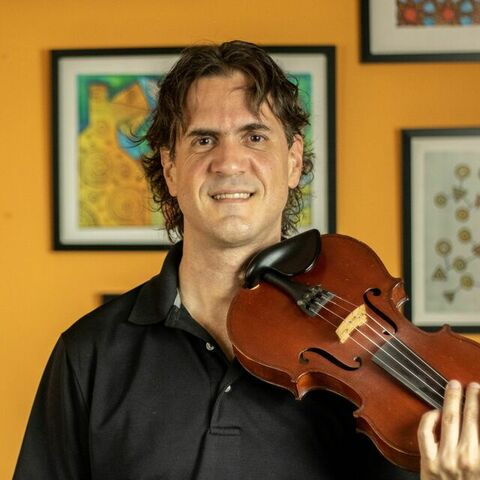
With Pablo Villegas
Do you struggle to fall asleep or wake up feeling truly rested? In "Restful Nights: Learn How To Sleep Well Through Music," we will explore how music and relaxation techniques can transform your sleep quality. This course combines the principles of sleep psychology with the power of music to help you release tension, calm your mind, and prepare your body for a deep, restorative rest. You will learn to use specific melodies, rhythms, and frequencies to induce relaxation, while discovering fascinating facts about the importance of sleep for your physical and mental health. Through guided meditations and original musical compositions, each session will bring you closer to achieving restful and rejuvenating nights.
Meet your Teacher
read more
6 Days
484 students
4.9 stars
13 min / day
Anxiety
English
4.9 (9)
Recent Reviews
Samantha

April 9, 2025
Wonderful course 🙏🎶
Claude🐘
November 16, 2024
I highly recommend this course it has helped me to fall asleep and to choose the right music. Explanations are great. ✨✨✨✨✨💜🙏💜🥱😴
Jennifer
September 23, 2024
Very informative course offering much to think about and consider when selecting just the right music for relaxation and sleep. I have a lot to experiment with and am looking forward to finding what works best for me. Thank you Pablo 🙏🏻
More from Pablo Villegas

Trusted by 37 million people. It's free.

Get the app


