Okay,
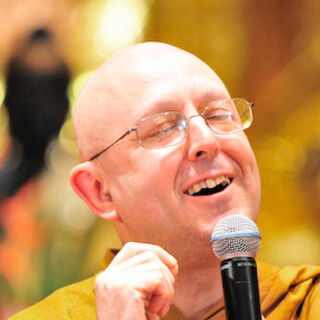
So welcome everybody to today's meditation class.
For those who are coming to the Introduction to Meditation class,
That is the class which is being held in the room to my right.
This is the ongoing class,
So if you come here to learn the basics of meditation,
The first class,
That is the room to my right,
Taught by Bianca.
So this is the ongoing class.
Very good.
So just go to the room to the right and there you will see where it is,
The Introduction to Meditation class.
Very good.
This is the ongoing class.
Just wait for people to adjust.
Wow,
I've lost a lot of customers just now.
Never mind,
More customers coming in.
And I've been away for a few weeks,
Many of you,
Well-known followers.
Okay,
They're going through there.
Interestingly that two or three weeks ago I went to Korea to discuss or rather debate the different types of meditation with the top Zen meditation masters in Korea on TV which is really interesting.
But one thing which,
One of the reasons I was invited there,
Oh is the… Is Bianca going through?
No,
We're okay.
Is the PA on?
Okay,
Very good.
Would someone help her if any strong people want to make some good karma,
Take some chairs through,
Would be nice.
Just out of kindness.
Very good,
I won't start till you're finished.
I think people are back from holidays and they've got to keep their New Year resolutions to de-stress or maybe it's because they've been putting up with their kids over the school holidays and they really need to unwind or whatever it is.
Anyway,
This is the ongoing class.
I was just saying that I was over in Korea and talking about the different types of meditation and one of the reasons I was invited over there because quite a few Korean monks who visited Bodhinyana Monastery have been impressed with the teachings of meditation,
Especially the teachings which introduce this wonderful sense of peace and happiness in meditation.
Rather than just force and just bearing with unpleasant feelings in the body.
So it's very important to introduce that teaching.
The meditation was never expected to be something difficult and if there was a difficulty arise that was just telling you there was something which you were doing wrong,
Some little tweaking of the meditation practice which you needed to affect because basically the meditation is supposed to be a fun thing to do and certainly that's why as a monk I've been meditating for 40,
50 years now,
45 years maybe and that is because when I first meditated,
First sat down to calm my mind,
It felt very pleasant and that was when I was only a novice and as I got deeper into meditation it got more and more peaceful,
More and more happy and I was fortunate to get good teachers from the very beginning.
But when you do have good teachers and you're encouraged to feel the happiness of meditation it means that meditation is something you really look forward to.
It's not something you have to do every morning,
It's something you look forward to doing.
It's something which is like just watching a good movie on the TV,
It's something which you like to do.
And to be able to generate that happiness of meditation is an important part.
And in order to do that we learn as meditators to recognize that different type of happiness,
Not the happiness of excitement,
You know,
When you're watching your favorite sports team win the trophy,
But it's the happiness of the more refined happinesses of peace,
Of contentment and one of the little techniques,
Little meditation tools which I teach people and I taught this recently,
It was very effective,
Was at the very beginning of your meditation to remember,
You try and remember and recall the most peaceful,
Happy,
Contented time you've ever had in your life so far.
And one of those times for me,
Just as many,
Many times,
One of the first times I really felt content and happy was when I was working in London as a student,
Just a summer job and just taking lunch to Hyde Park and to the Serpentine Lake,
There must have been something,
An omen there,
And sitting by that lake,
Because Bodhinyana Monastery is in the town of Serpentine,
And just sitting by that lake and feeling just so peaceful and happy and just so content,
It's a sort of feeling that you don't want to be anywhere else in the whole world,
Nothing is missing,
There's no problems because you forgot totally about them,
No worries,
No concern,
Perfectly at peace and content,
Just happy just to be here.
And I ask people in the first part of meditation to remember those feelings,
Remember the time in your life that you've felt that beautiful happiness and peace and contentment because there'll be one or two occasions for all people,
It may have been on holiday somewhere,
It may be a time as a kid,
It may be by the beach,
It may be up in the mountains,
It may be like in Australia,
Deep in the bush,
And you've been sleeping in a caravan somewhere or in a tent,
And you just get up at night and there's no one for thousands of miles,
Just you under the stars,
And you feel just so happy,
So peaceful.
So at the beginning of the meditation we ask people to start remembering that experience and then to fill in the details.
Where was it,
What time of the day,
What time of the year,
Winter,
Summer,
Spring,
And what was around there,
Can you visualize,
Was it night time,
Day time,
Were the trees around or was it desert,
Was it mountains?
Because every time you fill in the details you are reinforcing that experience,
You're maintaining the feeling of that experience until it gets very solid.
But you do that for two,
Three or four minutes,
Remembering the most peaceful time you've ever had in your life.
And then after three or four minutes of remembering that most peaceful experience,
Then you just let that go and you carry on the ordinary meditation just being in the present moment,
Being silent,
Watching the breath.
Because what you do,
You start off with that peace,
With that calmness,
With that joy.
You start off with that.
And when you start off with that,
It's much better than what most people start off with,
Remembering all the problems which they've come from and all the difficulties they have to face when they leave here.
You start off with peace in your heart.
And not only with peace,
You recognize the joy of that peace,
It's how beautiful it is to remember that time when you were so content,
Peaceful and happy.
Because you're also recognizing that other type of happiness,
The happiness born of contentment rather than born of excitement.
It's not born of getting what you want,
But born of having no wants at all,
Just being totally content,
Happy to be here,
Not a want in the whole world.
And once you start with that type of experience in the meditation,
Once you recognize that this is a beautiful happiness,
The happiness of contentment,
Then you can recognize that happiness more and more in the meditation.
It's just like when I was young,
I used to like the music,
Rock music,
Jimi Hendrix and stuff like that.
As I got old,
I used to like more subtle music,
Music of one of my favorite composers was Monteverdi,
And for classical music.
And then later on,
You prefer just the sound of the wind in the trees,
Just real natural music.
Little by little,
I went from the gross to the more refined to some of the most refined.
And every one of those has a different flavor of happiness.
One was excitement,
One was a soothing happiness,
One was a happiness of almost stillness.
And I got to know those different types of happinesses.
And this is what you experience in meditation,
The different flavors of happiness,
Going from the coarse happiness of activity in the world to the soft happiness of peace,
Contentment,
Just being happy to be here.
And once that happiness is recognized and starts to build up,
Then the meditation really takes off.
You're just happy to be here.
And you're happy to be in a place where you don't have things to do,
Don't have things to achieve,
You don't have to get anything,
You're not going to be judged,
You don't have to worry what other people think of you,
You've got no work to do,
You've got nothing to live up to,
Nothing to achieve,
No goals which you must reach,
You've got nothing to do.
It's like peace at last.
It's very similar,
You've come on a long journey and now you've got a place where you can sit down and rest,
Going nowhere,
Just being here,
A place to rest at last.
Just like in the shopping mall,
You've been walking up and down,
Finally you've found an empty bed so you can just put your bum down and relax.
That's just what meditation is like,
Because it's just so hard to relax,
Even in your homes,
The phone is going,
There's work to be done,
There's so much stuff which you have to do that people can't even relax at home.
At least you know in meditation that this is a place you can just be.
So you sit down,
Just recognize the joy of peace,
Of just being,
Of being content,
Of not needing to go anywhere,
Just like you've felt once or twice or many times in your life so far.
And once you recognize that happiness of contentment,
You'll have that recognition throughout the meditation.
You're just in this present moment because you're happy to be here.
You don't have to force the mind,
You don't have to keep bringing the mind back when it goes off into the past or the future,
You're happy to be in the moment,
You recognize that this is freedom,
Why do I want to put myself in jail?
Of all of this stuff and worries which I should be thinking about,
You know I'm going to be free for the meditation.
Why do I have to have all these thoughts coming backwards and forwards in my mind?
It's so noisy.
But why do people think?
Because that's the only enjoyment they know.
A lot of people enjoy thinking.
That's why it continues in their mind.
If only we could notice silence and enjoy the silence more,
Then we wouldn't think so much.
So we notice and we recognize the more refined happiness of silence.
And many of you have experienced moments of silence in your meditation,
Sometimes minutes of silence.
Just know how pleasant that feels.
There's that certain type of happiness and joy,
Again it's the joy of contentment,
Happiness and peace.
I often wondered why it was that classical music was just so calming and so enjoyable.
And it was,
I realized that when I was listening to a great piece of music,
I wasn't thinking,
I wasn't worrying about what I should be doing afterwards or where I'd come from.
I was totally in the moment,
Kept in the moment by that music with not a thought going in my mind.
Anything was just pushed out,
Just by the flow of the symphony.
That's reasonably similar to what happens when you're silent in the mind,
But the silence is obviously much deeper.
You're not thinking about anything,
You're not making any comments,
You're not in the past or the future,
You're totally here,
Silently just being,
Enjoying this moment.
And you can only stay in the silence,
You can only even stay in the present moment.
Once you recognize that particular type of joy and pleasure of contentment,
Just happy to be here and I don't need to do anything or go anywhere.
This is good enough.
Developing that joy in meditation,
The difficult part is developing the joy at the beginning.
As you go deep in meditation,
That joy becomes so strong it's impossible to ignore,
Which is why in the very deep meditations you really get blissed out.
But it's great to be able to develop that joy at the very beginning,
Just with the present moment.
At last I don't need to do anything,
I could just be here.
I've been travelling so hard for so many hours today,
Now I can just be,
I don't need to do anything.
I've been thinking so much in my life,
Now I can just stop that and just be empty and be free.
Now I can just be watching this breath and nothing else to do in the whole world,
Just watching a breath go in,
Watching a breath go out.
Sometimes I compare that experience of watching the breath go in and breath go out with the times you used to go to the beach and just now quiet part of the beach and just watch the waves come in,
The waves go out,
Especially if it was a calm day,
If it was a windy day,
That could be very noisy,
The sound of the beach.
But a very calm day,
They're just like little ripples,
Little ripples coming up the beach and they're very softly going back again.
And it was such a monotonous routine,
It made you calm and peaceful,
It was like reassuring.
I often tell people that one of the reasons why the breath is a very good object to watch,
Why it is reassuring and comfortable,
Is because I'm sure that psychologically it reminds you of the time in your mother's womb or after birth on your mother's belly after breastfeeding.
It's comfortable,
It's safe,
It's the rhythm which you recognise from the earliest time of your life,
It's a fetus in the womb or it's a newborn baby,
The rise and fall of your mother's chest.
Comforting,
Reassuring,
That's one of the reasons why watching the breathing is a very soothing object to watch.
And it becomes quite pleasurable,
Just noticing the joy,
Just watching the breath go in,
Watching the breath go out.
And it's developing that joy in this meditation,
That particular type of joy of contentment,
A very refined joy.
Once you recognise that,
Then the meditation takes off,
You don't need to force the mind to meditate,
You like it,
The mind gets attracted,
The mindfulness just sticks,
Simply because it's fun,
It's joyful.
It was great just going to Korea and just teaching people that and people getting off on meditation,
Some of them for the first time in their life.
What do you mean meditation is not hard work?
Meditation is fun,
Yes,
You've got it.
Woohoo,
Success.
So that is how we meditate for fun.
So while I've been speaking,
Maybe a few people have come in,
If you've come in to come to the Introduction to Meditation class,
That is in a room to my right.
This is the ongoing class for the experts,
For those who are so close to enlightenment,
You just need a little bit more to push you over the edge,
Or maybe not that much.
So anyway,
Anyone come for the beginners class,
Anybody's on the room to my right,
This is the ongoing class and having given the introduction,
Okay,
Yes,
Otherwise you'll have to sit so long.
So that's the room to my right over there,
You go through,
Yes,
Just through the door over there,
The bhagas in there,
Very good.
So here we go.
So if you like to get yourselves comfortable,
And we are,
Oh,
You're going to come in here anyway.
You're coming here?
The beginners class is in the room over there.
Yeah,
It's okay.
I don't mean to the right,
Sit to the right,
I mean it's actually the room to my right.
That's the room,
You go through the door and there's four walls and stuff.
Okay,
Here we go.
So,
Sitting down,
Closing your eyes,
Making sure you're comfortable first of all.
Checking your body,
Making sure your legs are in the right place,
Your bottom is not going to be unpleasant,
Your waist is not got a tight belt around it,
Your back feels good,
Your shoulders are relaxed,
Your hands are in a position where you don't need to fidget them.
One of the reasons why people fidget their hands so much is because they don't put their hands in a comfortable position to begin with.
They don't even care about where their hands are.
Sometimes these parts of our body we take for granted.
We go to give them some care,
Some attention and then they behave.
And lastly,
Just our head,
Making sure the neck is relaxed,
Head not too far forward,
Not too far back,
Just nicely balanced.
The whole body feeling good.
There is no perfect posture which suits everyone.
You have to find your best position.
When you feel that through mindfulness,
You can feel what is comfortable for you.
If it feels comfortable,
Great,
That is your posture for today.
Sometimes you can't get perfect comfort but this is the best you can do,
So great,
Now leave the body alone.
And as I suggested,
If you want to join in this little preliminary exercise,
Which is very effective,
Now can you recall the time in your life when you felt that you've been so content,
So peaceful,
So happy.
The time when you were just here and you didn't want to be anywhere else in the whole world.
The time when it was like nothing was missing,
You felt safe,
Content.
The body was not causing you any pain or aches.
Everything was just perfect in those few moments.
So perfect you didn't want anything else or to be anywhere else.
The most peaceful,
Contented moment of your life.
Now what did that pleasure feel like?
The pleasure of freedom,
Of contentment,
Just happy to be here.
And where was that?
What part of the world?
And what part of your life?
And what part of the year and the day?
Fill in the details,
Was it winter,
Summer,
Spring,
Afternoon,
Evening,
Early morning dawn?
What was the time?
And who was with you?
And were you in an open area with water or mountains or desert or where was it?
Fill in the details as much as you possibly can.
Even what were you wearing,
If you can remember that.
How old were you?
Where did you come from?
Where were you going to go to next?
Because every detail which you fill in,
Keeps you on that peaceful,
Comforting,
Contented experience of your past.
So you can feel again a portion,
A fraction of that contentment,
Just by recalling it.
You would just be here.
No one was pushing or pulling you to do anything or be anyone.
You're by yourself a lot of the time.
Just happy,
Relaxed,
Without a care in the world for those moments.
This precious time,
The time of peace,
The time you most felt free and mentally,
Emotionally relaxed.
When was that?
Where was that?
Please recognize that particular type of happiness.
It's not the happiness of getting what you want,
Of excitement.
It's not the happiness of the chase to get what you want.
It's the happiness where all your wants,
Desires and cravings disappeared for a few minutes and you were free to be.
With no goal to reach,
No destination to get to,
No work to finish,
You just were.
Can you feel that freedom,
That peace,
That certain happiness of contentment?
Now come into the real present moment,
Here on a Saturday afternoon,
2nd of February 2013 in Nodarama Buddha Centre.
You're here now.
You have a great portion of that same happiness and contentment,
Just being here,
Without a care in the world,
Nowhere to go,
No things to tick off your list,
Free just to be.
Can you notice that particular happiness?
The happiness of having no stress,
No demands upon your heart,
A heart which is free,
Free just to be.
It's a beautiful happiness of contentment.
It helps you remain in this very moment,
Even being silent.
You are now here.
You are now here.
You are now here.
You are now here.
You are now here.
You are now here.
You are now here.
You are now here.
You are now here.
You are now here.
You are now here.
You are now here.
You are now here.
You are now here.
You are now here.
You are now here.
You are now here.
You are now here.
You are now here.
You are now here.
You are now here.
You are now here.
You are now here.
You are now here.
You are now here.
You are now here.
You are now here.
You are now here.
You are now here.
You are now here.
You are now here.
You are now here.
You are now here.
You are now here.
You are now here.
You are now here.
You are now here.
You are now here.
You are now here.
You are now here.
You are now here.
You are now here.
You are now here.
You are now here.
You are now here.
You are now here.
You are now here.
You are now here.
You are now here.
You are now here.
You are now here.
You are now here.
You are now here.
You are now here.
You are now here.
You are now here.
You are now here.
You are now here.
You are now here.
You are now here.
You are now here.
You are now here.
You are now here.
You are now here.
You are now here.
You are now here.
You are now here.
You are now here.
You are now here.
You are now here.
You are now here.
You are now here.
You are now here.
You are now here.
You are now here.
You are now here.
You are now here.
You are now here.
You are now here.
You are now here.
You are now here.
You are now here.
You are now here.
You are now here.
You are now here.
You are now here.
You are now here.
You are now here.
You are now here.
You are now here.
You are now here.
You are now here.
You are now here.
You are now here.
You are now here.
You are now here.
You are now here.
You are now here.
You are now here.
You are now here.
You are now here.
You are now here.
You are now here.
You are now here.
You are now here.
You are now here.
You are now here.
You are now here.
You are now here.
You are now here.
You are now here.
You are now here.
You are now here.
You are now here.
You are now here.
You are now here.
You are now here.
You are now here.
You are now here.
You are now here.
You are now here.
You are now here.
You are now here.
You are now here.
You are now here.
You are now here.
You are now here.
You are now here.
You are now here.
You are now here.
You are now here.
You are now here.
You are now here.
You are now here.
You are now here.
You are now here.
You are now here.
You are now here.
You are now here.
You are now here.
You are now here.
You are now here.
You are now here.
You are now here.
You are now here.
You are now here.
You are now here.
You are now here.
You are now here.
You are now here.
You are now here.
You are now here.
You are now here.
You are now here.
You are now here.
You are now here.
You are now here.
You are now here.
You are now here.
You are now here.
You are now here.
You are now here.
You are now here.
You are now here.
You are now here.
You are now here.
You are now here.
You are now here.
You are now here.
You are now here.
You are now here.
You are now here.
You are now here.
You are now here.
You are now here.
You are now here.
You are now here.
You are now here.
You are now here.
You are now here.
You are now here.
You are now here.
You are now here.
You are now here.
You are now here.
You are now here.
You are now here.
You are now here.
You are now here.
You are now here.
You are now here.
Now is the time just to know the general feeling in your mental world and also in your body.
How relaxed and peaceful and rested have you become?
And why?
I want you to do special,
The latest meditation the way it is.
We are now going to ring the gong three times.
As usual please listen to every sound from the gong when the last sound vanishes,
Come out from your meditation.
GONG GONG Very good.
Now we do have a box in the back for questions and I'll pick this one in.
Up to start with.
Have we got any computer questions today?
Okay.
So here we have,
Dear Jan Brahm,
I heard that practice in generosity can actually improve our meditation.
Is this true?
If it is,
What is the reason for it?
Thank you.
Yes,
It's called bribery.
If you bribe the Buddhist society we make sure you get better meditation.
No,
That's not what happens.
It depends on what type of generosity you do.
There's something called giving,
Expecting,
Nothing back in return.
Which is why in this Buddhist temple you don't see any list of donors.
We don't publish people's names.
We don't say that this person gave a hundred dollars,
This person gave a thousand dollars,
This person gave five cents.
We don't publish that at all because all the donations are kept secret.
Otherwise we don't actually call it a donation if you want your name on the top of the hall.
For example,
This is called,
Say,
George Hall because it was done by Mr.
George.
That is not generosity.
We call that buying advertising rights for your name.
Real generosity is giving,
Expecting,
Nothing back in return.
And that whole idea of giving,
Expecting,
Nothing back is what helps the meditation.
Because too often in meditation we try and meditate to try and get something,
To achieve something.
In the retreats I often quote a famous saying of my teacher,
Ajahn Chah,
Who would often remind us that you meditate not to attain something,
You meditate to let go of things,
To abandon things,
To see how much you can lose,
Not how much you can get.
And that is the whole idea of generosity,
Of letting go,
Of giving up,
Expecting,
Nothing back in return.
And that type of generosity does help the meditation because it means you're giving your mindfulness to this moment.
That is your gift.
And you are expecting nothing back in return,
Which is a crucial part of meditation.
There are many people who have had good experiences in meditation,
Peaceful,
Amazing experiences,
And they come up to me and say,
I had this experience a long time ago and I just can't get it back again.
I've been trying for months,
For years,
And it just won't come back.
So yes,
Because you're not meditating,
You're trying to get something.
Therefore it will never work.
But if you meditate,
Giving your time,
Your energy,
Your mindfulness to this moment,
Not expecting anything.
Straight away that means you are developing peace,
Stillness,
All expectations,
Another form of wanting which stops the mind being peaceful.
In fact,
Even the English word expectation,
It means looking outside,
Not really looking inside.
So we don't do expectations in Buddhism,
In meditation,
We do in-spectation,
Not expectation,
Looking in to see where you are,
Which is why that type of giving,
Expecting nothing back in return,
Is what applies the mindfulness to the moment,
Not wanting anything,
Not expecting anything,
Not anticipating anything.
Many of you meditating a long time just have come across that terrible hindrance,
You're getting very still,
You're getting very peaceful,
And this is it,
This is it,
It's coming,
And you blow it again,
Simply because you've expected something,
You anticipated something.
Your mind has lost the present moment and it's lost contentment,
Now it's wanting what you think is going to come next,
Which is giving,
Expecting something back in return.
So you can see that type of giving is a type of letting go,
It's a type of abandoning,
It's a type of not controlling things,
Which again is the main enemy of meditation.
When you try and control the mind,
It just goes all over the place,
You wonder where did all this restlessness come from,
And you try and control the mind to stop all these thoughts,
It gets worse and worse.
Remember the whole reason why you start thinking in the first place is because you're trying to do something and control things.
This meditation is not about doing things,
It's about being.
As somebody mentioned in a retreat which I taught a few days ago at Jhana Grove and I told this last night,
Now what are you anyway?
You are a human being,
You're not a human doing.
If you're a doer,
You're not a human being anymore.
You're a human being,
You're being here rather than going somewhere.
And if you can remember who you really are,
You're a being,
Not a going,
Then you'll have much more understanding about what meditation is.
So when you give expecting nothing back in return,
You're being again.
You're not trying to get something,
You're not trying to attain something.
It's real generosity,
It's not just doing a form of business.
I give a donation to the political party and then I can get some benefits from my community or from myself later on.
I give to the temple so I can get good karma,
So I can be happier and get rid of my ill health.
That type of generosity is not generosity at all.
That's just giving,
Trying to get something back in return.
It's just like doing business.
And of course you all know that sometimes religion can very easily slip into business trying to get things.
I've often told jokes about how in our modern world,
We should adapt Buddhism to our modern world.
I got this idea after going to Las Vegas.
We should have drive-in Buddhist temples.
So you just drive in and you get this little menu on there,
What you actually want,
Meditation instructions,
You want chanting for ill health,
Marital problems,
Someone has died in your family,
You can press whichever you want.
If you want holy water,
You can press that.
You go to the next booth and then you can get the chanting,
Especially which you ask for.
If it's holy water,
You get squirted,
Whatever it is you want for advice.
And then at the last booth,
You pay your money,
Like at McDonald's.
That would be in the Buddha's new temple.
That would be terrible,
Wouldn't it?
That would just take the whole,
I'm sure that someone will do that sooner or later because there's money to be made in religion,
Which is really stupid because people think they can buy their way to things.
This is totally the opposite of that.
You have to give up,
Let go.
You give expecting nothing back in return.
Isn't that really wonderful when,
Especially your loved ones,
When it's their birthday or Valentine's Day or just Christmas or Chinese New Year,
You just love giving to them.
I don't want anything back.
It's just my privilege to give to you,
To help you,
To look after you.
I don't want anything.
I just please give me the opportunity to give.
That's the expression of love.
Isn't that really wonderful?
Those of you who've got kids who have grown up and they left home,
Isn't it wonderful when they come back to visit you?
They say,
Just come in,
I'll give you dinner.
You don't give them a bill after you've invited them for lunch or dinner.
You don't want anything back.
It's your fun to see your kids,
To see the people you like and love and give them something to eat.
This is actually what we mean by giving expecting nothing back in return.
It brings this beautiful sense of contentment,
Love,
Peace.
Why is it in the world we always have to do something thinking we're going to get something out of it afterwards instead of just doing it for fun?
That's why somebody's saying,
What are you a monk for?
They used to ask Gajan Chai and he said,
I just became a monk because of a joke,
Just for fun.
He was actually saying something really important.
What do you mean,
Becoming a monk to get something out of it?
That's another type of materialism,
Again,
Giving ourselves to become a monk to get something.
No,
Just do it for fun.
If you get that idea,
You know what real generosity is.
You give your time,
You give your energy,
You give your money,
You give your food,
Whatever it is,
Not to get anything out of it.
You just give it because you enjoy giving,
Expecting nothing back in return.
And you give your energy to this moment of meditation just for the sheer fun of it.
You don't expect anything back.
And then you get everything you would have ever want,
Nimittas,
Jhanas,
Enlightenment,
The whole work.
When you want something back,
You stop meditation happening.
That's why real generosity,
I don't mean the stuff which most people do in this world,
Real generosity,
Giving,
Expecting nothing back in return.
I know that sometimes people,
They love giving this money to like a child in sort of Africa or somewhere in some poor place and they get a letter back from the child.
That's not generosity.
You're getting something back in return.
What's really good is just giving,
Expecting nothing back just because it needs to be done.
In that type of generosity we get nothing back,
No recognition,
No thanks,
No letters,
No tax deductible receipts or whatever.
Giving,
Expecting nothing back in return is the highest,
Is the best.
That type of giving,
That idea of letting go,
Just doing it for the sake of fun,
For joy,
For happiness,
That is what works in meditation.
The highest giving called letting go.
So,
Hopefully that answers the question.
Any comments anyone had about my answer?
Any other questions anyone's got?
Wow,
It's quiet.
Sometimes people said the question everybody wants to ask but no one dares to ask at the end of a talk like this is a question,
Can we go now?
And the answer is yes.
So that's Pervis Pesso,
The Buddha,
Nama,
Sangha and then we can go.