Hello,
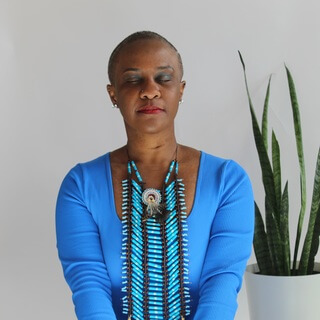
This is Alonia and today I wanted to come and talk about intergenerational trauma and passing that down through the line and intergenerational healing.
So,
You know dealing with the mother-daughter relationship.
There are a lot of things that I have just been taking an inventory on and thinking about and one thing that was a theme for me is actually how would I say this?
Using my daughter as a therapist.
So meaning I was like,
Oh,
You're my best friend.
And then actually talking to her about everything in my life,
Right?
Even grown-up stuff,
Like,
You know,
Personal stuff and.
.
.
When I thought about this pattern,
I was like,
Hmm,
This is the same pattern that I had with my mother.
And I felt like then I was like a mini therapist,
Right?
Like you're six,
Seven,
Eight,
Going up through teenage years and you're like,
Hmm,
You know,
It's great that my mom trusts me with all this information.
She's talking to me,
This,
That,
Or the other,
But you don't realize sometimes until it's like when you're deep in the thick of it,
That that's not a healthy dynamic,
Right?
Our daughters should not be our therapists.
We shouldn't put them in grown people's conversations.
We should not use them to police our emotions,
To make them feel guilty or bring them into our adult things and ask for their opinion like hey you know in my case you know my daughter is a teenager so it's like hey allow her to be a teenager and not managing your emotions if you need to talk to somebody talk to your older girlfriends talk to your spouse your husband or even get you a mental health therapist or something like that go to CBT and talk to a licensed professional,
Right?
You know,
So that was one pattern in me that was repeated,
You know,
And I caught myself like,
Hmm,
Years ago,
You know,
My mother did the same thing to me that I am currently doing with my daughter,
You know,
No boundaries,
Telling her everything,
You know,
And we can often like mix that up with being their being their friend,
But there's also a thing about wounding or re-wounding or passing down that trauma,
That unhealthy generational imprint,
Passing down that unhealthy cycle.
And,
You know,
It's not okay.
And I know I noticed it long time ago,
Still did it.
You know,
I will wake up with a new goal,
Like,
Okay,
I'm not gonna do that today.
Still did it.
So one day,
I think it was like a week ago,
She said,
Hey,
Mom,
I want a boundary with you around talking about grown people stuff and talking about,
You know,
Personal stuff that deals with you,
Relationship and different kind of things like that,
You know,
I want to be able to be a teen and not have to,
You know,
Listen to all of that.
Right.
So,
You know,
That was a conversation that we had and she was right,
You know,
And at first I felt some type of way,
You know,
I was like,
Hmm,
You know,
I'm losing my little best friend.
But then I was like,
No,
That's not true.
Because the using your daughter as a mental health therapist is a thing.
You might think that it's like,
Oh,
I'm just talking to her about everything.
We're transparent.
We share everything with one another.
But look at that,
Though.
Really pay attention to it and look at that dynamic.
And are you gauging your emotions off of what your daughter thinks?
Are you making your decisions based off what she's thinking?
If she doesn't give you the feedback you want or if she's Do you take that personally?
Do you make her feel guilty for having boundaries with you,
Right?
So those are things and sometimes we can throw the responsibility on our daughters to help us heal and it's not their responsibility to help us heal from our things that we go through.
It's not their responsibility.
Their responsibility is to be who they are.
Who they are,
Come talk to us.
Of course,
Leave the door open so your daughters can come talk to you.
But when you notice that pattern and that cycle repeating,
It's just a good thing to practice mindfulness and being conscious and aware of it,
Being curious about it and wondering,
First,
Where did that come from?
And nine times out of 10,
From.
The relationship that you had with your mother,
Right?
And we unconsciously do it sometimes,
Especially if you're a mother that don't have a lot of girlfriends and you have a daughter.
We tend to trauma dump a lot on our daughters and treat them as our girlfriends because we don't have a group of friends or we don't have older friends we can talk to,
But that's not a healthy dynamic.
You know,
We should allow girls to be girls,
Children to be children.
And teens to be teens,
Figuring out their life,
Figuring out what they're into,
What they're learning,
How they're growing,
And things like that.
So it's very important for us to be able to separate the two and not use them as our therapist.
So anyway,
In your mother-daughter dynamic,
Ask yourself,
Am I using my daughter as my personal therapist?
You know,
Am I using her to gauge my emotions?
Am I bouncing all these ideas off of her?
Am I putting too much of a burden on my daughter when it comes to my adult issues and my adult problems?
You know,
It's nothing wrong with trying to be your child's friend or being transparent with them,
But you do cross a boundary and a line when you actually use them for your emotional security and your emotional support when you can be getting those resources and using your tools that you have as a mother when you can be utilizing other ways in order to express yourself,
Heal from the things that you need to heal from,
And to keep that balance in the mother relationship because sometimes our daughters are afraid to tell us no.
So they're going to sit there and they're going to let you trauma dump.
They're going to allow you to tell them all your business and things like that to appear like you're there,
You know,
They're your counselor or whatever because they don't want to disappoint you.
They don't want you to be angry with them.
They don't want you to withhold your love and stop talking to them.
They don't want you to be mad.
But.
.
.
No.
As the adult and the mother in the relationship,
It is very important for us to do the intergenerational healing and try to do the womb healing and all of the generational healing in order to be the lineage breaker for ourselves as well for our lineage,
Which extends to our daughters and their daughters,
Their daughters.
And it just keeps continuing to go down the line.
So yes,
That is the realization that I had last week and before then but now I'm trying to be more aware and more conscious of what I share and not to overshare and not to make my Emotions the things I go through the situations I go through my daughter's problem for her to fix for me you know and You know just being aware of that and if I'm getting upset if she's setting those boundaries or pulling away or voicing like,
Hey,
I need this boundary with you.
And could you respect that?
You know,
Are you really getting upset because she's having those types of conversations with you?
Because it is important for us to be mindful of our behavior,
Take charge and accountability for our healing and not place that or displace that to our daughters again,
This is me just being very transparent about a pattern that I saw and If you see the same thing just share what you're learning on your journey What pattern keeps coming up for you that is repeating for you that you want to break with your daughter?
I am looking forward to seeing your feedback and your comments in the comment section.
So until next time,
Be safe,
Be blessed,
And talk to you later.