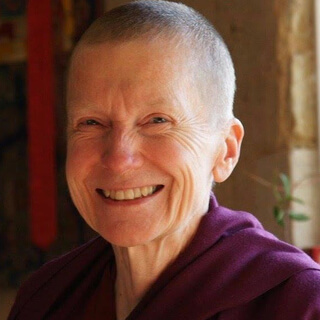
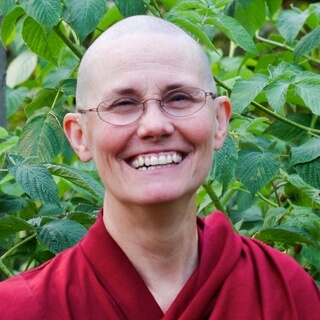
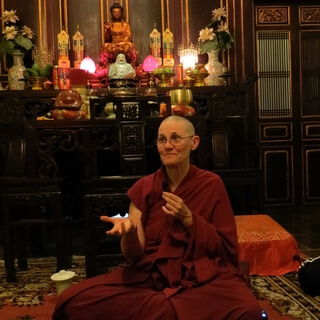
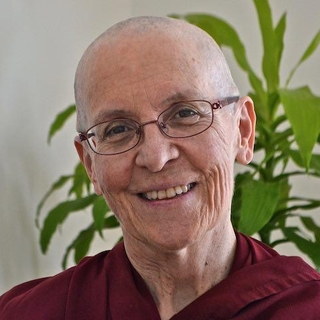
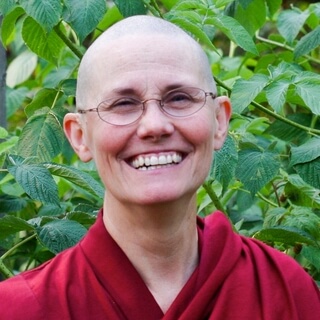
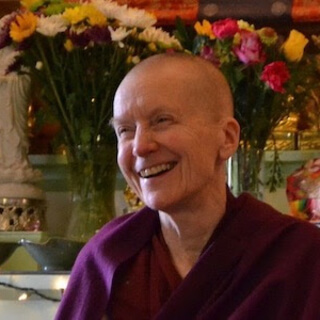
Just a little introduction.
So,
In this session,
We'll do some meditation.
So for a long time,
There's been this idea that Charles Darwin believed in survival of the fittest.
So there's that kind of idea that you have to be tough and competitive.
But it turns out that this was actually a misinterpretation of his work and his thoughts.
Even in recent years,
A number of scientists and psychologists like Paul Ekman,
Who's done a huge amount of research on human emotions,
They took a closer look at Darwin's writings and discovered that he strongly believed in compassion and kindness.
So one of the things he wrote in one of his later books was,
Those communities which included the greatest number of the most sympathetic members would flourish best and rear the greatest number of offspring.
And in an article,
Paul Ekman said that what Darwin called sympathy today would be termed empathy,
Altruism,
Or compassion.
And that Darwin wrote that the highest moral achievement is concern for the welfare of all living beings,
Human and non-human.
So we'll do a meditation on this theme,
Comparing two attitudes.
One is competitiveness and the other is kindness and cooperation.
And Tibetan teachers say that we have an instinctive tendency to compare ourselves with others.
And this can lead to different attitudes.
So when we consider another person to be inferior to us in some way,
Then we have an attitude of arrogance or pride.
On the other hand,
If we consider somebody else to be superior to us,
Higher than us in some way,
We have envy,
Jealousy.
And then those who are kind of on the same level as us,
More or less,
Then we have an attitude of competitiveness,
Wanting to get ahead,
Wanting to be a little bit better than them,
Get more points.
So this is quite an unfortunate situation,
But it's normal.
So if you notice these attitudes in yourself,
Don't feel bad,
You're not the only one.
And Buddhism says that we can change this.
These kind of attitudes are not permanent fixtures in our mind.
They can be worked on and reduced.
And one of the first things we need to do is to notice them in ourselves.
So that's going to be kind of our theme for today,
Especially with regard to competitiveness.
So what we'll do is we'll do some silent meditation for a while to relax and get our minds more settled down.
And then I'll lead a guided meditation on this theme of competitiveness.
We can start to look at that in ourselves.
So bring into your mind,
Into your heart,
As much love,
Kindness,
Compassion,
And positive intentions,
Positive wishes that you are able to feel.
We all do have these feelings,
At least sometimes,
So bring those into your mind,
Into your heart.
And feel the wish that what we're doing here today,
Doing meditation,
May all these activities be beneficial.
May they bring peace,
Happiness,
Benefit to ourselves and to all other people,
All other beings all over the world,
All over the universe.
May they all help us to awaken and to become kinder and more wise,
More compassionate,
Have more and more positive qualities and fewer negative qualities in our minds.
And that'sLet's do it.
.
So,
We'll do some quiet meditation for a while,
And I'll start with relaxation.
It's really good to be as relaxed as possible when we do meditation.
So,
I invite you to just kind of do a body scan.
You can do that from the top of your head to going down through your body to your toes,
Or if you prefer,
You can do the other way around,
Starting from your toes and go up to the top of your head.
Just with your awareness,
Go through your body and just notice if there's any tension,
Any tightness anywhere in your body.
Certain areas are common spots of tension like shoulders and the neck and the back or the abdomen.
So,
Anywhere you do notice tension,
See if you can release that tension.
An easy way to do that is to just focus at that place and tell yourself to relax,
Let go.
You can imagine the tension melting and then flowing out of you and sinking down into the ground.
It's not going to hurt anybody down there,
But it frees you up from that tension.
Or you can imagine it evaporating and disappearing in space.
So,
Whatever works for you,
Try to find some way of releasing,
Letting go of any spots of tension in your body.
You And if you're not able to let go of all the tension,
Don't worry about that.
Just let go of as much as you can and then be content with that.
And for the meditation,
Be as comfortable as you can.
However,
It's good if you can keep your back straight.
Sitting with the back straight helps the mind to be more clear and awake and focused.
Let your shoulders relax,
Not be hunched and tight.
And you can just have your hands resting on your lap or on your knees,
Whichever you're more comfortable with.
And you can have your eyes closed all the way or left open just a little bit.
That way,
There's some light coming into the eyes and there's less chance of falling asleep during meditation.
So,
We do want to stay awake,
Relaxed,
But awake and alert.
And let your breathing be natural.
Don't breathe in any forced,
Unnatural way.
Your body knows how to breathe.
It breathes on its own,
24 hours a day,
Even when you're asleep.
So,
There's no need to control or regulate your breathing.
Let go of any tendency to control and allow your body to breathe naturally in natural rhythm.
And let the breathing be the object that you focus on during the meditation,
Just for this first part of the meditation session.
And just let your body breathe naturally.
And then with your mind,
With your awareness,
Just be aware of the breath as it's coming in and going out.
And you can do that in whatever way works best for you.
Some people find it helpful to focus at the nostrils where the breath is coming in and going out of the body.
It's like the doorway to the body for the breath coming in and going out.
So,
You might be able to feel a slight sensation at that place as the breath is coming in or going out.
So,
That's one possibility.
Another one is the abdomen.
As we breathe,
Our abdomen moves in and out.
So,
You can also be aware of that place and that movement as the breath is coming in and going out,
Or your chest rising and falling.
So,
You can pick whatever place,
Whatever way you find most easy,
Comfortable to be aware of your breathing.
And the point is to try to be aware of each breath,
The full inhalation of the breath as it's coming in,
And then the full exhalation of the breath as it's going out.
And any pauses in between.
There might be a pause between the inhalation and the exhalation,
Or a pause between one breath and another.
That's normal.
But continue to keep your awareness at your breathing,
On your breathing.
And this is actually not so easy to do.
So,
You'll probably find your mind wandering away,
Maybe getting bored with the breath and wanting to think about something else.
So,
Don't be surprised if that happens.
Thoughts will pop into your mind.
You'll remember things you did earlier today,
Or yesterday,
Or last week,
Or any time in the past,
Those thoughts will come up in your mind.
So,
Try your best not to get totally carried away with those thoughts.
As soon as you notice your mind has started thinking or remembering,
Then let go of that.
Put that aside and come back to the present moment,
Right here,
Right now,
Being aware of your breath coming in and going out.
Or thoughts of the future might come up,
What you're going to do later today,
Tomorrow,
Next week.
So,
Again,
It's normal that those thoughts pop up in our mind.
But as soon as you notice your mind has gotten caught up thinking those thoughts,
Put them aside,
Let them go,
And come back to the present.
Come back to being right here,
Right now,
Being aware of your breath coming in and going out.
And some people find it helpful to count the breaths.
That helps your mind to stay more focused on the breath.
So,
You could just count to three,
Three breaths,
And then start again at one,
Or up to five,
Or up to 10,
As you'd like.
If you're new at meditation,
It's probably better to keep it small.
Just count into rounds of three breaths or five breaths.
And then just keep starting again at one.
Okay.
It can be helpful to think of thoughts as being like clouds in the sky.
They come and go.
They're not permanent.
So,
Our mind is like the sky.
It's clear and spacious.
Thoughts,
Memories,
Emotions,
Are things that just come and go.
They're not permanent.
So,
Have that awareness,
And that might help you to let go of the thoughts and memories and other distracting things that come up in your mind when you're trying to focus on your breathing.
Just let them go and come back to the breath again and again.
Okay.
So,
Now we'll shift gears slightly and do a different kind of meditation,
An analytical meditation that involves thinking,
Contemplating.
So,
I'll give you some ideas to think about,
Related to this topic of competitiveness,
And then give you some time to contemplate them.
So,
Do your best to stay attentive and focused on what we're supposed to be meditating on.
And again,
If other thoughts come along in your mind of the past or the future or other things that aren't related to the meditation topic,
Put them aside,
Let them go,
And come back.
Bring your mind back to the present right here and right now and the meditation that we're doing.
So,
Bring to mind a time when you had feelings of competitiveness coming up in your mind in relation to somebody else or to a number of people.
And those feelings of competitiveness may have been so strong that they kind of took over your mind and influenced your behavior,
The way you acted,
The way you spoke.
So,
You may have actually acted out this feeling of competitiveness,
Trying to prove that you're better than someone else or trying to get ahead,
Win more points for yourself.
Now,
Try to remember that experience as clearly as you can and just watch what was that like for you.
And also,
Look at how your way of behaving and talking may have affected the other person in relation to whom you were feeling competitive and anyone else who may have been around and observing this behavior,
How do you think they were affected by it?
Now,
See if you can go deeper into your mind and identify what internal factors cause you to be this way,
To have such feelings of competitiveness,
Wanting to do better than somebody else.
And when doing this,
If you notice attitudes that are unpleasant,
Even ugly,
Things you don't really want to have in your mind,
Don't beat yourself up about that.
So,
Understand that you're not the only person in the world who has these attitudes.
Most other people have them as well.
And be grateful that you're able to recognize them and have the aspiration to work on reducing them,
Managing them.
Now,
Now think of a time when instead of being competitive,
You were considerate of others and wanted to cooperate rather than compete.
You wanted to be helpful to others and work together with them rather than against them.
Bring to mind an experience like that.
Okay?
.
So as you think back to that incident,
Try to observe what that was like for you.
How was that experience for you and also for the other people who were around,
Present,
Experiencing that?
.
.
.
Now,
Go back to that first incident,
The one in which you behaved in a competitive way.
Imagine having the chance to do this over,
And this time,
Instead of being competitive with the other person or the other people,
You could be cooperative,
Cooperate with them,
Work together with them,
Help each other,
Bring about whatever goal was strived for.
So,
Just imagine that situation acting in a cooperative,
Kind,
Helpful way rather than in a competitive way.
And as you imagine that,
Observe what that experience is like,
How it affects you,
How it affects the other people around you.
.
.
.
.
.
To bring your meditation to a conclusion.
So,
During the meditation,
We had a chance to compare in our own experience different attitudes and different ways of behaving,
Specifically competitiveness and cooperation.
So,
You may have recognized one of those to be more satisfying,
More conducive for positive feelings,
Happiness,
Well-being,
Both for yourself and others.
So,
Then you might make a conclusion to try to be more that way.
Work on being less competitive,
Hopefully you recognize the disadvantages of that.
So,
Try to be less competitive and more cooperative.
So,
Based on whatever you understood,
Whatever you recognized during the meditation,
Make a conclusion about how to move forward,
Where to go from here.
.
And then finally,
Let's just mentally dedicate the positive energy of doing this meditation,
That it will bring about benefit for ourselves and for others and for the world,
And help us all move closer to awakening.
.