Welcome to another episode of the stigma podcast.
I'm your host,
Steven Hayes.
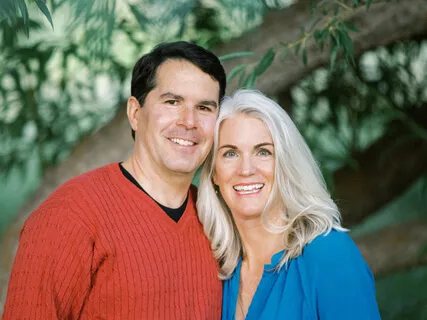
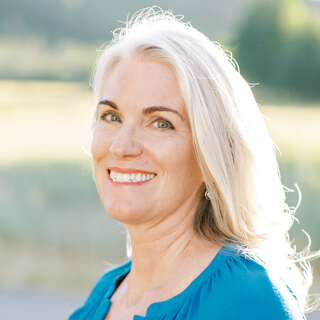
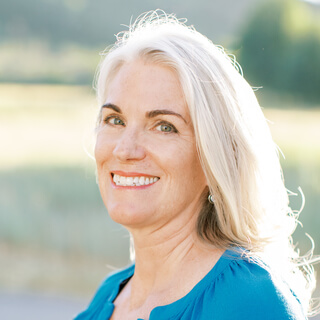
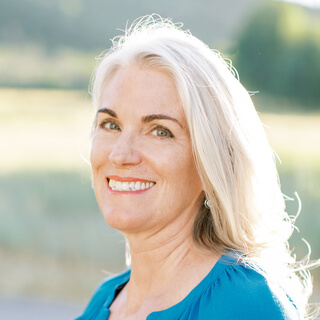
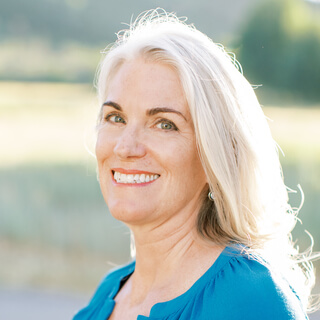
And today I have Charlie Hartwell and his wife,
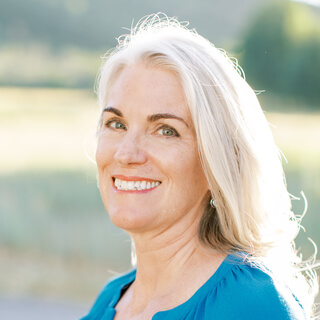
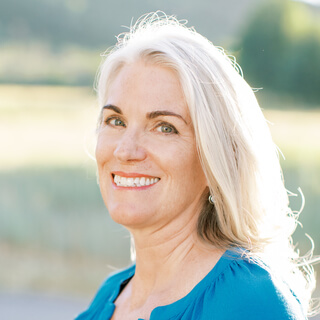
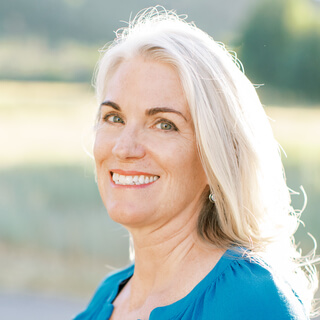
Maureen Pelton,
Who run the most experienced,
I guess you could call it venture investor in the mental health space called bridge builders collaborative.
They've made more investments in the space than anybody else.
And it's not even close.
It's not just a couple more.
It's by a factor.
So I'm excited to talk to them about how they found their way into the space,
What they've invested in,
Where they're focused now.
And then I spend a little bit of time at the end of the conversation,
Really asking them for advice about some of the things that keep me up at night as a new investor in this space.
So I'm excited to share this with you.
But without further ado,
Let's get into it.
So Charlie,
Maureen,
Thank you guys for coming on the show.
Well,
That's great.
And I'm glad that Maureen's here because she's the one that got me into this space in the first place.
And we're partners together in something called the shifted Institute,
Which we'll talk more about.
But yeah,
It's been fun to,
You know,
Be investing for the last nine years in this space.
And you know,
We kind of were pioneers.
It's really fun to see where the industry's grown.
And it's fun to work with my bridge builder partners and Maureen's actually one of them.
And I'm delighted to be here too.
I always like to talk about mental health and mental well being.
And I'm grateful that Charlie and I,
As you know,
Both as a married couple,
And as business partners are able to work together on this and have an impact.
That's really awesome.
Like,
I feel like honestly,
I could spend hours kind of digging in with you both about wellness and spirituality and mental health and conscious breathing and so on.
I mean,
There's there's a whole bunch of topics I would love to just spend hours picking your brain on.
But let's start here.
Let's just kind of start with a little bit of bio background on both of you and maybe how you found your way into the mental health,
The wellness,
That sort of consciousness space,
If you will.
Yeah,
I'm happy to start.
So for me,
I had,
I guess I'll just say I had a spontaneous mystical experience when I was 21 years old,
And I it changed my life.
And I was in my senior year of college or going into my senior year of college,
And I was going to go on to law school.
But instead,
I decided to go on and get a master's degree and really study the social sciences and spirituality and human ecology because I needed a context to put my experience into.
And I then went on after graduate school and began working in the world as a psychotherapist and also an employee assistance provider,
And really found myself working with organizations all over the country and really helping the organizations build their teams and be more diverse.
But what I really discovered was I was spending a lot of time with middle aged white men who were very successful in their career and very unhappy.
And so I spent my time trying to lead them from their head to their heart.
And that just led me down a path of exploring consciousness and heart centered awareness.
And I went on to teach at universities and develop courses,
My own course,
Heart site,
And got involved in integrative health.
And I serve on the board of the Penny George Institute for Integrative Health and Healing and have really expanded into subtle energy and biofield science.
And what else?
What have you made me be easier to talk about what you've not done?
I haven't dismantled the patriarchy yet,
But I'm working on it.
Oh,
That would be great.
Charlie says that you went and presented to the Dalai Lama at his request.
How did that go down?
That I did what?
You presented to the Dalai Lama?
You said you went and presented to the Dalai Lama.
I forgot all about it.
I didn't present to him.
I asked him a question.
I was on a panel with him and a few other people in New York City.
And I asked him a question about addiction and his perspective on studying addiction.
Well,
I'm curious.
What did you ask him?
What was his answer?
Well,
The question was really,
How do we move forward studying addiction,
You know,
In contemplative science?
And his answer was basically study happiness.
Don't study addiction.
I don't disagree with him,
Though.
I mean,
Look,
I lived in addiction for 20 years.
I'm two years sober coming up here in a couple weeks.
I don't disagree with him at all.
Right.
So it's been fun.
Wild ride.
And here we are.
That's awesome.
That's awesome.
Charlie,
What about you?
Can you tell us a little bit about about your sort of your background and what brought you to the space?
Sounds like Marine brought you to the Marine brought me into this space.
My background is more,
You know,
In business.
I'm a Harvard Business School graduate.
I've worked in 14 different industries in my career.
You know,
I'm really passionate and it's sort of in my sweet spot when I'm helping to build global movements.
I've worked in,
You know,
Big corporate America on Wall Street.
I've started for profits,
I've started nonprofits.
I have done,
You know,
I've done some traditional businesses,
I've done crazy businesses.
You know,
I've been an investor for the last nine years,
You know,
More akin to venture capital.
And what really gets me,
You know,
Excited is to help,
You know,
Help support integrated entrepreneurs,
And people to fulfill their own purpose and create,
You know,
Companies or products or whatever,
That can help us change human consciousness.
I love it.
I think it's great.
I'm late to the game.
You've been focused,
You guys have been focused on this for quite a while.
How have you seen the mental health space evolve since you first started taking a close look at it?
So that for me,
That would be going back 35 years ago.
And it's changed drastically.
It's not as stigmatized,
It's much more accepted.
Everyone is able to talk about it.
And actually how I think it's helped is more people are getting help.
And there are so many avenues for help.
You know,
I am a licensed integrator psychotherapist,
So there is psychotherapy,
But there's so much more,
And technologies and modalities and approaches have been changing.
And of course,
No one thing works for everyone.
But I've seen a huge change in it.
And even in terms of health insurance reimbursement,
And payer coverage.
So,
You know,
And even,
You know,
Michelle Obama just said on her podcast that she has minor depression,
Which I think a lot of us at this time,
You know,
It's challenging.
So I think it's really changed.
I think we have room for improvement.
But I think it's really changed.
I agree,
There's a lot of room for improvement.
I think it's,
I agree that stigma has reduced.
But I think there's still a long way to go.
And you know,
That's really the ultimate premise of this podcast,
It really has nothing to do with the venture investing business,
It has everything to do with just telling our stories and talking about mental health and encouraging other people to share their story.
And so that more people can feel like they can go get help,
Or they know where to go or they,
Once they get help,
They can,
You know,
Help perpetuate that virtuous cycle of sharing and encouraging others.
Exactly.
And after I had had my experience when I was 21,
And I went back to college,
I was really confused and depressed.
And I didn't know what to do.
And the first thing I did is I went into therapy,
I found this amazing therapist was my first experience.
And she was a touchstone for me.
And so I've been a strong advocate ever since.
And so one thing,
Maureen,
I noticed you did a course recently on conscious breathing on the insight timer platform.
And I was just kind of go,
I wanted to pick your brain a little bit about conscious breathing,
You know,
What,
What does that mean?
Well,
We as humans are unconscious breathers.
It's automatic.
Our dolphin friends are conscious breathers,
They have to consciously go to the surface,
Break the water and get a breath.
So because we're unconscious breathers,
We take it for granted.
And we develop unconscious breathing habits and patterns that really impact our physical and mental emotional psychological health.
And I know 30 years ago,
I took a breath course,
And I learned that I was an upper chest breather.
And I was a swimmer growing up.
That was my sport.
Same year,
I swam all the way through college.
Yeah,
And I,
The breathing is different in swimming than other sports.
So I found that I was an upper chest breather,
Which a lot of people are.
And it causes a lot of stress on the on the shoulders and the neck.
And I learned to breathe into my belly.
And then I learned diaphragmatic breathing.
And then there's now because there's been so much evidence of breath really impacting our health,
There's been more breath modalities and more breath research.
But conscious breathing to me is to really take responsibility for our breath,
And learn how to breathe in a way that is best for us,
But also to have breathing techniques for specific situations.
So that when we're in those situations,
We can calm ourselves and settle and be present.
I mean,
Really,
Everything in terms of spirituality and psychology and contemplative practices,
Everything,
Yoga,
Meditation,
They all start with breath.
And really,
I've learned over the years that breath,
Really the breath work is even more important in some ways than than the meditation or the yoga.
So to be able to be conscious of our breath and take responsibility for our breath and have tools in different situations.
I mean,
We were just hiking up at 10,
000 feet.
And I was struggling.
And I thought,
Why am I having a hard time?
And I realized I was breathing in and out of my mouth.
And so I started breathing in my nose and out my mouth.
And within a minute or two,
I was fine.
What's the first step in fixing my breathing?
Like what is proper or correct breathing look like?
Well,
Breathing in through the nostrils is really important.
And there's a lot of reasons for that.
You get 18% more oxygen,
Nitric acid is produced,
Which helps spread the oxygen through your heart and lungs.
It filters the air.
There's so many reasons.
And if you can,
Breathing in through the nose is really important.
And you can breathe out through the mouth if you'd like,
But breathing out of the nose is great too.
And the other big piece is belly breathing.
I'm sitting over here like trying to breathe all these different ways.
Now,
I'm thinking about it while you're talking about it.
I'm probably a bad breather now that I think about it.
Well,
There's a course.
So I found out.
Well,
And belly breathing relaxes us.
So breathing deep into the belly,
You know,
Like you're blowing up a balloon on the inhale and then the exhale,
You flatten it.
Just those two things,
Breathing in the nostril and into the belly can make a world of difference.
So why is it not more talked about?
I mean,
It feels to me like maybe breathing is kind of like the bottled water of mental health.
I mean,
I don't have to make the water.
I don't have to make the bottle,
But I can make a,
I can impact a lot of people if I just put the water in a bottle and hand it to people.
And I think I think and I hope that is changing.
There's a book that just came out.
I don't remember the author but I or the book that he just wrote a book about breath and breathing.
And I think that more people are becoming aware of it.
In psychotherapy,
You know,
A lot of us are trained to address the breath,
Right?
So I think it's more prevalent in the healthcare field.
But I'd really like to see,
You know,
Just primary care doctors.
And there are some integrative primary care doctors who do use that as a technique with their patients.
Just simple breath tech.
I mean,
Andrew,
Dr.
Andrew Wiles,
478Breath.
He's an integrative physician.
I think that's used by a lot of integrative physicians.
But I do I think,
You know,
Primary care doctors,
That's something they can simply teach their patients.
What about breathing versus meditation?
I mean,
Are they I think a lot of people think of them as one thing,
But they're very separate,
Right?
Like,
How do I think about one versus the other?
Should I be doing both?
Is it okay to do one but not the other?
I think you should breathe.
For sure.
Okay,
Thank you for reminding me because I was starting to struggle there for a minute.
That's a really good question.
And I think that for all meditation,
Mindfulness,
Yoga,
Contemplative practices,
Breath is like the foundation and different meditation have different breath techniques and different yogas have different breath techniques.
But I think if you don't want to do yoga or meditation,
That's okay.
Doing breath work will make a huge difference.
But I also because we're talking about mental health,
I do have to point this out.
For some people,
Breath is challenging,
Conscious breathing because there's unprocessed or unconscious trauma.
And when that's the case,
Sometimes it's uncomfortable to focus on your breath and your breath and your body.
So there's music that can help.
There's a band called Marconi Union out of the UK,
Who created Weightless and it was studied and it reduced anxiety by 65% of patients going into surgery.
And it also helps with some of their physiological symptoms pre-surgery.
So I've had people use binaural beats or healing music or weightless who struggle with meditation because I can't quite do it.
And they find it to be really helpful.
But what's really interesting to me is when they use it often enough,
They notice that their breath changes.
That's interesting.
I know.
So,
Charlie,
I wanted to ask you a little bit about you'd mentioned,
When you gave us your bio,
You had mentioned the Shifted Institute.
Can you give us a little high level overview on how that came about,
How it came into being and what the focus is?
Well,
I guess step one was meeting my wife.
So,
You know,
Besides the incredible sacred union that Maureen and I have,
As a married couple and as parents,
We share this mission to help ignite consciousness,
Expand human potential and to create paradigm shifts.
And actually,
You know,
Before we got married,
Or before we were actually accomplished,
We didn't have a couple at all.
We had met and we realized that we had this love of something greater than ourselves.
You can describe that in a lot of different ways.
And we actually were thinking about starting a business together,
You know,
Just doing what we do now is like combining,
You know,
The way I describe it,
Or,
You know,
That we talk about it is that Maureen in our relationship is the wisdom,
And I'm the method.
And so,
You know,
Maureen works on,
She's very grounded,
But she's sort of multi-dimensionally and is,
You know,
Asks amazing questions and has incredible wisdom.
And then,
You know,
I kind of understand how the third dimensional world operates and how you get products,
Concepts,
Services out into our distribution system so that we can actually impact,
You know,
Healthcare or companies or whatever.
So,
You know,
So we developed the Shifted Institute as a way of,
You know,
Partnering together to,
You know,
Use our different gifts and,
You know,
Create impact in the world.
What are some of the things that you guys are working on through that institute right now?
Well,
You know,
95 plus percentage of what I do is my work with the Bridge Builders Collaborative.
That's really,
So they hire the Shifted Institute.
And I serve as the managing partner for Bridge Builders Collaborative,
This group of investors who are investing in the space of consciousness,
Spirituality and mental well-being.
So that's how I contribute to the business.
And then Maureen can talk about her work.
I also support Bridge Builders Collaborative,
But my work primarily is consulting and coaching and working with entrepreneurs and visionaries and anyone actually,
Who is wanting to make some shifts and who is wanting to integrate.
Like I'm big into integration.
So how do we integrate it,
You know,
Whether we go off on a meditation retreat,
Or we do psychedelics,
Or we read a really good book that impacts us,
Or,
You know,
We're,
We're working through,
You know,
We're studying in a course,
That's all great.
But there is then that place of how do we integrate that and actually change how we engage in the world.
And that's my focus.
And then one of the things I do,
Although I haven't been because of COVID is quantum neuro reset therapy,
Because that's in person,
And I have to actually touch the people.
So that's on hold.
But it's one of my favorite things because I've studied a lot of modalities.
And this one is the one that is most efficient and effective in resetting the nervous system from,
You know,
Trauma,
Adverse childhood experiences,
Patterns we can't let go of,
Core drivers,
Allergies,
Metabolic issues.
And it just clears the emotional pathway and shifts people dramatically and drastically.
So I miss it.
I look forward to doing it again.
So you guys both mentioned Bridge Builders Collaborative,
And I wanted to for the audience,
Maybe do a little bit of high level primer on what that is.
It's a,
I want you guys tell us.
So how did that group come together?
And what's its focus?
So there were three folks who came together nine years ago,
Kind of Jeff Walker,
Scott Krinz,
And Austin Hurst.
And they were all supporting the science of contemplative practice,
And supporting something called the Mind and Life Institute.
At the same time,
Maureen introduced me to the Mind and Life Institute.
And they were asking themselves the questions whether or not there had been enough research done on contemplative studies,
Compassion,
Mindfulness,
Etc.
,
Where there would be anything that they could invest in to help translate that science into,
You know,
Scalable businesses.
And in order to do that,
They needed somebody to be,
You know,
Their day to day person doing that work.
And so they found me and gave me like a three month contract to go see if I could find anything to invest in.
And nine years later,
We now have nine partners.
We just brought on our first Texas partner,
By the way.
So now we have nine partners scattered all around the US.
We've invested in 15 companies,
Which are scattered all around the world.
And you know,
We're investing in digital therapeutics,
We're investing in mindfulness apps,
We're investing in,
We've invested in a knowledge platform in personal growth platforms,
You know,
Looking at the psychedelic space,
Behavioral health platforms like Happify.
And then we just invested in a really cool company out of Canada called True Love,
Which is kind of a revolution in gaming from a very masculine approach based on the fight or flight,
You know,
Brain response,
To a more feminine approach,
Which is,
You know,
Based on tend and befriend.
So we actually think we can support a little bit of a revolution in gaming through that investment and also,
You know,
Help bring more balance between this very masculine approach of,
You know,
How most of our gaming is created and bring a more feminine approach to a significant percentage of the population that doesn't want to play games because they,
They don't like that,
You know,
The fight or fight approach.
Have you ever read the book Fire in the Belly?
Yes,
That book was given to me by my group leader when I was in rehab,
That changed my outlook on what being a man is all about and like why and how we view masculinity in our society and how our current view is really honestly a very new construct for our species.
Like masculinity hasn't always been this,
We pound my chest and be type A alpha male type thing.
It's that's kind of like a new construct for us.
Yes.
And I just have to say we still live down the street from the author.
No way.
Sam Keen.
I haven't met him.
But that's,
That book was really big for me in rehab when I was when I was working through just a lot of me a lot.
And I was working through a lot of things in rehab.
I was working through addiction,
I was working through.
I got diagnosed with bipolar when I was there.
I mean,
I was really trying to figure out a lot.
And that book really made me zoom out and really think about what's what's really going on in society with how we think about who we are.
It's really life changing for me.
But yeah,
It's interesting.
I mean,
This idea of masculinity and video games,
Why are video games so masculine?
When I think about it?
I mean,
All the video games I play are about killing something or,
You know,
Football or I mean,
It's just why?
Well,
I think it's because innocently enough,
They were male developers,
Right?
And it's what they know,
Right?
And it's difficult to be a female gamer and developer.
And there's been a lot,
I haven't seen anything recently,
But the last several years,
There was a lot of attention brought to that.
And so I think we just need more women developers as is what's happening with True Love,
Because they're just doing what they know.
And it's in you know,
And for men is that winning thing and having power over that masculine piece.
And that's how the games are designed.
I don't think they're good for our mental health.
I don't think they are either.
Anything can be bad for our mental health if it's used to replace us taking a look and facing what's inside of us and being honest and transparent,
Vulnerable.
And certainly video games can do that.
So I,
I think video games just like social media and a lot of other digital technology solutions or games or toys,
If you will,
Are not I think a lot of people would argue against this,
But I think a lot of it's really awful for us.
What kind of stuff do you guys by way of startups want to see more of what,
You know,
What,
What's the ideal profile if there's entrepreneurs out there listening to this and they,
They want to pitch you guys and pitch bridge builders,
Where's your focus right now?
Well,
There's two different questions what we look for or what our current focus is,
Which I can address both of those or one or the other.
Let's start with what you look for.
Well,
The first thing we look for is the entrepreneur themselves.
And the question that,
You know,
I ask when I myself as I'm first talking to an entrepreneur is if they've integrated the type of product or service that they want to bring out into the world.
And,
You know,
One of the interesting things that I found,
You know,
In the early stages of investing was people would go to a meditation retreat for the first time and they'd come back,
You know,
A changed person and they knew or thinking they were a changed person,
Hadn't integrated,
You know,
The experience,
But they wanted to change the world.
So then they developed them,
You know,
Meditation app or whatever.
And for me,
When I see that kind of behavior,
I know that that's not an entrepreneur.
I really want to see people who've done,
You know,
Their work,
Then the question,
The next question is,
If you can imagine that we're six,
That the product or service has successfully scaled,
What is the impact that it will make in the world?
So I'd say that we're impact investors,
But I think we think of it a little bit differently.
Impact is the screen,
And it's at the top of the funnel for us.
It's the first question that we ask after the entrepreneur,
And we really want to understand what that impact is going to be.
You know,
Then we look at the entrepreneur differently and say,
You know,
Can this entrepreneur be collaborative,
A good leader,
Somebody that we will have actually fun investing,
You know,
Then we look at the product or service,
Is there sort of a competitive mode around it?
And,
You know,
Finally,
We look at what the return,
You know,
The return potential is.
So that is kind of the profile of the investment.
We are typically series A investors,
Either that means there's a large audience,
And you're probably not going to be able to do that.
But that means there's a large audience,
And you're pre revenue,
Or there's maybe a million dollars in revenue,
And you need growth capital.
That's kind of our sweet spot for investing.
And the second part of that question,
Where are you focused right now?
What's the most interesting stuff or the bucket of things that is most attractive to you or that you find yourself most drawn to right now?
So about two and a half years ago,
Maybe it was two you know,
Somewhere around then,
Maureen sat me down and said,
Charlie,
You've been investing in the gateway drugs of higher levels of consciousness,
And it's time to go deeper.
And when I'm smart,
I listen to my wife's wisdom and integrate it,
And I did.
And then,
You know,
So we sort of set that intention.
We found a partner named Bo Shao from Evolve Ventures,
Who was just about to launch $100 million fund around consciousness and spirituality and going deeper.
And then the rest of our partners last year came together and said,
Wow,
What we invested in in chapter one,
It's all going to scale.
It doesn't need our money.
Where do we want to set our focus?
And we announced a few months ago that our investment thesis was going to be to go deeper.
So,
You know,
We are looking at spaces like,
You know,
How can we support the ethical emergence of the psychedelic movement to improve mental health?
And we're looking at how do we support the science and application of subtle energy and the biofield science?
We're looking at,
You know,
Social wellness,
And how do we,
You know,
Make a positive dent on the loneliness epidemic,
Support healthier communities?
How do we look at,
You know,
Healing trauma?
How do we look at,
You know,
Changing stories and integrating?
And how do we support people to really authentically live in their purpose and in,
You know,
And in their highest mission?
You mentioned psychedelics.
Have you guys made a handful of investments there?
Or rather,
Is there anything that you'd be willing to talk to us about that you've invested in that space?
We haven't made any investments yet.
There's certainly a lot of focus around it.
Our partners have made,
You know,
Several investments in the research space,
Going back,
You know,
Years to support the research to prove that it will,
Particularly with a therapist,
That psychedelics can help.
I signed something called the North Star Pledge,
Which is to,
You know,
Basically say we're going to invest in this space for the ethical emergence of this as a mental health tool,
As opposed to just,
You know,
Consumers using it,
You know,
For sort of weekend trips or whatever.
And we've looked at several companies we've chosen not to invest in and focus on the sort of the drug side of the business,
Because there's all sorts of money that is,
You know,
That is investing in that space.
We're looking at how do we support the ecosystem to emerge?
So,
You know,
I'm looking at a few companies in that space,
Nothing to announce yet as to investments that we've made.
But really,
Our group in this space,
What we're doing is spending a lot of time looking at the whole ecosystem and actually looking at a systems map so that we can ask ourselves the question,
How can we best support this field?
Not how do we make the most money from it,
But where can we invest to help the field to grow?
And that might be through research,
That might be through,
You know,
White papers,
That might be through,
You know,
Just supporting the efforts to show that this is such a,
It can be,
You know,
A dramatic shift in our healthcare system.
It seems to us that from what we've looked at,
At the research,
That there are few,
If no other behavioral tools that we've ever looked at that we think can have as much of an impact if done properly.
So we're really trying to look holistically at the space before making investments.
I agree with you about that space.
I'm curious,
You know,
I think a lot of people are aware of what's going on around the compounds and the regulatory approvals and ketamine and psilocybin and ibogaine and some of the others.
But outside of the compounds,
The chemicals,
The drugs,
The plants,
What is the rest of that ecosystem look like?
What are those ecosystem opportunities?
And I'm not necessarily asking for specific company names,
But just,
I mean,
Is it distribution?
Is it,
Is it,
You know,
Psychedelic assisted psychotherapy?
Is it clinics?
Is it,
What does the rest of that ecosystem need to look like?
Well,
A few things I could point to is,
First of all,
If something is approved by the FDA,
There is a significant scarcity of trained therapists.
And you want to train people correctly if they're,
You know,
If they're handling patients that are going through those experiences.
So,
You know,
That's one area.
Another area would be kind of around,
You know,
Are there technology platforms that are going to support that space that are used by different therapists?
And how do those technology platforms emerge in a way that,
You know,
People can benefit from the data and not from the individualized data,
But in the data of like,
What works,
What doesn't work,
What's the right set and setting?
I've looked at things from,
You know,
Everything from,
You know,
Companies focused around the music,
Around the experience,
What music best can serve patients.
And then other things that we think are important are,
How does this emerge so that it can be reimbursed by,
You know,
Either by companies or someday by insurance companies?
And so that's another way,
You know,
The space is going to need that in order to thrive.
So that's another,
You know,
That's another sort of area that we've been spending time on.
And,
You know,
There's everything from the drugs to the warehouses that are going to be where,
You know,
Where the distribution comes from.
It truly is an ecosystem unto itself.
And so there's actually lots of interesting areas within the space.
And some of it is,
You know,
The hype is all sort of in the drug space.
But the drugs once approved,
And we've learned this from digital therapeutics,
You know,
You can get FDA approval for digital therapeutics.
And that is then the beginning,
Not the end.
That's the beginning of,
You know,
The scaling.
And so you really have to,
You know,
We want to be thinking years down the road as to how it can best emerge as an ecosystem.
I'm interested in the space myself.
Sort of shifting gears,
I know we don't have a lot of time left.
I wanted to ask you,
Because I'm trying to invest in the behavioral space and you guys have really paved the way in that respect.
How can we as investors,
And for the investors out there that are investing with you and investing with us and investing with others,
How can we have the most impact on mental health and well being?
I mean,
More than just investing in the startups.
What responsibility do we have more broadly than just deploying the dollars?
Well,
The first thing I want to say is,
Thank you for that question.
I wish more people asked it.
So I can just tell you the way that I look at it,
And I don't claim to be right,
Is if we're going to invest in this space,
How do we make sure the research is as good as it can be?
And,
You know,
We can always do more research,
But how do we support,
You know,
The research?
One of the concerns that I have,
You know,
In the space as well is how do we as investors sit at the edge of what the products and services,
What can you ethically claim?
And a lot of investors might sit and say,
Well,
If we can't make this claim,
Then we're not going to make as much money.
And not only if you're an investor asking that question,
You're not only going to impact the company if they ever get caught making false claims,
But you're actually going to impact the whole field.
Lumosity was a really good example of this,
Where the claims got ahead of the science and they,
You know,
And they got fined and it really hurt the whole industry.
So being ethical about this,
I think another question that I always appreciate from entrepreneurs is saying,
How do we create access for everyone and at the same time make money,
You know,
For our shareholders,
For our team to be sustainable?
Another question that I try to ask is when you make an investment,
You certainly want to look at the abundance that you can create as a shareholder,
But what abundance are you creating for other stakeholders?
What abundance are you creating for the system,
For the employees,
For the patients,
And really looking at the impact,
How do we create a better world through this investment?
And what we found is when we lead with that question,
Then,
You know,
I think we have some really good examples of we have,
You know,
Several companies that are now worth hundreds of millions of dollars that we invested in,
But that was really the last question that we asked is how much money can they make?
And the first question was what kind of impact they can make.
So I just think if we shift our focus as investors to a more holistic approach,
Then we can create more positive impact in the world.
A follow-up question on that that I want to ask is there's this concept and I'm really aware of this consciously because I'm not a scientist.
I mean,
I came to this space because of personal experience and I'm not a doctor,
I'm not a therapist,
I don't have any training.
I mean,
The only knowledge I have of recovery is what my sponsor and my 12-step group tells me and what my therapist tells me,
What my psychiatrist has helped me with,
What the recovery community has taught me,
And what I've learned on my own by working with investors and entrepreneurs.
So how do I as a non-science-based investor make sure I don't do any harm?
I don't fund something that hurts people.
What protections do I need to be putting in my own process to make sure I don't mess this up and fund something that's bad for people?
Well,
I just have to say the fact that you're asking that question and setting that intention is significant.
That will actually be really helpful as you discern investments going forward.
So I applaud that.
I just have to say that.
Yeah,
I mean,
By having that approach,
You'll avoid snake oil.
I'd say it that way.
So you'll know when people are at the edges just because you'll sense it.
But then I think there's,
You know,
I have this great filter in my life is that I'm married to a social scientist.
So when I look at a company and I'm asking a science question,
I just say,
Honey,
Can you translate what this is saying in this research study?
Because it's like reading foreign language to me.
But for investors in general,
What I'd say is,
You know,
Ask the company what science that they have.
Ask to talk to their chief science officer.
Do they have a chief science officer?
If they don't,
Do they plan to have a chief science officer?
Ask who they've used on their scientific advisory board.
Do your due diligence.
Call those people.
You know,
You're not always going to invest in things that have the absolute validation,
But know where their plan is and if they're serious about it.
Because if they're serious about it,
Then they're not going to make false claims.
They're actually going to check with their chief science officer before they make any claims.
And then,
You know,
That won't put the company at risk.
But I think there's a lot of things you can do.
I'm like you,
Steven.
Just science was not my,
You know,
It wasn't my thing growing up.
But it is really important to ask the scientific questions.
And to have healthy skepticism,
To really be skeptical and have healthy skepticism.
Because even with Charlie,
He would get excited about something and then I would look into it and be like,
No,
No.
I have a few of those relationships in my life.
A couple of folks that I call when I like a deal and I'll get all excited and I often will get the,
Oh,
Steven.
There you go again.
They're like,
No,
Just don't.
Please don't waste your time.
And I'm like,
Oh,
Okay,
Cool.
If you have that,
That's great.
And for me,
It's just an intuition.
I mean,
I can just tell regardless of what the entrepreneur is saying,
I can just feel like,
No,
You'll develop it.
Especially if you hold that intention.
Well,
That's something I like to ask other investors because I just,
It's really important to me because,
I mean,
This is getting into this space was certainly never primarily about making any money.
Although I think the supply and demand dynamics around demand for help and the supply of effective help are such that you,
I mean,
If you make intentional,
Intelligent investments in the space,
You probably will make money,
I feel like because of that sort of econ 101 dynamic.
But I mean,
The purpose of getting into the space was for me,
I was inspired by 12 steps.
I was just inspired by service.
I was inspired by,
I need to be helping other people like me.
And I kind of looked at my tool set,
You know,
What my skills are.
And I was kind of like,
Well,
This is,
You know,
Investment banking and venture capital background.
I don't have a lot of transferable skills.
So I better go figure out how to deploy other people's money into problems that I understand.
So that's how I ended up here.
So this is just scares me.
I don't want to screw it up.
Like I don't want to fund something that's going to hurt people.
You know,
That's really probably my biggest fear about this whole business,
To be honest.
And I so appreciate and identify with that because when I started after graduate school,
Working in the world and working with people and organizations and leaders,
Steven,
That was my biggest fear.
I don't want to do any harm.
I don't want to hurt anyone.
And I had a really good mentor who said to me,
You're not going to,
Marie,
And that's just not who you are.
Like,
It's not in your wheelhouse.
I'm not saying people won't be hurt,
But it's just not part of who I am.
And,
You know,
I think some self reflection about that is helpful because it does sound like it's a fear for you.
Yeah,
I mean,
It is.
And I think that the government's not going to help.
I don't think the FDA is going to regulate much in this space,
Not for a long time,
Not until a lot of people get hurt.
So I just don't want to be a part of that.
I mean,
Look,
I think that anytime you're dealing with science,
You're experimenting,
You have a hypothesis and you're testing and you're iterating,
You know,
There's going to be some people are going to get hurt as we make progress as we learn.
And so there's this gray area right around,
Well,
Is that progress or is that negligence?
And so I just have to I think about that a lot.
Like,
I really appreciate what you guys I mean,
I don't think that those of us that are new to the space like me,
And investing in mental health,
I don't think we'd be here today if you hadn't set out with such intention many years ago to be in this space to be investing in the space to be building and collaborating with people in this space.
I mean,
You guys really are trailblazers.
So thank you for thank you for kind of paving the way for for the rest of us.
Well,
First of all,
You know,
I appreciate you saying that.
And I think from I mean,
Marine can speak to this as well.
But,
You know,
Getting into this,
The joy is to actually see other people like you coming into this space,
Because it felt like we were very alone.
And if you're very alone,
You know,
You could sort of say,
Oh,
Well,
We're very alone.
And we're going to be the ones to make all the money.
But it makes me so happy to hear that you have such good intentions,
You want to make smart decisions.
And if there are more investors like that in the world,
Then we can collaborate together to create actually better and healthier enterprises that are going to create a positive impact.
So it's just thrilling to hear you say what you said.
Awesome.
Well,
Thank you for saying that.
And what did I miss?
What should I have asked?
I'm,
I find that I,
I sometimes gloss over the obvious stuff and go straight for all the really the details.
What should I have asked?
I can't think of anything you should have asked.
But I think I just want to add that I want to thank our partners,
Especially Jeff Walker,
Scott Krinz and Austin Hurst,
Because they have been passionate about this.
And they have been leading this charge,
As well as the other partners that have come on board.
And these are all wonderful people who are really caring,
Compassionate,
Kind and generous.
So I really want to acknowledge them.
Awesome.
Well,
I'm grateful for everybody that's involved with you guys.
And I'm looking forward to us getting into,
I'm sure we're gonna end up in some deals together.
I'm looking forward to it.
And thank you very much for taking time out of your Friday afternoon to come here and chat with us.
And I think that a lot of our listeners will get a lot out of this conversation.
And the entrepreneurs will get a lot out of it.
I think the other investors out there will get a lot out of it.
This has been great.
So thank you so much for doing this.
Thank you.
Thank you,
Steven.
Thank you again,
Guys,
For coming on.
I think a lot of people will get a lot of insights out of this conversation.
And I just really enjoyed this.
And I appreciate your advice to me.
And I hope that other investors that are looking at this space will learn a lot from that that conversation.
So thank you again.