This is a nine hungers exercise,
A mindful eating exercise to help you get in touch with the various senses and the various ways that the body experiences hunger and also nourishment.
So to begin this exercise you need a piece of food.
So you can pause if you need to get a piece of food.
And this exercise can be practiced before having a snack,
Before drinking a cup of tea,
And before eating any meal.
Again,
It's a way of bringing all the parts of ourselves online in alignment when we eat.
So now becoming aware of the body,
The position that the body's in,
And the food that's in front of you somewhere.
Taking a couple deep breaths just to center attention and embodied experience.
Inhaling,
Feeling the lungs fill.
Exhaling,
Letting go of the stresses of the day.
And arriving here.
Present.
Aware.
Becoming aware of the area in the body where the stomach is,
And we're going to start with stomach hunger.
Stomach hunger is sometimes the most challenging at first to feel.
It's something that we're kind of unfamiliar with checking in with.
Becoming aware of the stomach.
The stomach is about a fist-size organ below the rib cage on the left side.
The stomach,
The experience of the stomach is interesting.
It experiences sensations of emptiness and fullness to many degrees.
So sometimes we talk about the hunger scale for the stomach as being zero,
Being completely empty,
Famished,
Really hungry,
Needing to put volume in the stomach.
And then full over full stuffed being like 10,
Where there's just a feeling of a lot of pressure and too much volume in the stomach.
And then of course there's a scale.
So noticing the volume of fullness or emptiness in the stomach.
Is it three quarters full,
Half full,
One quarter full?
And how much fullness does the stomach want to experience?
This is subtle so part of this is just learning to get in touch with this part of the body and begin a relationship.
So you might not get clear information at first.
Just tuning in and feeling what does it feel like in the stomach right now?
The volume in the stomach right now.
With mindful eating will become more and more tuned to stomach hunger.
Now moving to eye hunger.
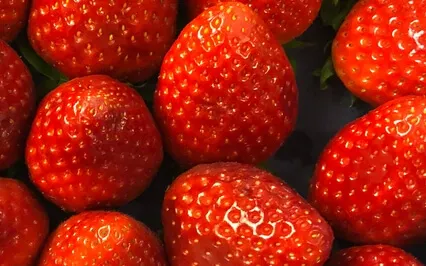
So looking at the food,
Taking it in,
Seeing its color,
Its shape,
Like letting all of your attention shift into the eyes and the experience of seeing the food.
So often,
We just eat without even looking at the food without really taking it in so noticing it as a piece of art,
Really.
Even if you're eating a potato chip.
Someone designed this.
So just noticing it's the way it reflects light,
Its color,
Its textures.
And seeing if you can experience a sense of nourishment just from seeing the food.
And now smelling.
So third hunger,
Nose hunger,
Smelling.
Again,
Noticing if there is a sense of nourishment from smelling the food.
Now this next one is touch hunger.
So if you are eating a piece of food that is like a handheld food,
You can touch it or pick it up right now and just feel what that experience is like to touch the food.
And if you're not,
If you have like a cup of tea or a bowl of soup or something like that,
Feeling the container that the food is in,
The weight,
The warmth of the container.
So just opening the sense that the hands are so sensitive.
And so you're becoming aware through the hands of all the information they take in and feeling is there a sense of nourishment from from touching the food.
And now listening to the food.
Ear hunger.
So is the food making any kind of noise right now?
Put your ear up to it.
Perhaps you can anticipate the kind of noises it will make when you're eating it when you're chewing.
Now mouth hunger.
Mouth hunger is an interesting one.
The mouth is in a way insatiable.
But noticing when you bring attention to the mouth and you have this experience of the food in front of you.
How much does the mouth want to eat?
What is the mouth anticipating?
What is this going to feel like?
And now you can take a bite of food.
And let the mouth experience that bite.
And really savor this bite of food so let it rest on the tongue.
Pay attention as you chew.
And just experience the different textures and the way that the mouth experiences pleasure from eating.
Eating is very pleasurable.
So,
Noticing being with pleasure just one bite.
Now becoming aware of the body so resting back and feeling the entire body.
Now this one bite of food is moving into the body.
And noticing how the cells are responding to this food.
This is the kind of hunger that we sometimes call cellular hunger or body hunger.
And it's a feeling sense of being nourished like physically nourished by the food.
And so a feeling of all this makes me stronger,
Gives me energy or like a sip of coffee can bring a sense of maybe jitteriness or wakefulness into the cells of the body and water.
When you're really dehydrated can have that sense of like waking the body up.
And noticing,
Is there any kind of cellular response from that one bite.
Is there any kind of physical desire for this,
For this food.
This is another subtle one,
But an interesting one to continue to explore.
Next we have mind hunger.
So mind hunger is all the things that the mind knows about this food.
So just noticing if there's anything the mind wants to say.
All of our minds are different,
Gone through phases where my mind wanted to tell me all of the calorie and fat counts of all the food,
And other times when my mind wanted to tell me about the ethical implications of eating all the food.
My mind still chimes up from time to time about shouldn't do this or its rules so the mind tends to have shoulds or rules.
I'm just giving the mind some space to tell us what it thinks about this meal.
With mindful non-judgmental attention gift just giving it space.
And then thinking the mind and tuning into the heart.
The heart hunger is experienced on an emotional level,
So it can come up as memories.
Perhaps this,
Some of the food that you're eating is connected to memories from childhood,
Of feeling loved or appreciated or memories of parties or times that you've eaten this food in your life.
And also,
This is an opportunity just to notice what emotions are present.
Is there anxiety?
Is there fear?
Is there doubt?
And if you'd like placing the hands on the heart and taking a couple deep breaths and just being present with the heart and the heart's experience right now.
Now taking all of that into account.
Eating your meal or having your snack or drinking your tea.
And then filling it in with all of the senses so continuing to take in the food with the eyes,
With the ears,
With the nose,
With the physical sensations of touch.
Noticing what the mind's up to.
Taking one bite of food and savoring it.
And using this for as much as you're able.
Food can definitely taste much better and we have much more pleasure from eating when we space out the bites of food.
And it's a habit in our culture to just stuff like eat one and before you've even swallowed be putting the next bite in.
So this is a practice and that's its own practice that we'll explore later on.
For now,
Practicing mindfulness as much as you can through this meal or snack.
And then coming into the nine hungers exercise.
The next time that you have time to bring this kind of attention.
You will get better at it in a way that you don't have to go so slowly but you can just tune into the senses and just notice what's happening in the senses as you're preparing the meal as you're shopping for food.
As you're eating and after you finish.
That's also an interesting practices to tune into all of the senses once you've finished the meal and you have your empty bowl or empty plate.
Please enjoy this exercise,
And thank you for your practice.