Hello,
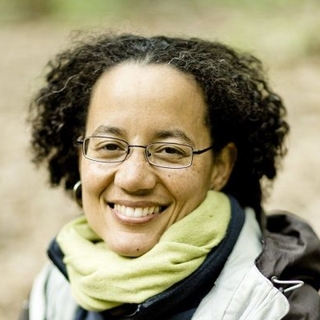
I'm Martin Aylward,
Founding teacher of Worldwide Insight.
The teachings you're about to hear are freely offered to you to deepen your Dharma practice,
To support your awakening heart.
The Worldwide Insight team and all the teachers want to support you the best we can,
And we really need you to support us the best you can.
It's only your collective generosity which can maintain Worldwide Insight so that our live classes and the archived teachings can continue to be offered freely to all.
Please consider making a one-time or recurring donation of any amount at worldwideinsight.
Org.
Thank you.
Wow,
So wonderful to see you all on the call from so many different places,
France and the US and England and all over the US and Canada and Spain and Sweden and Israel.
Wow,
Germany,
Beautiful,
Beautiful to see you all.
So this is a first for me,
It will be a practice to see how to share with you,
And I can't receive any sound,
But I'm very glad you can hear me.
So please do let me know on the chat if you can't hear me at any point.
It's a mystery why this is happening this way.
So today our topic is softening the hard places,
So let's take a deep breath and soften right now because it could be a little tense having all the technical difficulties.
So taking a deep breath and allowing your body to soften and release and be right where you are with whatever is arising in your body,
In your mind.
So the theme of our class or our gathering tonight is how to open our heart to the difficult people in our lives,
The difficult person.
So I would like to offer a meditation.
This is a meditation that comes from the Mahayana tradition.
And it's a practice in which we visualize three people.
So in the loving kindness practices,
Which many of you may be familiar with,
We practice sending kindness,
Good wishes,
Friendliness to different categories of people,
Often beginning with friends or benefactors,
People that we care about that we find easy to love,
Or perhaps ourselves,
And spreading out to those that are neutral that we don't know as well,
And then including people that we find quite difficult.
This is a slightly different practice where we're going to visualize three different categories of people around us at the same time.
One is a friend,
Someone we care about a lot.
One is a neutral person,
Someone we don't know and have neither positive or negative feelings for,
And then a difficult person.
So we're going to be practicing to connect with these three different people all at the same time in this practice.
And this is a practice that Kathleen McDonald,
Who is a Tibetan nun,
She's written a book called How to Meditate and another book on kindness.
And this is in that book.
I'll think of the exact title and give it to you before the class is over.
So I invite you to find a position that supports your meditation.
This could be sitting,
Could be lying,
Could be standing.
It could be something that involves moving if stillness isn't helpful for you right now.
So allow your body to settle into whatever the position is that's going to support you,
Letting yourself take a few deep breaths,
Releasing tension or holding as you scan through your body to allow the holding to let go if that's what it wants to do.
And checking in with your state of mind in this moment if you have any apprehension about this practice or any eagerness,
Excitement.
And really this is a practice of equanimity that we're going to be cultivating because so much of our suffering comes from being pulled this way and that towards what we want,
What we like and away from what we don't like.
And the indifference that we have to those that we don't know very well,
Those who are strangers to us.
So this equanimity meditation helps us examine our feelings towards people and correct them where they are mistaken.
It leads to a more balanced,
Wholesome and helpful viewpoint.
And it can help us to cut off emotional turmoil right when it starts.
So we'll breathe in and breathe out with our awareness,
With our gentleness,
Inviting ourselves to be fully in this moment as best we can.
Arriving,
Releasing,
Welcoming ourselves and letting go into this moment.
So now bring to mind the images of three people,
Someone you like,
A friend,
Someone you dislike or feel irritation,
Annoyance towards and someone towards whom you feel indifferent.
As best we can,
We'll keep these three people in mind throughout the meditation.
Focus on the friend and look at all the reasons you like this person.
Check to see if any of the reasons are about the things this person does for you or the ways they uplift your ego or your sense of yourself.
And checking with yourself about if this reason for liking this person is based on real wisdom,
If it's a skillful reason for liking someone.
Now do the same thing with the person you dislike.
Instead inquiring about the reasons you dislike them.
These skillful reasons for disliking them.
And finally do this for the person you feel neutral or indifferent towards,
This person that you don't know very well,
Who you don't have strong feelings for.
Are your reasons for feeling more indifferent towards them,
Are they skillful?
In all three cases,
Notice where your ego is involved in the judgment of the other person's worth.
Not to blame or judge ourselves,
But to bring clear seeing to what motivates us when we feel drawn to someone or repulsed or indifferent.
Next,
Ask yourself whether you consider each of these relationships as permanent.
Like do you think you could feel this way about each of these three persons permanently?
So would you still like your friend if they did something terrible to you?
And what if the person you dislike really did something nice for you?
And what if the stranger,
The neutral person became close to you?
Think about all the relationships in the past in which your feelings about the person have dramatically changed.
People in your life who you thought you could never get along with,
Who you ended up connecting with deeply,
What friends you had that you became estranged from,
The people that were neutral,
We became close to.
Now visualize the person you like doing something you dislike or that is not acceptable to you.
Would you still be their friend?
Remember that many people have changed from friends to enemies in the past.
There are people you used to like toward whom you now feel enmity.
Think about the impermanence of the good feelings you have towards people who are your friends now.
Reflecting on the vulnerability of those feelings,
How dependent they are on what the other person does in your relationship.
Next,
Visualize the difficult person doing something very kind for you.
Maybe they visit you in the hospital or help you to fix your home,
Or they do something love loving towards someone that you care about.
When you imagine this,
Can you feel positive emotions toward this person?
Can you remember times in the past when an enemy or a difficult person became a friend?
Is it necessary to feel that your strong dislike for this person will last forever?
Isn't it possible that they could someday become your friend?
Notice what happens in your heart as you invite this reflection.
Maybe there's resistance or closing down.
Perhaps there is a softening and an opening or something else.
And then,
Present to and open to whatever your heart is responding with in this moment.
Not forcing,
Not judging.
And taking some deep breaths.
Now visualize the neutral person,
The stranger.
How would you feel about them if they did something very kind for you?
And isn't it the case that all your current friends were at one point total strangers,
Neutral people to you?
Is it possible that a stranger could become your best friend?
It has happened before.
Can you notice!
?
Think carefully about how everyone deserves equal regard as human beings.
So of course we need to discriminate and make decisions based on our knowledge of a person's character,
But we don't necessarily have to hold strong feelings or judgments towards them.
It's quite likely that our emotions regarding a person will change many times.
So why hold on to these emotions so rigidly?
Then of course there is the Tibetan teaching that everyone in a previous life was our mother or our father or our lover,
Our partner,
Our child.
And see what that does if you drop that insight in and you regard each of these three people with that lens that at some point in perhaps a previous existence they were your child,
Your partner,
Or parent,
Or sibling.
And in the last minutes of our practice together,
Taking a moment to send friendliness to each of these three people.
Get in touch with the goodness of the friend,
The person that you care about and wishing them well,
Seeing them well in your mind's eye.
Breathe in awareness of this friend and breathe out,
Sending kind energy from your heart for their well-being,
For their happiness.
Then to the difficult person,
Bringing to mind whatever positive qualities you might be able to recognize in them.
Breathing in awareness of this difficult person and breathing out kindness from your heart and a genuine wish for them to be fulfilled and peaceful.
For them to touch the true happiness that we all wish for.
And bringing to mind the neutral person,
The stranger,
The person you might feel indifferent towards.
Is there some good quality that you're aware of that they have?
Something you can appreciate in them.
Breathing in awareness of this person and breathing out,
Sending kindness,
Sending appreciation,
Their wish for their well-being and seeing them happy and well in your mind's eye.
And we'll close out this practice sending kindness to ourselves.
Taking a deep breath and if you like bringing your palms to your chest,
One hand over your heart and the other hand over that hand and connecting with your own goodness.
Your own commitment to your practice that has brought you to this class.
For a topic that many consider pretty challenging.
So appreciating yourself for not shying away from the difficult,
Challenging invitation.
Whatever other aspects of yourself that you appreciate,
Allowing that to enter your heart and your mind to really touch your own goodness,
Your kindness,
Your trustworthiness,
Your clarity,
Your strength.
Whatever it is,
Allowing that in and giving yourself some moments of kindness,
Of self-appreciation,
Tenderness.
And as much as you can,
Allowing yourself to receive this kindness.
You are the one who is opening your heart to learn to love those that are difficult to love.
That is something beautiful.
That is something the world deeply needs.
Honoring yourself for making the effort.
No need to be perfect.
Really giving it a try is more than enough.
So holding yourself and offering yourself whatever you need in this moment.
Maybe a hug,
Maybe words of gratitude,
Of appreciation.
As you're ready,
You can take a deep breath and we'll transition out of our meditation practice.
And back into our space together.
All right.
So before we move into the talk,
Daniel just shared,
We have 100 yogis joining us.
So wonderful.
Let's take a moment to stretch and do whatever physical thing you need to reset and move into the next part of our evening.
And I would love it if a few of you would like to write a word or two or just a phrase of anything that's in your heart after this meditation practice.
Whatever it is.
There's fear,
Equanimity,
Hope,
Softness,
Sadness,
Stillness,
Feeling full.
We're gonna let us all read them because they're coming too fast to read them out.
The refreshing take on impermanence,
Pain and sadness,
Melancholy,
Peace,
Gentle light,
Gratitude,
Worries,
Opening,
A reminder to communicate and do so mindfully,
Enrichment,
Ancestors,
Forgiveness.
Beautiful.
You can keep sharing them.
I will all be reading them.
Beautiful you all.
And there'll be some time to process all of this together in the last half hour of our time.
And for the next bit of time,
I have some reflections on the topic to share.
And then I'll be very happy to hear your questions and comments and we can discuss more in the last 30 minutes.
So as I think about my own relationship to the difficult people in my life,
I'm aware that there's a kind of connectedness to the difficult people that's almost as strong as to the people that I love.
It's like there's something in me that.
.
.
In my whole life of practice,
I notice either I'm obsessing about them,
How to improve our relationship or heal our disconnect.
But underneath there is,
I think there's a healthy impetus to heal.
Sometimes it can come in the form of obsessing,
But other times it's like just in different moments of meditation or walking or stillness,
They arise and there is this heartfelt wish for healing.
Sometimes it's this wishing to fix the situation and the motivation is I just want to feel better about myself.
I don't want to have a black mark on my reputation,
But I can't.
.
.
That this person doesn't like me for some reason or I can't seem to connect with them.
But I think even beneath that,
That's a less skillful motivation for wanting to heal a relationship with someone is to feel good about myself.
But I think always there is this sense that there's a wisdom in me that knows it is possible to hold that difficulty differently and in a less rigid way.
And so it's constantly,
Not like every single day,
But to the extent that I haven't healed something with someone that arises on a regular basis,
Reminding me,
Oh,
There's still work to be done here.
And I think for me,
That's really a manifestation of bodhichitta,
This mind of love,
This mind of awakening that calls all of us on the path of practice that doesn't let us just sit on our,
You know,
Sit down in our smallness and not work and move towards wholeness.
So I feel that this meditation,
This topic,
This exploration today is very central to the deepest flowering,
Excuse me,
That each of us,
An unfolding that each of us is really moving toward.
And the people that we find so difficult are very significant teachers that are constantly helping us to see hidden parts of ourselves where we are closed down or where we have wounds from our past.
And so we want to listen to those difficult relationships and those difficult people as teachers.
So here are some thoughts on how we can hold the difficulties we feel when we get triggered by someone,
By our difficult person.
And our difficult person may be us.
It may not only be someone else,
And it may not be a person,
It may be a group of people,
It may be a non-human being.
It could be someone who's passed away.
There's lots of ways that we can struggle.
So one thing I have found helpful is to recognize that the seed of irritation,
Of anger,
Of annoyance,
Of rejection,
Whatever it is that is called up by this difficult person,
We are the first cause of our experience.
The other person is the second cause.
So that's very liberating,
Even though it can feel also like bad news,
Because you want to blame things on the other person.
The reason it's good news is because we can learn to practice with our own anger,
Our own resentment.
It's very hard to change someone else,
But we can work with the first cause.
That's under our domain.
We can learn to train our minds,
To train our hearts,
To understand our anger,
Understand our ill will,
Our resentment,
And heal it.
And then what the other person does is less of a trigger when we've really become friends with that difficult part in ourselves.
And I'm sure many of us have heard the teaching that often the things we don't like in someone else are the very things we find hard to accept in ourselves.
That person is mirroring that back to us.
So this awareness of the first cause being within us,
There's a lovely image that a teacher from Germany,
Carl and Helga Riedel,
They set up a center called Interzine in Germany.
Anyway,
He gave a talk a long time ago when I first came to Plum Village,
And he shared that it's like,
You know,
A soft drink machine.
Someone can press a button for Coke all they want,
But if there's no Coke in the machine,
There's not going to be any Coke coming down.
So he was giving that example for anger,
For reactivity,
That if we're learning to work with the reactivity in us and understand it and become friends with it,
Then no matter how much someone pushes that button of reactivity,
If we've calmed it,
It's not going to come out.
So it's the second,
You know,
The person pushing the button is the second cause,
But the first cause of the reactivity is in us.
It's under our territory to work with.
And I've experienced this firsthand in relationships where I found someone very difficult to deal with,
And I thought if they would just leave,
Or if I could get away from them,
Everything would be fine.
And a situation did come to pass.
This is when I was a nun with someone I found very difficult,
Suffered a lot in my relationship with them.
I did go to another monastery for a short time,
Three months or something,
And I was so relieved.
I thought,
Oh no,
I'll finally have peace.
And it was the opposite,
In fact.
Things got worse in the community,
Things got harder for me.
And I realized,
Oh,
That was a big lesson,
That it wasn't about the other person,
It was about me.
Of course,
They had things that were unskillful,
But I had very unskillful ways of reacting to them.
And that switch in location helped me to see that they weren't the main cause of my suffering.
So one way to soften the hard places with difficult people is to meditate on what it is that we're feeling,
And to take care of that.
And we have a tendency to put all of our focus on the other person and how bad they are and how annoying and how terrible.
And we actually forget to do the work of removing the coke from the coke machine,
Which is,
How do we take care of our own emotions?
Really learn what they are and soothe them.
We can soothe them ourselves.
We don't need,
You know,
Always the other person to change in order for us to feel better.
We can bring a lot of healing and care to ourselves by taking care of that reactivity in us with kindness,
With curiosity,
With spaciousness,
With interest,
With no judgment,
Not making ourselves wrong for having a hard time with them,
But seeing it as a great opportunity – this is a great chance for me to learn about myself.
What's here?
Why is it that they create this reaction in me?
So it's like the Buddha's teaching on the second arrow.
He says if you get struck by an arrow,
It's very painful.
And what most people do when they get struck by an arrow is they want to know who struck them with that arrow.
They want justice,
That person should be punished,
And that is actually striking themselves with a second arrow.
All the ways we react,
Worry,
Are fearful about the first arrow shoot a second arrow right in the very same spot,
Which doesn't hurt twice as much,
But ten hundred times as much.
And that's under our control,
The second arrow.
So the way to avoid the second arrow is to stay with the experience caused by the first arrow and not jump out of ourselves,
Out of our experience,
To try to punish or focus on the other person.
Of course we want to make ourselves safe.
If that person is still in a position where they can keep striking us with arrows,
Then we need to try to get to a place where we can be safe from further harm.
But then instead of focusing on them,
We try to focus on how do we heal from this first arrow,
And that has to do with really taking time to understand what's going on in our mind,
In our heart,
In our body,
In response to that first arrow.
So we want to be very careful when we know that we've been hit by an arrow not to shoot a second arrow with worry,
With reactivity,
With constant chewing on the badness of the other person.
So a second approach,
A second practice we can do with a difficult person to help us to open our hearts toward them is to meditate on their suffering,
To try to understand them.
And this is a quote from Henry Wadsworth Longfellow.
If we could read the secret history of our enemies,
We should find in each person's life sorrow and suffering enough to disarm all hostility.
I'm going to put that in the chat so you can all see it.
I really love this quote.
So,
What is it that is going on in this person's life that we may not know about that would help us to understand them and to appreciate that they suffer also?
They are causing suffering to us,
But they must also have very real suffering.
And if we can see that,
We can disarm our hostility.
In a difficult relationship that I had with another practitioner,
This was really the turning point for me.
We would come into conflict and have really painful exchanges,
And I would feel disrespected and I wouldn't want to connect with them,
Which is normal and natural.
And it was on meditating on the person's suffering and how they had had a lot more difficulty in their life than I had,
And that I had more resources than they did.
And that,
I mean,
Not in a patronizing way or superior way,
But really a sense of compassion that I actually saw I was luckier than they were.
And that therefore it was me that was,
You know,
I needed to give up my pride of feeling like they hurt me and I'm not going to be nice to them or be friends with them.
But I realized actually I could do something to bring healing to both of us and also to them.
I had focused a lot on this person's negative qualities and I decided that I,
They had a lot of positive qualities.
I decided to be more willing to see them and to express them.
And I practiced a lot of flower watering for this person and not the kind of criticism that I had been offering before.
And it had a huge effect.
I saw this person as like a walnut with a very hard shell on the outside and very sweet meat inside.
And if I could get in through the shell,
The meat,
The sweet meat inside was really,
Really worth working to connect with.
So I practiced to water the good seeds in them and they really took it in.
They really trusted and opened up and they were able to show a lot more kindness,
A lot more sweetness than I had received before.
And we actually,
Our relationship deepened so much.
And this person is still in my life.
This is more than 10 years ago.
And they're still in my life and we're very close and we love each other very much.
And it was me realizing that they had deep suffering that I really wanted to be compassionate towards and not emphasizing what they were doing that was hurtful,
But really trying to understand the pain that they had underneath that unskillful action and give them my love.
That I think was the big shift.
And I suffered a lot less just by focusing on what they were doing well instead of what they were doing badly.
So I saw how much suffering I caused for myself by where I was putting my focus in the relationship.
So there's a beautiful poem by Thich Nhat Hanh called Please Call Me By My True Names.
And it's his journey of also learning to see the suffering in someone who had committed an atrocious act.
This was a story you can read the Thay's,
We call Thich Nhat Hanh Thay,
He's a teacher in Vietnamese.
He wrote an explanation of where this poem came from,
Which you can read,
But I'll give you a summary of it.
During the war in Vietnam,
He was in Europe and France calling for peace.
He actually got exiled from Vietnam for trying to bring about peace.
This is a Zen Vietnamese monk and scholar and peace activist and my teacher.
So at that time,
He was supporting refugees who were escaping from Vietnam and he was getting letters,
His organization was getting letters every day.
And he got a letter that there was a young girl who had been a refugee on a boat coming from Vietnam and they were attacked by Thai sea pirates.
And one of the pirates raped this girl and her father tried to intervene to save her and the father was killed by the pirate and so the pirate raped this girl.
She was 10 or 12 and after that she threw herself overboard and committed suicide.
So other people wrote about this to Thay when they were able to land safely and of course,
Like all of us,
Thay was heartbroken and he had to go walk in the garden and experience such anger,
Such rage.
He was in tears,
Just thinking of the awful suffering of this girl,
Her father,
All the people on the boat traumatized by this horrible action of this sea pirate.
And as a meditator,
He began to then really look and see what was the real situation of this sea pirate.
And he tried to put himself in the shoes of this sea pirate being born in a poor fishing village.
He just let himself imagine maybe the mother was addicted to drugs or alcohol,
Maybe the father had disappeared and this was a child with no schooling,
With no opportunities,
Who didn't see any way to make a good living for themselves and their life,
A lot of hopelessness.
Maybe they started with petty theft and then another person who was doing sea pirate work brought them along and convinced them to come and first they were just robbing and then they started raping and killing.
And he imagined if he was born into that situation that he would also,
Thay would also have become a sea pirate like this man.
And when he was able to really touch that suffering of what it must have been like to grow up to be someone like that,
He could release his anger and his deep suffering and understand that he was the sea pirate,
That he would be just like him if he were in those situations.
So it was a fairly profound insight of interbeing,
Of how we are all connected and we can't blame in the sense that you're over there,
I'm over here,
You did this on your own,
Of your own will,
And I have nothing to do with that choice.
We're all connected.
We're all part of this world with its injustices and poverty and tragedy.
And so this poem,
Which I encourage you all to read if you haven't read,
Please call me by my true names,
It's about how we are all each other.
We are the people who are suffering,
We are the victims and we are the perpetrators.
And it's this insight of Wadsworth that if we really look deeply into those who have caused the suffering,
We would see something in them that we could see in ourselves.
We could see suffering in them that would open our hearts to them.
So there's a practice that Thich Nhat Hanh has also suggested if there is someone that you find very difficult to love,
You might,
If there's someone that you can get a picture of them as a child,
Maybe it's someone in your family or someone in your community,
If they're still alive or even if they've passed away,
You could meditate on their image as a child.
That's something that Thich has suggested.
You could put in some place where you'd see it every day,
Perhaps on your altar or some other place,
And really contemplate the life this person has had,
The things they might not have had as children,
The opportunities they didn't have,
The hardships they encountered,
And giving rise to compassion.
Because whenever people make others suffer,
It's because they're suffering.
It's not to say they don't have responsibility for their actions,
They do.
But they also are made up of all the influences that have come into their lives,
And many of which they didn't choose.
So how to have compassion and see the roots of that so that we can take action that really brings about healing and is really based on the reality.
Like the meditation we did at the beginning,
Where we look at the people that we dislike could become our friends tomorrow,
Or the people that we love could also become people that we dislike tomorrow.
These roles are quite impermanent.
Our emotions are changing based on the circumstances.
So I included in my reflection for this class today some practices,
And I'll just share them briefly here as a takeaway.
So first is to soften towards ourself when we feel hurt,
To really notice that hardening and tension is happening.
Whenever we think about the difficult person or when there's a difficult interaction or some memory arises,
We want to notice the moments of tension,
Of hardness,
And be there with it.
Hold it with kindness,
With compassion,
With tenderness.
Don't let your attention go all to the other person and what they've done wrong.
Stay with your own experience,
Because that's where the growth and the transformation comes from.
We abandon ourselves and our experience when we go to try to figure out what was going on in the other person's mind or make a story about them.
So we want to bring compassion to ourself.
The moment we notice the hardening,
We want to soften towards ourself first.
Another practice then is to meditate on the suffering of the difficult person.
What is their secret history that could disarm our hearts?
A third practice is to spread good rumors,
To think about what are the positive qualities of this difficult person.
Anything,
Anything,
And make a point to express them to at least two or three other people,
Not to the person themselves.
We may not even be in touch with them,
But to make a point to spread our good observations,
The positive things we notice with other people.
Even if these people don't know the third person,
Our difficult person,
We share out into the world the things that we do find positive about them.
And this is a powerful practice of inviting the heart to open and be generous with someone that we may feel has been harmful to us.
It's massaging the heart and inviting the heart to stay present to the possibilities for other things to exist in this person and in our relationship with them.
So I shall end with that,
Those three reflections.
And I invite us now to play together with this topic and you can share questions written.
I'm sorry,
We're not gonna,
I can't hear you probably,
So we won't be able to have a live question,
But you can write something and Daniel will also help to field questions.
I believe there's already some questions in the question and answer.
So I'm going to address the first ones.
So I can't feel positive or trust people who are kind to me,
But not to others.
Right.
Okay.
So my dislike of someone is not really based on how kind they are to me personally because someone can be nice and still not feel safe because we see how they're not kind to others.
That's a really beautiful observation that we might see that they're nice to us,
But then they treat other people disrespectfully so we don't trust them.
I think the fact that they are nice to us is good because that may mean that they have trust or openness towards us and we might be able to influence them for the good.
So the things that we've been talking about,
You know,
Trying to understand where their pain comes from that makes them be disrespectful or not treat others so well and how can we nourish the seeds of greater respect in them by treating them respectfully.
I think we can do a lot in our relationship with them to nourish goodness in them and it can be paradoxical,
But we need to trust in their goodness.
We might not need to trust them in the sense of being vulnerable to their attack or their instability,
But we can trust in their own goodness,
In their own capacity to grow,
To become someone who is trustworthy.
So I remember when I was staying at an ashram in India,
It was with Baba Haridas,
A yoga meditation teacher.
He kept silence.
I think he's still alive.
He's been in silence for the better part of his life,
Total silence.
And he would have question and answers and he would write his answers on a little chalkboard and someone asked him,
You know,
What do you do if your students don't respect you?
And he said,
Well,
As long as I respect them,
That's all that matters.
And I was really impressed by that answer.
So we can nourish trustworthiness in someone else,
Even if we don't find them,
If we don't feel like it's easy to trust them,
We can still see the possibility of trustworthiness and nourish that in them.
Okay,
Another question.
I have a hard time thinking of a neutral person.
I must be very rapidly putting people into categories,
Even if I don't really know them.
That is something for me to pay attention to.
I guess I'm not the only one who does this automatically.
Yeah.
So this is from Susan.
Yeah,
It sounds like other people also have the same experience as others have commented.
So I'm assuming,
Susan,
That you tend to put either liking or disliking right away on people,
Even when you don't know them,
Rather than being neutral.
Yes.
So yeah,
That's a wonderful thing to notice and pay attention to.
And maybe to inquire why that is.
What is it about the person that either triggers a quick,
You know,
They're in the friend or not?
And you're saying,
Yes,
Most people go in a positive category.
Well,
That can be,
You know,
An experience of someone with an open heart walking around.
It could also be coming from the wish to be connected to people around you.
And I just know from my experience,
Whenever I do practice loving kindness with,
I choose a neutral person,
That person quickly becomes someone I feel affection towards,
Because I have been thinking of them lovingly.
So you know,
I was doing the practice of the neutral person with someone working at the post office when I lived in DC.
And whenever I would see this person,
When I go into the post office,
My heart would leap in my chest because I had been practicing seeing them happy and,
You know,
Healthy.
And of course,
They didn't know any of this.
So their feelings to me was still neutral.
But I remember this,
Like,
Leaning in towards them because I had been bringing them into my meditation on a regular basis.
So generally,
Those even that we consider neutral,
If we practice loving kindness,
They begin to feel very familiar and like a friend,
As we open our heart to them more and more.
I don't think that's a problem.
If you were concerned about that.
I think it's something to stay mindful of.
And when you do need a neutral person,
If you like to do meditations,
Or you consider people that are neutral to you,
I think you could just pick people that you simply don't know very well,
Even if you have a positive feeling towards them.
Just the fact that you don't know them,
It could be the post person or the someone on the news or someone at work.
And even if you have a positive feeling towards them,
The fact that you don't know much about them,
You can still do a lot of beautiful work of opening your heart to someone you know less well by reflecting on them.
Okay,
This is a question from Amber.
I struggle with feeling compassion for my difficult person,
A parent,
As they always use their own suffering as the reason or excuse for why they treated me abusively and to avoid ever taking responsibility for their behavior.
As a child,
I sympathized with them deeply,
But it felt as if my sympathy was used against me.
Because I came to associate compassion for them with harm to me,
It is difficult to feel compassion now for them.
Thank you for this question,
Amber.
I think this is quite common that parents who are very hurt are stuck in their suffering.
They haven't found a way to heal what happened to them,
And they take it out on their children.
And they use their suffering as the reason.
It's almost like many of us become attached to our suffering.
It becomes our identity.
Well,
I was abused or I was mistreated in this way,
And that's who I am,
And I can't do anything about that.
And so I'm a victim of that,
And I'm destined to live that out.
Sometimes it's also,
The suffering is so great that there's a need to enact it on someone else so that we're not alone in that experience,
That someone else feels the way we were made to feel.
And so we create that same suffering we went through for someone else so that we feel like someone else knows what happened to us and we're not alone in it.
I mean,
It's a very unhealthy logic,
But it can help to understand this wish to be understood and known that's underneath that perpetuating of suffering.
As a child,
Even if our parents do really horrible things to us,
There is this natural love for them,
And that can get used and misused by a parent.
That sympathy that you felt,
That's a very beautiful and natural thing,
Because a child only has their parents in the beginning,
And so they make the whole world for the child.
So it makes sense that as you would grow up that you would understand that that kind of relationship wasn't healthy.
That kind of sympathy wasn't what you need.
As you grow into your own life.
And I wonder if it's possible to have a different kind of compassion,
Not the compassion that you had as a child,
But a bigger perspective that has compassion both for you and for them being grown up.
Where reflecting on your own encounter with this practice,
This spiritual practice,
And how you have been able to use it for your own benefit,
And how maybe that wasn't something they had access to.
And so they haven't learned to take responsibility for their own suffering,
For their own actions.
I'm thinking about meditating on the arc of history,
Like not just your parents,
But their parents and their parents and their parents,
And connecting with the line of people behind your parents to find perhaps a sense of trustworthiness or connectedness with the health in that lineage that might have been before your parents.
And also to take,
Well I'll just share an experience of calling on all of my maternal ancestors,
And I visualized all of them in a circle.
This was in a solo retreat for a while,
A week or so,
And I was doing some real exploration of my own family history and the passing on of suffering,
And I decided to just call in all of my maternal ancestors,
And I visualized them in a circle around me.
And I realized,
You know,
Whatever difficulties I had with my own mother,
I also had many mothers,
And many mothers who had a lot of success as mothers,
Who loved their children and were able to really be present for their children.
And my mother was able to do that for me in many ways,
And there were ways in which that didn't happen,
Which were painful for both of us.
And this meditation of calling in all the maternal ancestors was very healing for me because I was able to see I had many mothers,
Not only my individual biological mother,
But I had many grandmothers,
Great-grandmothers,
Great-great aunties,
And I just allowed that to really fill me,
That awareness.
So that's a thought that perhaps if it doesn't feel healthy to focus on compassion for the suffering of your parents,
To broaden it out,
To see the suffering that came through the lineage through them,
But also to connect to the health that might have,
You know,
Sometimes things skip generations,
Or one generation has a really tough time and isn't able to bring forth the health of previous generations.
But you can go back and tap into that.
So that's a thought I have.
I hope it's helpful.
So this is a question from Yasmin.
How to work with the separation that comes when protecting ourselves from another's suffering and still be there for them.
So we need to protect ourselves from another's suffering,
And so we need to separate ourselves in order to protect ourselves,
But we still want to be there for them.
I think,
You know,
Not knowing the details of this situation,
There's lots of ways this can play out.
If it's not safe for us to be close to this person,
We can really practice to do a lot through the loving kindness practice.
I feel like this practice of sending loving kindness,
It's so healing first for ourselves,
And we know we're not disconnected from other people.
So if it's healing to ourselves,
It is going to shift something in the relationship as well,
Although that's not the reason we try.
It's not the motivation for doing the loving kindness practice.
We don't have to be in direct contact with someone to be very present for them in our hearts if it's not safe or healthy for us to be in direct contact with them.
But we can bring them into our meditation and practice forgiveness meditation,
Practice wishing them well,
Practice seeing them well.
We can spread good rumors about them.
We can write to them,
Perhaps,
Just nourishing their goodness or sharing our happiness with them.
If that's appropriate,
It may not be appropriate in every case.
We can do a lot of sharing goodness with them from afar.
We can ask about their well-being from people that we know are close to them.
We can even do something like write a love letter and burn it or bury it in the ground or send it off into the sea.
It doesn't have to go directly to them,
But we can send it out into the world.
That's just like what we do in loving kindness practice.
We pray for the well-being of each of these different categories of people.
We visualize them well.
So a friend of mine who works as a HIV doctor in Botswana,
She had a boss that was really difficult,
Really,
Really difficult.
And that was her difficult person.
And she practiced sending loving kindness to this person every single day in her meditation.
And I believe she ended up leaving this job or she was fired.
I don't know the details.
But several weeks,
Months later,
She continued doing this loving kindness practice.
She was looking at other positions.
It was her boss that found her her dream job,
That got her her dream job.
So you know,
Lots of things are possible.
And we don't necessarily have to be in direct contact with someone for our own hearts to really transform.
And that is a way of being deeply present for someone.
And it may be that later in time,
It's possible for us to reconnect with them and have a deep relationship with them again.
And maybe not.
But we can still have the intention,
Have the aspiration to keep our hearts open towards them,
To not hate them.
You know,
One of the beautiful phrases that we can say in loving kindness is,
May I be free from enmity,
Or may this person be free from enmity,
May they be free from hatred.
That is one of the best ways to protect ourselves is to not have hatred in our hearts.
Thank you for that question.
So this is from Lauren.
I think of the James Baldwin quote,
We can disagree and still love each other,
Unless your disagreement is rooted in my oppression and denial of my humanity and right to exist.
And I struggle with how to deal with this as I watch every day comments impact my life and the lives of those around me.
Yeah.
I believe it was also James Baldwin that said,
Love is justice in the public sphere,
Something like that.
So,
I think that's a good question.
Love is justice in the public sphere,
Something like that.
So,
When,
You know,
Another group's well being is based on the oppression of another group.
What do you do?
You know,
How do you practice loving the difficult person loving your enemy then?
And you know,
It's so beautiful.
It's so important to have this,
This question also,
Because this is the,
You know,
The ultimate love that,
You know,
All these beautiful Oh,
Thank you,
Cornel West justice is what love looks like in public.
Thank you,
Amber.
You know,
All the movements for social change,
The civil rights movement,
The nonviolent movements in Eastern Europe,
In India,
For independence,
You know,
Refusing to cooperate with those who oppress us is a form of love.
You know,
Martin Luther King saying,
You know,
We refuse to hate you,
We will keep loving you until we can convince you of your own humanity that you have lost by oppressing us by not seeing our humanity,
You cancel out your own humanity,
But we still believe in your own humanity,
Even though you don't see it yourself,
Even though you're not acting as if it's there.
So that's redemptive love.
That's this,
You know,
That's why we practice these deep heart practices of loving kindness,
Compassion,
Joy,
Equanimity,
Because they grow our hearts,
So that we can transform not only our own suffering and our own hatred,
Our own resentment towards others,
But that we can transform our enemies and our,
You know,
Groups of people who are caught in delusions of separation,
Not by seeing them as an enemy,
But by helping to uproot the ignorance that is at the root of that painful,
Violent,
Oppressive behavior.
This is what Thay spoke about during the war in Vietnam.
He said,
You know,
Man is not our enemy.
We're not trying to kill or eliminate other people.
We're trying to eliminate the root of this conflict,
Which is ignorance,
Which is not seeing each other's humanity.
And so even when young social workers who were students of Thay were murdered,
And not for any reason except that they weren't part of the North and they weren't part of the South.
So both the South in Vietnam and the North,
The communist and the pro-capitalist,
Pro-US government,
They both attacked Thich Nhat Hanh and his followers,
His community,
Because they didn't take sides.
So they saw them as their enemies.
So five of his young social workers,
These were young,
Young people in their early 20s going out to work in villages,
They were murdered at a riverbank.
And the person who murdered them said,
Before he shot them,
Said,
I'm sorry,
I have to do this.
He apologized to them saying he didn't have a choice.
One person survived.
They thought they were dead.
So that's how they knew that what the person said.
They reported back.
And the next thing they did,
Thay and Sister Chung Kong,
They had a press release acknowledging,
Honoring these beautiful friends who had lost their lives and saying to the murderers that we understand you,
We forgive you,
We know that you are capable of something else than this,
And we want to work with you.
That was their first response was we are not,
You're not our enemy.
We don't see you as our enemy.
So there is the kind of boundless love that is that big,
That can see deeper than the outer actions of someone as heinous,
As horrible as they may be and say,
You're better than that.
You're more than that.
We want to hate you for what you did.
And keep extending the hand of how can we work together and love each other.
Because obviously that person had enough humanity to recognize what they were doing was wrong,
That they were trapped somehow in that situation.
So I mean,
I've been thinking about some of these very inspiring movements responding to climate change,
Like the extinction rebellion.
These are people,
If you haven't heard about it,
Please look it up.
Started in England now,
It's spreading around the world.
These are people willing to risk arrest.
They've said,
Looking at past social movements,
When 3% of the population is willing to be arrested,
That's when things start to change.
So there's massive peaceful protests blocking bridges in London,
Gluing hands to energy,
The doors of an energy department.
But just making a big non-cooperation protests that we can't go on with business as usual.
There's a clear warning from many,
Many scientists that we have about 12 years before life becomes very,
Very difficult,
Mass starvation.
And so these are people standing up to that kind of ignorance that's there in so many of our governments that's not putting this first on our agenda.
There's the sunrise movement of young people in the US who have been key in getting the Green New Deal to become legislation in Congress.
There's Dharma groups,
One Earth Sangha,
The Earth holders that are organizing.
There's a call in the Buddhist community to declare a global climate emergency,
Tanisara.
There's going to be a call on May 18th.
I hope you all can join it through the One Earth Sangha to learn about what we can do.
So these are ways we can show our love in the face of oppressive power structures that are denying what's actually going on and that are not allowing change to happen in the direction that it needs to change so that we can survive as a species.
So we can resist.
We can refuse to cooperate with systems that do not support life for the vast majority of people and species.
So we are at time and I'm so happy for the beautiful questions and reflections and such profound deep looking in our community on this call.
I invite you to join my mailing list to receive my newsletter if you would like to stay in touch with me.
I send out information about some of the topics we've been reflecting on together and some teachings that I've been giving and excerpts and reflections.
So you can do that on my website.
I'll put a link in the chat.
And what a joy to be with you all tonight.
Thank you so much for showing up from so many different places and with your big beautiful hearts.
And I will let David jump in and share,
Daniel,
Excuse me,
That's my link,
Share something about Donna for worldwide insight and for the teachers.
So thank you all so much,
So beautiful to be with you all.
I'll pass it over to Daniel.
To support the Dharma teacher that led these teachings and worldwide insight as a platform,
Please go to worldwide insight.
Org slash Dharma.
Thanks for your support.