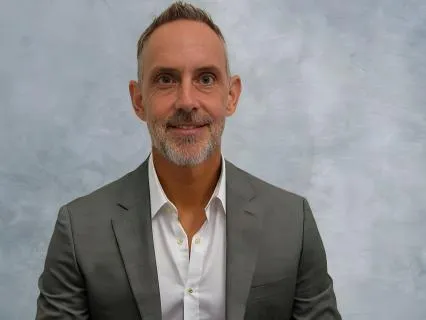
Welcome to Life,
Lessons & Laughter with your host,
Glenn Ambrose.
Hey everybody,
Welcome,
Welcome,
Welcome to the show.
So today I am talking about empowerment,
Disempowerment.
What's the difference?
How can we lean in one direction as opposed to the other?
You know,
I think this is extremely important.
I really do.
I've said many times before that empowerment is a main part of spiritual living.
It's a spiritual quality,
Empowerment.
When you're living in alignment with life,
You feel empowered.
When you're in alignment with who you truly are,
You're empowered.
You know,
Things go better.
You feel like you're capable of more.
Empowerment is a huge part of this.
You know,
Of living happily and successfully and full of prosperity and abundance and joy and all the wonderful things that we want.
So empowerment,
When you feel yourself being empowered or feeling empowered,
You know that there's something good there,
You know.
And something deep,
Like you don't,
You know,
Most people don't feel empowerment through something minimal,
You know.
It's usually more of a deep thing,
Which is good.
This is the lasting,
Real stuff that makes the change.
So,
You know,
If you look at society,
You know,
I've done podcasts on victim mentality and all that stuff.
Like,
I think it's important to realize how much of a victim society in which we live,
Because we are,
I feel we're desensitized to it.
Like,
It's just such a common part of society and how we interact with each other and how we even bond with each other,
That it's considered normal and we don't even realize we're doing it.
And we are disempowering ourselves through that,
You know.
So to empower ourselves,
We have to see where we are.
And,
You know,
Things like,
I mean,
You know,
How often do people run into the water cooler conversation going,
You know,
Oh,
My God,
I,
You know,
Something wonderful happened.
It's honestly more,
Usually it's more socially acceptable and comfortable for people to complain about things.
You know,
Oh,
How are you doing?
Oh,
Busy.
You know,
How are things going?
Oh,
Hanging in there.
Like,
It's just,
You know,
And those are the good answers.
You know,
Like a lot of times we get worse.
Oh,
My God,
It's just,
Oh,
Life is so tough.
Oh,
This adulting thing.
Oh,
Like,
You know,
We're just constantly complaining.
And because we've learned to bond over that,
It's safer.
We don't want people to feel like we think we're better than them.
Or so we play down,
We play small,
We don't celebrate our victories because we don't want to make other people feel uncomfortable.
If other people are feeling uncomfortable,
Like,
It's okay.
It's okay.
Because,
Like,
If they're feeling uncomfortable,
That means that there's a problem inside of them.
There's a part of them that they're not living up to their potential.
They're not living up to their full capabilities,
And there's a part of them that knows it.
And seeing you being all full and happy reminds them of that.
And we're like,
Oh,
No,
I don't want to make them feel bad.
You're not making them feel bad.
They're feeling bad because of the way they're living their lives and the way they're looking at things.
That's why they're feeling bad.
They're not feeling bad because you're feeling good.
They're feeling bad because you living good is reminding them of how bad they're living.
And we don't want to protect them from that.
We don't want to make sure they don't feel that because if they feel it enough,
Hopefully they'll make the choice to live their best life.
But they're never going to put us playing down to that.
Oh,
No,
It's okay.
It's not your fault.
Oh,
No.
Yeah.
I was just lucky.
I was just lucky.
It's not like it's not you.
Like when we play down to people and normalize and comfort them in not living their best life,
It just helps them stay stuck.
And we think we're being nice,
And we think we're being supportive,
And we're not.
We don't have to play small to make other people feel better.
It doesn't help them.
It might make them feel a little bit more comfortable in that particular moment,
But it's going to help them stay stuck.
So in the long term,
It's not beneficial to them.
It's literally detrimental to them.
It helps them stay stuck.
It enables them.
So we have to get out of this downplaying and this disempowering,
Unconscious way of thinking and interacting with the world,
Because it helps us stay stuck,
And it helps other people stay stuck.
We need to reach,
Strive,
Thrive.
So one of the most important ways that we can do this is we have to start paying attention to our thinking.
Our thinking drives our reality.
Recently,
I mentioned Eileen Gu's little press conference or something where she was saying how if you can control the way you think,
You can control who you are,
And isn't that an amazing,
Wonderful flex that you can become who you are?
So she monitors her thinking.
I've mentioned that video before.
I love it.
And this is part of how she does it.
She monitors her thinking,
Her style of thinking.
If your style of thinking is disempowering,
You're going to have negative results.
If your style of thinking is more empowering,
Then you're going to have more positive results.
So we need to learn to interact with life in this way.
There's lots of little catchphrases and things that get popular out there in the self-help or spiritual genres and stuff.
And they're simple,
And they can make a big difference.
One of them is,
Instead of looking at things that happen in your life as,
Why are they happening to me?
You ask yourself,
Why are they happening for me?
Instead of,
Why is this happening to me?
Why is this happening for me?
What can I learn from this?
This is obviously happening for a reason,
For my betterment.
Anything that happens in our life is for our betterment.
The universe is that intelligent.
It's for our betterment.
It's for our possible expansion,
If we so choose to open to it.
That's why things happen to us.
In fact,
I might do another podcast on this.
Whatever's happening to you,
It wouldn't be happening to you if there wasn't something beneficial that could come out of it.
You wouldn't be experiencing it if there wasn't something beneficial to come out of it.
When I went for custody of my son,
It was a big moment.
I had lots of years of negative experiences in family court.
I knew I needed to get my energy right.
It was easy to make peace.
There's two possibilities in every situation,
Really.
It either works out in your favor or it doesn't.
Of course,
I wanted to have custody of my son.
I didn't have to make peace with that.
It's what I wanted.
But I needed to make peace with what if I don't get custody?
Because that scared me.
I needed to make peace with it because it was messing with my energy.
It was bringing in fear.
Not only was he being mentally and emotionally abused before,
But as soon as we decided we were going to court,
It got worse.
He was still stuck in that house.
Then if I failed,
It was going to get even worse.
He was going to be stuck in the house,
And now I just failed.
There wasn't anything I could do for the 10 years before,
And it felt very difficult.
But now I was risking making it even worse and him being stuck there.
I needed to make peace with that.
What I did is I was like,
Well,
If that happens,
If for some reason he stays in that house,
Then there must be more for me because I'm involved in this situation and my son because he's involved in this situation to learn from the circumstance that we are being held in.
If we are being held in a circumstance that we at first glance we deem as negative,
There's a reason.
I have to trust that there's a reason that this is happening,
And that reason has something to do with the benefit of all those that are involved.
If my ex-wife is involved,
Then she has a possibility of growing from this circumstance.
If I'm involved,
Then I have a possibility of growing from this circumstance.
If my son is involved,
Then he has a possibility of growing from this circumstance.
We each have free will to choose what we're going to do.
Are we going to open up to the lessons that this is bringing into our lives and learn and grow from it,
Or are we going to close off and feel like a victim and not learn and grow from it?
This is the difference from having an empowering outlook and a disempowering outlook.
I made peace that if it didn't work out,
That must mean that my son and I needed to grow in this circumstance more than we already had.
Then that fear was gone.
I wasn't bringing fear into my energy of the situation.
Unfortunately,
He came home with me the first day,
Which is amazing in itself.
My point is we got to be careful of this victimization,
This disempowering thinking.
It creeps into our lives in very ordinary ways.
It's so normalized and it's so socially acceptable that people think it's okay.
This is such a weird thing.
I'm constantly trying to get people to think deeper.
The reason is because you have to think a little.
It's not difficult,
But you have to think a little bit deeper to really get this stuff and really understand how it impacts us.
I was just looking for a note.
Oh,
Yeah.
This might be another podcast.
Usually,
We're so socially conditioned that if most people think something is normal or the way it is or something like that,
Then we just accept it at face value.
That's just life,
Which is ridiculous to me because I'm looking at what's transpiring in the world,
And there are lots of problems that are happening all over the world.
If there's a bunch of dysfunction and problems all over the world,
That means that the collective energy of the world is flawed.
It's not in alignment with peace.
If the majority of people live their lives in peace and happiness on a daily basis,
We would not have governments that reflected this negativity back to us.
We would not have all the problems in the world.
The fact that society.
.
.
If there was a monkey that was hoarding all the bananas away from the rest of the monkeys and was just watching them die and just hoarding more bananas than they had,
They would.
.
.
I read this somewhere.
They would cut his head open and dissect his brain to find out what the problem is,
Like what's wrong with this monkey.
He's hoarding more than he needs,
And he's watching his fellow monkeys die while he's doing it.
There's something wrong with this monkey,
Right?
And what we do as human beings is we put these people on Forbes magazine and celebrate them.
That's a problem.
The fact that billionaires exist is a symptom of a problem.
Nobody needs billions of dollars.
You don't need it.
And you sure as hell don't need it when other people are dying.
Your fellow human beings are literally dying,
And you could prevent it.
And instead of preventing it,
You're hoarding billions of dollars.
That is a severe psychological problem.
They're extremely sick,
Like extremely sick.
And they don't even see it.
And society celebrates them.
That's a problem.
This is why when I catch myself thinking,
Acting,
Feeling like the most people in the world,
I get extremely scared.
That's a red flag to me.
And I go,
Oh,
No,
What am I doing wrong?
I'm starting to sound or think like other people,
Like the unconscious masses that are just bumping around,
Not really aware of what they're doing and why they're doing it.
So I slow down and figure out what happened.
Where did I veer off?
If the general public is unconscious,
Which they are,
And hopefully people listening to this know what I mean by that,
They're just kind of accepting things at face value.
Oh,
I hate my job,
But that's life.
That's how,
Whatever.
That's just how it is.
Well,
People who think like that,
That's absurd.
I mean,
It's just simply not true.
Working hard,
You have to work hard to make money.
No,
You don't.
It's just not true.
Most of the billionaires aren't working real hard.
But people actually live their lives through these lies and actually believe them.
And the general,
If you go out to a group of 10,
000 people,
9,
500 are gonna agree with you.
That's unconsciousness.
That's people who aren't really aware of what they're doing or why they're doing it.
So if the general public is unconscious,
Then the general consensus means nothing.
Like if I'm talking to somebody about something and they say,
Well,
Everybody knows this.
This is just how life is.
I'm like,
Oh my God.
I think I'm gonna end the conversation.
Because they think that if a bunch of unconscious people do something,
Then that means it's right and correct,
Which it doesn't.
If the general masses,
If the general population were living the way that they should be living,
We wouldn't have a 75% unhappiness rate globally.
We wouldn't have all the problems in the world.
So the evidence of what's going on in the world is evidence to me that the general public is unconscious,
Just not really aware of what they're doing.
So I don't want to be one of them.
I wanna be aware of what I'm doing.
So if I sound like socially acceptable,
That's a red flag.
I think I'm going in the wrong direction.
If I'm going in the direction of a dysfunctional society,
Then that means I'm dysfunctional.
I don't wanna be dysfunctional.
I wanna be functional.
So these are all different ways of phrasing and looking at the same thing,
What I'm talking about,
Empowerment and disempowerment.
So how can we train ourselves?
How can we tweak our thinking,
Our ways of thinking?
Not every little thing.
Oh my God.
It's not exactly what we're thinking.
It's why we're thinking it.
What direction does our mind go in?
Is our mind going in the direction of empowering thoughts or is my mind going in the direction of disempowering thoughts?
It makes a gigantic difference.
You can literally change your life just by this.
My father said this to me when I was a kid,
When I was dysfunctional and alcoholic and making bad choices and motivating my decisions out of self-hatred and all this stuff when I was young.
He didn't understand the way that I thought,
But my thinking had a very specific thread to it.
And it was dysfunctional and he could see that.
And he was like,
I don't understand how you think.
I don't know what it is.
I don't know how you've come to think this way.
I don't understand it,
But I know that it's wrong.
Your thinking is just off.
And years later,
After I woke up,
I understood what he meant because this is how I.
.
.
Honestly,
It's a lot of life coaching.
Life coaching is a lot easier than people think.
It's like if you can see a logical line of thinking going in a direction that is making sense,
It's logical,
It's matter of fact,
And it's making sense for the direction that that person is trying to go,
Then they're good.
If their line of thinking is logical and it makes sense,
If they're on the right track,
Their type of thinking is empowering and it's good,
Then they're going to make the right decisions.
If their thinking is off,
They're going to make the wrong decisions.
So it's the formula in which you think that determines that.
When you're on,
Man,
Everybody's experienced it.
When you're on,
You're just making the right decisions every time.
And then when you're off,
It just feels like you're making the wrong decisions all the time.
That's what I'm talking about.
Everybody's experienced that.
It's really,
It's not this woo-woo weird stuff.
It's very simple and it's trackable.
I'm going to give you guys some examples of disempowering questions and empowering questions.
One of the ways I learned to do this was,
It was one of the first things I learned in recovery,
Solution versus problem.
It's like I would go talk to my sponsor or other people in the program.
And if they knew what they were talking about,
If I was complaining or looking at the problem too much,
They were like,
Dude,
You're focused on a problem.
Focus on a solution.
It's a very simple way.
And that's what I'm talking about,
Solution versus problem.
It's really that simple.
What are you focused on?
Are you focused on the problem?
When a problem occurs in our lives,
What usually happens is it grabs our attention and we zoom in on it.
We're like,
Oh,
Look,
Look,
There's a problem.
Oh,
This stinks.
Oh,
Look at the problem.
Look at,
Oh my goodness.
And it's getting bigger.
Oh my God,
Look at the big problem.
Oh,
This is horrible.
This is bad.
Why is this happening to me?
All the negativity.
We need to disconnect from the problem,
Take a step back and start looking for the solution.
It's kind of it.
If you do that in every situation,
You're good.
So some of these examples are,
Like an empowering question,
What can I learn from this?
A disempowering question,
Why is this happening to me?
Why is this happening to me?
Think about that.
How can that help you?
When you go,
Why is this happening to me?
Why did I get a flat tire?
Why did my car break down?
Why did my loved one end our relationship?
Why did this happen to me?
Why is the item I wanted out of stock?
There's no answers to that.
I mean,
Except maybe the loved one breaking up with you.
Self-reflection in there,
That might be good.
But as a general rule,
When people are asking why did this happen to me?
Like all it is is victim.
Because like what's the answer?
Why is this happening to me?
It's I'm a victim.
Something's happening to me.
Why?
And you're basically,
If you follow this line of thinking,
You can see how it's disempowering.
Because the only answer is,
Is that the universe hates you.
Or God hates you.
Because you're not looking for it to be beneficial towards you.
You think you're a victim of it.
You think it's bad.
You think it shouldn't be happening.
And therefore,
There's something wrong with the universe that's making this happen to you.
Nothing good comes out of asking that.
But if you say,
What can I learn from this?
Why is this happening for me,
Not to me?
Now all of a sudden it changes everything.
Now you're looking for the lesson.
You're looking to grow.
You're looking to become a better version of yourself.
You're looking for.
.
.
You're actually looking for the reason.
Whereas before,
You're not really looking for the reason.
You're just looking to blame some magical universe for hating you for no apparent reason,
Because you're a good person.
But bad things always happen to you.
And it's just not fair.
Well,
That's a wonderfully disempowering way to look at life.
And a wonderful way to never learn the lessons that whatever situation is trying to teach you.
And then what happens if you don't learn the lesson that the universe is trying to teach you?
The lesson reappears.
And then it happens again.
And then you go,
Oh,
See,
There's another bad thing that happened to me.
Oh,
And another bad thing happened to me.
And another unfair thing that happened to me.
Look,
Look at all my evidence that I'm just being abused by this thing called life for no apparent reason,
Because I'm a wonderful person.
And it just kicks me in the teeth all the time.
I used to think that.
I lived like that for 20 years.
So I get it.
And you know what?
I would have lived like that for another 20 if I didn't wake up.
So if you grow from stuff,
Then you learn from it.
It's happening for you,
Not happening to you.
So what are some other examples?
Oh,
Why is this so hard?
Why is it so hard?
You know,
That might be another podcast that I need to do.
Hard and easy.
Because it's like that comes up a lot.
I'll make a little note of that.
So I don't worry about whether something is hard or not.
I was talking about this with somebody yesterday.
I don't know where this idea that something being hard actually means something came from.
Because I get that all the time.
Oh,
Yeah.
I'll say,
Well,
You should do this,
Or you can do that.
Yeah,
But that's hard.
And they say it like it actually means something.
So what?
Learning to walk was hard.
Learning to talk was hard.
Going to school for 12 years was hard.
Living in a dysfunctional society is hard.
Learning to shoot a basketball is hard.
Learning to ice skate is hard.
Everything that we've ever done has been hard in the beginning when we first started doing it.
It's been hard.
And now all of a sudden we're like,
Oh,
Well,
Changing my career is going to be hard.
So most things that are worth it are hard.
What is something being hard?
I laugh because it's spiritual laughter.
There's no judgment.
It's just silly.
It's freaking silly that we think that something being hard means we shouldn't do it.
Since when?
That's our idea for life?
This is what I mean.
We got to think a little bit deeper.
Because people go,
Well,
That's hard.
Well,
Then I don't know if I can do it.
So?
You weren't sure you could learn to walk.
You weren't sure you could learn to talk.
You weren't sure you could learn how to shoot a basketball.
You weren't sure that you could learn how to paint.
You weren't sure you could write a book.
Nobody's sure about anything until they do it.
What does that have to do with the formula for actually doing something?
It means nothing.
And we say these things so flippantly,
Like they actually mean something.
And they don't.
Right?
So this is why we have to monitor this thinking.
So it's like,
Oh,
You know,
What if it's okay that it's hard?
Is it worth it?
Everything's hard.
To me,
I don't focus whether something is hard.
I'm not saying that thought never comes up into my brain.
It's just I don't take it seriously if it does.
Because it's a disempowering thought.
And I don't like the way disempowering thoughts feel.
So when it comes up and it goes,
Oh,
That's hard.
I go,
Oh,
I don't like the way that feels.
So it's like,
Okay,
Well,
What's another way to look at this?
Well,
To me,
Everything is simple.
If you want to get closer to the truth,
You simplify.
You want to get further from the truth,
You complicate.
So everything is simple at its core.
So something hard is just doing something simple probably multiple times or with a little bit more intensity than something easy.
That's all hard is.
It's,
You know,
Like climbing a mountain is hard.
Right?
Well,
Taking a step is easy.
Okay.
And taking a step,
And we'll get the word easy out for a minute just to kind of clarify the point I'm making.
Taking a step is simple and easy.
But it's simple.
So all you're doing when you climb a mountain is you just take a bunch of steps.
You just repeat a simple act over and over and over and over.
That's a general rule.
You know,
I'm not talking about Everest.
That's a lot harder.
It's still simple,
But you have to learn a bunch of stuff and prepare your body to do something like that.
But what do you do to do that?
A bunch of simple things over and over and over until you get better at them.
So everything is like this.
You know,
I just remind myself how simple things are.
Why?
Because that's empowering.
Well,
It's simple.
Well,
I just have to do this simple thing,
But I need to do it with more intensity or more energy,
Or I need to do this simple thing.
I just need to do it a bunch of times over and over.
Oh,
Okay.
Well,
How do I create a 10-part course?
Oh,
My God.
I don't even know where to start.
Oh,
Okay.
Well,
How would I come up with an idea for a course?
Just come up with an idea.
Okay.
Do that.
Oh,
There's an idea.
Okay.
What would I tell somebody if I were trying to explain this to them?
Well,
First I would say this.
Oh,
There's step one.
Huh.
Oh,
My goodness.
If I repeat that,
If I repeat what I just said nine more times,
I'll have a 10-part course.
Right?
What else?
I just ran a little search,
And some of these I don't really like.
I'm trying to make my own version of them on the fly.
Okay.
Disempowering thought.
Why can't I get it right?
How does that serve you?
Why can't I get it right?
Well,
You can get it right.
So there's a problem with the question.
You can get it right.
Maybe you're just not getting it right yet.
Maybe you need more practice.
Instead of why can't I get it right,
What do I need to do to get it right?
Oh,
I need to get better at this.
I need to learn something.
I need to get some advice from somebody.
I need to cut it up into smaller pieces.
Oh,
See,
Now you're looking for the solution instead of focusing on a problem.
Why do bad things happen to me?
Disempowering.
How can I see this as an opportunity?
Empowering.
What's wrong with me?
Ain't no good answer to that.
What's wrong with me?
How about what's right with you?
There's right stuff that's going on with you.
Why don't you focus on those and expand it?
Starve what you don't want.
Feed what you do want.
What's wrong with me?
Nothing good comes from that question.
There's no positive answer to what's wrong with you.
There's only negative answers to that question to reinforce that there's something wrong with you.
Do you see how that's disempowering?
We need to train our brain.
We need to start what's right with me.
Just look at the opposite of whatever negative thoughts you're having.
This is basically what we're doing here.
What if it doesn't work out?
Do you see how often these things are embedded into our culture?
What if it doesn't work out?
What if it does?
What if it works out perfectly?
Wow.
Who's to blame?
Whose fault is it?
It's their fault.
How does that better you?
How does that empower you?
It doesn't.
It disempowers.
Why?
Because you're looking to point the finger at something that is outside of your control that is damaging you or your circumstance.
You're focusing on the problem.
There's no solution in that train of thought.
Do you see what I'm saying?
If you ride that train of disempowering thoughts,
There are no solutions down that track.
They don't exist there because they're not looking for it.
Whatever you look for,
You're going to find.
If you look for reasons to do things or ways to do things,
Then you're going to find them.
If you were looking for reasons or ways not to do things,
You're going to find them.
With this business stuff that I'm doing,
Sometimes I can tell people are trying to poo-poo on my idea.
We'll start talking about things.
Then at the end,
They'll just be like,
Well,
It's risky,
Glenn.
Be like,
Yeah,
But we just spent a half an hour discussing how the risks are extremely minimal.
They're like,
Yeah,
But I mean,
It's still risky.
Go,
Well,
Yeah,
All investment has risk to it.
Not only just all investment,
Everything in life.
Everything has risk to it.
We don't know what's going to happen tomorrow.
Nobody does.
Nobody has a crystal ball.
Everything has risk.
So it's not,
Is there risk?
Everything has risk.
It's just how minimal is the risk?
That's what you need to look for.
You have to minimize risk when you're in an investment situation or a business situation.
You have to look at it.
But when somebody looks at me and says,
Well,
Glenn,
You have to understand that there still is risk.
I'm like,
Oh,
Okay.
So they're just not interested and they're generalizing to try to make a point.
Because when we went over the risk assessment and the exit strategies,
They had no negative comments.
They were like,
Oh,
Wow,
That makes sense.
Oh,
Okay,
That's good.
For some reason,
They just don't want to do this project.
And so they're just going to crash it no matter what I say.
That's what's happening.
Otherwise they would have pointed out the flaws in my system and said,
Well,
No,
This is too risky because of that.
But they didn't do that.
They were fine when we were going over point for point the possible risks.
They were fine.
But then they just don't want to do it.
So they just made some general statement like it means something.
Well,
There is risk.
It's like,
Yeah.
So?
So what?
So you've never invested before?
Well,
Of course I have.
I'm an investor.
Oh,
Okay.
Did your last deal have risk?
Well,
Yeah,
Every deal has some risk.
Okay.
Then it had risk.
How about the deal before that and the deal before that and the deal before that?
Oh,
Yeah,
Those had risk too.
Okay.
So the fact that my project has some risk to it really isn't a problem.
It's just a matter of the size of the risk.
Now,
Would you say that my project has more risk than the last ones that you invested in?
Because if you can show that to me,
Then I can understand why you wouldn't want to invest in my project.
Of course,
I'm using this to try to teach away a line of thinking,
A logical line of thinking.
Right?
I don't actually have these conversations with investors.
If somebody shows me that they're not really interested in what I'm saying or the specifics about my particular project,
They just don't want to invest in it,
I am not going to try to talk them into it because they are not the right investor for me.
And they're probably going to cause more problems than benefits with them coming on board.
So just as they don't want my project,
I don't want them on my project.
So it's an amicable split.
So I don't actually try to talk people into it like this.
I'm just trying to show you guys the line of thinking that I use.
Let's see.
Oh,
Here's a good one.
Why am I so overwhelmed?
Which is usually people aren't even usually phrasing it that way.
They're usually it's a statement.
I'm so overwhelmed.
There's just so much.
It's just too much.
I'm so overwhelmed.
Disempowered,
Disempowered,
Disempowered.
An empowered question looks for the solution.
What can I do to simplify this?
You know,
This is something I've taught in other podcasts,
Like my overwhelm podcast.
If you're feeling overwhelmed,
That means whatever you're looking at is too big.
There's either if your whole life is overwhelming,
Then you have too many moving parts in your life and you need to simplify it.
If it's a big project or a particular thing that is overwhelming you and you can't get it done,
It means it's too big the way you're looking at it.
You need to cut it up into smaller pieces.
And people have these unconscious expectations of themselves,
Like they should be able to handle an entire project at once,
Even though that doesn't make any sense.
Or they should be able to,
You know,
Make it small.
I always use the gym for this reference.
You know,
Oh,
I should be able to go to the gym three times a week.
Well,
Yeah,
But if you're not,
Then it's too big.
If going to the gym three days a week is overwhelming you and you're not accomplishing it,
Then make it smaller.
Don't worry about what you should be able to do and what you shouldn't be able to do.
That's another thing I don't worry about.
I don't judge how big my pieces are like that I'm taking.
Like,
I don't care.
I don't care.
If I'm trying to accomplish something,
I just go,
Okay,
What do I need to do to accomplish this?
Well,
I need to do this.
Okay,
Can I do that?
No,
I can't even know how I would begin to accomplish that.
Okay,
Well,
What's underneath that?
What's a smaller version of that?
What's just a piece of that bigger idea?
Well,
This is.
Well,
Okay,
Can I do that?
No,
I don't even know how to do that.
Okay,
What's smaller?
Well,
I could do this.
Like,
This is how I literally.
When I did a 10-part course and when I wrote my book and when I've done other bigger projects like that,
I literally have no idea where even to start or to begin,
Just like most people.
So I just keep cutting it smaller.
And usually when I get down to the bottom,
It's like,
Well,
Come up with some idea.
Everything starts with an idea.
Like,
How about a topic or a vague direction?
Okay.
And I don't worry if it's the perfect one,
I guess,
Because how am I going to know?
So like to do my 10-part course on love versus fear,
I just knew that I've had that conversation before and it had a lot of meat to it.
There was a lot of strong teachings to it.
So I could probably break it up into 10 parts.
I didn't know if I could,
But I just started with that idea because I was like,
Okay,
What have I done workshops on?
Or what ideas could I do where,
Oh,
And I had a list.
And I'm like,
Okay,
Which one has the most meat?
Because I'm trying to break it up into 10 parts.
Oh,
This has a lot of meat to it.
Now,
I still didn't know if I could break it up into 10 parts,
But I just went with it.
And if it didn't work out,
I would have been like,
Whoops,
No,
Could only make four parts out of that one.
I want a 10-parter.
So I'm going to have to try something else.
Then I would have tried something else.
When I wrote my book,
I didn't have a perfect idea of what it was going to turn into.
I just started and it evolved.
Most things are like that.
They're organic.
They evolve as you take step one and then as you take step two.
So don't worry about if it's perfect,
But make it smaller.
If you're overwhelmed with something,
Just keep cutting it down.
What can I do?
What's a smaller version of this that I can do?
Oh,
I can't go to the gym three days a week.
Okay,
Can I go once a week?
No.
Okay,
Well,
Can I put my gym clothes in a gym bag and put it in the car?
No,
Because I didn't do it.
Okay,
Can I put my clothes in a gym bag and put it by the door and then I'll put it in the car tomorrow?
Yes.
Oh,
I accomplished that.
Okay,
Cool.
Then you found a piece small enough.
If you couldn't put your clothes in a gym bag and put it by the door,
Then you go,
Okay,
Could I take clothes out and put it on the bed and then maybe put it in the gym bag after?
No.
Okay,
Can I find the gym bag and throw it in the middle of the floor?
Yes.
Oh,
Okay,
I accomplished it.
All right,
Good.
Next step,
What do I want to put in the gym bag?
Sneakers.
Okay,
Can I put the sneakers in all my clothes?
No,
Because I'm just sitting here not doing anything.
Okay,
Could I put the sneakers in?
Oh,
The sneakers are in the bag.
Yes,
Okay.
See,
I don't judge how small the step is.
I don't care how small it is.
I just care whether it gets done or not,
Whether I'm capable of doing it without getting overwhelmed and frozen.
That's what's important.
So look for ways to simplify and make things smaller so you can accomplish it.
Why do I always fail?
Why?
How can I make this enjoyable is another way to look at it.
What have I done that I've succeeded at?
How did I do that?
And I don't care if it's when,
You know,
I just used learning how to walk as an example.
Go back to your childhood.
You know,
The way we walk through life is,
As adults,
We act like babies have more capabilities than we do,
Like to accomplish simple tasks.
They don't.
It's hard for them,
Too.
We're much more capable than a baby that's still developing.
We can think clearer.
We can think better.
We can find solutions.
We have more dexterity and capability and strength,
And we have access to more things.
Us accomplishing things should be easier than a baby accomplishing things.
But a baby accomplishes stuff,
And we forget that we just do the same thing.
We're doing the same thing as a baby.
The baby just keeps trying until they do it.
That's all we got to do,
Just keep trying.
And one of the biggest ways to do that is to stop the disempowering thoughts.
Stop focusing on a problem and seeing what's wrong and start looking for what's right.
Disempowering focuses on limitations,
Blame,
The past.
Empowering focuses on possibilities,
Responsibility,
The future.
Look to where you're going.
Don't look at the past and be like,
Oh,
Look,
It's failed.
I haven't done anything with my life.
Oh,
So that means I'm not going to do anything with my life in the future.
No,
That's not what it means.
People do things all the time.
Just because you take basketball free throws,
Oh,
I've never been able to hit 10 free throws in a row,
So that means I'll never be able to hit 10 free throws in a row.
That's ridiculous.
Of course you can.
You just keep practicing.
You keep trying,
And eventually you get better,
And then you do it.
That's how everything in life works.
But we're like,
Oh,
No,
Look,
I failed in the past,
So that means I'm going to fail now.
Huh?
Where did you get that idea?
It's not true.
I was an alcoholic,
Couldn't get out of my own way for 20 years,
So then I get sober,
And I'm supposed to go,
Oh,
Well,
I screwed up my life for 20 years.
I guess I'll just screw up the next 20.
No,
I chose differently.
That's all it is.
I just chose differently.
I just followed a different line of thinking.
I followed an empowering line of thinking instead of a disempowering line of thinking.
That's it.
And everything else fell into place.
So I hope that clarifies this line of thinking thing.
Anyway,
So that's going to do it for today.
All right.
Thanks,
Guys,
For listening.
Let me know if I can be of service.
Talk with you soon.
Peace.
♪♪