Welcome,
Namaskaram,
Thank you for sharing this space with me,
This space of presence and inner alignment.
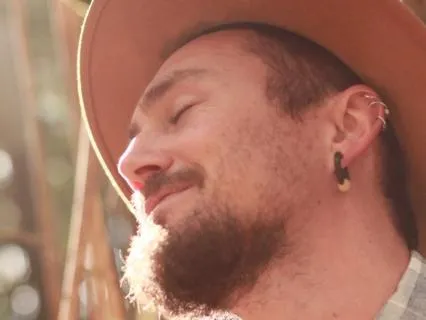
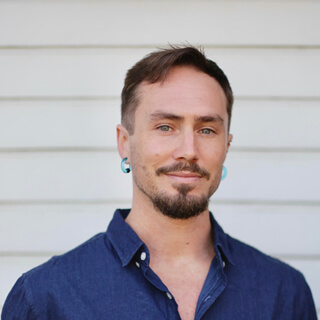
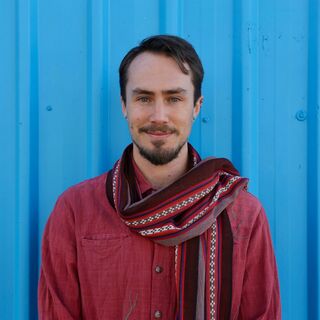
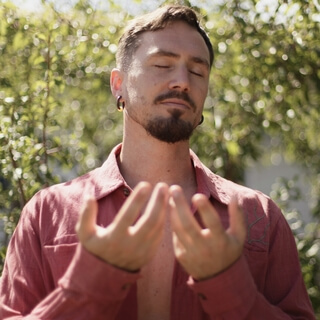
My name is Elliot,
I will be your guide for this meditation.
I am honored to be here with you today as part of your inner journey.
I acknowledge you for choosing to sit,
For choosing to consciously be with yourself.
This is not just a meditation,
This is a seat,
A posture designed with precision to support stability of body,
Clarity of mind,
And alignment of energy.
In this practice,
I will guide you into Ardha Siddhasana,
A classical seated posture used for meditation and inner stillness.
This recording is part of the Space Within series and it is a privilege to be here with you now.
You are likely here because at some level you recognize that your experience of life can become more stable,
More clear,
More conscious.
Not by adding something new,
But by organizing what is already here.
In this practice,
We are not trying to escape the mind,
We are not trying to fix anything,
We are learning how to sit.
To sit without disturbance,
To sit without resistance,
To sit in a way that allows life to unfold without interference.
In this meditation,
I will guide you into that stillness,
Not as something to achieve,
But as something to recognize.
A natural state that reveals itself when you remain.
If you are ready,
Let us begin.
Please find a quiet place for this meditation.
Do what you can to prepare an atmosphere of grace and openness.
Gently bend the left leg and bring the left heel toward the perineum.
Place it with care,
A light,
Intentional contact,
Not pressure.
Allow the right foot to rest naturally in front,
Comfortable,
Without strain.
Take a moment here to organize the base.
Both sitting bones grounded,
Knees descending toward the earth,
The pelvis slightly tilted forward so the spine can rise with ease.
Now,
Lengthen through the spine,
Not by stiffening,
But by allowing an upward extension,
As if something within you is being drawn upward effortlessly.
Effortlessly.
The lower body remains steady,
The upper body relaxed and open,
Chest soft,
Not lifted artificially,
Shoulders released downward,
Hands resting gently on the knees,
Palms turned upward or downward,
Your choice.
Bring the head into alignment,
Chin slightly tucked,
The back of the neck long,
Eyes gently closed if you feel safe to do so.
Now,
Becoming still,
Not frozen,
But settled.
Bring your awareness to the point where the heel meets the body.
There's no need to press or adjust unnecessarily.
Just notice a point of contact at the root of the body.
In classical systems,
This point is not emphasized by force,
But by attention.
Let your attention rest precisely there,
Quietly.
You may begin to notice subtle sensations or perhaps nothing at all.
Whatever is present,
Choose to sit with it.
This is not about creating an experience,
This is about becoming available.
Whatever is present,
Choose to sit with it.
If the posture feels intense or inaccessible,
Gently ease the heel slightly away from the perineum so the contact becomes lighter.
Or allow the heel to rest near the inner thigh instead.
You may also elevate the hips by sitting on a folded blanket or cushion or using a prop so the knees can descend more comfortably.
If sitting in this shape is not yet available to you,
Simply sit cross-legged in a way that is sustainable.
And instead of physical contact at the root,
Bring your attention to the base of the spine,
Because ultimately it is not the heel that creates the posture,
It is your awareness.
Over time,
As the body opens and relaxes and lengthens,
You can gradually invite the heel closer,
Refining the geometry of the seat.
But never at the cost of ease,
Because this posture is not meant to challenge you,
It is meant to stabilize you.
So remain here,
Heel placed or awareness placed.
Either way,
You are seated at the root.
Before we continue,
I would like to share a reflection from the Hatha Yoga,
Pratapika.
When the breath wanders,
The mind is unsteady.
But when the breath is calmed,
The mind too will be still.
When the breath wanders,
The mind is unsteady.
But when the breath is calmed,
The mind too will be still.
No control yet,
Just observation.
Feel the natural rhythm as it moves in.
Inhale,
Notice a gentle lengthening through the spine.
Exhale,
Feel the body settle into the seat.
Nothing more to do,
Just breathe and become aware of the geometry of your body.
Begin to bring a subtle refinement to the breath.
Allow the spine to rise slightly from the base upward and exhale.
Feel a soft settling from the top downward.
Not forced,
Just a quiet sense of direction,
As if the breath is organizing the body from within.
Inhale,
Allow the spine to rise slightly from the base upward.
Exhale,
Feel the soft settling from the top downward.
Inhale,
Allow the spine to rise slightly from the base upward.
And exhale,
Feel a soft settling from the top downward.
Inhale,
Rising slightly.
Exhale,
Softening down.
Soft settling.
Nothing is forced,
Just a quiet sense of direction,
As if the breath is organizing the body from within.
Now I invite you to let your attention return to the base,
Not as a point you are observing,
But as the place you are resting in.
There is nothing to adjust now.
The body is set,
The breath is moving,
And you are simply here.
Bring your awareness to the root.
Not looking for sensation.
Not waiting for something to happen.
Just remaining.
This is the foundation.
Before movement,
Before thought,
Before identity,
There is this,
A foundation for your entire life.
Balancing point for all your actions.
If the mind drifts,
Do not follow.
Do not resist.
Just return again and again to the base,
To the foundation,
To this sense of stability,
Geometric perfection.
Now I invite you to reduce all effort.
Let the breath happen.
Let the body remain.
Let the mind do whatever it does.
Remain seated and aware.
This is the essence of the posture.
No control.
No suppression.
Just undisturbed presence.
If the body wants to move,
Observe it.
If the mind wants to wander,
Observe it.
But do not leave this seat.
Stay connected to the sensation of being grounded,
Of being connected to this earth.
A little bit more conscious of your involvement.
Notice where you may still be adjusting.
Controlling,
Or subtly interfering.
And gently allow that to dissolve.
Body be held by the posture.
Let the breath move on its own.
Let awareness remain without effort.
You are not maintaining the stillness.
You are allowing it.
You are becoming available to it.
If a thought arises,
It is fine.
If a sensation arises,
It is fine.
If a thought arises,
It is also fine.
Undisturbed.
Stay here.
Undisturbed.
Before we continue,
Gently bring some movement into the upper body.
Roll the shoulders forward.
Slowly.
Three times.
And backward.
Three times.
Let the movement be smooth.
Now allow the shoulders to settle.
Heavy.
Relax.
The jaw soft.
The space around the eyes at ease.
Eyes remain gently closed.
Now bring a gentle awareness to the head and neck.
Allow the chin to soften slightly.
Then,
Very subtly,
Allow the head to find its natural balance.
Not rigid,
Not collapsing,
Just centered and easeful.
Let the eyes remain closed if you wish.
And begin to rest them effortlessly.
Right in the space between the eyebrows,
Just above the eyebrow ridge.
There's no need to strain.
There's no need to focus.
Just a soft,
Inward resting.
As the eyes settle into the point just above the eyebrow ridge,
You may notice the neck and shoulders naturally begin to release even more.
Allow a very subtle shift as the eyes rest inward toward the brow.
The head may tilt ever so slightly back,
Not by doing,
But as a natural response.
The throat remains soft.
The face relaxed.
The shoulders undisturbed.
There is a sense as if the body is grounded below and open above.
With your eyes closed,
Allow your gaze to rest toward the third eye,
Just above the eyebrow ridge.
And you may notice the head tilting ever so slightly backward as a natural response.
Before we complete,
I would like to share a reflection from the yogic tradition.
Yoga is the stilling of the fluctuations of the mind.
Yoga is the stilling of the fluctuations of the mind,
From the yoga sutras of Patanjali.
Not by force,
But by becoming so steady that disturbance no longer takes hold.
Now,
We begin to deepen the breath slightly.
Not abruptly,
Just enough to feel the body again.
Bring awareness to the points of contact,
The legs,
The hands,
The seat beneath you.
Notice the body may move again.
The mind may become active again.
But something within you remains unchanged,
Still seated,
Still aware.
Take a moment here to recognize that this state is not created by the posture.
It is revealed through it.
There is an intelligence to this geometry of your body.
And it becomes available to you in any moment when you become present with it.
When you are ready,
Slowly begin to open the eyes,
Carrying the steadiness with you into the rest of your day,
Into the next moment of your life.
Thank you for sharing your meditation practice with me.
Pranav.