Do you struggle with chronic pain in your body?
Or maybe you experience physical pain in your sport?
Do you want to learn how to be with pain without running from it or making it worse?
Today we're going to be talking with Dr.
Christiane Wolf all about mindfulness-based approaches to pain.
Welcome back.
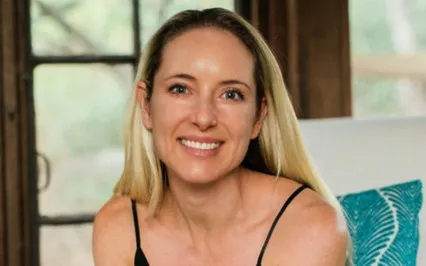
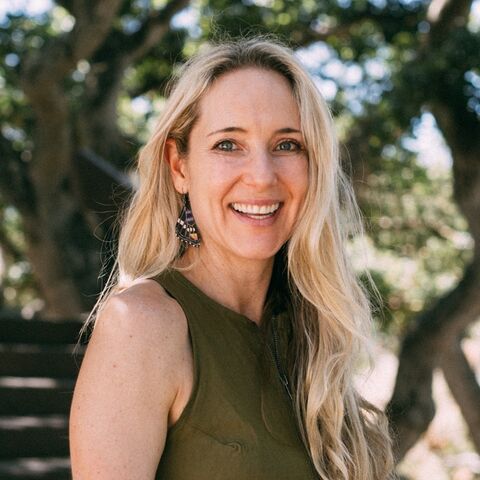
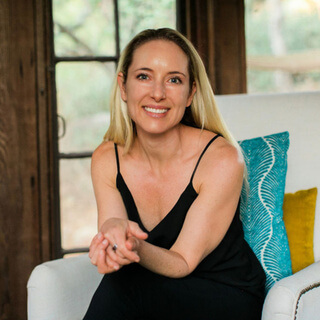
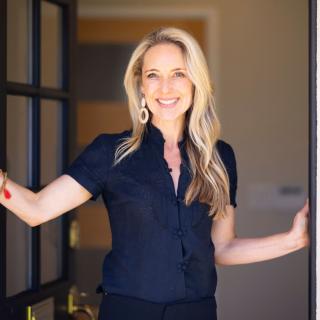
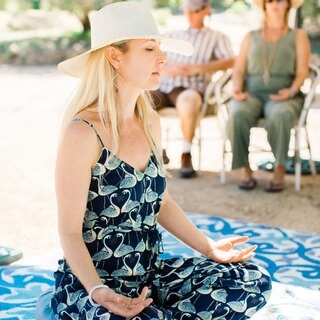
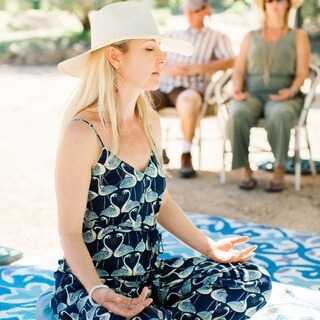
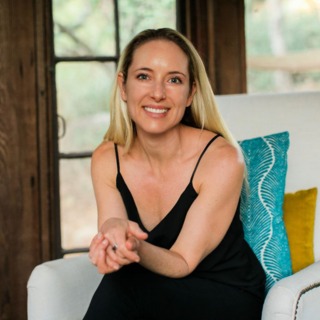
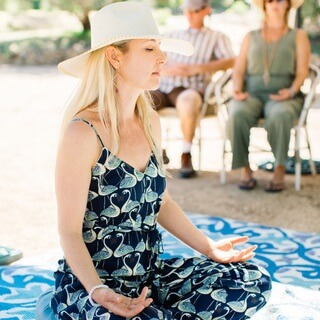
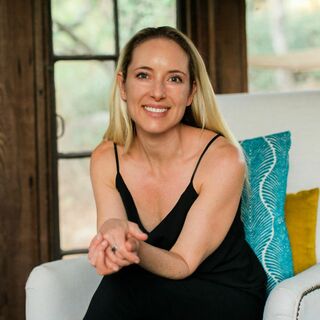
Christiane Wolf,
MD,
PhD,
Is a former physician,
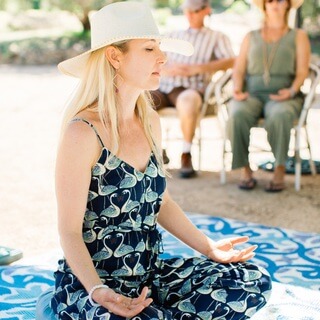
Internationally known Mindfulness and Insight Meditation teacher,
And she is passionate about translating ancient wisdom teachings into accessible and ethical modern-day language.
Christiane really lives from the heart,
But is also informed by the brain.
And she is the author of Outsmart Your Pain,
Mindfulness and Self-Compassion to Help You Leave Chronic Pain Behind,
And the co-author of the classic training manual for mindfulness teachers called The Clinician's Guide to Teaching Mindfulness.
Christiane is a lead consultant and teacher trainer for the US Department of Veteran Affairs National Mindfulness Facilitator Training,
And is a senior teacher at Inside LA.
She's also the mom of three,
And can be found in the Los Angeles area training for ultra marathons and triathlons.
If you are human,
At some point you will experience physical pain in your life.
I'm sure you have already had it and plenty of it.
And it's how you respond to that pain,
The stories that you make up about it,
The behaviors you do to avoid it.
They can cause your pain to become a form of suffering.
I've had long-term chronic pain in my back as a result of scoliosis and have found that over time my pain waxes and wanes.
I've had periods of time where it's been way worse and more debilitating than others.
And the thing that's helped me really the most with my pain is what Frances Weller calls being an apprentice to it,
Befriending it.
When I care for my physical body and its limitations and I get curious about what works and what doesn't work well for my body,
Then the pain shows up and I don't beat myself up about it or get caught up in future tripping.
Instead,
I can be with it as it is.
Dr.
Wolf talks about that today and her experience of working with hundreds of people who have chronic pain and how changing the way we relate to it when it shows up helps free us from it.
Whether you're an athlete or someone that has day-to-day aches and pains or has been struggling with physical pain,
I think you'll find this conversation with her really helpful.
Stay tuned.
I'll give you some tips at the end as well as where you'll be able to find a pain meditation from Christian.
I wanted to let you know that this episode has some poor audio quality on my part.
I was playing around with the knobs before I recorded and ended up getting a fuzzy version of me throughout.
I hope that you will give me some grace on that because I love the organic conversation back and forth with Christian and myself.
So focus your attention on that and allow for a little bit of imperfection.
That's what we need to all do for each other.
All righty.
So Christian Wolf,
We have met before.
We did an Instagram live together and you are a specialist in pain,
But you have a really interesting personal history in that you are a medical doctor,
You're an MD,
PhD,
And now you're working more in the realm of mindfulness.
So I'm really excited to talk with you about how you approach pain,
Both chosen pain and unchosen pain today.
Very happy to be here.
Thank you for having me.
So before we were chatting a little bit about you run ultra marathons.
I said marathons and you said,
Wait,
No,
I run ultra marathons.
So on the one hand,
That's an example of sort of chosen pain.
And then you also have this history of working in,
Was it oncology?
Gynecological oncology.
Gynecological oncology.
So working with cancer patients who are experiencing pain in a different realm.
So let's just start with this conversation about pain and chosen pain,
Not chosen pain,
How our perception impacts our experience.
I think I've been really just very fascinated or interested in pain for a really long time.
And when I started to come across or learned about like the Buddhist teachings,
Which basically if you boil it down is like how to get out of pain and that life is actually,
You can't live life without pain.
So that really got my attention because like even as a teenager,
When I first encountered these teachings,
It was very obvious to me that yeah,
That like there is pain in life.
There is no life without pain and how we are dealing with that,
How we're coping with that,
How we are like making sense of meaning out of that actually is essential to how we live our lives or we just keep running from the pain and trying to avoid pain.
And so just the methods were just always,
As I said,
Very fascinating to me.
Like we have a kind of like an equation that kind of really expresses that well that says suffering equals pain times resistance.
And this is from Shinzen Young.
I didn't come up with that.
And he's a mindfulness teacher,
But I think it's just like really expresses beautifully,
At least like for my mind that usually we say like pain and suffering is the same,
But it's not.
And everybody who has ever had a pain experience,
Which is everybody can probably say that if you're struggling with the pain,
If you're resisting it or worrying about it,
Your suffering goes up.
Right?
So the more resistance or the more worry there is about the pain,
The more suffering goes up.
If you don't resist the pain or if you don't worry about it,
Suffering will go down.
And then we can even go that far that we say like if there's zero resistance or zero worry about the pain,
Suffering is zero.
I mean,
If you just play with the mathematical equation.
And I would teach that often in my classes and people go like,
What?
Wait,
Wait.
And we'll really try to find things where there is pain,
But no suffering.
And just the fact that that is possible is kind of mind blowing to me.
Yeah.
So pain,
But no suffering.
I mean,
The things that I think about in terms of that or my personal experience of that is childbirth being with them.
And I had two C-sections,
But I labored through both of them.
And my preparation for childbirth was Kundalini yoga.
So in Kundalini,
We do these kriyas where you do something like hold your arms out in front of you and cross them one over the other.
And at the beginning,
It feels like nothing,
But it's 21 minutes in.
Oh my gosh.
You're starting to feel some pain.
And the reason why they would teach us that is how to be present with this extreme discomfort,
But not suffer in it.
And today we're talking more about physical pain.
And what's interesting is that really the lines between physical and emotional pain broth,
And they activate the same areas of the brain and our responses to both of them,
It seems like the same response is helpful for both acceptance and allowing.
But let's talk about physical from a medical perspective to start,
And then we can move into the Buddhist perspective and the ACT perspective of physical pain in the body and what happens,
Like how it translates into and changes into even chronic pain,
Like where that,
Where physical pain turns into chronic pain in the brain and body.
Yeah.
I mean,
To come back to the question about like chosen pain and pain that we're kind of,
We haven't chosen,
That makes a huge difference because it's all about like how we're seeing it,
How we're embracing it.
And so the interesting thing is that,
So if we look really just from a body perspective,
Like we have like these,
I mean,
It's a little bit more complicated than that,
But we have like nerve fibers,
They're called nociceptors.
A lot of people have heard about that.
And I think they're pain receptor or like they're,
They're pain fibers that are like kind of signaling there's pain in the body.
But what's very interesting is noci actually doesn't mean pain,
It means danger.
And so what the body's job is,
Or the,
Of the periphery in particular is to give the signal of danger to the brain,
Like to higher functioning regions so that they can make sense of it.
And that's really interesting.
And what we know is,
So basically,
So like there is like an interpretation that happens.
And so then the brain says that is pain or that is not pain,
That's just uncomfortable.
And so,
And what we know,
So in the beginning,
When you just have like an,
I don't know,
Like you cut your finger or something,
Right?
So that is like very acute pain.
And there's a direct correlation between like how much you hurt yourself and how much it hurts.
So if you have like,
You've just like prick your finger with a needle,
That's like a little pain.
And if you cut your finger cutting vegetables or something,
That's a big pain.
So and that is broken in chronic pain.
Very interesting.
The problem is that we don't really understand it.
So we think we experience a high level of pain,
And therefore there must be a lot of damage in the tissue,
Or it must be a lot of damage in the body,
But that is not accurate.
And of course,
A lot of pain feels first very uncomfortable,
Like we hate that we want to get away from it.
And it really makes us scared,
Because we're coming from this acute pain model thinking like if there's a lot of pain,
There must be a lot of danger,
There must be a lot of damage in the body.
The interesting thing is that we're saying that acute pain is protective.
And chronic pain is overprotective.
Because our brain like one of the jobs of our brain is to keep us safe.
And so the brain tries to anticipate something that could harm us,
That could be like where we could be in danger.
And so in a way,
It becomes more and more sensitized,
And starts to ring the pain alarm bell sooner and sooner,
With the areas where like people have never experienced that they actually would say like,
Well,
That's not pain.
So the brain,
Unfortunately,
Really,
Really changes in that way.
That's such an important point,
Because our response to acute pain may therefore be different than our response to chronic pain,
In the sense that if you have acute pain,
You probably need to tend to the pain,
You need to pay attention to it,
Tend to the wound,
Take care of it,
Go to the doctor,
Avoid the thing that's causing the acute pain.
But with chronic pain,
It's actually the over attention and the avoidance and the interpretation of this being dangerous,
That gets us into the problems associated with our chronic pain.
And one of the things that you write about in terms of Outsmart Your Pain,
Which is your book and it's fantastic,
Because it's not just talking about pain,
It gives all of these meditations and strategies and techniques,
They're really bio,
Psychosocial,
Spiritual approaches to pain.
But you talk about how there's the sensation of pain,
And then there's our thoughts about pain and our emotions in relationship to the pain that influence our experience of it.
And I would add from an ACT perspective also our behaviors around pain.
So this first part is like how your body is interpreting,
Is this pain,
Is this danger?
And then let's talk a little bit about the thoughts.
Yeah,
I mean,
We already know like thoughts,
And how much we believe our thoughts heavily influences everything.
It creates our world.
And I have,
So I call that the pain story and it is like people find that very helpful.
And so just to kind of become aware of,
So as you're like,
Let's say your pain is starting up.
Let's say you had like a period where there was like no pain or just very little pain and the pain starts again.
And in that moment,
Your alarm bells in your brain are going off.
And then what happens is what the brain does,
It goes into the past and into the future.
So usually,
So there's like,
Let's say like your lower back pain and you were fine,
And then you wake up in the morning and there's something in your lower back.
And your brain goes like,
Right,
That thing.
And then it goes into what happened in the past.
Some of us go more into the past,
Some of us go more into the future,
But in us to both.
So it's a combination,
But to start to see like,
Okay,
So what's my brain telling me when that is coming up?
So it could be like,
Oh,
Last time that happened,
I lost a week of work.
And I can't afford to lose more work.
So and I like what helped this last time it was really bad.
And then it goes into the future is like,
I might lose my job.
I might not be able to provide for my family.
And these things,
Thoughts,
If thoughts were just that,
That will be fine.
But thoughts trigger emotions.
So then the question is,
So when these thoughts are coming up about the past or the future,
How does that make you feel?
And people go like,
Anxious,
Overwhelmed,
Angry,
Frustrated,
Helpless,
Define,
I mean,
Like all these things.
And where do we feel that?
In the present moment.
And so there is the physical sensation.
And then like our mind layers,
Like the past story,
Thoughts and emotions on top,
And the future thoughts and emotions on top.
And of course,
That has an influence on how we are in like feeling how that feels,
What comes from the body in that moment.
And we can work with that.
And then there's a part that is also really,
Really important.
So we've like we're finding that people with chronic pain,
And I the people who are listening,
They can check for themselves because it hurts.
We're trying to avoid not feeling that.
And what happens is that we actually stop feeling into the actual sensations of the body.
So then we kind of go like,
Oh,
There's the back pain,
But we're not really open,
Curious going like,
But what does that actually feel like it just becomes like this box that we call pain,
And we really try not to go too close.
And so then we're often just feeling the pain kind of from a memory point of view.
And then the inflation with,
Of course,
The thoughts and the emotions around that.
So in many ways,
The pain becomes like the monster in the closet or the,
You know,
A thing that's under the bed.
And and you don't really know what's in there or what it looks like,
Because you've shut it out and then but you've created all these stories about it and then you have all the emotion with it.
And what's interesting about interoceptive awareness,
Which is what we're kind of alluding to here,
Is the the awareness of what's happening in your body,
Not just your mind's interpretation of what's happening,
But actually a body based awareness.
So we can have attention that's our sort of prefrontal cortex attention to things like I'm paying attention to the content of this interview,
Everything that Christian is saying,
And I'm understanding it.
But then we can have a body based attention,
Which is what's happening in my body as I'm speaking.
Do I notice that my heart rate is going up or that my heart rate is going down?
And what's interesting about interoceptive awareness is that when we have greater levels of interoceptive awareness,
We actually have greater resilience.
There's some good research that athletes that have greater interoceptive awareness have less activation in brain areas when they are stressed.
Same thing with traders on Wall Street with greater interoceptive awareness.
They actually trade better during high stakes situations.
So it's like the super skill,
But we actually turn it off when pain shows up.
We don't want to go there.
Yeah.
Scary for us to go towards the pain or into our body.
How do you work with people in sort of befriending the sensation,
The sensation level?
Yeah.
So one thing I just want to add that as you're mentioning athletes,
I want to come back to my own athletic endeavors because interoception is so important in mindfulness practice.
And so as an endurance athlete,
Like of course discomfort and pain will come up.
And define for us what an ultra marathon is.
So what is an ultra marathon?
What is an ultra marathon?
An ultra marathon is any distance that's longer than a marathon distance.
So marathon distance is 26.
2 miles.
And so the shortest ultra marathon distance is 30 miles.
And then you can go further up.
And I'm not going to ask you for your age,
But my guess is that you're over 30.
I am over 30.
But it's actually,
This is really beautiful.
There is like a huge field of especially women and postmenopausal women in ultra marathons and in endurance sports,
Because it's like our bodies are really,
Really can endure a lot if you use the word endurance here.
So it's really wonderful.
And it's something,
I mean,
And the ultra marathons,
Another thing I should say,
It's out on the trails.
So marathons are usually run off on the street.
And ultra marathons are out in on the trails in the mountains.
And that is like one of the things that really is wonderful for me,
Because I love nature.
And I love moving my body.
And so it's that combination.
But what I wanted to talk about is really like the intro perception and the pain.
So I was just running actually a race just a couple of weeks ago.
And I noticed that at some point,
And I have to say,
I personally don't suffer from chronic pain.
I don't suffer pain being defined as anything that lasts longer than six months.
But so my body doesn't have like the hyper,
The overprotective part.
But so I noticed that pain was arising in my lower back.
And what I did was I use the practices that I'm teaching of just like,
What does that actually feel like?
So going really close in and what are the actual sensations.
And then what was really interesting to see is that the pain or what my brain registered as pain went away.
And it was just intense sensations.
And I thought like,
Oh,
Yeah,
That works.
So I helped kind of my brain like reinterpret the make a reinterpretation of what was going on in that particular moment.
Yeah.
You're taking away that interpretation.
Yes.
Your level of sensation.
What does it feel like in my lower back right now?
Like,
Yes.
And we can all do that even as we're listening,
There's sensations in your body.
Yes,
Maybe uncomfortable ones,
Any point in time.
Yeah.
And getting into it and being present with it as opposed to interpreting it.
Yeah.
And the interesting thing is,
So and then coming back to like chronic pain,
So people often when they have like pain,
And people go like,
So how's your pain,
They will say,
Oh,
It's terrible,
Or it's killing me.
That is not a sensation.
That is an interpretation.
But you have to live with the idea that there's something inside of you that is killing you,
Or that is terrible,
And that you can't get away from.
And I think just like what we're creating,
So the internal climate,
And if we're thinking about like the whole language around like pain treatment is like we talk about pain killers.
Yeah.
So I think it's because we're listening,
We're listening how we're talking to ourselves.
So it might be just very interesting to see like,
So how are you talking about your pain?
And I know the idea might be very scary to think like,
If I,
So because people often have this confusion around,
Like,
When we say like,
Can you accept this moment as it is,
What we're really doing with the teachings is because it already is the way it is.
And right now,
You can change it.
And then people think that's resigning.
And it actually is not.
And we're also saying in the practices,
Can I be with this?
Or can I allow this to be here?
Because it already is.
Just for this moment.
So I'm actually not asking anybody to accept this for ever,
Which often then people say like,
But that means it will never go away.
And it doesn't do that at all.
It's just like right now,
You're suffering,
You're struggling.
And what would change if internally you could say like,
Okay,
I'm allowing this to be here right now.
Because what we do is we actually take back control.
Instead of saying this is kind of happening to me,
Or this is being done to me,
Which feels terrible,
Because it's completely out of my control.
What I'm saying now I take back control by saying like,
I'm allowing this to be here.
And that's the power of choice.
Yes.
Because you can't necessarily choose whether or not you're going to feel discomfort or sensation or pain in your lower back.
Well,
You can,
Don't run multi marathons,
Your chances will go down.
But we can't choose some of the pain that happens to us.
Like,
But we can choose how much space we make for it and whether our willingness is there to have it.
And part of that is also I think,
Choosing to expand our experience to include the sensation,
But not have it be all about the sensation.
As you talked about running on a trail,
There's pain in your lower back,
But there's also probably the sound of your footsteps on this,
Or the smell or the view when you look out at the horizon and you connect to something that's bigger than in this moment.
And that's what happened with what in my experience of pain,
I do have chronic pain,
I've had migraines since I was 17,
I get probably one or two a month.
And then I also have scoliosis.
So I often have some discomfort in my back.
And what I find is that when I'm really hooked by the pain and my story about it,
It becomes like huge.
It's like all I can think about.
And then everything is about sort of adjusting to make it go away.
So like if I sit this way,
Is it a little bit less?
Or if I sit this way,
Or if I put on my glasses and shut the shade.
And what happens is that when we spend a lot of time managing or controlling the pain rather than taking control of our life,
Our willingness,
Our lives get really narrow.
And it's almost like the pain now is what's running the show and is dictating how I live,
As opposed to me choosing.
I have the pain there.
And then it's sort of like carrying it in our back pocket.
It's really important.
So this like making a choice or what's our intention,
Because one thing we have to just know is like nothing gets our attention like pain does.
And that is actually,
So remember your brain's job is to keep the body safe.
So pain will always go to the top of,
If there's pain will always go to the top of the attention.
And what it does,
Just like you're saying,
It collapses around the pain.
And everybody who has pain knows.
So if you have like an injured shoulder,
It feels like you're just that shoulder.
Like everything else is kind of gone.
And so part of our practice is that we're open that.
So we're not saying like,
We're not pretending the pain isn't there.
It is.
But we can open and really there are like practices where you really go like,
How about the rest of the body?
How about my feet?
Oh,
My feet are fine.
How about my lower legs?
My lower legs are okay.
And so,
And what you do is you rebalance.
So you say like a yes and yes,
There is the pain and right.
So you put it into perspective,
And you like really deliberately keep opening it back up.
And we do that with pain,
But we do that like with chronic pain or physical pain,
But also like with like the things that we're obsessing about in our minds,
The things that we can't stop thinking about,
For example,
Right?
So we can say like,
Yeah,
There's a lot of activation in the mind around that.
And in that way,
We're actually the more we're able to check into our bodies,
The more we're able to check out of that loop.
Right?
So often what I see people do is so chronic pain,
Emotional,
Physical is like they argue with themselves.
Right?
So like,
One part thinks this and the other things this and they're fighting and all the time like we're not embodied at all.
And so to keep in mind that ever every time we're noticing there's thinking happening to say like,
Thank you not now and then really bring the awareness to a part in the body that is not in pain or that feels safe.
So I work with people finding like a safe place in the body.
So that's not in pain.
That's not threatening for some people,
It can be like their feet or their hands or can be the belly,
Like a belly can feel like very safe.
And right,
So to see and then that is where you come back to could be the breath.
And so you switch kind of channels.
So you train your mind in a way,
Like we're saying,
Like,
From where I'm sitting is actually doesn't matter what your thoughts are.
Because as you're like engaging with thinking,
You're trying to solve the problem on the level of the problem.
And there is definitely a place for that.
And it's very effective at some point.
But when you're really in the grasp of that,
You're just,
Yeah,
You're you're fighting with yourself,
You're arguing with yourself.
And would there be,
You know,
I'm kind of aware of if I have pain in my back and I'm bringing attention to my big toes.
For me,
It would also be recognizing that my big toe and my back are part of something together.
You know,
Like that I'm not just escaping my back and trying to live in my big toe all the time.
No.
Forget about the fact you have a back.
But actually seeing that there is it's sort of like a whole landscape of my inner experience where there's parts that are painful.
There's parts that are completely numb.
Like I haven't visited that part of my body in ages.
I didn't even know that my side ribs existed until I do like a yoga class and you breathe into them.
But I'm sort of able to have flexibility in my attention.
Because sometimes we do need to pull our attention away from the intensity of the pain and put it somewhere safe.
And then sometimes we need to bring our attention to the pain so we can work with it.
And that's again,
That sort of that's your choice of how you do that.
When you're running,
I'm a runner too.
And sometimes it is like,
I just don't want to pay attention to that,
You know,
Discomfort there because it's going to all my energy is going to go into that and I'm going to like have a terrible run.
So it's more about you are choosing where you place your attention and that you can find safety or peace or neutrality,
Even in the presence of pain.
So we've talked about the sensation aspect of pain.
We've talked about the thoughts.
And I think there's an important part that you write about,
Which is there's these common emotions that we can experience when we have chronic pain.
There's a lot to say because of course emotions will come up.
And I think first of all,
It's just important to remember emotions are there to give us information.
And like we're often afraid of emotions because we have,
I think as a culture,
We're afraid of emotions.
And to a point where like,
So I'm German and in Germany,
Stoicism was like really,
Really popular still is like,
It's also popular here.
But I think in particular when I grew up in and I was very into that as a teenager.
And the thing is what I didn't understand then,
But I understand now is that in stoicism,
They really vilify all emotions.
And I think it is because emotions can lead to behavior that is destructive,
That is harmful,
That is making it worse.
And so we are thinking the emotions are the bad guys in a way,
While it is actually the behavior,
Not the emotion,
The emotions give us information and we have not learned how to be aware of them,
To hold emotions and to kind of harvest that information,
Which is really important.
And then to let,
And it comes like if the word emotion has the word motion in it,
And actually the function is it moves through.
And that is what we are often have forgotten or never really experienced because it feels like that is always there.
Or when I go into that particular emotion,
It will overwhelm me or I will drown in it.
So to learn like skills,
How we can kind of do that in a safe way can,
And I've seen that many times over really be life changing.
And sometimes our emotions,
Especially emotions around pain,
The ones that we don't like,
The flip side of them is what we care most about.
So we're grieving something because it's something that we really care about that may be a loss.
I worked with a client who really,
Really loved hiking,
One of his favorite things.
Especially during the fall colors,
Going hiking.
He's supposed to travel there and go for hikes.
And he lost a lot of functioning in his knees and his ability to hike.
And there was so much grief there.
And when we got to underneath what the values were around like being in nature and being at peace in nature,
We were actually able to take that grief so that he could go and be in nature.
Instead of hiking,
He'd go and bring his picnic,
Sit and have lunch,
The colors.
And what often happens,
I think,
Is that the emotion shows up and just like the pain,
We do the same thing with our emotion that we do with our physical pain,
Which is we put it in the closet.
We never actually really go into it and take a look around.
And another aspect of that is that oftentimes I think emotions that come with physical pain are discounted or people are concerned that if they have emotions around their pain,
They're going to have this,
I learned this term,
Medical gaslighting,
You know,
That they're going to be told that all of their pain is just psychological.
And then that lends to this whole feeling of being discounted.
So we work with that because there is a psychological aspect of pain,
But we don't want to discount.
I was just actually had a discussion about that last night with a colleague is like,
How can we kind of convey this,
Actually the fact that all pain is made up in your head?
Right?
Because so many people have heard,
So they really suffer their struggle.
They're in a lot of pain and they go to the doctors and they make all these tests and then they hear like,
Oh,
We can't find anything.
And therefore it must be in your head.
And that is so painful in itself and so dismissive.
And so what we're trying to do as pain educators is to say like,
Ha ha,
Surprise,
All pain is in your head.
Like coming back to where we started our discussion from,
We need a brain to make an interpretation of the information that comes in from the periphery.
And to see again,
Like that chronic pain is overprotective.
And that is actually,
And because,
Right,
So we already touched on that,
That pain or chronic pain is actually a bio,
Psycho,
Social,
Spiritual experience.
And we're not separate.
We're not just a body and we're not just a psychological being.
We're not just a spiritual being,
Like we're all of that.
And what we see is really how these different areas really influence that.
So when you ask people,
Well,
Does make stress the pain worse?
You have periods where you're very happy,
Where the pain doesn't show up.
Like look at all the factors that is actually influencing your pain.
And it's not,
Right,
So we're a whole being.
And the good news about that actually is we can work on all these areas and see,
So how is sleep,
For example,
Affecting my pain levels?
How is the quality of my relationships affecting my pain levels or the flare ups?
And not to do that in a way that it is blaming,
Right?
So like what's wrong with me?
But to say like,
Of course,
Of course,
We're like connected.
We need connections in all these areas of our lives.
And to really include all these areas as we're healing and really coming back to this really important principle of like we are whole and nothing can take that away.
And the social component of pain is interesting.
I think there was a classic study where they had people go into an MRI and they would flash a little X before they would shock the person's toes.
And they'd look at the MRI of their brain in terms of the anticipation of pain areas that light up.
And they would either go into the MRI and do it alone or go into it and hold somebody's hand,
The nurse's hand,
Or go into a hold their partner's hand.
I think this is Sue Johnson that did the study because she was also looking at holding your partner's hand and then also holding the hand of like your ex,
A conflictual partner.
And how your brain responds to anticipation of pain differently just in the presence of another and then in the presence of someone who is compassionate and caring and you have a positive relationship with.
We all knew that as parents,
Right?
Our child's pain,
They experience pain differently when we're holding them when they're not,
Obviously,
Right?
But that makes such a big,
Again,
A big difference.
And it's not to say that your pain isn't real.
It's to say it's all influenced by so many more contextual factors.
And I think what you're speaking to,
So the factor of connection is really such a core piece.
And so the compassion and so like what I'm teaching or like what's really important is it's not just mindfulness or mindfulness is really helpful.
But we also need compassion and we need self-compassion,
Which is really,
Really hard.
So I'm teaching a class for chronic pain right now and people really struggle with like being kind to themselves.
And for people who have been like in chronic pain for sometimes decades,
There's really this is like,
I hate my body,
There's something wrong with me as like,
Why can't I get this to that?
I mean,
There's so much.
And then you think like,
So again,
What's the hen?
What's the egg?
What was there?
So what has influenced this whole like where they are today?
But where we are today is like,
It's so hard to be kind to yourself.
And but it's so it is often really the medicine that we need,
Just what you're saying.
So feeling like when you're you're not alone in what you're experiencing with the MRI study that you just quoted,
It's so important that you feel like,
Okay,
I'm not here by myself.
And we know that isolation is like one of the core kind of features of chronic pain.
For the reason that a it takes a lot of time and effort to take care of yourself when you're in chronic pain,
Or the doctor's appointments,
All the things you need to do just to get through the day.
And then and then of course,
You're tired,
Which can often not remedied by good night sleep where people say,
Oh,
You should sleep more.
It's like people say,
Yeah,
Thank you.
That's I didn't think of that as like,
People often can sleep or they're just tired.
And so they're not,
They might not go out with friends as much because they're tired,
Whether they need to go to bed early.
So like,
So this whole cascade,
And then of course,
There's like the function really,
As we said,
Like the attention is so collapsed around the pain,
That we really feel alone and isolated.
And often we don't know people in our direct environment that have the same pain.
So that confounds that.
But the truth is,
There are always people who know that.
And so that is part of the self compassion exercise that we kind of in our mind,
Really kind of calling in our tribe of people who really understand from the inside what that feels like to have that pain.
And then to also really start to coming back to like,
Were the topic of like,
Connecting with your own body,
To be able to read that is a connection.
If I feel into my toes,
I'm connecting with my body.
And if the for a moment and saying like,
This is a really hard moment right now.
This is really,
Really hard.
Because so often,
Like we're using the tools of mindfulness,
Of course,
As a way to get rid of the pain.
And that is like this paradox that shows up in mindfulness is like,
Where we are asked to turn towards what we don't want to turn towards to.
And the goal isn't to get rid of it.
And the goal is not to get rid of it.
And that is so hard to understand.
Of course,
We want to get rid of this.
And so just want to when people go like,
Wait,
What?
Of course,
I'm learning this,
I want to do this in order to get rid of the pain.
So we have this really nice saying that we say,
So mindfulness practice,
Fastest way to get from A to B is to be fully at A.
And that's so there's a paradox in that.
So that when we're actually able to say like,
Coming back to what we said earlier,
It's like,
Can I allow this to be here right now?
Then things can start to change.
And we have to do that over and over to learn to trust that.
And really like this,
The self compassion is saying,
Like,
It's,
It's,
It's hard.
It's really,
Really hard,
What we're doing is so crucial as a part of that.
I am wondering as you're talking,
If you would be willing to share with us a meditation guide us through a little mini,
Like 10 minute meditation that I could share as the bonus episode,
Because I think that we have to try it on.
And we can talk about it,
But it's actually the doing of it that helps you just get the experience from the inside out of what we're talking about.
Yeah,
Would you be willing to share one?
I'd be very happy to do that.
Yeah.
Okay.
Yeah.
Wonderful.
Okay.
Well,
Thank you so much,
Christian.
Your book is called outsmart your pain,
Mindfulness and self compassion to help you lead chronic pain.
And you're also a teacher at a number of different places.
I'm based in Los Angeles.
And we have an organization here called inside LA,
Where you're also teaching Diana,
Which is wonderful.
And so I teach like classes there,
But the best for folks if they want to learn more as to go to my website.
So my schedule is there.
And one thing that people are really curious about,
Like really learning about this approach to work with chronic pain.
I have in a pre recorded class,
A six week class on chronic pain,
Which people can also find on my website.
Thank you.
And I'll meet up in Santa Barbara foothills and we'll go for a run together.
Oh,
Absolutely.
I'll do the first like 30th of a run.
It feels like there's a really infamous trail run in Santa Barbara called nine trails.
That's like one of the hardest trail races that we have in in California.
I'm not ready for that one.
But I do I run a mountain called Gibraltar.
It's up by my house.
And it's a nice.
It's a nice run uphill.
And then you then you find a friend to come pick you up so you don't have to run down it.
We'll find a we'll find a way to run together someday and teach me about pain.
Okay,
Thank you so much.
So Dr.
Christiane Wolf is a wise mentor on pain,
As you can tell.
And when pain shows up,
Whether it's chosen or unchosen,
You can apply simple and often non intuitive skills that can help you navigate it without adding more to it.
Here's what I want you to try this week.
Christiane has recorded a meditation for us for pain,
And we're going to be releasing it as a bonus episode.
It's just 10 to 15 minutes long,
And I highly recommend it.
I found it pretty powerful when she did the exercise with me.
It's a way that you can start to practice the skill of mindfulness and also expansive awareness.
And doing it with a guide the first time is really helpful.
But then once you develop the skill,
You can use it when pain shows up in your daily life.
The second thing that I want you to do this week is to notice when pain shows up,
And try and bring the skill of curiosity to it.
Dr.
Jett and I have talked a lot about curiosity on this podcast,
It seems to be quite the theme.
Curiosity is really a powerful tool because when you bring attention to the level of pure sensation with this curiosity and without adding a story about it,
It helps you navigate the sensation of pain just moment to moment.
The third practice that I want you to do this week is the yes and practice.
When pain shows up,
Say yes to it,
Get curious,
And then expand your awareness to other parts of your experience.
You are not your pain,
Pain is only one part of your full experience.
And you bring awareness to something more than just your pain.
So those are the three things.
Listen to Kristian's meditation when it comes out,
Bring curiosity to your pain,
And practice expansive awareness with your pain.
Of course,
I always want to hear how these things are helpful to you.
Please pass this on to folks that are struggling with pain,
To athletes,
People that have chronic pain,
People that have pain related to aging.
It could be a really wonderful resource to help people that are suffering.
Thank you again,
And I hope this episode is a benefit to you and a benefit to many.
Thank you so much for listening to this episode of Your Life in Process.
When you enter your life in process,
When you become psychologically flexible,
You become free.
If you like this episode or think it would be helpful to somebody,
Please leave a review over at podchaser.
Com.
And if you have any questions,
You can leave them for me by phone at 805-457-2776 or send me a voicemail by email at podcast at your life in process.
Com.
I want to thank my team,
Craig,
Angela Stubbs,
Ashley Hyatt,
Abby Deal,
And thank you to Ben Gold at Bell and Branch for his original music.
This podcast is for informational and entertainment purposes only,
And it's not meant to be a substitute for mental health treatment.