What can you do about the parts of yourself that you wish would just go away?
And what if there is another approach to understand and relate to yourself that brings you more harmony and enhances your self-compassion and maybe even opens the door to spiritual awakening?
That's what we're going to explore today in a real play with Dr.
Richard Swartz,
The founder of Internal Family Systems on Your Life in Process.
Hey folks,
I have a few things coming up that you may be interested in learning about.
First sign up for my Wise Effort newsletter.
It's a way to stay on top of my events and stay on top of what podcasts are coming out,
As well as getting tips from Contemplative Science and ACT that you can apply in your daily life in a personalized way,
In the way that I like to teach.
And second,
In July,
I'm going to be presenting online at ACBS World Conference,
Which is held in Cyprus this year.
I have two workshops that I'd love for you to attend.
One is doing more,
But never feeling like you're doing enough.
Those are for those high achievers looking to learn more about Wise Effort.
And the other is with my colleague and good friend,
Alexis Karas.
We're going to be talking about the paradox of infertility and pregnancy loss.
And then August 11th,
I'm going to be presenting a full day workshop on ACT for body image and eating concerns with Pessy.
That's online and on demand.
And then August 15th,
I'm going to be doing a one hour presentation that is free with Joseph Sirocci with Pessy on process-based therapy.
What is process-based therapy all about?
What does it look like?
We're still figuring this stuff out.
That is August 15th.
All the links to my events will be in the show notes and on my website under events and sign up for the newsletter and you'll get reminders.
Okay.
Hope to see you in July and August online.
Okay.
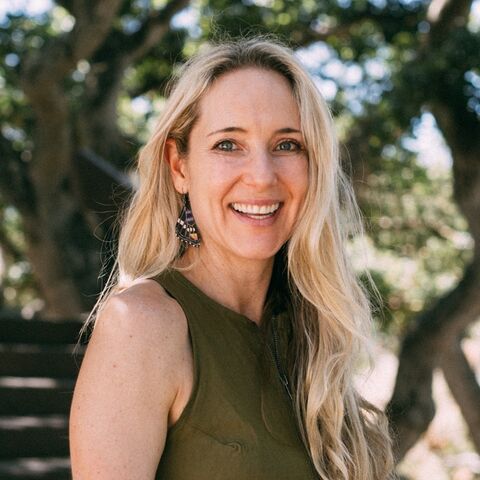
This is Dr.
Diana Hill and a part of me really doesn't want to air this episode.
I'm going to do it anyways,
Because this season is all about evolution and wise effort.
Evolution.
I want you to be evolving along with me.
And in order to evolve,
You need variation.
I need variation.
If we get stuck in the same way of thinking and the same way of acting,
Whether it's your relationship or your exercise,
Your job,
Or even in the therapy room,
You're not necessarily going to get unstuck or get stronger.
And the first step in evolution is variation.
And variation for me is learning about a different type of therapy,
A therapy that I have very little background in.
And the way that I learn best is through trying it on.
So today,
Richard Schwartz from Internal Family Systems is going to be practicing some IFS on me as a client,
Hence my hesitation to air this episode,
But that's okay because wise effort is all about curiosity,
Flexibility,
And wise action.
And that's what I'm demonstrating by doing this.
What I'm really curious about is the processes of living well,
The processes that have been demonstrated through psychological science and through thousands of years of contemplative practice to be at the cornerstone,
The foundation of your wellbeing.
In the previous seasons,
We've talked a lot about these processes,
Many of which are the six core processes of ACT.
So things like values,
Perspective taking,
Acceptance,
Being able to step back from your thoughts,
Being present.
And the reason why I'm interested and curious about Internal Family Systems is because it offers this really creative and effective way of perspective taking in ACT or process-based therapy.
We call this the self dimension.
We often think about ourselves as one static thing,
Like I am a mom or I'm a therapist or I'm a good dancer,
But really you have many different parts inside of you.
And according to Internal Family Systems,
Sometimes those parts are battling each other.
Some of those parts are really young.
Some of those parts emerged out of trauma to protect you and some of those parts you've been spiritually avoiding because maybe you have shame around them.
You also have a wise self,
A compassionate self,
A connected self that holds all of those parts.
This self can help you out.
In dialectical behavior therapy or DBT,
Marshall Linehan called this self the wise mind.
In Buddhism,
We call this self the no self.
In a compassion-focused approach,
Paul Gilbert calls it the compassionate mind.
And in ACT,
We call it self as context and Internal Family Systems calls it self-leadership.
Whatever you call it,
There's many different ways to access this self and there's many different ways to gain perspective,
To use this process of perspective taking so that you can step into your wise,
Interconnected self to help these parts out.
So that's why I wanted to learn more about IFS.
I find it fascinating how all of these different approaches are pointing to similar processes.
That's what process-based interventions are all about,
Open and flexible to a more consilient view.
It's an incredible opportunity to do a role play with Richard Swartz.
He is a master therapist as you will hear as he works with me.
He's the founder of IFS and he began his career as a systemic family therapist and an academic and he's really grounded in systems thinking.
He developed IFS in response to clients' descriptions of various parts within themselves and while exploring this inner terrain with them,
He discovered this healing essence that he calls the self that led him into a spiritual journey.
He describes this in his most recent book,
No Bad Parts,
And you'll get a little sense of it when he does this real play with me.
IFS has become this global movement and as he shares at the end,
It's really hard to get into any of his training.
So what a rad opportunity for you to have an insider's view.
You're like a fly on the wall in the therapy room with Dr.
Schwartz and what a rad opportunity for me to be his client for a few minutes.
And when we recorded this episode together,
There was a long introduction where he talks about what is IFS and I wanted to have this podcast get more to the meat of the matter,
Get you right in there and hear the real play,
But it's also interesting to hear the background.
So for those of you that are more life in process members,
You will have access to the full uncut interview.
I'm going to upload that for you.
And that's one of the perks of being a member.
Thank you so much to those of you that support the show in that way.
It keeps us ad free and sponsorship free so that I can freely select the guests that come on the show.
It's driven by numbers and that's one of the things that really makes this podcast different for all of you.
So given that,
Go become a member.
You can go to yourlifeinprocess.
Com.
That's $5 a month,
$50 a year,
And you will get meditations and extra perks like today's episode uncut.
All right.
Enjoy this real play with Dr.
Richard Schwartz.
So we'd have these different parts and you said that you begin by identifying them and then you start to actually dialogue with them.
I worked in eating disorders as well.
My early research was in eating disorders and I ran a treatment center and part of that treatment center,
We did psychodramas.
So we were doing ACT and then we're also doing psychodramas and that's exactly what we would do in the psychodramas where we'd take the group members and each group member would be a different part of the person and their experience with the binge or their experience with restricting or with cutting.
And once you start to piece them apart and you listen and talk to them,
You learn from those parts.
Yeah,
Totally.
And in the early days,
Because I learned a little bit of Gestalt therapy in grad school,
I was doing the open chair stuff.
I was doing it psychodramatically and I'd have,
Because I was learning like you did with your clients about five and six different parts.
So I'd have all kinds of chairs,
Clients hopping all over the room as they did the dialogues.
And then one guy said,
You know,
I don't have to jump around to do this.
I can just sit here and do it.
So since that time,
Most people just sit in the chair and they can notice them,
But have these internal interactions.
But there is still a version of IFS that people are doing psychodramatically too.
So what are we doing in there when we're having these conversations with our parts?
Why would we even want to do that in the first place?
We don't like these parts.
It's a dangerous neighborhood and I don't want to go in there,
Right?
Yeah.
Well,
Fortunately or unfortunately,
That's the attitude most of us have about not wanting to go certain places inside.
And we spent a lot of time and energy trying to avoid those places,
Not feel what we had to feel back in the traumas.
So we tend to then exile the parts of us that are still stuck in those places and carrying those feelings we don't want to feel it yet.
They become what we call exiles.
And once you get a lot of those parts,
You have this big inner basement full of pain and terror and worthlessness that you never want to feel again.
Then a lot of other parts are forced out of their naturally valuable states to become protectors to keep all that contained.
And those are the parts you're speaking about,
But you say,
Why would I even want to think about going there?
And those parts manage your life so that those exiles never get triggered.
And so you can function.
So they might focus on making you look perfect so people don't reject you or achieve a lot.
So you get acolytes to counter the worthlessness or take care of everybody so that they depend on you.
But this part doesn't let you take care of yourself or the critics who are either trying to make you perfect or are trying to tear you down so that you don't get hurt.
You don't show yourself and so on and so on.
So there's a lot of what we call manager protectors that are trying to manage,
You know,
It's known as the ego in other circles.
Just they're trying their best to keep you safe and to keep these exiles contained.
It doesn't always work,
So if you do get triggered and some of those flames of exile emotion come floating out,
Rushing out,
There's another set of parts who have to go into action immediately to get you away.
And so,
You know,
You work with eating disorders,
So that would be the binge maybe or even the anorexic part sometimes.
You know,
They're trying to get you higher than the flames or they're trying to distract you till they burn themselves out.
And we call those firefighters.
So that's the map to the territory,
It's pretty simple.
Exiles are these young,
Vulnerable parts that carry these burdens we never want to feel again,
So they lock them up.
And then to keep them contained and protected,
We have managers and firefighters,
Both of which are under the umbrella of protectors.
And so most of us are dominated by some version,
You know,
The diagnosis that people carry is really just a description of the cluster of protectors that run the person's life.
And so our approach is to honor all those parts for their service and how much they've tried,
Even though it backfires a lot of times or they're screwing up your life in a lot of ways.
They're all trying their best.
They're all pretty young and they're like current-ified inner children.
They just think they've got to do this or you're going to die a lot of the time.
Yeah,
It was really helpful in one of the exercises to map it out on a piece of paper and see all the parts and see how it is.
I guess that's part of the systems approach is we create maps of things and then arrows.
This relates to this in this way,
And maybe it's bi-directional.
For me to see my different parts because some of these parts are pretty divergent,
You know,
And that is the nature.
And something like bulimia is such a good example of that because there's the restrictor and the binger and they coexist within and they're battling each other,
Right?
One is trying to manage the other and one is trying to get free from the other,
Right?
And I have my own history of bulimia and I remember early on,
One of my really wise therapists said to me is that you'll have bulimia in your behaviors with food,
But you'll also see bulimia in your behaviors with life and the ways in which you either are like tearing everything apart,
Gobbling everything up,
Or you're restricting yourself in your life.
And those parts of you will be battling each other until you figure this out,
Like start to listen to them and what is the restrictor wanting and then what is the binger wanting?
And really listen that there's some wisdom in there.
Yeah,
And see if they can come together and figure out a way to coexist better so they don't have to battle for your soul all the time.
And IFS,
That's one aspect of IFS,
Is to find the polarized parts and connect with each of them,
Value each of them,
Just like you would polarized family members and then bring them together with you as their therapist so they can dialogue about how they can do this differently inside.
So how do you do that?
How do you get there?
You want to do it?
Sure.
I don't know if I want to,
But I'm willing to.
Okay.
Yeah.
Do you want to work with those two parts you mentioned?
Yeah.
Yeah.
Not necessarily in relationship to food,
But just into life,
The binger and the restrictor are full-on parts of me still.
Perfect.
Yeah.
Let's do it.
Okay.
Which of those two do you want to start with?
Well,
I find the restrictor more attractive.
She's easier.
I don't like my binger.
Well,
Maybe we should start with the binger.
Oh,
Geez.
Okay.
Good.
Okay.
Yeah.
All right,
Dinah.
So focus on that impulse and find it in your body or around your body.
Where do you find it?
I find it like right at my clavicle,
Like the lower part of my throat.
Okay.
And as you notice it there,
How do you feel toward it?
You said you don't like it,
But you love it.
I feel scared of it,
Really.
Okay.
Yeah.
Scared of its power to take over and make you binge,
Is that right?
All kinds of things,
Yeah.
So it makes sense you'd be afraid of it,
But let's just for a minute now,
Let's see if the part that's so afraid of it would give us the space to just get to know it and maybe help it so it didn't have to do this job so much.
Let's see if that's possible for you to get curious toward it instead of afraid of it.
To give my binger some space?
No,
To give the part who's afraid of the binger to give us some space to get to know the binger.
I don't know.
That part,
It's got a good lockdown on the binger.
That's why it's even in that throat area.
It's afraid if it lightens up at all,
The binger's going to take over,
Is that right?
Yeah,
Because it has.
It has in the past.
Yeah.
So all that makes sense,
And we're not going to do it without this fear part's permission.
But let it know that I'm good at this and I don't have these parts take over again.
We actually do this so the binger can consider a different role inside.
And then this fear part wouldn't have to work so hard all the time to contain it.
But we're not going to do it without its permission.
Yeah.
Well,
It likes that.
It likes feeling like it's with an experienced ally,
Like that someone else is going to help it because it's pretty.
.
.
It's tired,
Right?
Yeah,
It's tired of this.
It's,
Yeah.
It's worn.
Yeah.
So we get that,
And we appreciate how hard it's worked to keep you from binging,
And this is a different way to handle that.
So is it willing to give this a try for a minute?
Yeah.
All right.
So as it recedes a bit,
How do you feel toward the binger now?
I just notice its energy.
I feel,
I just feel it's really,
Really powerful and destructive.
And so,
Like,
If the fear is stepped aside,
Maybe it's a bit of,
Like,
Almost,
Like,
Awe?
Yeah.
So we're going to ask the one who's in awe of it also to give us some space.
We just want to get to know it,
And it's hard to do that if you're in awe of it.
Or if you just see it as destructive also.
So let's get all those parts to let you just open your mind to it a little bit.
Okay.
That's an easier one to step aside.
Okay,
Good.
So how do you feel toward it now?
I am just noticing it.
Yeah,
Good.
Do you feel open to getting to know it now?
Yeah,
A little bit.
Yeah.
Well,
I think we'll settle for that.
So,
Again,
Focus on it and ask what it wants you to know about itself.
And don't think of the answer,
Just wait and see what comes back to you.
Okay.
Do you want to know what it said?
It said,
I'm wild,
And I'm free,
And I clear the path.
And what does it mean by clear the path?
For what?
To get what you want.
Oh,
Okay.
Like it's like a big,
Yeah,
A big,
It gets me what I want.
And that's true or not?
Not really.
No.
I mean,
I think it thinks that,
I mean,
It wants,
I guess maybe what I want is some freedom.
Yeah.
Freedom of expression.
Yeah.
So let it know.
Let it know.
It probably chafes at all the constrictions from the other part,
And it wants you to be more free,
And that that makes sense,
And just see how it reacts to being heard that way.
I don't know.
It doesn't really believe it that I,
Yeah,
That I think that.
Well,
It's probably because these other parts are still hanging around.
So there are parts of you that don't trust what it's saying right now.
Okay.
I still see it as like a big destroyer of my life.
I know.
Yeah.
It's a big problem.
So we really need all those parts that see it that way to give us some space to get to know it in an entirely different way.
Because just remind them their way has sort of worked,
But it's,
It requires huge amounts of energy.
And what if it were true?
What if this binging part isn't what they thought?
What if it isn't a big destroyer,
But it actually is trying to get something for you?
Well,
That would be relieving.
That's right.
Yeah.
So I kind of promise that's true.
If they give us a break,
If they'll give us the space,
We can discover that.
So go back to the binger and tell me how you're feeling toward it now.
I think I'm more,
I'm more,
I am more curious about her cause I,
I think,
I think there's elements of her that are kind of cool in,
In that she's rebelled.
Yeah.
And she's a bit of a wild woman.
And so I,
I like that.
I feel like I like that aspect.
Yeah.
Let her know that much and see how she reacts now.
I think she likes that.
She thinks she's,
She's,
Yeah,
She likes that.
And then ask her what she's afraid would happen if she didn't keep trying to take over this way.
Oh yeah.
She,
She's very clear that I am rigid and controlling.
And if she weren't here,
I would be starving myself and exercising all day and,
Uh,
In some constrained job that is boring and rigid with my kids.
Okay.
Yeah.
She,
She's definitely feels like she's liberating me.
So is there some truth to that,
Diane?
Yes.
So let her know you can see that,
But also let her know that that's not who you are.
That's the restrictive part who's been dominating,
But you're the person who's getting to know it now.
And you can,
You can work with that restrictive part too.
So it's not so heavy handed and see how this one's reacting to hearing that.
She likes,
I think it's,
She likes to know that I'm not the restrictor part,
Like she's,
You know,
Like she's more open to me if I'm not the restrictor part.
Yeah.
You've been so blended with that restrictive part that that's all she's know,
But it's important she see that you're not it.
It's just another part.
And ask her if we could go to the restrictor and get it to lighten up some and so that there was more space for this kind of freedom and creativity and,
You know,
All of that with the binge be able to lighten up too.
Yeah.
I mean,
I think she says,
The sense that I have is she just wants to be colorful and move fluidly through life.
And yeah,
She feels restricted as when she starts to battle by blowing things up.
Yeah.
Yeah.
She'll get more and more extreme and she will destroy your life if it comes to that.
That's not who she is.
Yeah.
So are you getting that,
Diana?
Yeah.
It makes me feel very sad.
Yeah.
Yeah.
Good.
You're sorry you've been so hard on her and that you haven't taken the time to get to know her this way and see how she reacts.
She actually,
You know,
I think she feels forgiving because she does see that I do,
Like I do,
I have gotten to know her more over time and I do things to let her in and be expressive,
You know?
So there's like a,
There is a bit of trust there.
Okay,
Good.
So you've changed and earned her trust more.
Mm-hmm.
Okay.
That's great to hear.
So ask her now if she's willing to let us go to the restrictor part and get to know it and help it get to know her better.
Yeah.
No,
That's fine.
She's like,
Go there.
Go deal with the restrictor.
Okay.
This isn't her problem.
Yeah.
So you're ready?
Yeah.
So where do you find that one in your body,
Around your body?
My forehead between my eyebrows,
Like tightness,
Tension,
Focused.
That's often where they show up.
And how do you feel toward it as you notice it?
I get it.
Like I feel,
I don't feel scared of it.
I feel more like,
Oh yeah,
You've been keeping stuff together.
Yeah.
So you appreciate it for that.
Yeah.
So let's just kind of love-bomb it with appreciation for a while,
For working so hard to try and keep it all together and see how it reacts to that.
It likes to feel appreciated.
It knows it does keep everything together.
Yeah.
But ask if it was listening to the conversation you had with the binging part.
Mm-hmm.
And so how does it react to your getting to know that binging part better?
Well,
My restrictor likes the binging part when it's contained,
When it talks about,
Like it won't destroy my life.
So it likes that I'm connecting with that part of it.
But it's almost like the binging part has parts,
Like the part that gets out of control and that blows up my life or does like stupid impulsive things and over schedules or puts too much on my plate or it just,
It feels really chaotic.
And the restrictor's like,
I'm here.
It's here to contain that impulsive,
Disorganized chaos.
Yeah.
So let it know we get that and was it listening when the binger was saying it gets extreme because when it gets shut down more and more,
That's when it goes to the destructive stuff.
So basically the restrictor has a role in how extreme the binger is.
Can it get that?
Mm-hmm.
Yeah.
I think it can see that the more it puts it under lockdown,
The more the binger pushes back and knows that,
I mean,
Has known that with food,
Right,
But knows that in other domains as well.
Yeah.
Okay.
Yeah.
So now ask the restrictor if it will be willing to have a direct conversation with the binger,
With you there to make sure it's safe.
Yeah.
If you're there too.
Yeah.
I'll be right there.
All of us.
All of us will be there.
Yeah.
Yeah.
Absolutely.
Okay.
So Diana,
Bring them both together and tell me when they're,
You know,
Comfortable distance apart.
Mm-hmm.
And like I said,
Go ahead.
I was just going to say,
Just visually,
They're very different,
Which is kind of interesting.
Like the binger is this like wild,
Colorful,
Tie-dye kind of moving energy blob.
And then the restrictor is this like gray,
Thin line.
Yeah.
And it's just interesting to see.
So like when I'm pulling them together,
I see both of them visually,
I could almost paint them very different.
I love that.
So now that they are kind of together,
Then you're going to be their therapist,
Like I said,
And your job is mainly to make sure they don't get extreme with each other.
And the question I'll have you start with is,
Ask them both what they have in common.
Yeah.
They said they're both here to help.
That's right.
That's right.
Yeah.
And let them know that their polarizations and fights have caused trouble,
And we're here now to see if they can work out a different relationship with each other,
And just see if either of them have ideas about that.
Well,
The binger has a lot more ideas than the restrictor.
She's kind of dominating here,
But as she says,
But if you just let me be expressive and a little wild and a little on the edge sometimes,
I won't go crazy on you,
But I can help you open up your life more to have it be a vibrant life and a full life,
And you don't have to keep me so contained,
Because I actually really want that for you.
Like I want you to feel the vibrancy of being alive,
And I just see you as so shut down.
That's beautiful.
So how about the restrictor,
How does it react to that?
She says,
I don't know,
She wants that too,
But she also sees the importance and value of being organized,
And sometimes not speaking up and not saying something,
Like sometimes being quiet,
And the value of being really sort of dedicated and effortful to difficult tasks and staying on tasks for the long run,
And persistence,
And she's kind of proud of those things that she brings,
And sees that that is how I've gotten to where I've gotten is some of that.
So how does the binger respond to that?
She agrees.
Yeah.
She's like,
Yeah.
Yeah,
So just stay with us,
Because they're doing great.
So just see if there's a way they can both have what they want,
If they could share time somehow.
Well,
It's interesting,
Because a binger is like,
You know,
I kind of like that you've done this for me,
Because it actually gives me more privilege to be free.
You know,
If I have a PhD,
Then I can do things that are a little bit wild,
And you know,
It's like I can bank on that,
Some of the security that you've created.
That's right.
Yeah.
Yeah.
Yeah.
And how does the restrictor react to that?
She likes that,
Being appreciated for her hard work.
Yeah,
Go ahead.
Yeah,
So are they willing to keep meeting with you this way,
To try and work all this out?
Yeah,
I think they feel a little safer around each other,
A little more appreciated by each other,
And like maybe there could be some collaboration.
That's fair.
To work towards some common goals.
That's right.
Yeah.
So,
If it feels genuine,
Diana,
Then let them know you'll keep working with them this way.
Okay.
I'll let them know.
Okay.
Does that feel complete for this round?
Yeah.
Okay.
So,
Thank you for doing that.
That was actually really,
Really accurate and great demo,
What I talk about,
So I really appreciate it.
Thank you.
I appreciate it.
I appreciate it on lots of levels.
I feel like I got to a different,
I mean,
I've been working with these parts in different ways for so many years,
But there was a way in which you led me through it.
The first part of getting the stuff out of the way was super helpful,
Like that clearing out all the folks that are coming in to interfere with me contacting my binger because,
Yeah,
It just felt scary to contact her.
That was really helpful.
And then bringing them together,
Visually for me,
It was really vibrant and intense to see the two of them together.
And yeah,
It felt very organic.
I mean,
I was very much in it.
I was not in therapist mode.
I was just letting myself be the client there.
You were totally a client,
And I so appreciate it.
So that's an example,
A really good example of how this works.
And if we have gone further,
It may be that both of them protect some other part that I would call an exam that needs to be healed,
Taken out of where it's stuck in the past before they can both totally become less extreme.
So we would get curious about that and ask them if they do indeed protect vulnerable parts and negotiate permission to go to those parts.
I could sense that.
When you said,
Do they have something in common,
I was like,
To help me.
And then the next step is like,
To help you with what?
Right,
Exactly.
That which has been exiled.
You know?
Yeah.
That's right.
That's the step we didn't take because of this context.
Yeah,
Exactly.
I have so many different questions.
One is,
You can do this with a therapist,
And in no bad parts,
You're also doing this on your own.
So how does that work for somebody to be able to do this work with themselves?
What are you seeing when people do the work on their own?
You know,
It varies a lot.
There are people who can listen to me do a meditation and do that much,
But they're loath to do it really totally on their own,
To keep it going.
And there are other people that do a huge piece of work just by themselves.
So a lot of it just depends on how much their protectors trust it's safe to do it.
Or if they,
You know,
There are a couple times you said,
Well,
I'll do it because you're here.
Yeah.
So that's true of me.
I can do only so much unless I have a safe person with me.
So it just varies a lot.
So are you doing this yourself?
Like,
Is this a practice you do on a regular basis to go and explore your parts and have conversations amongst them?
Yeah.
What does that look like for you?
Yeah.
It becomes a life practice.
So,
You know,
Basically every morning,
While I'm in bed usually,
I'll just follow up with parts I've been working with and check with the whole system to see if anybody needs attention during the day.
I might even talk about what I'm going to be doing during the day and ask them to trust me to handle all this stuff,
Which has taken a lot of time because I had parts that really thought,
Yeah,
You're okay,
But we have to handle this,
You know,
Like if I'm doing a podcast like this,
There was the sort of intellectual guy who can sound really cool would want to take over,
And he would have a very different experience than me.
And now that guy just says,
No,
I trust you,
You can do this.
And so I can be much more open-hearted.
As I was noticing what happened when this other person popped out,
And we call self a capital S,
Who was there,
I mean,
Yourself was very present with each of your parts.
It took a while to get you to unblend,
Especially with the binging part,
Because you had so many parts that thought it was dangerous,
Could destroy your life,
Had this very,
It's like a kid in a family who gets scapegoated,
And everybody sees that kid as really the bad one.
And as we got everybody to open space,
Suddenly you saw it entirely differently,
And you were open to getting to know it.
And that's what I'm talking about,
That's what I call self.
So curiosity is one of those big C words,
As is confidence and calm and compassion,
And you suddenly had a lot of compassion for it,
Actually.
There was a time when you were crying because you had locked it up so much.
And you would also be creative in how you worked with it,
Rather than so rigid,
And you would have the courage to go to places with it,
Or to give it a little more space,
And you would feel connected to it.
So that's another C word.
And you would see it more clearly.
You know,
You wouldn't see it as this bad thing,
But you started to see how creative it is,
And how colorful it is.
So those are what I call the eight Cs of self-leadership.
So once I got you in that place,
I kind of knew everything was going to go well,
Because people know how to do this when they get to self.
They know how to heal inside,
And you did.
You knew how to relate to each of them in an honorary way,
And how to help them come and talk to each other.
So I can't remember the original question we were talking about,
But.
.
.
It doesn't matter.
You got to a good answer.
I feel like the good nature,
Like the inherent good nature that exists,
Was something that resonated with me when I was reading No Bad Parts,
Because it just reminds me a lot of one of the reasons why I've been attracted to Thich Nhat Hanh's work for so long,
Around your true nature.
I mean,
We sing songs around your true nature,
And do meditations around your true nature,
That your true nature is good and available all the time,
And you don't have to work to develop it.
It's just there.
And I really appreciated that from you,
Because so much of psychology is not like that.
So much of psychology is like.
.
.
And I get caught up in that too,
Like we need to practice to get better at things.
Some things are just there,
We don't even have to practice,
They're just available.
That's what we found.
When we got your Heart,
Stoic,
And Space,
Suddenly you had compassion for this part.
It's just there.
You didn't have to build up the muscle of compassion.
You just already had it.
We just uncovered it.
So this is a model of what we call constraint-releasing versus practice of build up and create.
So yeah,
That's very accurate.
And so this self and how to access it,
How to help people heal themselves and become the primary caretaker to their own parts,
Is the centerpiece of IFS.
It's the big deal about IFS.
And the sort of absolute knowledge and trust that it's in everybody,
It can't be damaged,
It's just beneath the surface of these parts,
So that in the open space it's right there,
You don't have to meditate 20 years to get to it.
And it knows how to heal.
It knows how to heal internally.
It knows how to heal externally.
Yeah.
That's the big deal.
So two things come to mind as you're saying that.
One is that I just interviewed a good friend of mine whose father committed suicide.
And she talks about the day before he committed suicide,
Spending time with him and seeing him so vulnerable,
She was able to just completely feel compassion for him.
She'd been working so hard to forgive her father for mania for so long,
And then it just all dropped instantly.
And it was there.
It was available.
She didn't have to work for it.
So it's like a family system where when we can see the beauty of the vulnerability of maybe one of our inner parts or family members,
Compassion comes.
But then the other thing was just in reading through,
You mentioned all these different other philosophies.
You talk about Christianity,
You talk about Buddhism.
But one of the names that popped up for me was Locke Kelly,
Because I interviewed him a while ago on effortless mindfulness is his whole shtick.
And it feels like that too.
It's like the effortlessness of it to be able to expand into the self.
Yeah.
Locke is an IFS person.
He studied IFS,
And he has a way of accessing self more quickly by just having you shift your focus from up here down to your heart.
Yeah.
So lots of overlap with other approaches,
That ultimately it feels like a spiritual approach.
Exactly.
It's become very,
Very spiritual.
And I just did a two-day workshop this weekend with a woman named Lissa Rankin about spiritual bypass,
How IFS is an hermit for that,
Because so many spiritual traditions have very valid practices for getting you high,
For getting you above your exiles,
So that you can feel the numinous,
You can feel the non-dual,
And all the bliss that comes with that.
And then people get addicted to the practice,
Because it keeps them away from all that pain.
And so it's good to sense that,
To feel the big self.
But what we're trying to do is now bring that to your parts.
Don't use it to get away from them.
And that's what you just did.
You brought a lot of those great qualities to your parts,
So that they could feel and trust you to help them.
I know we don't have to practice it,
But it did feel like,
Because I've done this with clients,
It felt easier in some way.
I think if you had done this with me 20 years ago,
When I was knee-deep in bulimia,
It wouldn't necessarily have felt so easy to access that self.
It's very true,
Yeah,
Absolutely right.
A lot of the work you've done to get your parts to let you open your heart to people and be with them in that state,
They see that that's possible,
And that makes it easier for them to open space relative to each other.
Yeah.
Yeah.
So the self is also,
It's had some qualities to it.
I mean,
You mentioned those eight qualities,
But it also had some qualities to it that I was trying to wrap my,
Maybe I shouldn't be wrapping my head around it,
Because I experienced it,
But I am still trying to wrap my head around it,
Which is,
It almost reminds me more of no-self in Buddhism than it does ego-self,
And it's not the observer self,
But it's more the spacious,
Loving awareness,
Like Jack Kornfield loving awareness self.
Even just this word self trips me up,
Right?
I know,
I know.
Buddhists are allergic to the word,
But for me,
And there was a Buddhist scholar who wrote a paper on this,
That self in IFS is the same as no-self in Buddhism,
Because what they really mean is no parts.
So as you get parts to open space,
And you enter that very spacious,
Sort of grounded,
Open-hearted place,
That's what they call no-self,
But I call it self for various reasons,
Because that's what clients called it when we got there.
They would say,
That's me,
That's not my parts.
So I'd say,
Oh,
That's your self,
Okay.
But it's really exactly what Buddhists call no-self,
Although from my point of view,
Too many Buddhist traditions keep you in that passive state of a witness,
Rather than active healing,
Going to the parts,
And loving them,
And helping them.
You know,
Thich Nhat Hanh aside,
I mean,
He does that,
But most Buddhist practices are all about the mindfulness,
About the,
And because they don't see these as parts,
They see them as ephemeral thoughts and emotions.
So why would you go and deal with that,
If that's the ego,
You don't want to,
You know,
They have a way of undervaluing your inner system that way.
Yeah.
Well,
I would say,
Yeah,
The tradition of Thich Nhat Hanh is very,
Maybe it's unique and different in that engaged Buddhism way,
And himself being in exile,
Himself being a refugee from his own land,
I think he learned a lot about that,
Of how to find a home when you don't,
When you aren't home.
And then the many different parts,
I mean,
His poem of,
Call Me By My Many Names,
My True Names.
Yeah,
My True Names is very much that,
Like I'm the mayfly,
And I'm the bird eating the mayfly,
Right,
These different parts.
So Brother Phap Hu was one of his attendants,
And I got to know Brother Phap Hu a little bit by being in his monastery,
But then I interviewed him,
And one of the questions that I brought to him was from my son,
And my son asked,
What do I do when I'm lonely at night?
And his response was,
Oh,
Will you say hello,
Loneliness?
Yeah.
I'm here for you.
Yeah.
That's exactly right.
What do you need,
Loneliness?
That's right.
And I'm like,
That's kind of parts work.
That's exactly what it is.
Reading it,
It's like,
Yeah,
Yeah,
It's the same,
It's similar,
Yeah.
Very similar,
Yeah.
This is a little more concrete.
You can be in your head and say,
Oh,
Okay,
Loneliness,
But when you actually find it in your body,
And you actually get close to it,
It's a little different.
Yeah.
It's good.
It's good stuff.
Thank you.
I want to learn more.
Thank you for the introduction.
Fantastic,
Yeah.
And the experience of it makes me want to do more of it,
Right?
So I encourage folks to � No Bad Parts is your book.
I know you have a ton of trainings.
You have trainings through PESCI,
You have lots of ways that therapists can learn this,
But then also the general public can learn it.
Where do you want to direct people that are intrigued and curious about that too?
Yeah.
So we have the good problem of being incredibly popular right now.
So we have like 20,
000 people wanting to get into the trainings.
And we're rapidly expanding to try and accommodate.
In the meantime,
Because there's a lottery system that people are waiting sometimes years,
That book is helpful.
Soundstreet just released a couple other books,
An intro to IFS,
And also a book called You're the One You've Been Waiting For.
Ooh,
Nice title.
It's really,
It is about relationships.
It's about how you hook up with your partner and all the protectors that get involved and how to do the U-turn in your focus and heal these parts.
So those are good starting points.
And then on our website,
We have what's called the Online Circle Program,
Where you don't have to apply.
You just can buy into it.
And it's mostly video,
But there's live Q&A also.
So a lot of people get the basics from that.
The big advantage to the trainings is you get a lot of supervised practice from somebody who knows the model well.
Yeah.
Yeah.
That's what's missing in the Online Circle Program.
Right.
The experiential practice is where you get to your like,
Because there were so many dead ends I probably offered you that a therapist would dead end at,
And then you knew how to work around it.
You're like,
Water.
You're like,
Oh,
That's not a dead end.
That's a,
I think you say a trailhead.
Yeah.
It's a trailhead.
Yeah.
It's just a part.
It's just a part.
Yeah.
Yeah.
Yeah.
Yeah.
Yeah.
Yeah.
Yeah.
Yeah.
Yeah.
Yeah.
Yeah.
Yeah.
Yeah.
Yeah.
Yeah.
Yeah.
Yeah.
Yeah.
Yeah.
Yeah.
Yeah.
Yeah.
Yeah.
Yeah.
Yeah.
Yeah.
Yeah.
Yeah.
Yeah.
Yeah.
Yeah.
Yeah.
Yeah.
Yeah.
Yeah.
Yeah.
Yeah.
Yeah.
Yeah.
Yeah.
Yeah.
Yeah.
Yeah.
Yeah.
Yeah.
Yeah.
Yeah.
Yeah.
Yeah.
Yeah.
Yeah.
Yeah.
Yeah.
Yeah.
Yeah.
Yeah.
Yeah.
Yeah.
Yeah.
Yeah.
Yeah.
Yeah.
Yeah.
Yeah.
Yeah.
Yeah.
Yeah.
Yeah.
Yeah.
Yeah.
Yeah.
Yeah.
Yeah.
Yeah.
Yeah.
Yeah.
Yeah.
Yeah.
Yeah.
Yeah.
Yeah.
Yeah.
Yeah.
Yeah.
Yeah.
Yeah.
Yeah.
Yeah.
Yeah.
Yeah.
Yeah.
Yeah.
Yeah.
Yeah.
Yeah.
Yeah.
Yeah.
Yeah.
Yeah.
Yeah.
Yeah.
Yeah.
Yeah.
Yeah.
Yeah.
Yeah.
Yeah.
Yeah.
Yeah.
Yeah.
Yeah.
Yeah.
Yeah.
Yeah.
Yeah.
Yeah.
Yeah.
Yeah.
Yeah.
Yeah.
Yeah.
Yeah.
Yeah.
Yeah.
Yeah.
Yeah.
Yeah.
Yeah.
Yeah.
Yeah.
Yeah.
Yeah.
Yeah.
Yeah.
Yeah.
Yeah.
Yeah.
Yeah.
Yeah.
Yeah.
Yeah.
Yeah.
Yeah.
Yeah.
Yeah.
Yeah.
Yeah.
Yeah.
Yeah.
Yeah.
Yeah.
Yeah.
Yeah.
Yeah.
Yeah.
Yeah.
Yeah.
Yeah.
Yeah.
Yeah.
Yeah.
Yeah.
Yeah.
Yeah.
Yeah.
Yeah.
Yeah.
Yeah.
Yeah.
Yeah.
Yeah.
Yeah.
Yeah.
Yeah.
Yeah.
Yeah.
Yeah.
Yeah.
Yeah.
Yeah.
Yeah.
Yeah.
Yeah.
Yeah.
Yeah.
Yeah.
Yeah.
Yeah.
Yeah.
Yeah.
Yeah.
Yeah.
Yeah.
Yeah.
Yeah.
Yeah.
Yeah.
Yeah.
Yeah.
Yeah.
Yeah.
Yeah.
Yeah.
Yeah.
Yeah.
Yeah.
Yeah.
Yeah.
Yeah.
Yeah.
Yeah.
Yeah.
Yeah.
Yeah.
Yeah.
Yeah.
Yeah.
Yeah.
Yeah.
Yeah.
Yeah.
Yeah.
Yeah.
Yeah.
Yeah.
Yeah.
Yeah.
Yeah.
Yeah.
Yeah.
Yeah.
Yeah.
Yeah.
Yeah.
Yeah.
Yeah.
Yeah.
Yeah.
Yeah.
Yeah.
Yeah.
Yeah.
Yeah.
Yeah.
Yeah.
Yeah.
Yeah.
Yeah.
Yeah.
Yeah.
Yeah.
Yeah.
Yeah.
Yeah.
Yeah.
Yeah.
Yeah.
Yeah.
Yeah.
Yeah.
Yeah.
Yeah.
Yeah.
Yeah.
Yeah.
Yeah.
Yeah.
Yeah.
Yeah.
Yeah.
Yeah.
Yeah.
Yeah.
Yeah.
Yeah.
Yeah.
Yeah.
Yeah.
Yeah.
Yeah.
Yeah.
Yeah.
Yeah.
Yeah.
Yeah.
Yeah.
Yeah.
Yeah.
Yeah.
Yeah.
Yeah.
Yeah.