Welcome to this live event about mindful writing.
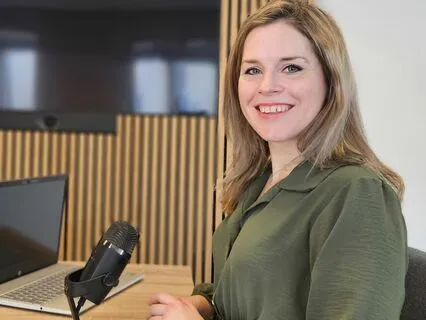
My name is Yvette,
And I love to combine research with meditation,
And I've prepared a little talk about tips for academic writing,
Or just writing,
And we will focus on mindful writing.
And the tips I found,
They stem from research articles,
And the first one I found was about setting the intention.
And it's really important to set an intention of what you're going to do,
What you want to achieve,
Whether it's about focusing on writing skills,
Feeling focused,
Feeling unstuck,
And you can set that intention right now.
You can either write it down,
Or state it out loud in your mind,
And try to be concrete as possible.
So setting an intention can sound something like,
I am focusing on improving my motivation.
So this is more concrete,
Instead of,
I want to be motivated,
And it's also realistic,
Because you are focusing on improving,
Instead of being,
I am completely motivated.
So you can set an intention right now.
Let's move on to the next tip,
For a mindful writing practice.
A great way to implement mindfulness into your writing practice,
Especially if you're feeling stuck,
What you can do is set a timer for 10 or 15 minutes,
And write without worrying about grammar,
Structure,
Just focus on the flow of ideas,
And let them come naturally.
And this exercise really helps if you want to conquer internal critics,
Saboteurs,
And you want to foster creative thinking.
Now mind you,
When I read this,
I was like,
But I have a problem with letting it flow,
So I know that my inner critic will already prevent me from writing.
But for some,
Also just writing about something else can help,
And I found that a really useful tip doesn't always work,
Sometimes it also takes practice,
Some days it works and other days it doesn't,
But try it out for just 10 or 15 minutes,
Write without paying attention to for example grammar,
Flow,
And see what happens.
And with this tip,
I immediately have another tip I found,
And that's the single tasking.
And I know,
I've said this before,
And I also try to multitask,
But it doesn't work,
We have to single task,
So focus on one task at a time,
Rather than multitasking.
So really set specific times for writing,
And eliminate distraction,
Turn off those notifications,
Unnecessary tabs,
I have so many tabs open,
You don't want to know,
Dedicate this time for writing.
I found this very practical tip,
Which I didn't listen to,
Mindful breaks,
Taking short mindful breaks during writing sessions,
For example when I do the Pomodoro time management technique,
I work for 25 minutes,
I make sure I have a 5 minute break,
Which is either to get off from my chair,
Drink something,
Or do some mindful breathing.
And they really found that these mindful breaks,
Instead people always think,
Oh I will get out of the flow,
And no,
It actually enhances your focus at some point.
And I will just go into some brief tips more,
But we will practice them in meditation.
And a very general one,
And this doesn't necessarily have to apply to academic writing,
But I incorporate gratitude.
And it might look something like,
Just writing one point you are grateful for,
Before you start your actual writing session.
I now have a routine where I do it at night,
But sometimes,
Especially when I was doing my PhD,
I would start writing gratitude before I started my actual writing,
Because it helped me get started,
And it wasn't per se this big task I needed to start.
And I already mentioned the word,
But those breathing exercises,
They really helped me.
Also in the previous talk about mindful writing,
I talked about the 4-7-8 technique,
Where you breathe in for 4,
You hold it for 7,
And you breathe out through pursed lips for 8.
This reduces stress and improves cognitive performance.
You don't have to do like rounds of 10 minutes.
For some,
Even after 3 or 4 times,
They can already feel that they are more relaxed.
And I usually do this,
Like I shared before,
Or between a small task,
Or I do it in the middle of the day,
I make sure I set an alarm for this,
Or that I write it on my to-do list.
It's something so small,
But it can make such a big change,
Right?
And a big tip I found,
And I found it really interesting,
And I incorporate visualization with different themes,
But even with writing,
A future self-visualization might help.
So what's a future self-visualization,
As the name pinpoints?
It's visualizing yourself,
But you're successful at writing.
You're making your task,
You're doing your work,
You're writing great,
Perhaps you're publishing papers,
Whatever your goal is,
But it's important to visualize yourself as already being accomplished.
I normally focus a lot on perfectionism,
Procrastination,
And even studies,
For example McCartney and Narayana in 2012,
In their Perfectionism and Procrastination in College Students study,
They found that doing a future self-visualization technique for just 7 minutes already helped.
And I want to do that today,
I want to incorporate these tips.
So try to find a comfortable position,
You might lay down or sit,
I invite you to close your eyes,
And did you make sure that all your notifications were off for single tasking right now?
Because you can allow yourself to invest in you.
Take a moment for yourself,
Allow yourself time,
And keep those eyes closed.
And listen.
And we're going to do a breathing exercise,
Where we breathe for 4 seconds in through the nose,
We hold it for 7,
And we breathe out for 8 through pursed lips.
If you're not comfortable,
You can stop at any time,
And breathe at your own pace.
So let's breathe in,
Pause,
And out.
For 4 in,
Pause,
And out.
Deep breath in,
Pause,
And out.
Return to your natural breath,
Think of something you're grateful for today,
I'm grateful that you are here,
And please visualize yourself,
Either sitting at a desk,
Or a cozy writing corner,
And in front of you is your writing project.
And see the light of your workspace,
Perhaps you have some pen and paper in front of you,
Or a laptop,
And in this visualization,
Try to feel how that paper would feel,
Or the keyboard,
And now focus on yourself,
Take a moment to see your future self,
The person you aspire to be.
This future self is confident,
Productive,
And deeply fulfilled by the writing process,
Can you see that?
And can you notice the details in this version of you?
For example,
How do they sit,
How do they breathe,
With what expression on their face?
So you see yourself at work,
Your writing,
And you have great focus,
And see the words flowing onto your page,
On your laptop,
And feel this sense of accomplishment and joy.
And as you watch your future self,
Notice how they approach challenges.
How do they remain calm?
Are they using obstacles as opportunities to grow?
And do they trust their abilities,
And are they committed to their writing journey?
Now I want you to imagine that you are emerging with your future self.
So you get closer and you merge with them,
And focus on your feelings.
Do you feel confident?
Do you feel successful?
Can you embrace their habits?
Do they single-task,
Do they feel grateful?
And reflect,
How do they manage their time and energy?
Do they have a certain routine,
Do they do breathing exercises?
What can you learn from them?
Perhaps a specific goal,
A habit,
Or a mindset shift?
Now I want you to set an intention.
What do you want to take away from this visualization?
What do you want to learn from your future you?
Okay,
Wonderful.
Take a few more deep breaths in and release it.
And bring your awareness back to the present moment.
Perhaps wiggle your fingers and toes,
And remember to carry the qualities of your future self with you,
And work on your intention.
And thank yourself.
How was that experience?
Thank you so much.