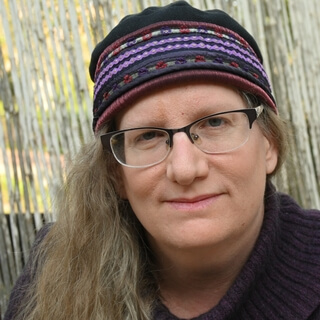
Welcome to awakening.
We are about one minute early so please allow yourself to settle and arrive.
We will begin shortly.
Welcome.
Welcome to awakening.
Welcome to awakening.
Welcome to awakening www dot CAMU star.
Com.
You can also witness us and join us and practice on live streaming service for Facebook,
LinkedIn,
Or YouTube channel,
And Twitter.
Today is the 6th of February and we begin this practice on Sundays at 3 p.
M.
Eastern Standard Time.
We will be looking at the Torah portion for the Tishin component from the week,
The Shabbat prior to this Sunday.
So yesterday we learned and heard chanted in synagogues to Ma from the book of Shemot,
From Exodus.
It's tradition for Jews to study that parasha,
That Torah portion of the Hebrew Bible during the week prior,
If that's part of their tradition,
And then to hear it chanted or to chant it themselves in the synagogues throughout the world.
So what we do here at the Institute is after we've had all that learning and listening,
We come together to really delve in and see the Torah portion from the perspective of Musa mindfulness,
The dual traditions of Judaism and the Musa tradition of Tikkun Hamidot of repairing our personality traits to become the highest and best version of ourselves in service of God and others,
And the tradition of mindfulness from the Theravada,
The Pasana,
Insight,
Meditation and mindfulness tradition in order to guide us and lead us on that eightfold path and wise action,
Wise speech,
Wise living.
So we are blessed to both study and learn from both traditions and combine them here at the Institute.
So before we begin,
We always look at and really bring in our intentions for today's practice,
Our kavanot,
And we traditionally share this one together.
So I'm going to share screen for those of you watching on video or live.
For those of you on audio,
You'll hear this read by me.
So we do the first and the third together.
Number one,
Before doing acts of caring for the self,
We see here at the Institute that this time together on Sundays is caring for the self.
Before doing this act of caring for the self,
We say this is something I'm doing to strengthen my own soul in order to be a benefit to others in the future.
And then for the third section down here,
We also see this teaching and practice together,
This seated meditation that we will do after the teaching to be in service of God and strengthening our relationship with the divine.
However,
We might interpret that.
So before doing acts to strengthen your relationship with the divine,
We say this is something I'm doing to strengthen my relationship with the Creator so that I can be a better conduit of God's good to others when they need me.
You may bring in your own cover note and practices right now of what your intention is for today's practice and sitting and teaching and learning with the Institute for Holiness right now.
So we have jumped into truma.
You will witness if you've been following along with me since the Rashid since in the beginning,
When we began the Hebrew Bible the Torah,
And the book of the Rashid,
And that was just called Genesis in English,
That we've really moved to from this deeply personal relationships with our patriarch and their families,
But not a relationship that was necessarily there day to day and not one that introduced a rule of law and expectations,
There might have been a commandment here and there of told what to do,
But nothing overarching and what how they were expected to live and and what that would look like.
And then we move into the Joseph story,
And really witnessing these people develop this such a strength of moral compass,
What is called as one of my cats.
This is what is called a fear of God in the Torah,
But really what fear of God means is religion is in the sense of,
I know God I know good from evil I know what is expected from me I have a moral compass and more importantly,
I act out on that meaning I refrain from doing harm and suffering.
And I try to do good deeds,
Good speech,
Good thoughts,
Wise,
What we might say today.
Rise and rightful like full of integrity.
So,
We witness that shift with the midwives and Moshe's mother and his sister Miriam and then Moshe Rabbeinu himself of our ancestors.
And you have this shift of B'nai Israel being born a people out of our ancestors come our people.
The Hebrew people are born the Israelites the children of Israel.
The Jews are born as a people.
And with that whole new relationship with the divine that we saw this kind of cosmic shift into trajectory,
That's beginning to unfold before our eyes.
And that continues here.
So we have God taking B'nai Israel out of,
Out of slavery,
Out of Egypt.
And with that,
A whole new way of relationship and being where the rule of law will begin to be a center of it,
Of expectations and a very responsible society,
Not just individuals,
And that if the whole society of all the B'nai Israel are not attempting to be upright,
And in that relationship,
Then there's this sense,
Or perhaps even fear,
Punishments,
Not even really the issue here I mean the concept of that more like consequence and karma,
But the sense of the divine that God will not stay or be present or be in relationship.
And we'll see that happen.
But more in particular,
We move into Truma and Truma has at the very beginning some really key verses that we will pay attention to,
Because the rest of the parasha is really about beautiful architecture and design.
And in it is of course something to offer us but from the perspective of Moshe and mindfulness we're going to,
We're going to hone in on these.
Okay.
God speaks to Moshe,
Which basically means commands.
Speak to the Israelites and have them bring me an offering.
Now,
Offering here,
Truma,
The word Truma in Hebrew,
It literally means something uplifted and elevated something to a higher status.
It's kind of like what we're doing with our own practice and our own souls,
Our own self,
And Moshe our mindfulness,
We are attempting to uplift our soul,
Our being to a higher status,
What we call our higher,
Our best selves.
And this is what God wants from B'nai Israel,
Tells Moshe to do so.
Take my offering from everyone whose heart impels,
Pulls from him or her,
It's a really intense verb,
Yid ve'inu,
Like,
Yes,
Causes them to have to give.
It's a kind of nedivut,
A generosity of spirit,
Of body,
Of behavior,
Of deeds,
Of goods,
Of things that we may own that we feel compelled to give.
Now,
I noticed right away,
And this is since I was a child,
I've noticed this,
Well,
God's telling them to bring this.
And so in my perfect sense,
I of course want the people to bring this without necessarily being told or commanded.
But like I like to joke,
There are sometimes like as an ima,
As a mother,
I will have to say particularly to my younger children,
You know,
Ima's birthday is coming up,
And you may want to draw a picture,
Or make me something beautiful.
Because if I don't remind them,
Right,
If I don't tell them,
Then I might not get it.
Now,
Of course,
You may wonder,
Well,
Where's,
You know,
The spouse or family to remind them?
And ideally,
That does work in the familial unit and the societal unit too.
And I kind of see this here the same with God.
God is being like the ima,
The mother of essentially kind of reminding B'nai Israel,
Bring me gifts.
Do this thing.
Build this thing together,
Bring this because we're going to do something magical.
We're going to do something amazing with these gifts that you bring because they have no idea actually what,
Why these gifts are even being asked for or required.
Excuse me,
I'm still recovering from my cold flu bronchitis,
You know,
Whatever you want to call it.
And so there's something beautiful there.
Because one,
You don't know why you're bringing the gift other than that you are.
And you're giving a free will offering you're giving something that you want to,
And you feel compelled to it comes from,
I guess our purest point.
And this is something in our own practice over this next week that we are going to want to pay attention to in our cheshbon hanefesh journal and our accounting of the soul journal,
Just five minutes a day looking at our words,
Thoughts and deeds of where is my pure point where is my nadivut,
My generosity,
Where do I feel compelled to give and do it once a day,
Do it,
Give,
Give freely.
And you might even want to ask those that are beloved to you,
What is it that you want,
What is it that you need,
And then attempt to give that,
Give it freely and see what is done with it.
So this is what happens here in Chuma.
This beautiful thing happens where the B'nai Israel,
And the children of Israel bring and bring and bring and bring and bring everything.
And what I love about it is Hashem says right here God is this,
By the way,
Was chapter 25,
A p'sukh aleph,
The first verse.
And now we have in number eight,
Verse eight,
V'asuli mikdash,
Do to me,
Do for me,
Basically,
Essentially,
A mikdash,
A holy place,
Sanctuary,
Essentially.
And what for,
What for?
V'eshahanti,
The toham,
That I may dwell among you,
Among them,
Essentially.
It doesn't say that I may dwell in the sanctuary.
God's not interested in being located in one place and staying there.
It's the sanctuary is really being built for B'nai Israel for our ancestors,
The children of Israel,
So that they are doing something.
And they're doing something for the whole community.
And in that act that benefits all.
God will dwell among them will be in their camps will be in their hearts.
There's something really deep and beautiful and profound to learn here,
Especially today in our society,
Where we're dealing with this ongoing pandemic that's turned endemic,
Where there are people without a societal or social safety net,
Or there's great division,
Where we have climate change.
We must build together we must do together.
For the sake of all of us.
And in that behavior in that act,
God will dwell among us.
Let's hold that together.
The final thing I want to share with you is in.
And then I'll share some,
Some more historical texts and the meaning of things,
But in that same chapter.
Chapter 25 of the Suki 22 in coffee bed.
There is God essentially says,
And I will commune with you but really it means I will make myself known to you the verb is the know it comes from that you know the same concept.
I will make myself known I will I will dwell with your commune with you.
I will meet you there at set times,
This concept of mode in from what you create and build together.
And something really profound is happening because,
As I said with our ancestors you didn't have God dwelling among them and with them.
It was like God came for visits,
And then left.
Of course,
God is everywhere and all the time but the sense that the human really felt a new God's presence and when and actually intimately talked with God,
As we see with offer hum and yet,
Hock and yeah cove and onward.
It's this,
It's very different than what we are witnessing now where you had a people who,
Up until now,
Are introduced to this concept of the Sabbath,
A Shabbat,
And told you know only to collect man mana,
And twice the amount.
And then you know,
The day before Shabbat and that it won't rot to last on the Sabbath.
And,
But not really getting to the source of how to live this six days a week where they're really laboring and there's a day of rest.
We had touched upon earlier that slaves had no day of rest.
As we really know,
And not in the sense that they had ownership over their body time and space.
And so you down to people who are beginning to learn that and explore it,
And obviously are don't necessarily know what to do all the time and are uncomfortable with it.
And but you essentially have here in this creation,
The creation,
The new creation,
And the tabernacle essentially is what we call it here.
This is the series of instructions for the components of the tabernacle are made up of seven subsections,
Each of which is introduced by the formula of God spoke and said to Moshe Elie,
The Beir Adonai El Moshe El Amor.
And this is coming from Professor Sarna again,
Nahom Sarna,
Who I love to study in the book of Exodus from the Jewish publication society.
And so six of these subsections deal with the actual creativity,
The building,
Creating everything that's needed for this Mishkan,
This dwelling place that God will be a Shekhin,
Will be a neighbor,
Will dwell.
And the Shekhina,
One of the aspects of God,
They all come from the same shoresh,
Shin,
Chaf,
Nun,
And Lishkhon,
This is a,
It needs to dwell to be housed and God says,
And as I said to you,
Do this so that I may dwell among them,
Okay,
Shekhonthi.
And,
You know,
We get to this Honan neighborhood from this.
And,
But this Mishkan that they're building this this tabernacle is a temporary home that B'nai Israel is instructed to build.
So,
Six of these subsections that they'll labor these six days,
They're now doing actual like physical labor something really concrete in the middle of the desert.
And then they'll really know what Shabbat means.
And on that seventh day,
The seventh feature actually in Tumah and Kamen and these parshiot that we're dealing with in Exodus is this,
The Sabbath law,
Okay.
It's extremely grounded in creation that God created the six days just like you are creating this tabernacle this Mishkan,
Mishkan,
And the association with the Mishkan and tabernacle with the Sabbath is really coming together.
And it's known in our tradition that the Mishkan,
The tabernacle is actually finally erected on New Year's Day as Exodus 40-17 will actually record.
And this really for us is the cosmic shift.
This is where it underscores that we are in a new era,
A new way of being in the life of the people.
And this connection to this thing that they've created on behalf of everyone in the community.
It's fact that God will dwell among them.
And it's very much strengthened.
So,
With that,
We're going to move into our seated meditation.
As I always say at the beginning,
If you live with any chronic pain or great discomfort right now,
Please go ahead and take care of yourself and lie down for this meditation you may keep your eyes open to remain awake and alert.
You can do a very slow walking meditation.
You can stand,
Keep a chair by you so you remain grounded and held.
For those of us who are going to be in a seated position,
Whether you are on a zafuah meditation cushion or on a chair,
If you're in a chair,
Please ground your feet.
I want you to feel held by the earth.
This is so that if anything does trigger you or if you have a history of trauma,
That this groundedness grounded in your seated position grounded in the floor.
It will help you be in the here and now,
Should anything arise for you where you need to open your eyes and come to the space in the present moment for yourself.
For the rest of us,
We may sit in the upright position showing that we are created in the image of God.
Take three deep breaths.
Allow yourself to begin to arrive and settle.
You may let your hands gently rest on your lap on your thighs.
I know people like to hold their hearts.
What's so beautiful about this Torah portion,
To ma is not only this gentle beloved reminder that we to have gifts that we love to give.
We don't have anything obstructing us any obstacles any hindrances and trauma.
It's our soul is open and wants to give freely.
You can allow your breath to begin to settle no need to strain or control it.
For those of you new to meditation you'll simply follow my guided voice and instruction.
And then we will move into silent meditation together when I tell you,
And we will come out of it with the sound of the bells.
What's so so beautiful about this partial this tour portion to the Hebrew Bible culture ma is this reminder of taking refuge that we have in our inside tradition,
Taking refuge in the song,
In the VOD in the kahila in the community.
Taking song on the Buddha and the wisdom refuge and God refuge in the Dharma,
The Dharma and the teaching in the Torah.
This refuge,
This refuge,
Particularly and community could not happen without also the teachings of the demand the teachings of the Torah.
The teachers the Buddha teachers of God,
And our ancestors,
Sages or rabbis,
That it is necessary for that triangle foundation to be present.
In order to be able to take refuge.
And we witness this in the Torah portion that for them to be able to start building the sanctuary,
This tabernacle this niche gun.
To be able to do well to have God dwell among them.
There must be the other components,
There must be the beginning of Torah,
The 10 utterances.
The beginning of a rule of law among the people.
The teachings and guidance from Moshe and from the elders who are,
And those who are acting in on behalf of the community as judges.
Like we learned from neutral who guided Moshe to seek out community that would support this endeavor this endeavor to live in holy community,
To be able to live with wise,
Upright speech and ways of being on the path.
The password's holiness.
That can only happen with this threefold strong triangle relationship and foundation.
And hence you have this building of the niche gun the sanctuary to allow God to dwell among them to be able to be living out the laws of laboring six days on this beautiful sanctuary.
And resting on the seventh.
This great cosmic unfolding.
To be able to live with integrity.
What is present for you right here and right now,
In the present moment in your city.
Are you able to stay with your anchor which may be your breath,
Or my voice,
Or perhaps the sounds around you.
Are you being carried away by thoughts,
Planning for the future or thinking about something that happened in the past.
No need for judgments,
Being unkind to yourself if that is the case.
If you simply notice it,
And simply begin again,
Bringing your attention,
Your wires awareness to the present moment to your anchor.
For some of you it might be emotions.
We've carried you off from the present moment.
Sometimes labeling,
Whatever is here and real for us helps calm it down helps honor it and recognize it and allow it quietly whispers yourself unpleasant neutral pleasant.
Whatever is here for you right here and right now.
For others of you it might be strong sensations in the body that are pulling you away.
Perhaps it's heat,
Tingling,
Tightness,
Butterflies in the stomach.
Whatever sensation is there.
Do an inner bow to it,
Recognize and allow it.
Gently say to it I will visit you later.
Bring yourself back to your acre your breath my voice sounds around you whatever it might be.
Move into silence meditation practice now.
Thank you.
Thank you.
Thank you.
Thank you.
Thank you.
Thank you.
Thank you.
Thank you.
Thank you.
Thank you.
As we move into our last two minutes of silent meditation.
Allow this time for you to investigate.
What me dots what soul personality traits within you,
Your own personal spiritual curriculum,
What would have to be unbalanced.
For you not to give freely.
And a big communal efforts like building a sanctuary building a Michigan building a tabernacle.
Whether have to be greed or some form of delusion some form of attachment or aversion.
Two moments exploring what you believe your own we don't.
What is evidence in there and real for you.
That might be an obstacle to you this week.
Building your own interior world your own Michigan.
That allows God to dwell among you and those you love,
And in your community in your country.
And in the world.
What could possibly be unbalanced and get in way,
Get in the way of that.
We move back into silence.
We move back into silence.
We move back into silence.
We move back into silence.
We move back into silence.
Thank you.
Give yourself an inner bow.
Honoring your self care.
And then gently,
Open your eyes and join us back in this Michigan,
And this sacred circle of practice and learning together.
Now to God,
Not your practice to refuge and all.
Thank you for joining us the Institute for holiness Kehila Musar and our awakening Torah Musar mindfulness.
The weekly tour portion of Chuma,
Our ninth,
Teen sitting.
We welcome sponsorships in memory of a beloved,
Who has passed,
Or an honor of someone.
We also accept your donations to support this free will offering that we give to this global Michigan together.
Feel free to be in touch with us a key lot more star.
Com to give.
We also welcome questions and answers for those who wish to remain on to submit their questions and to stay with us if you come on the zoom link from our website.
For those of you who don't know yet.
We have launched a new website at the Institute to better serve you and to be a resource and a space to continue this unfolding of our own Michigan our own dwelling place sacred place to take refuge.
And in it you'll find all the information about who we are and what we offer.
In particular,
I would like you to subscribe to our monthly newsletter,
Which the link is there you can sign up on the website at Kehila Musar.
Com K e h i l,
A t m u s s a r.
And more importantly,
I invite you to become a member of their hover.
There,
You will be able to foster and strengthen us for the long term to keep this institute growing and being a wonderful resource Amish Khan to all.
In return,
Of your amazing monthly support of $18 per month.
You will have a monthly private session with me.
You will have discounts to all of our classes and retreats and trainings,
And you will have member only access to the written blog of this sitting gets written up with much more resources citations and sources and practices.
And that will be available to numbers only.
So please do join strengthen this amazing community that's in service of God and all of you.
Thank you again.
You have a blessed week and we will meet again this rotation God willing on Sunday.
3pm Eastern Standard Time.
God bless and take care.
Shalom.
Thank you.