Welcome.
Allow yourselves to settle and arrive.
We will begin in one minute.
Welcome to awakening Torah,
Musa,
Mindfulness.
We are in the Torah portion,
The Hebrew Bible section,
Known as a parasha,
Is a Torah portion of Ray.
Welcome Shalom,
Susan.
Good to see you.
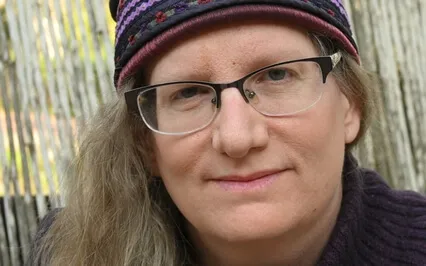
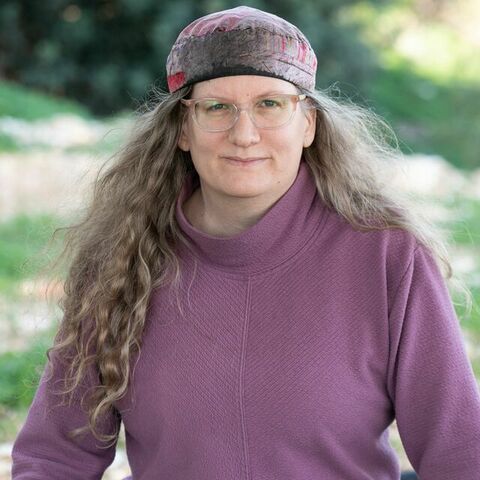
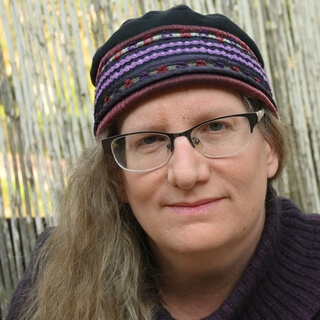
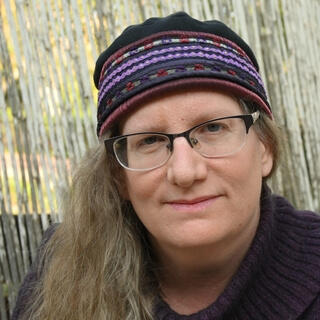
So first what we do here is we say welcome that I am Rabbi Hasi Rea Steinbauer,
The founder and director of the Institute for Holiness,
Kehilat Musar.
Today is Sunday,
August 28,
And it is Rosh Chodesh Elul,
The first day of the month of Elul in the Hebrew calendar.
A big day because it's a preparatory month of lots of what we call cheshbon hanefesh,
A county of the soul leading into Rosh Hashanah,
The new year.
And of course the 10 days and Yom Kippur,
The Day of Atonement.
So this is an excellent day.
It is for me a happy day that might seem contradictory when people think of the heaviness of taking responsibility and apologizing and seeking what we call teshuvah of repentance,
But this is a great day,
And I'm grateful to have all of you here at our 48th sitting.
It is a blessing.
So as we begin,
First what we do before we jump in,
As you know,
Is that we do our kavanot,
Our intentions for today,
Which I have here.
If you are joining us visually,
You will see them here.
Otherwise you will hear on audio as we are live streaming on our YouTube channel or on Facebook,
LinkedIn or Twitter,
Then you can hear also on our podcasts what these kavanot,
These intentions are.
So first we say because we see this act of spending this short time together of learning Torah,
Musa,
Mindfulness,
As an act of radical self-care,
To practice,
To take refuge in community,
To be together.
This is something I'm doing to strengthen my own soul in order to be a benefit to others in the future.
And then we say,
We also see this as doing something for others because if we strengthen ourselves,
Balance our me-do,
We act better towards others,
We cause less harm and suffering.
So we say this is something I'm doing to strengthen my relationship to others,
So I can be a better conduit of the divine's good,
God's good to others when they need me,
However you define God.
And finally,
We see this as strengthening our relationship with the divine.
We end up developing more faith over time,
Amunah,
And it strengthens us on all levels,
Self,
Community,
Others,
And with the divine.
So we say this is something I'm doing to strengthen my relationship with the creator,
Even if I'm not sure who the creator is or how to connect to them.
Everyone's welcome,
All arranged,
Those who have a strong relationship with the divine and those who don't,
So that we can all be a better conduit of God's good to others when they need us.
So that is our merit.
That is what we hope that we merit during this session that we bring to this learning and practice together.
So if you're new to us today,
Then I will just share briefly that what we do is I share a little talk on the Torah portion.
And then we move into a guided mindfulness meditation practice around it together and then we sort of a short moment of a question and answer that is available at the end.
So you're welcome to participate in that.
Welcome to all who are joining.
Great to see you.
Shalom Sarah,
Shalom Susan,
And anyone else who is joining us live stream.
So let's jump in.
Of course,
If you read this Torah portion,
Re'eh,
Either yesterday in community at your minyan or synagogue,
Or you just studied it yourself on your own,
Then you know that this Torah portion is huge.
It's as if Moshe who was once someone of a heavy tongue who couldn't speak now wants to get everything out before he passes away,
Right?
He's like our grandfather,
Our Sabbath,
Who wants to tell us everything that he anticipates going to happen to our ancestors who are ages,
From zero to 20,
Who are about to enter the land of Israel,
The land of Canaan.
Okay,
So it's too much to cover in one session,
But I do want to point out some very important things and then practice around it.
So the first I want to say is what you notice happening during the store portion is a centralization of one location where there's going to be the main sanctuary what we end up calling the Beit Hamidash,
The temple.
So,
If you think about what happened in the desert,
When they were when our ancestors were taken out of the institution of slavery from Egypt and resided for 40 years in the desert.
They had a little Mishkan right they had a sanctuary that they built up broke down and traveled with,
And then built it back up again and that was the central place in which they encountered service to to the divine and purification offerings and joy offerings and all sorts of offerings that was going on in the desert.
And now there's the concern of what are these people going to do that they're entering the land of Canaan,
Where each tribe is going to get its own land and they're going to be spread out very far distance from one another,
Much farther than they ever were in the desert together.
So we're told that they're going to God is going to pick a location that they will do this centralized leadership the centralized worship,
And in a sense these offerings that are given sacrifices right that the sacrifices will be restricted to one location.
You have to think about this this is going to be a huge shift and change,
And how those who are not close to that temple,
How they're going to live out their Judaism how they're going to live out their lives.
We don't often think about this,
But they're too far to travel in daily to do any offering or even purification.
And they basically are distance from it it's difficult to give any type of Thanksgiving offering sin offering any type of ceremony or vowels so,
And this is the first time that meet consumption of meat will not be tied to the sanctuary.
Okay,
This is the first time you're seeing permission.
Because,
In a sense,
They have to write the people live too far,
The people can consume meat outside of it Why do I tell you all this because there's going to be a shift and who's practicing what depending on how close you are to that central nucleus of that temple.
So,
What else is going on.
Okay,
So in the book of Deuteronomy called the very in that we're in the final the five books emotion,
The final one.
It basically,
If we think about our ancestors and when they compile this and wrote this right,
They must have really expected that some other religious activity was going to go on for everyone that lived too far from the temple.
There's no way they would have allowed kind of what we would call a religious vacuum to happen like oops sorry see you during the three pilgrim festivals right,
They'll pass over,
Shavuot,
And so quotes that just wouldn't happen their lives were so full of everything being told kind of how to live and how to be that you can imagine now that they're just kind of going to dump the rest of the tribes not close to where the temple is going to be,
And only see them for the three pilgrimage festivals.
So,
Scholars,
And in particular if I'm looking here at the Jewish publication societies Torah commentary on Deuteronomy I highly recommend it.
It's actually written by Professor T,
T,
Gay or T guy I don't remember how to pronounce his name or her name,
And they basically suggest that perhaps it was fulfilled by studying and prayer.
Now that's,
That's a suggestion.
I don't know how much evidence there is there at the beginning of really when they are conquering the land and also when they're farmers they're so busy,
Living and taking care of their lives that I don't know how much time could be committed at least to study I you could pray obviously.
Why am I even bringing this up why is this important for us today.
Because today.
And as we enter the month of a little.
Many of us live far from community,
Far from a centralized place far where we feel God's presence far where we might not be an organized community or if we are we might not even feel hundred percent connected.
And so what I want us to look at deeply is what is the wisdom from this tour portion from a that our ancestors want us to learn.
There's something here for us because,
Like the ancestors who are not going to live near the sanctuary.
We have to figure that out for ourselves.
What are we going to focus our lives and our practice and so thank God for refuge and community that those of us who practice this moves our mindfulness do have something that we do on a daily basis and connect with our learning partners in our group,
And really have that and we are building that sacred community.
And we invite anyone to join in and do this because it is so sacred and we feel it.
And so let's look at what our ancestors want us to look at here in this partial.
So,
We are told when they enter that they have to go on two different mountains and recite blessings and curses.
So our ancestors first want us to follow the path of blessings.
Follow the path of life.
Right,
It sounds simple,
But often we go off the direct right we go off the path.
And so really what we're being guided here is choose the blessings choose the path,
And so a lot of our rabbinic ancestors actually the Hazzal the rabbis really see choosing the blessings as a blessing in and of itself like following the meets vote the commitments and God's path and direction that is a blessing in and of itself,
And it fulfills other blessings like it's a blessing that's received from doing that blessing.
And so,
If we want to consider that as we enter a little.
We want to finally cultivate that blessing and us and also give it to others.
Okay.
And so what I'm going to bring up as I go through all these is how we're going to create something called yet the dudes which is this fellowship rabbi will be a famous would may his memory before a blessing his recent teacher.
And fellowship and if our practice and are acting out these commandments are not actually building fellowship and connection,
Then we're not doing something right,
We're actually choosing the mountain of the curses in some sense.
So for example he was really before he passed away was really starting to get really concerned that we were also busy,
Particularly like busy,
Every day of the week,
Even people were filling up their Sabbath or Shabbat with like things to do this she or here and this here and this here and there was no time for quiet and stillness and reflection.
And so that's really causing us to actually be distance from ourselves.
And then distance from others,
And he saw it hitting like really affecting the fabric of the American society.
And I think you can witness that between our family members,
And then our neighbors and at large,
We're just not creating this fellowship,
This love of infection right this this this sharing together so let's hold that in mind as we enter a little.
So the other thing our ancestors want us to get out of this essentially that established for ourselves,
A central sacred place for us to gather for us So if that means right now in this zoom space together and then that's your space that's your sacred space and take advantage of it,
But really establish yourself a central sacred place of worship of gathering of practice.
The other thing is to allow joy.
It's actually the first time in this partial where we get the language,
This amok that you should be happy,
Particularly recognizing the festivals of is two quotes,
And of Shavuot that there's this real sense that we should be full of joy with one another so allow for that joy in your life and your practice.
We're also guided by our ancestors to always remember the other those who are disadvantaged,
That we're always bringing at least 10% of what we have for able to share with those in need with those around us to build this fellowship right.
Also our ancestors want us to honor life.
So what we notice here is that to really know that life is sacred,
How it comes out in our Torah portion is to remember that if you're going to consume meat,
You know spill the blood right that's what it says,
Because in the blood is the life.
It's remembering that the human being can't consume and have everything at once when it wants it whenever it wants it.
There is what we call a Gavur,
A border that has to be honored.
This is the sacred cycle of life that we limit our consumption and that we spill the blood right it once was limited to only in the sanctuary that we shared that communal meal right.
And so to remember that like even in our own lives today.
How can we limit our consumption and make it wonderful of joy that we're sharing with others when we do consume it,
If we are going to consume meat.
Right.
Then finally,
Our ancestors through God's commandments and relationship really and followed the practice of.
It's really interesting if you look in this parasha,
It gets really difficult towards the end if you read all the way through.
They really had this sense that they needed to obliterate.
Anything that was going to cause them temptation to not follow God's path.
And that means destroying property of others that they end up colonizing a perhaps even killing others.
And if we read this today and we think,
Why,
And I do my people in my community and my culture and my just whoever I am in communion with Do we really need to obliterate that which might challenge us which might tempt us know,
And we know that today,
Right,
We have to cause harm and suffering,
And we don't feel that we have to get rid of that which is a temptation or desire to us.
Instead,
We have to practice around it right we have to strengthen each other,
But we do see this and we want to honor this we want to honor our ancestors felt so weak in their practice that they have to get rid of whoever else might be there worshiping idols or other people that they couldn't even be tempted by it right.
So,
That's really profound.
And instead of necessarily judging it as just having compassion that if you've ever felt in your own life where something was so challenging to you that you needed the presence of it to not be there in order for you to be a living within your values and how you want to live,
Then we need to honor that,
You know,
Even the rabbi is always kind of consult us to make sure that we choose really good friends.
We need to be a community that are in alignment with our values.
And that's for a reason because sometimes when we put ourselves in the other situation we end up behaving in ways we don't want to or we don't agree with.
But it doesn't mean that we have to get rid of everyone else who doesn't follow the way we do,
Or our values so I think our ancestors and recording this and passing this on to us,
Want us to know that,
And to appreciate that we can live differently today and practice around this.
And finally,
I want to say that we develop this inner distance right this inner witness also in our practice of Muslim mindfulness,
So that we can be aware of our own suffering,
And if what we're causing to others that is essentially a practice and so that's key to have that daily mindfulness,
So that we're not acting out how many times when we're not awake and alert.
We have done that to other people or even ourselves.
So,
The goal here in this partial if we want to label it as a goal is one of maintaining holiness and purity.
So we need to think to ourselves.
What does that mean what did our ancestors want us to learn from this.
So one is for the first time you will find in this partial that we are called children of God,
And that we are the behave as children of God,
Whatever that means to you,
And your values.
Behave as someone who is a child of God,
And in alignment with those values.
So,
What might some of that mean in the Torah portion it looks at what animals are you going to consume and which ones you can't it's really about having that submission to that the human being shouldn't be doing whatever he or she wants when they want whenever they want it so it's about a certain internal submission,
Having boundaries,
Limitation to what we consume and what we don't a reverence for a deep reverence for life and compassion for animals.
So,
This kind of building of an equitable society being aware of who is being carrying too much debt,
Who might be dealing with poverty,
That we don't want to live and perpetuate a society like that.
We don't even have an instance here of every seven years that we forgive loans.
I know in the United States you're facing some dealing with student loans and forgiving those and so it's an interesting case to look at why would society wants to do that,
Who's stuck in poverty,
Or in very low income because of that debt and for how long,
And the Torah has that wisdom in this partial for a to look at and that our ancestors were looking at that and concerned with that,
And God wanted us to be mindful of that.
So we're going to move into a mindfulness meditation practice together on Mino hot on FSH on equity,
Because this is so about this month available.
How are we going to ride our surfboard with the waves that are coming of us taking responsibility of us forgiving of asking for forgiveness of really approaching this with the joy that comes when you know that you are living how you want to live and that you're in alignment.
So I shared this quote early where it was some students I'm going to share it again so Susan forgive me for hearing this twice.
But it's a wonderful quote here from Rabbi Abraham alien Kaplan and he was born in 1890,
And died in 1924,
And he says are unseating inner gates,
Meaning our practice of moon for moose or mindfulness.
It really is an act towards responsibility that leads to remembrance,
What are we remembering.
Remembering that all the wisdom passed down to us and resilience from our ancestors and remembering God right and our relationship.
Remembrance leads to concern.
We're concerned,
How's our behavior.
Are we doing,
Are we growing,
Are we on the path concern leads to confidence,
Why does it lead to confidence,
Because we're taking refuge and community we are doing this together.
We know we can do it we can strengthen one another and help one another confidence leads to strength and strength leans to serenity to equity to this calmness of the soul,
Because you know that you are practicing you know you're on the path.
And he finally says it leads to wholeness to play mode internally and externally and thought.
And indeed.
So with that,
Come to your meditation posture it can be lying down standing walking or sitting posture.
If you're seated like me,
Please allow your feet to rest on the ground if you are sitting in a chair.
If you're on a meditation cushion that allow your knees to fall.
The reason why I want the ground in contact with you is so that you feel held in case there's any trauma and your background or even present that you can know that you're here.
You can also open your eyes and look around and touch base again if you feel that you either leaving your body,
Or something's too intense for you.
It's not going to be that type of meditation but you never know where you are in your practice so just to honor whatever comes up for you.
So for the rest of us,
You will sit seated in the image and likeness of the divine so with a beautiful strong posture,
Not West Point stiff.
One that is relaxed but alerts can let your hands rest on your lap or on your chest.
If you feel safe.
I suggest to close your eyes if you have vision.
Otherwise lower your gaze so that soft and sitting in front of you.
We begin with three deep cleansing breaths so inhalation and exhalation.
Notice the shoulders began to fall inhalation beginning to arrive and settle exhalation.
One more deep inhalation coming to stillness,
Allowing your breath to just fall naturally now however it does no need to control it.
We begin with a short scan to see what is here for you.
Needing to know what's here so that we can accept it without judgment to approach it with curiosity,
With love with affection,
To lean in and attend and befriends.
So what is happening.
Are there any strong sensations in the body calling for your loving attention.
Maybe there's excitement butterflies in the stomach.
Woohoo,
It's a little it's dancing.
We're here together.
Whatever is here for you simply notice recognize it,
Allow it.
Noticing and maybe even using a mental noting what the sensations are like,
Whether it's hot,
Comfort,
Tension,
Maybe unpleasant,
Neutral,
Or pleasant.
Doing a short gentle body scan through your toes and up your body.
Any emotions that are coming with your sensations in the body.
Just recognizing them.
No need to push them away.
Just a gentle self compassion for whatever is here for you.
Investigating the felt sense of any emotion that is traveling through your experience right now.
And then noticing your thoughts.
Are you ruminating about something in the past.
Maybe planning for something in the future.
Gently just calmly bring yourself back to my voice as your anchor back to your breath and body as your anchor,
Allowing yourself to be here.
From time to time I will go silence.
Know that I am still here and we'll begin guiding again.
This gives you a quiet opportunity to practice.
Equanimity known as mental hot on F ish a calmness of the soul is a spacious and balance of heart.
I am still aware of the serenity prayer and the alcoholic anonymous movements or the other narcotics or overeaters whatever group it may be.
It says May I have the serenity to accept the things I cannot change.
So as we begin this a little practice and this meditation right now with whatever arises.
Make sure you take an inventory over this month of the things you can not change and become very clear about that.
And then we are given strength,
The courage to change the things I can ask you for God's help doing it with others and community.
What needs to be changed.
And finally the wisdom,
The insight to know the difference.
We build this in our practice daily.
Wisdom recognizes that we're all air to our own karma,
That we can act and receive the fruits of our actions.
We can deeply love others and even ourselves and offer them or ourselves assistance.
But in the end they must learn for themselves and must be the source of their own practice and liberation.
The same goes for us.
Equanimity combines the understanding mind together with a compassionate heart.
Bring a soft attention to your breath until your body and mind are calm.
Allow yourself the gift to sense what a peaceful heart may feel like.
And you bringing that peaceful heart to the world.
Allowing yourself to feel and enter sense of balance and ease.
No need to force it or control it.
If it's not there for you.
Just accept that that's okay.
And we begin repeating this phrase after me you may do it to yourself quietly.
May I be balanced and at peace.
May I be balanced and at peace.
Acknowledge to yourself that all things arise and pass away.
Joys sorrows people buildings,
Even whole civilizations.
Rest in this insight.
And I add the following phrase,
May I learn to see the arising and passing of all with equity and balance.
May I learn to see the rising and passing of all with equity and balance.
May I be open,
Balanced and peaceful.
May I be open,
Balanced and peaceful.
Know in this month of a rule leading to the new year,
Where you may take responsibility for suffering that you have caused to others and ask for forgiveness.
Know that once you have really asked for that forgiveness.
And it's sincere and you have done all that you can do to take responsibility.
It is knowing that it is up to that person that you are speaking to for them to do their practice now.
And so you may add this phrase to yourself right now in this practice,
Your happiness and suffering.
Depend on your own thoughts and actions,
Not my wishes for you,
Your happiness and suffering depend on your thoughts and actions,
Not my wishes for you.
So much of this month is about us learning to forgive ourselves.
We all know when we have not only missed the mark but caused harm and suffering.
And if that is the case for you this year.
There'll be practice and you really forgiving yourself once you have done all that you can to do what's called tikkun to correct it.
So the practice around equanimity for you is to say,
May I have true equanimity.
May I bring compassion to myself,
To the events of the world.
My learn to see and accept the arising and passing of all things with equity and balance.
May I practice,
So that I live with a peaceful heart.
I practice so that I live with a peaceful heart.
As we move into our last minute of silent meditation.
I will pull you out with my words and closing the meditation inviting you back into our sacred zoom space for the next minute we move into silence.
Thank you.
If you have your eyes shut.
Gently and slowly.
Open them.
Allow yourself to get used to the lights.
For your practice.
Being here together.
We accept sponsorships,
Every week for those in honor of somebody,
Or in memory of someone who has passed just be in touch with me,
Either on the website or email.
And of course we accept donations for this free will offering of any amounts.
And we also receive dollar 99 donations on insight timer to support this offering practice and everything that you give really enables us to keep offering this and I thank you for whatever you donate.
And now we will spend some time for those who have joined us live on the zoom link welcome.
I hope you're all welcome to just share how your experience was make sure you say your name and where you're from.
And you're welcome to ask any questions or make any comments,
And you're also welcome to remain silent.
And if you do I ask that you attempt to put on your video and share with us.
Can you hear me shine.
Okay,
I'm going to tell sorry are you joining us.
Go ahead please.
I want to thank you so much for the beautiful beautiful meditation.
It was really deep and rich.
And yeah,
It allowed me to realize the expression of from Torah and God that I will be that which I will be.
And so,
As you said,
You know,
May I be at peace May I be full of compassion May I all of these things that that aspect of of God of Hashem we can bring in,
Because that's the beauty of where we need to reach out and ask for that connection.
And it will bring just beautiful beautiful that which we need.
And so I'm grateful.
I also saw myself processing,
Different dimensions of exile,
As you are in Israel and I am not,
And we're approaching.
Now the high holidays,
And you were talking about the distance that many Jews had from not only the beta meat dash but from your Yerushalayim and the travel and here I am in the United States,
And that there's this and and Moshe Rabbeinu maybe trying to understand and give the Jews,
A sense of that connection with the land upon entering and leaving that physical exile but then how many different dimensions of emotional exile within ourselves of those parts of ourselves we we have not embraced.
And what about the exile of our lack of embracing the whole Jewish community of diversity.
And there's so many parts of that.
We were talking about the idea of just destroying those that are worshiping a vote as our idol worship.
And we don't need to destroy the other,
That that was really fear based.
And I was so grateful if we were to approach the other including Jews,
A very reform conservative renewal.
All without fear,
How would that change us.
Yeah.
And,
And also I was just reflecting on all those different levels of exile.
Thank you.
Thank you,
Sarah and you're joining us from California,
Correct.
Yes,
I just like to give location is so that's beautiful.
Thank you for sharing that with all of us very grateful.
Absolutely,
Yeah.
All right,
We have two Susan's here either one of you would like to share your experience or any comments or questions.
I want to thank both of you know Sarah Thank you that whole sort of your talk around exile emotional exile,
Whatever form it takes,
Which you know you picked up from my house here is thank you that was really enlightening and nice to have this emotional reaction to that.
And it's something for me to keep in mind,
So I thank both of you for today.
That's beautiful and very vulnerable and courageous to share.
Yeah,
To notice what comes up when someone brings up something powerful it's like,
Oh,
Maybe that does apply to me right I need to look at that in the next month.
It's beautiful.
It's one of those things.
Sorry that you made me remember like,
You know when someone comes like you and you share something so profound and beautiful,
And you realize that it's like it's Shefa it's abundance and a gift from God that it's being brought right here and right now in this moment and it's supposed to supposed to open all of us to consider that in this next month.
And it's a gift,
It's a fan it's grace so thank you I'm so grateful.
And Susan just please tell us where you're from,
I know where you're from but you know for everyone else who's here.
You're on mute still.
So,
Susan.
That's the other Susan just wait for Susan.
So Susan met so this this Susan Susan Alderman is from New York City.
Great,
Thank you.
Thank you.
And then Susan Did you want to share.
I apologize.
I'm from Albuquerque,
New Mexico.
Great.
Are you able to join on screen or not right now.
I'm not,
I'm,
I changed locations from earlier.
And I'm not getting.
All right.
Any.
Okay,
Any comments,
Questions.
This is all new to me and I,
I've learned so much today so thank you.
You're welcome.
And it's,
I can't tell you what a privilege and an honor and a blessing it is to be on this journey with you Susan and escorting you as someone experiencing a little and the new year for the first time.
It's a great zahoot it's great to privilege and just joy.
So thank you,
And it's all about that what I mentioned with Rabbi Wolby this did you do this fellowship that we really taking refuge and community together and building this world of affection which he saw as the whole Torah,
This world of affection.
So,
God bless you all so grateful for today and the practice I hope to see you visit at the show next Sunday,
And be in touch with us feel free if you haven't already to fill out the form of what your interests are and how we can practice and learn together here at the Institute for holiness.
Take care,
All of you.
Thank you so much.
Bye bye.
Kodesh Tov,
Good new month.